
Tariffs Are Quietly Reshaping Who Wins Bids
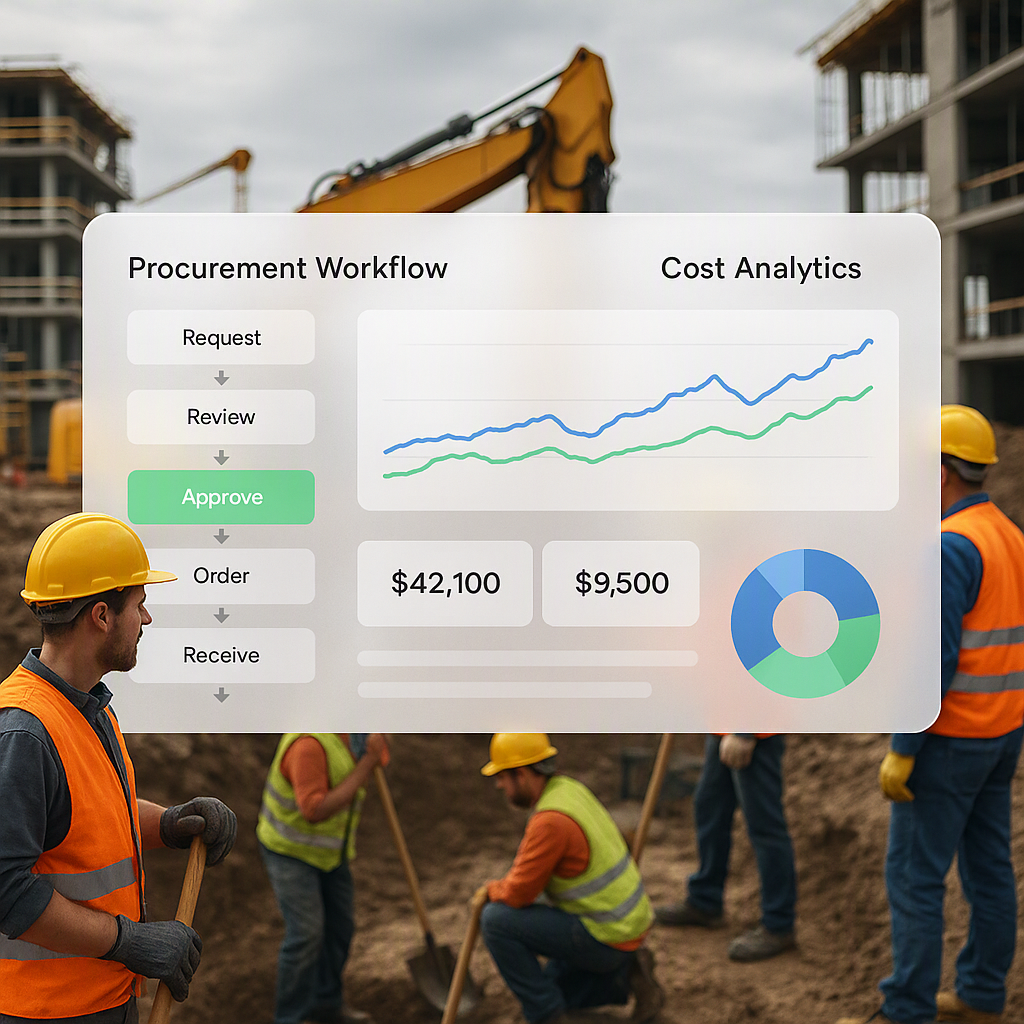
Deloitte's 2026 Engineering and Construction Outlook makes a point that hits close to home for anyone running 50 to 500 people. Tariffs are affecting project timelines and construction spending, and the pressure lands hardest on smaller contractors. Larger firms model, hedge, and treat cost volatility as a variable they can control. Smaller shops absorb the shock and watch margins thin. This matters because material prices are no longer a background assumption. They are a live risk that moves between the day you price a BOQ and the day you procure. If your estimating and procurement data live in separate spreadsheets, you cannot see that gap until it costs you. The contractors staying profitable are locking rates earlier, building escalation clauses into contracts, and tracking committed cost against budget in real time. Start by tagging every material line in your BOQ with a quote date and a validity window. When a quote expires before award, that is your signal to reprice, not to hope. Structured rate analysis turns this from guesswork into a repeatable habit.
Electrical Firms Are Splitting Off Low-Voltage Teams
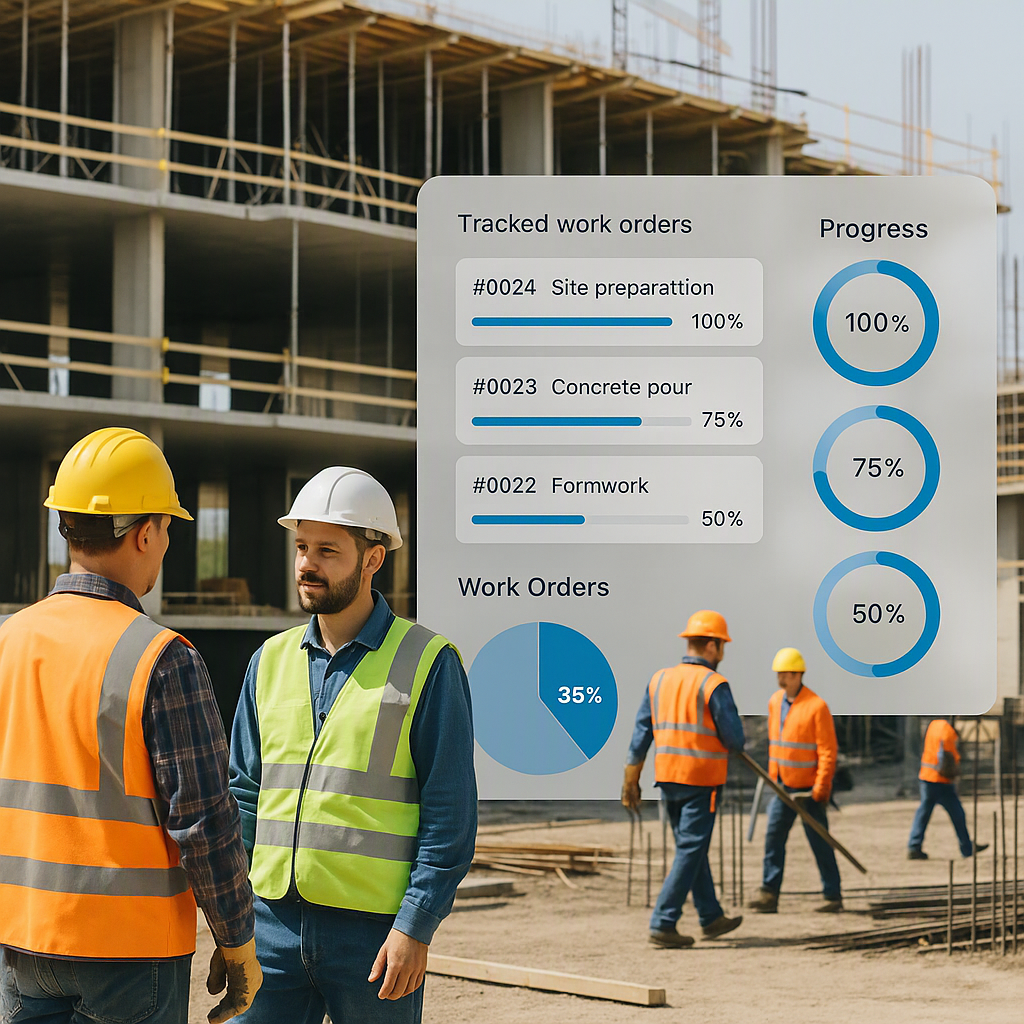
The 2026 Profile of the Electrical Contractor shows 44% of firms with 10 or more employees now run a separate low-voltage group, up from 38% in 2024. That jump tells you where MEP margin is heading. Data cabling, controls, security, and building automation are becoming distinct profit centres with their own subcontractors and their own billing cycles. If you still treat low-voltage as a line buried inside a main electrical package, you lose visibility on where money is actually made. The move for operations heads is to track these teams as their own cost centre with dedicated subcontractor billing. That way you know which division carries the job and which one drags it.
Quick Takes
- Six Tenders To Chase This Week: India: MSRDC Konkan coastal road package (est INR 2,900 Cr, submission window closing late Sept, likely bidders L&T and Dilip Buildcon); GMADA Mohali affordable housing phase 3 (est INR 640 Cr, PUDA issued); Rajasthan PWD district road upgrade bundle (est INR 410 Cr). GCC: Oman OQ industrial facilities maintenance AMC (est OMR 18M, 5 year term, Muscat); UAE Sharjah school construction package via Sharjah Municipality (est AED 220M); Oman Ministry of Housing sewerage extension, Dhofar (est OMR 9M). Verify dates and specs against each authority portal before committing bid resources.
- M&A Values Are A Benchmark, Not Just An Exit: Lower-middle-market electrical platforms with USD 3M to 10M revenue now trade at 6.0x to 8.0x adjusted EBITDA. Even if you never sell, that multiple is a scorecard for how clean your financials and job costing really are.
- Gulf Hiring Signals Where Work Is Moving: Oman listings show demand for HVAC AMC sales engineers rising, a sign facilities maintenance contracts are the growth lane while new-build slows in parts of the GCC.
Learn more at JobNext.ai - Construction ERP