I Used to Think It Was Simple Math
Subcontractor cost overruns? I thought I had it figured out: bad estimates, poor negotiations, and maybe a bit of scope creep. You tighten up the quotes, track the work more closely, and you’re fine. Right? That’s how I saw it five years ago.
Back then, I worked with a mid-size contractor running a mix of residential and MEP projects. We had a basic system: BOQ comparisons, site reports, and a lot of WhatsApp messages. When costs ran over, we blamed the usual suspects—material price hikes, labor shortages, or an overambitious timeline.
And I’ll be honest: we didn’t see subcontractor overruns as a systemic problem. We chalked it up to one-off issues. Fixable with better planning.
The Data That Changed Everything
Then, in 2020, we took on a ₹30 crore hospital project. Multiple subcontractors, tight deadlines, and razor-thin margins. For the first time, we implemented structured procurement and subcontractor tracking—an MR to RFQ to PO workflow. It wasn’t fancy; just Excel and some approval chains. But it forced us to log every step: requisition, RFQs, offers, and final orders.
The result? We saw patterns we’d never noticed before.
- Cost Discrepancies: One subcontractor’s costs were consistently 18% higher than the BOQ. Not because of material price hikes (we locked those early) but because progress measurements on-site were vague.
- Labor Overbilling: Another subcontractor billed for 25% more labor than expected. Why? No one cross-referenced the approved work orders with actual site progress.
This wasn’t just one project. When we retro-checked older jobs, the same story kept popping up. Overruns weren’t random—they were baked into our disconnected workflows.
Key Takeaway:
Disjointed workflows and manual processes are fertile ground for cost discrepancies. Without visibility into your procurement and progress tracking, overruns become inevitable.
Why I Held Onto My Old Belief
Looking back, I understand why I didn’t see it sooner. Here’s why many contractors (myself included) fail to address subcontractor overruns systematically:
-
Blaming External Factors: It’s easier to point fingers at steel prices, festive labor shortages, or unforeseen delays rather than admit your internal processes are broken.
-
Manual Tracking Masking Inefficiencies: When approvals happen over WhatsApp or emails, there’s no audit trail. You end up relying on the site engineer’s word without accountability.
-
Fear of Slowing Down: Adding layers of approvals or tracking feels like it’ll bog down the project. Who has time to cross-check every measurement during a fast-moving timeline?
-
Overreliance on Trust: Most subcontractors aren’t trying to cheat you. But without systems in place, even honest oversights can snowball into significant cost overruns.
Why This Mindset Is Costly:
Ignoring systemic issues doesn’t just cost money—it also creates unnecessary stress. You’re constantly firefighting, reacting to problems that could’ve been prevented with better processes.
What We Do Differently Now
Today, I don’t touch a project without structured workflows. Here’s how we’ve overhauled our approach:
1. Pre-Approved Work Orders
- The Problem: Vague scopes of work lead to disputes and inflated costs.
- The Fix: Every subcontractor gets a detailed work order tied to specific BOQ items. Each work order includes:
- Scope of work
- Milestones
- Payment terms linked to progress verification
Actionable Step: Before work begins, create structured templates for work orders. Ensure they include quantifiable deliverables tied to BOQ measurements. For example, instead of “laying tiles,” specify “laying 500 sq. ft. of ceramic tiles.”
2. Measurement-Based Progress Tracking
- The Problem: Site engineers often rely on subjective assessments of progress, leading to disputes.
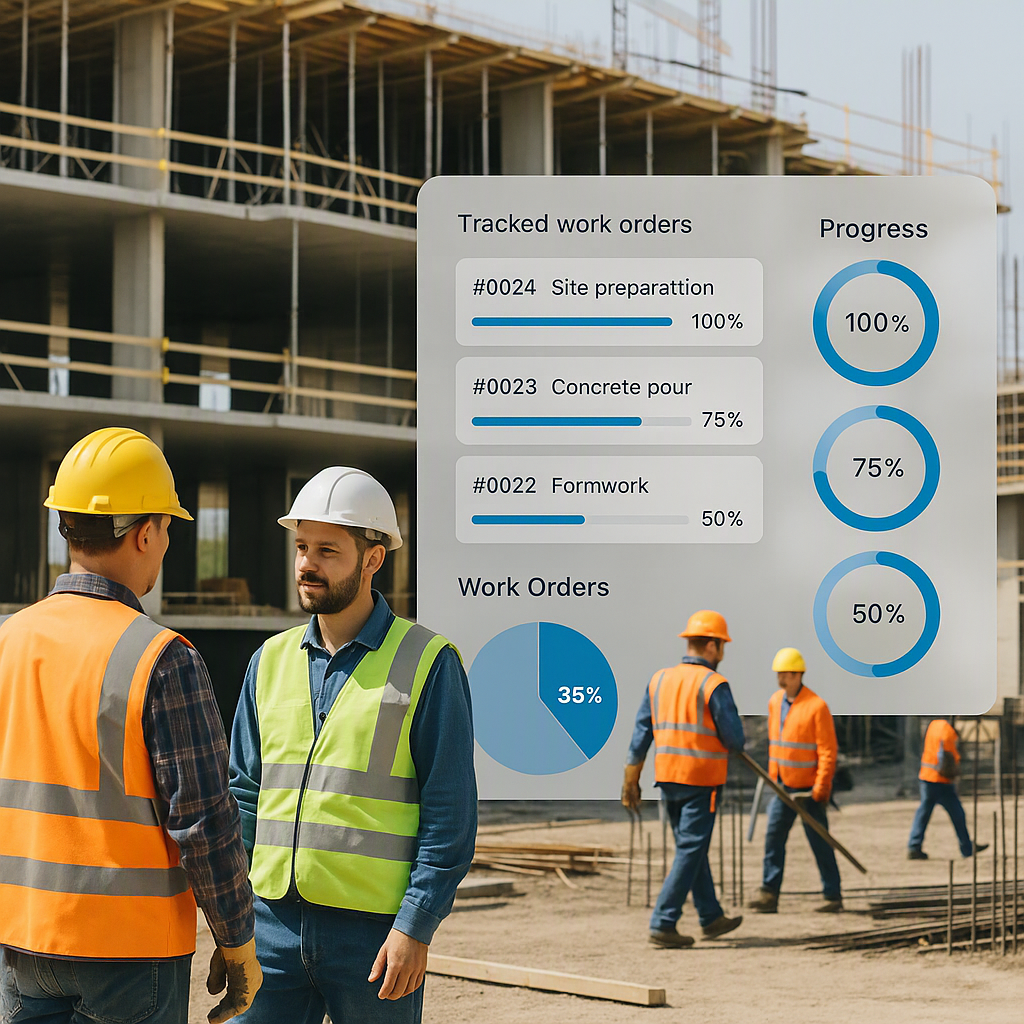
- The Fix: On-site progress is logged against pre-approved measurements. For instance:
- If a subcontractor claims 40% completion, it’s verified against the BOQ’s quantifiable metrics (e.g., cubic meters of concrete poured).
Actionable Step: Train site engineers to use measurable benchmarks for progress tracking. Use tools like digital measuring devices or simple spreadsheets to log daily updates.
3. Digital Procurement Workflows
- The Problem: Subcontractors inflating material costs or duplicating requisitions.
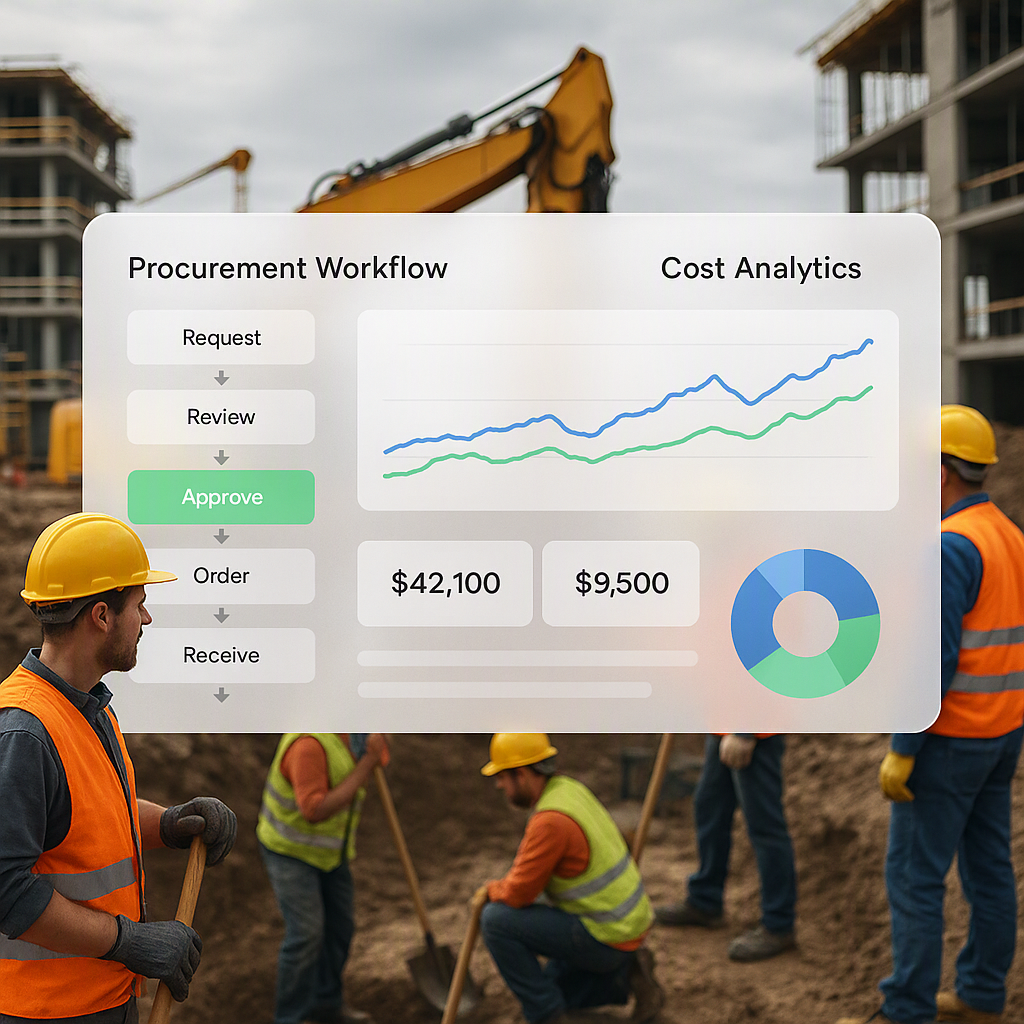
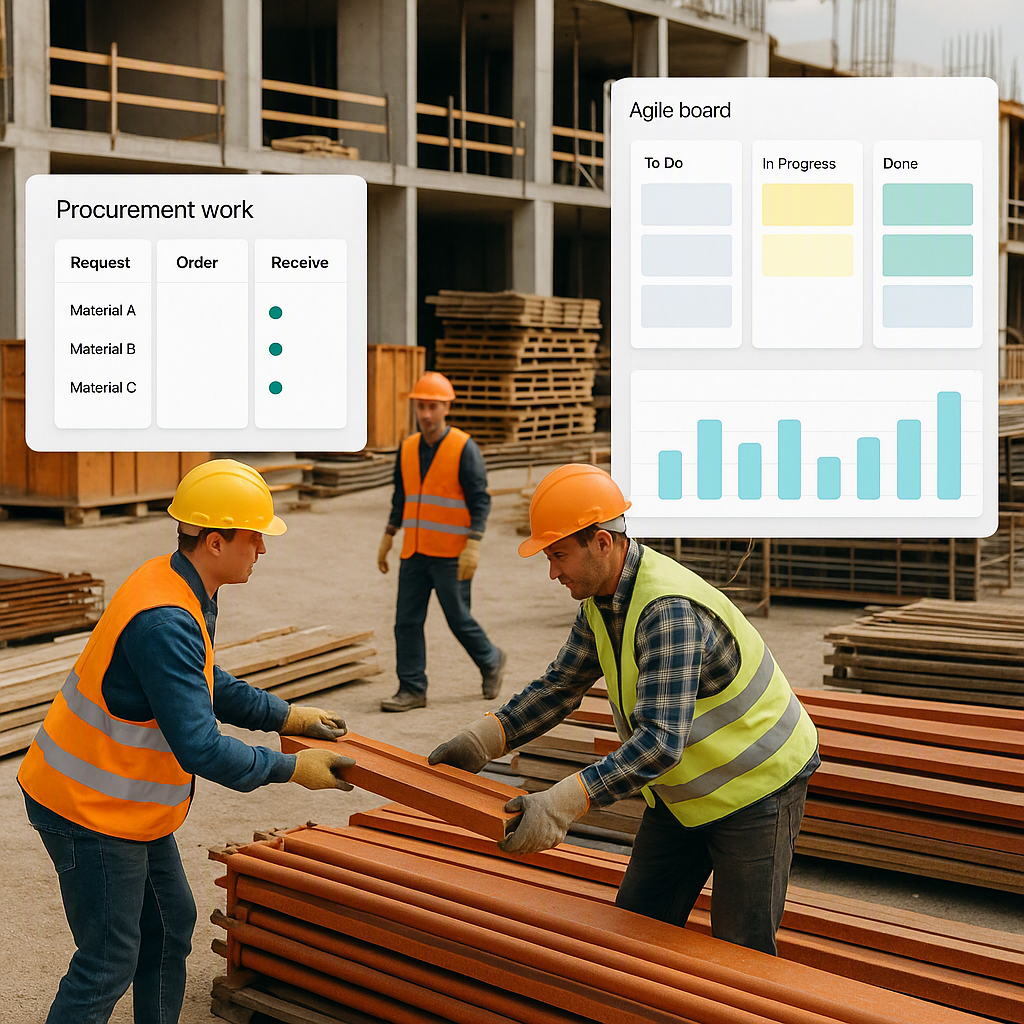
- The Fix: Every material requisition follows an MR → RFQ → PO chain. Offers are logged and compared to ensure transparency. Tools like Excel or ERPs can help standardize this process.
Actionable Step: Start by digitizing one procurement process (e.g., steel procurement). Use structured templates to ensure all RFQs and POs are recorded and auditable.
4. Linked Billing
- The Problem: Subcontractors submitting bills not aligned with actual progress.
- The Fix: Subcontractor bills are tied directly to verified progress reports. If there’s no measurable progress, the bill isn’t approved.
Actionable Step: Implement a simple rule: no bill is processed until the site engineer confirms progress. This ensures alignment between work completed and payments made.
5. Centralized Dashboards
- The Problem: Lack of visibility into project data.
- The Fix: Tools like ProjectsNext (or any construction ERP) allow real-time tracking of:
- Work orders
- Approvals
- Costs and overruns
Actionable Step: Use a centralized platform to track project milestones, costs, and subcontractor performance. Even a basic shared Google Sheet can help if ERPs are out of budget.
This article from ProjectsNext dives deeper into how disconnected workflows lead to cost issues.
What It Cost Me to Be Wrong
Ignoring structured tracking cost us lakhs. Here are just two examples:
- On one project, we absorbed ₹12 lakh in overruns because the subcontractor billed for materials twice. There was no proper system to catch the duplication.
- On another project, we missed ₹7 lakh in labor overcharges because approvals were verbal, and no one cross-checked site progress against billing.
These weren’t malicious errors. They were the result of chaotic processes.
Lessons Learned:
- Structure doesn’t slow you down—it protects you.
- Even small inefficiencies compound over time.
FAQ: Common Questions About Subcontractor Cost Control
1. How do I convince my team to adopt structured workflows?
Start small. Implement one workflow (e.g., material requisitions) and show the results. People are more likely to adapt when they see tangible improvements.
2. Isn’t digital procurement expensive?
Not necessarily. Tools like Excel, Google Sheets, or low-cost project management software can get you started. If your budget allows, ERPs like ProjectsNext can offer scalable solutions.
3. What if subcontractors resist these changes?
Transparency benefits subcontractors too. Clear scopes, linked payments, and measurable progress reduce disputes and ensure timely payments, which builds trust.
4. How do I handle resistance on-site?
Train your site engineers to use the new system. Provide simple, actionable templates for tracking progress and approvals.
5. How do I maintain data accuracy?
Ensure accountability by assigning specific team members to input and verify data. Regular audits can also catch errors.
Decision Framework: Should You Implement Structured Workflows?
| Question | If Yes | If No |
|---|---|---|
| Are subcontractor costs consistently over budget? | Structured workflows can help you identify root causes and prevent overruns. | You may still face inefficiencies but will need to address them manually. |
| Do you struggle with tracking site progress? | Measurement-based tracking ensures progress aligns with payments. | Manual tracking may lead to disputes and inefficiencies. |
| Do you deal with multiple subcontractors? | Centralized dashboards simplify oversight across projects. | Manual oversight may suffice for small projects but risks errors. |
| Is your team resistant to change? | Start with one workflow and demonstrate ROI. | You’ll continue operating with existing inefficiencies. |
Still Not Sure?
You might think, “I don’t have time for all this structure.” I get it. But consider this: on a ₹50 lakh subcontract, even a 5% overrun is ₹2.5 lakh. Can you really afford to keep winging it?
If you’re dealing with subcontractor cost overruns, ProjectsNext can help. Get started free →
Learn more at JobNext.ai - Construction ERP