
The Compliance-Driven Reality for Saudi Contractors
If you're running a contracting business in Saudi Arabia, you already know the drill. The Kingdom’s Vision 2030 has introduced a wave of infrastructure projects, but it’s also brought a flood of compliance regulations. From ZATCA e-invoicing mandates to labor Saudization quotas, the administrative burden can feel overwhelming. Miss a compliance requirement, and you’re looking at heavy penalties. But here’s the kicker: compliance problems rarely travel alone. They’re often joined by cost overruns and disjointed project management. Sound familiar?
The Cost of Compliance Gaps
Let’s talk ZATCA e-invoicing. By now, most contractors are implementing Phase 2, requiring real-time integration with the ZATCA system. This isn’t about uploading PDFs anymore; it’s a whole new ballgame. Each invoice must meet specific technical and tax requirements. Forget one minor detail—like incorrect VAT codes—and your invoice can be flagged or rejected outright. Rejected invoices mean delayed payments, which can cascade into larger issues such as missed payrolls, unhappy subcontractors, and stalled projects.
Compliance gaps don’t stop at e-invoicing. Tax Deduction at Source (TDS) and Value-Added Tax (VAT) reporting demand precision. Add labor laws like Saudization, requiring businesses to meet quotas for employing Saudi nationals, and the complexity multiplies. When you’re managing multiple sites across the Kingdom, relying on spreadsheets or disconnected tools can turn these compliance tasks into a logistical nightmare.
Actionable Steps to Close Compliance Gaps:
- Automate E-Invoicing: Use an ERP system that integrates directly with ZATCA for real-time invoicing.
- Centralize Reporting: Consolidate tax and compliance data into a single platform to avoid discrepancies.
- Train Your Team: Ensure your finance and HR teams are well-versed in local regulations to minimize errors.
- Perform Regular Audits: Periodic reviews of compliance processes can help identify and fix issues before they result in penalties.
Cost Tracking Isn’t Optional Anymore
Many contractors lose margins because they only identify cost overruns after they’ve already happened. Think about your last project: how much time did your team spend chasing down cost data—comparing actuals against BOQ (Bill of Quantities) estimates? If the answer is “too much,” you’re not alone. Disconnected systems and siloed teams are often the root cause.
Here’s the problem: when procurement teams, finance departments, and site supervisors operate independently, real-time cost tracking becomes nearly impossible. Site supervisors are typically focused on managing day-to-day project issues rather than feeding financial data back into the system. The result? Cost overruns are noticed too late, leaving little room for corrective action.
Actionable Steps to Improve Cost Tracking:
- Implement a Unified Platform: Choose an ERP system that centralizes procurement, finance, and site management.
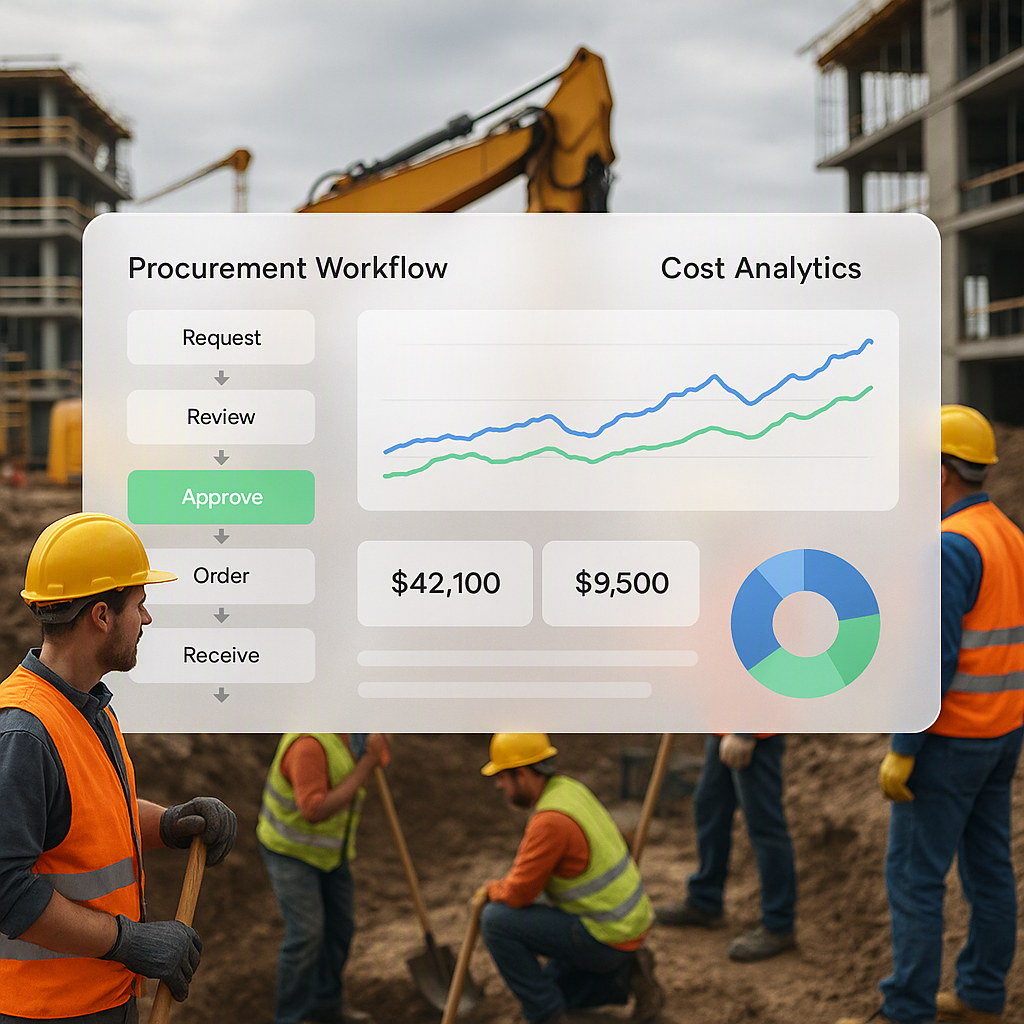
- Set Up Real-Time Dashboards: Use dashboards to monitor cost performance in real time.
- Define Approval Workflows: Include automated workflows for procurement, subcontractor payments, and material purchases to avoid unauthorized spending.
- Schedule Weekly Reviews: Conduct weekly meetings to review cost tracking reports, ensuring alignment across teams.
A Real Solution: Unified ERP for Compliance and Costs
This is where an integrated contractor ERP system like ProjectsNext comes in. Let’s break it down:
Key Features of a Unified ERP:
-
Simplified ZATCA Compliance:
- Automates real-time invoice generation and submission.
- Reduces manual effort and minimizes the risk of rejected invoices.
- Ensures full compliance with Saudi tax regulations, from VAT codes to TDS requirements.
-
Real-Time Cost Tracking:
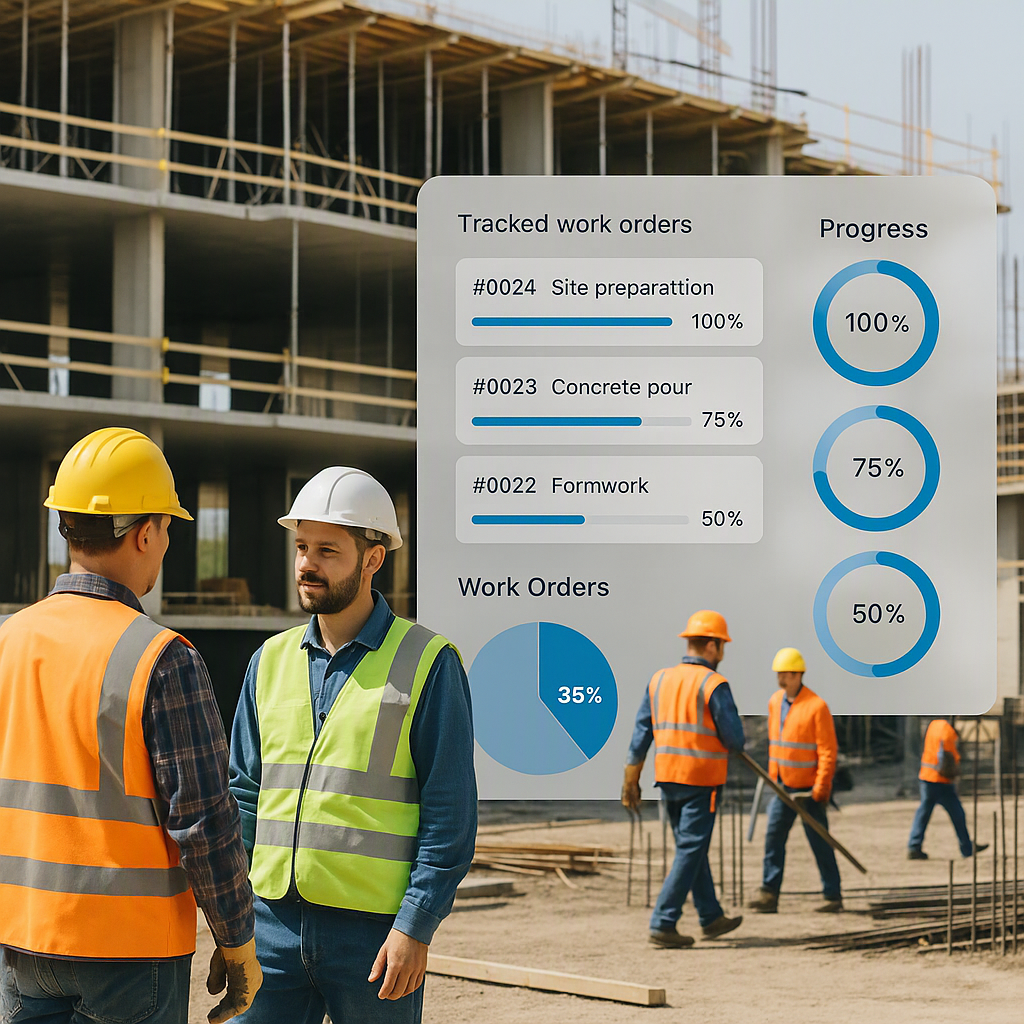
- Tracks project costs against your BOQ in real time.
- Monitors procurement, labor, and subcontractor expenses in one centralized system.
- Alerts you to cost overruns as they occur, not weeks later.
-
HR and Labor Law Compliance:
- Automates Saudization quota tracking and reporting.
- Provides efficient labor allocation across multiple sites.
- Ensures payroll and attendance records are always audit-ready.
Decision Framework: Do You Need an ERP?
| Question | If Yes | If No |
|---|---|---|
| Are compliance penalties a recurring issue? | Implement an ERP to automate and centralize processes. | Manual systems may suffice but require constant vigilance. |
| Do you struggle with cost overruns? | Use an ERP to track costs in real time and identify overruns early. | Ensure tight manual processes and regular team communication. |
| Is managing Saudization quotas a headache? | Automate labor tracking and quota reporting to meet legal requirements efficiently. | If quotas are simple, manual tracking could work but may not scale. |
| Are your teams using disconnected tools? | A unified ERP eliminates silos and enhances cross-team collaboration. | Consider integrating existing tools to improve communication. |
| Do you manage multiple sites or projects? | An ERP provides centralized control for complex, multi-site operations. | For small-scale projects, manual methods may still work with less overhead. |
Why This Matters Now
The construction landscape in Saudi Arabia is booming, but it’s also unforgiving. Margins are razor-thin, and the competition is fierce. If you’re not on top of compliance and cost management, you’re playing with fire. And let’s face it, the days of managing projects with spreadsheets and siloed tools are over.
A recent blog post by ProjectsNext highlighted how poorly planned procurement strategies contributed to a significant surge in construction costs. It’s a cautionary tale for Saudi contractors, where the stakes are even higher due to stringent compliance requirements and the scale of projects under Vision 2030.
Common Mistakes to Avoid
- Ignoring Real-Time Updates: If your system doesn’t offer real-time tracking, you’re flying blind.
- Relying on Disconnected Tools: Stop juggling Excel sheets and WhatsApp groups for project management. It’s a recipe for disaster.
- Underestimating Compliance Risks: Thinking you can “fix it later” will cost you. Penalties in KSA are no joke.
- Skipping Approval Workflows: Unchecked procurement or subcontractor changes can blow up your budget fast. Automate this.
FAQ
1. What is ZATCA e-invoicing? ZATCA e-invoicing is a Saudi regulation requiring contractors to issue electronic invoices that integrate with the government’s tax system in real time. It aims to reduce tax evasion and improve fiscal transparency.
2. How can an ERP help with Saudization compliance? An ERP can automate labor tracking and reporting, helping you meet the required Saudization quotas without manual effort. It ensures compliance and helps allocate labor resources effectively.
3. What about subcontractor cost overruns? An ERP with measurement-based progress tracking and payment controls ensures you only pay for work completed, reducing the risk of cost overruns.
4. Can this ERP work for small contractors? Yes, many small contractors benefit from using systems like ProjectsNext to manage compliance, cost, and project execution more efficiently. Scalable solutions are available to fit smaller budgets.
5. How do I know if an ERP is ZATCA-compliant? Your ERP provider should explicitly confirm compliance with ZATCA regulations and offer support for real-time e-invoicing integrations. Request documentation or demos to verify.
If compliance and cost tracking are keeping you up at night, ProjectsNext is built for contractors like you. Start solving your challenges today. Get started free →
Learn more at JobNext.ai - Construction ERP