
BOQ vs Actual Cost: Why It’s a Contractor’s Nightmare
Ever priced a project perfectly on paper, only to watch your margins evaporate on-site? You’re not alone. One of the biggest headaches contractors face is the gap between BOQ (Bill of Quantities) estimates and actual costs. That gap? It’s where your profits go to die.
Let’s break this down. A BOQ is the foundation of your project budget. It’s supposed to be a detailed, itemized estimate of quantities and rates. But no matter how meticulous you are, things go sideways during execution. Material wastage, scope creep, unaccounted labor hours — all these eat into your profits.
The result? By the time you’re halfway through the project, you’re already in the red. Not because you underbid, but because you couldn’t track actual costs against your BOQ in real time.
The Real Cost of Guesswork
When you’re operating without real-time tracking, you’re flying blind. It’s like trying to steer a ship without a compass. Sure, you’ll get somewhere — but it’s probably not where you intended.
Here’s what typically happens:
- Manual Tracking Fails: Most contractors rely on spreadsheets or even WhatsApp messages to track costs. These methods are prone to calculation errors, missing updates, and version mismatches.
- Approval Delays: Material requisitions and purchase orders often get stuck in approval loops, delaying procurement. This can lead to last-minute purchases at premium prices.
- Scope Changes Get Lost: On-site changes due to client demands or unforeseen conditions aren’t reflected in the BOQ. This means you’re billing for one thing but paying for something entirely different.
- Subcontractor Overruns: Without strict measurement and verification of completed work, subcontractor payments often exceed your estimates, further eating into your margins.
Why This Happens
The root cause of these problems is the lack of integration between your planning (BOQ) and execution (actual costs). When these systems don’t "talk" to each other, you’re left patching together fragmented data — and losing money in the process.
To illustrate, imagine you’re managing a project where the BOQ estimates 1,000 cubic meters of concrete. Now, let’s say your subcontractor pours 1,200 cubic meters due to design adjustments on-site. If this isn’t reflected in your cost tracking, you’ll end up paying for those 200 extra cubic meters without invoicing your client for the additional expense.
The result? A profit margin that’s rapidly disappearing.
The Fix: Real-Time Cost Tracking
The solution isn’t rocket science. It’s real-time tracking of your project costs against your BOQ estimates. You need to know, at any given moment, whether you’re on track, over budget, or (rarely) under budget.
How Real-Time Tracking Works
Here’s how you can implement real-time cost tracking in your projects:
- Centralize Your Data: Use a system that connects your BOQ, procurement, and actual site data. This eliminates manual errors and ensures everyone works off the same numbers.
- Automate Cost Tracking: Set up workflows where every material requisition, subcontractor payment, or labor expense is automatically logged and compared to your BOQ.
- Flag Overruns Early: Get alerts when actual costs exceed estimates for any BOQ line item. This gives you time to evaluate the situation and course-correct before it’s too late.
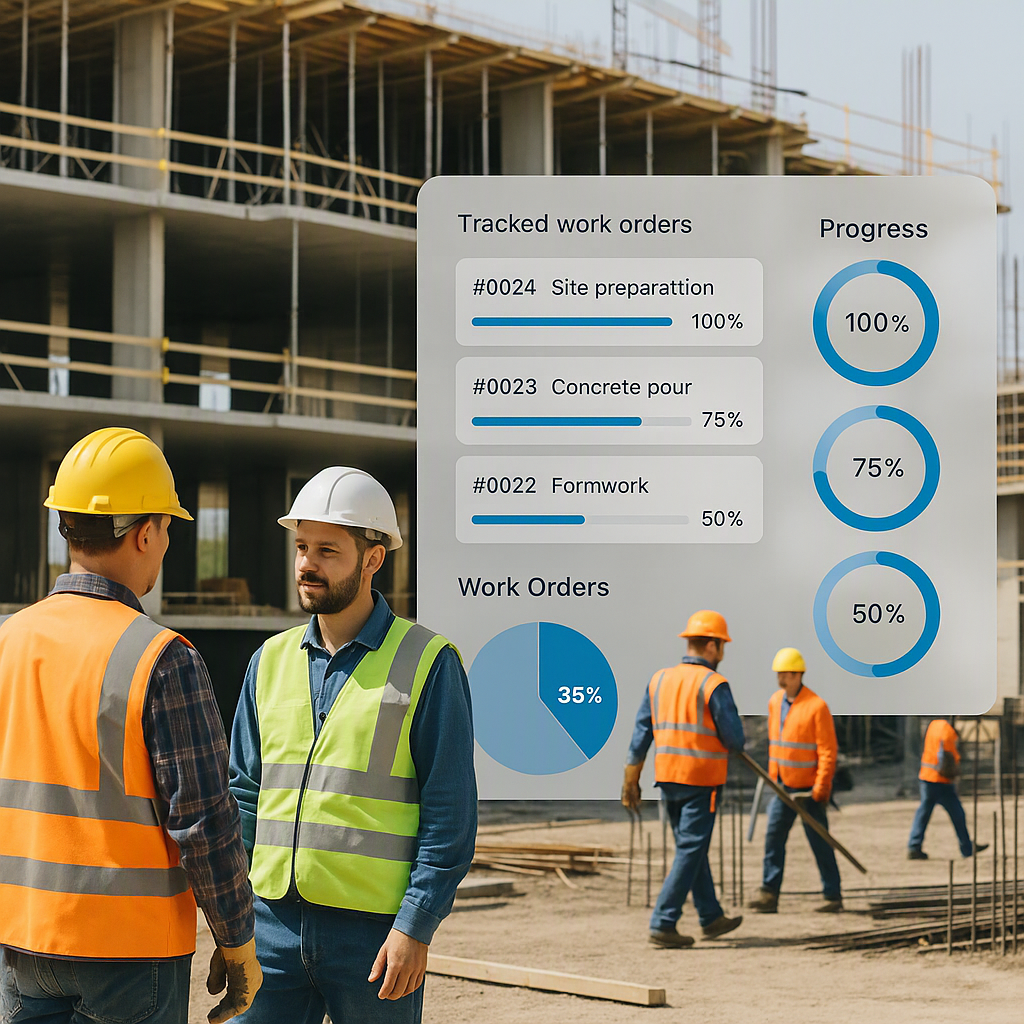
- Enable Real-Time Reporting: Ensure your team has access to dashboards and reports that update in real time. This makes it easier to spot trends and make informed decisions.
Tools That Can Help
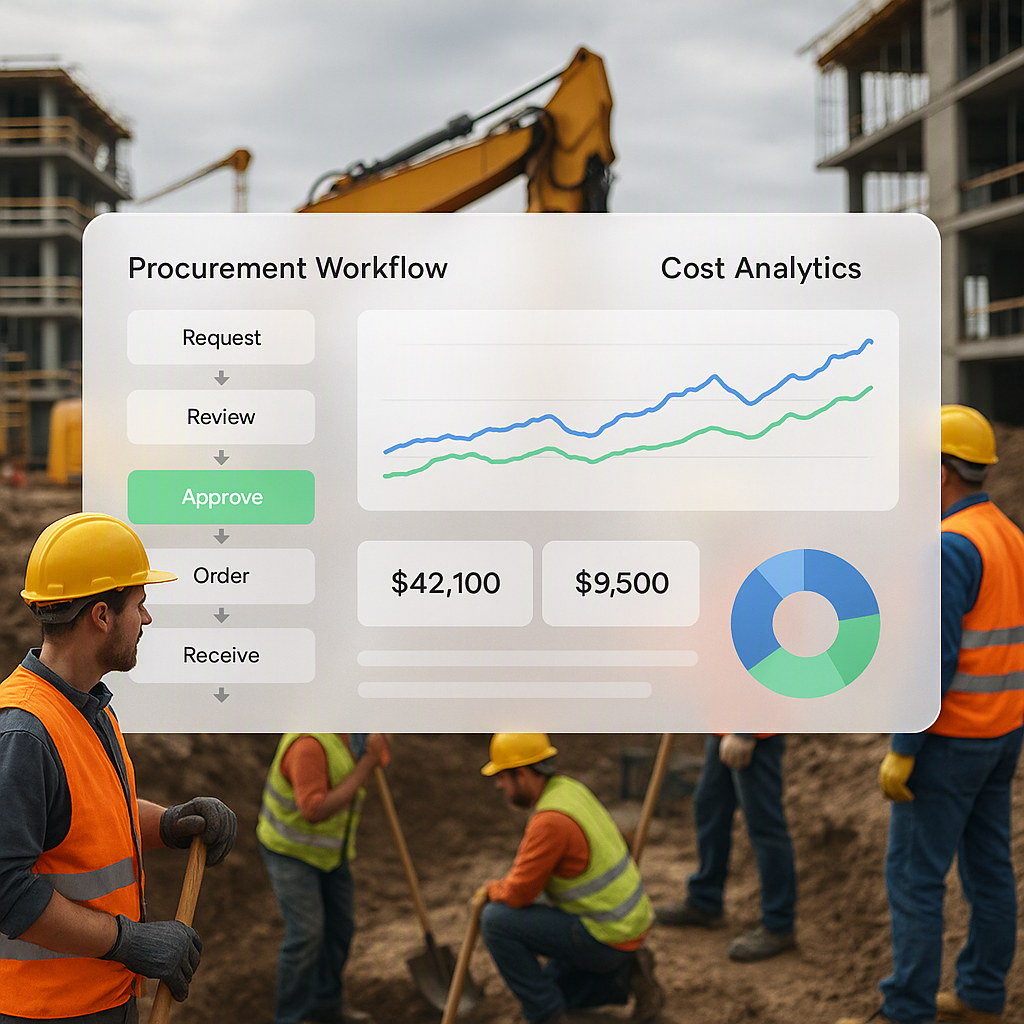
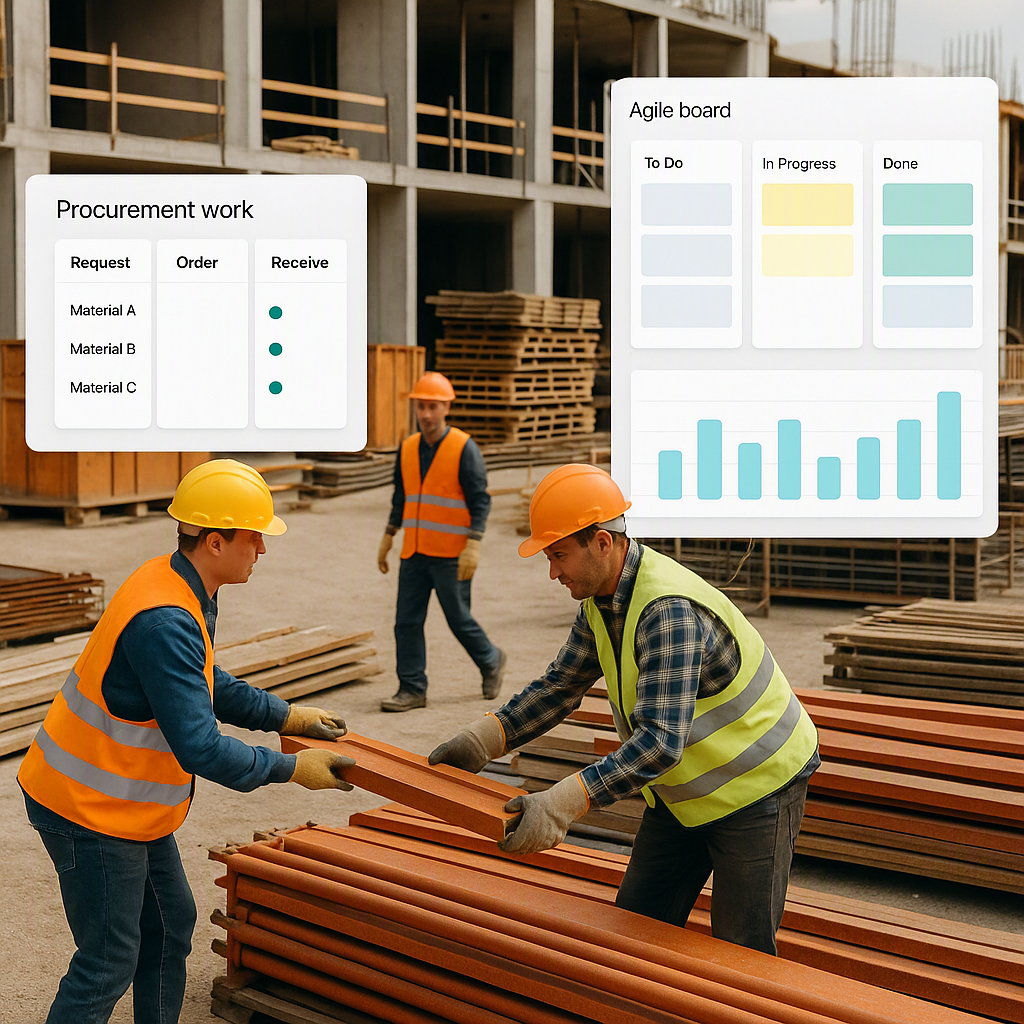
Several tools can help you track costs in real time. For example, ProjectsNext integrates your BOQ, procurement, and on-site data into a single system. It automates workflows (e.g., MR → RFQ → PO) and flags variances immediately, so you’re never caught off guard.
A Practical Example: Procurement Done Right
Let’s break this down with a specific scenario:
- BOQ Estimate: 500 bags of cement at ₹350 per bag.
- Material Request (MR): You issue an MR for 500 bags of cement.
- Purchase Order (PO): The vendor quotes ₹370 per bag due to market fluctuations.
If you’re using a real-time tracking system, it flags the ₹20/bag variance immediately, showing a ₹10,000 overrun on this line item. You now have actionable options:
- Negotiate with the Vendor: Use market data to push for a better rate or explore alternate suppliers.
- Adjust Your Budget: Update your BOQ and communicate the cost impact to your client, ensuring transparency.
- Optimize Procurement: Order in bulk or adjust your procurement schedule to lock in better rates.
Without real-time tracking, you might only discover this variance after the project ends — when it’s too late to take corrective action.
Common Mistakes to Avoid
- Ignoring Variance Alerts: If your system flags a cost overrun, don’t ignore it. Investigate immediately and take corrective action.
- Not Updating the BOQ: When scope changes happen, update your BOQ to reflect the new quantities and rates. This ensures your tracking remains accurate.
- Skipping Approvals: Fast-tracking purchases without proper approvals might save time, but it’ll cost you later in untracked expenses.
- Relying on Spreadsheets: Spreadsheets are error-prone and don’t update in real time. A dedicated system is far more reliable and efficient.
BOQ vs Actual Cost: Comparison Table
| Aspect | BOQ | Actual Cost |
|---|---|---|
| Definition | Estimated quantities and rates for a project. | The real expenses incurred during execution. |
| Based On | Project plans and assumptions. | Actual site conditions and market fluctuations. |
| Key Challenge | Accuracy depends on assumptions. | Capturing and reconciling real-time data. |
| Tracking Method | Typically static and manual. | Requires real-time updates and automation. |
| Impact on Margins | Errors in BOQ lead to incorrect bidding. | Untracked costs erode profits during execution. |
FAQ
1. What’s the difference between a BOQ and a budget?
A BOQ is an itemized estimate of quantities and costs, while a budget is your overall financial plan for the project. The BOQ feeds into the budget but doesn’t account for unexpected expenses like design changes or delays.
2. How often should I track costs?
Daily, if possible. Real-time tracking is even better, as it helps you catch issues the moment they arise. Delayed tracking often results in missed opportunities to correct cost overruns.
3. Can I use a spreadsheet for this?
You can, but it’s far from ideal. Spreadsheets are prone to errors, lack real-time updates, and don’t integrate with procurement or on-site data. A dedicated project management tool is more reliable.
4. What’s the biggest cause of margin erosion in construction projects?
Inconsistent data. When your BOQ, procurement, and actual site costs don’t align, you’re left scrambling to reconcile numbers — often at the expense of your margins.
5. How does real-time tracking work in ProjectsNext?
ProjectsNext connects your BOQ, procurement, and site data in one system. It automatically logs every cost against your BOQ, flags variances, and provides actionable insights to keep your project on track.
Final Thoughts
BOQ vs actual cost discrepancies are one of the biggest profit killers for contractors. But they don’t have to be. With real-time tracking, structured workflows, and the right tools, you can protect your margins and keep your projects profitable.
If you’re tired of losing money to the BOQ black hole, ProjectsNext can help. Get started free →
Learn more at JobNext.ai - Construction ERP