Multi-Site Project Visibility: How One Dashboard Solves the Chaos
Why Multi-Site Visibility Matters
If you're running construction, MEP, HVAC, fire protection, plumbing, interiors, or EPC projects across multiple sites in India or the GCC (UAE, Saudi Arabia, Qatar, Oman, Bahrain, Kuwait), you know the drill: site managers calling for materials, subcontractors chasing payments, finance teams struggling to reconcile numbers from different locations. It's a headache. And it costs money — delays, errors, and inefficiencies pile up fast.
The challenge? A lack of real-time visibility. When you can't see what's happening across your projects, you end up reacting instead of managing. Missed progress updates, unexpected cost overruns, and revenue leakage in billing are just a few symptoms of this problem.
The Old Way: Spreadsheets and Separate Tools
Most small and mid-size contractors and allied trades professionals I’ve worked with rely on spreadsheets, WhatsApp, and disconnected tools to manage their projects. It seems fine at first. But as you scale — 10 sites, 20, 30 — the cracks appear.
Here’s a common scenario:
- Site A orders materials, but procurement doesn’t process the PO for three days because no one informed them.
- Site B misreports progress, and subcontractor payments are delayed, stalling work.
- Finance can’t reconcile site-wise profitability because costs and billing data sit in separate systems.
Sound familiar? You’re not alone. According to a 2023 Deloitte report, 68% of mid-size contractors struggle with project visibility due to fragmented systems.
One Dashboard: The Practical Fix
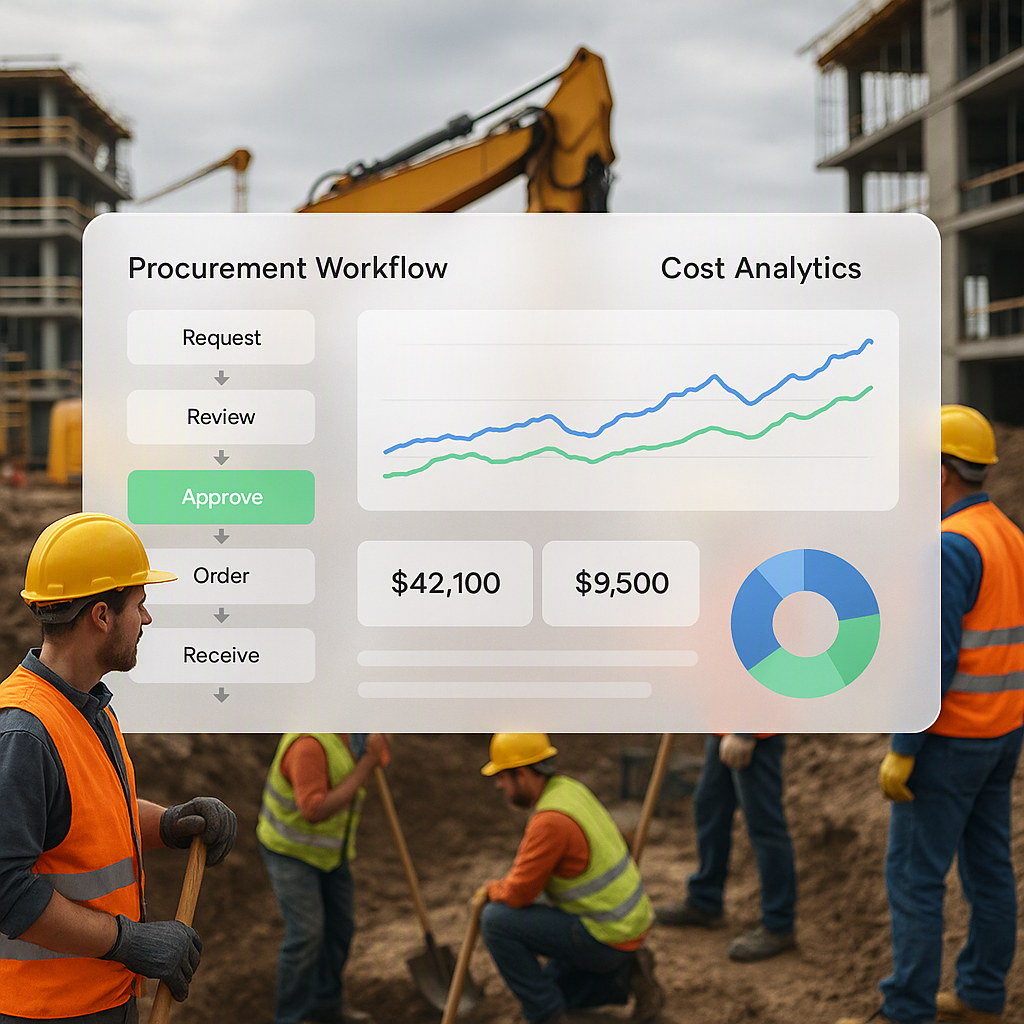
What if you could see everything — materials, progress, costs, and billing status — for all your sites on one screen? That’s exactly what modern ERPs like JobNext offer.
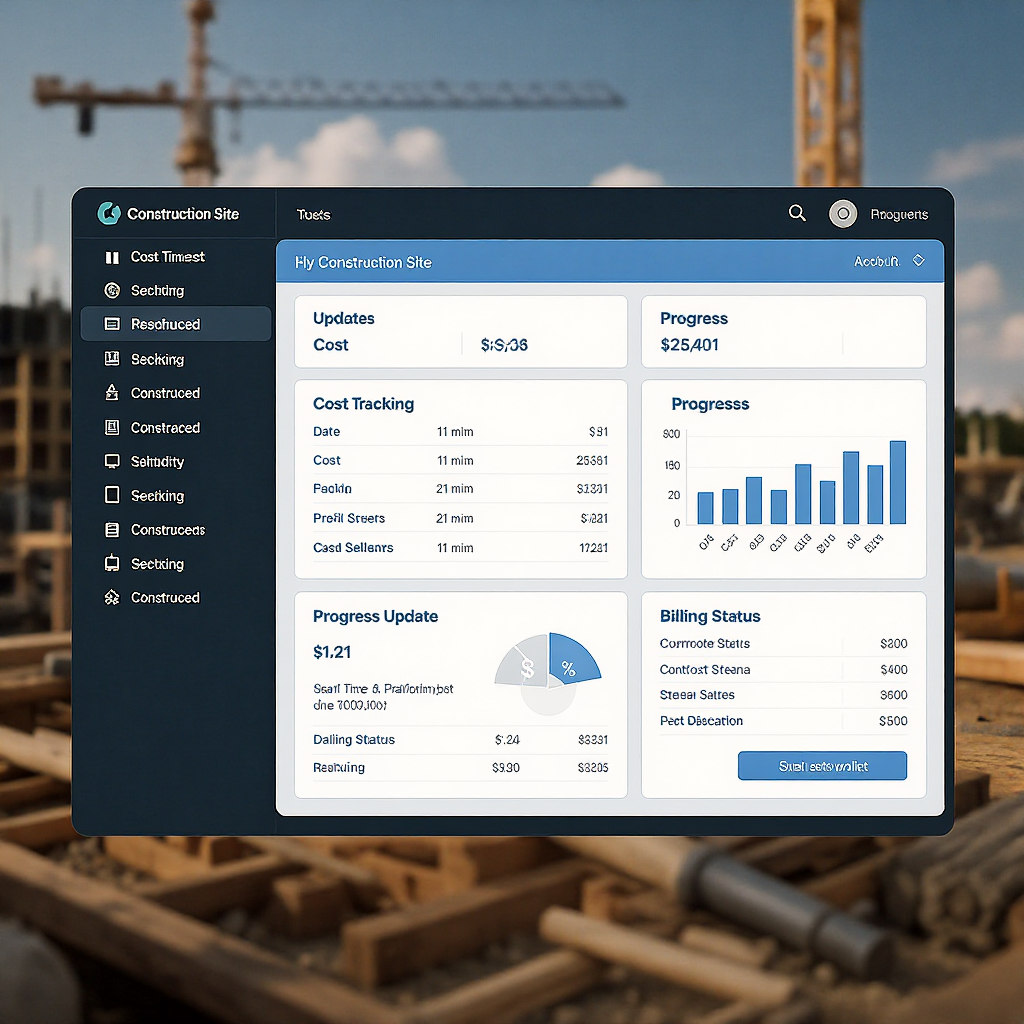
Take the Projects Dashboard in JobNext, for example. It consolidates real-time data across:
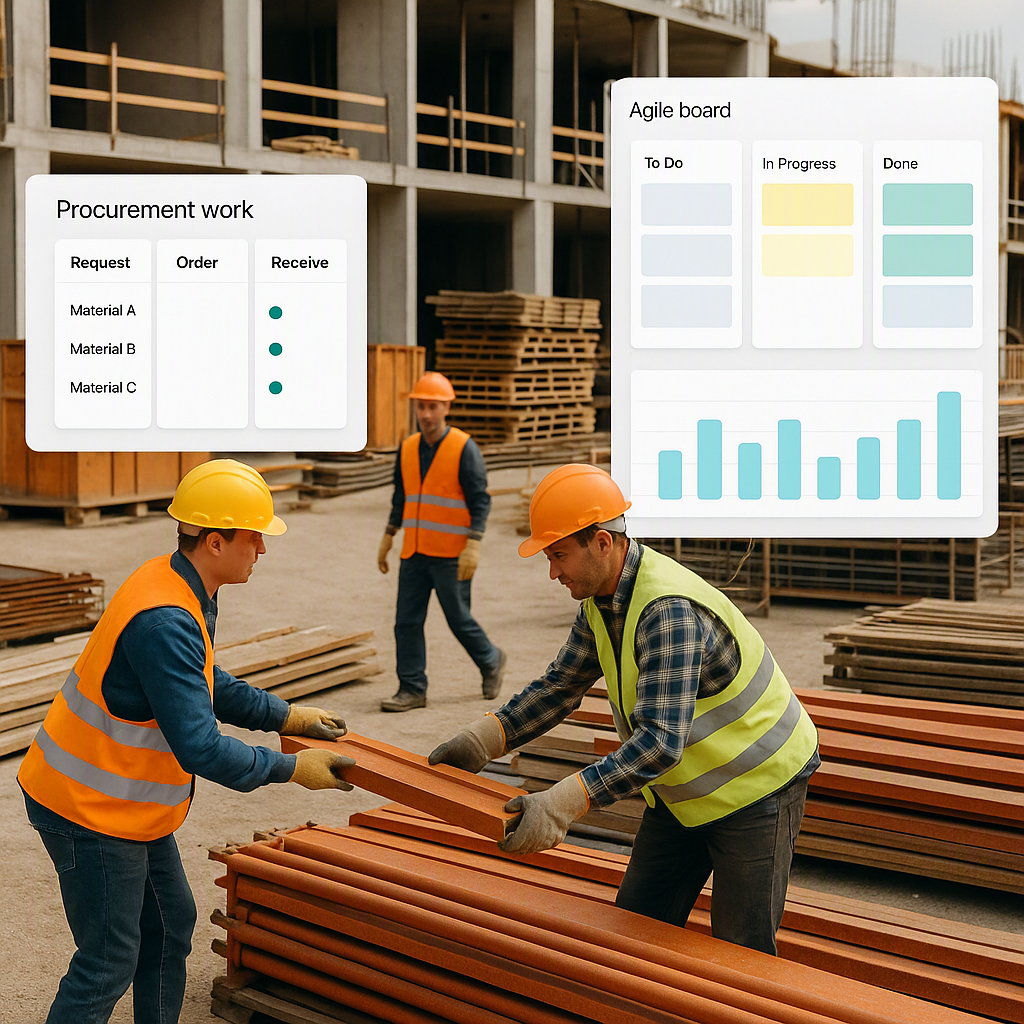
- Material Requests: See pending MRs, approved POs, and delivery timelines.
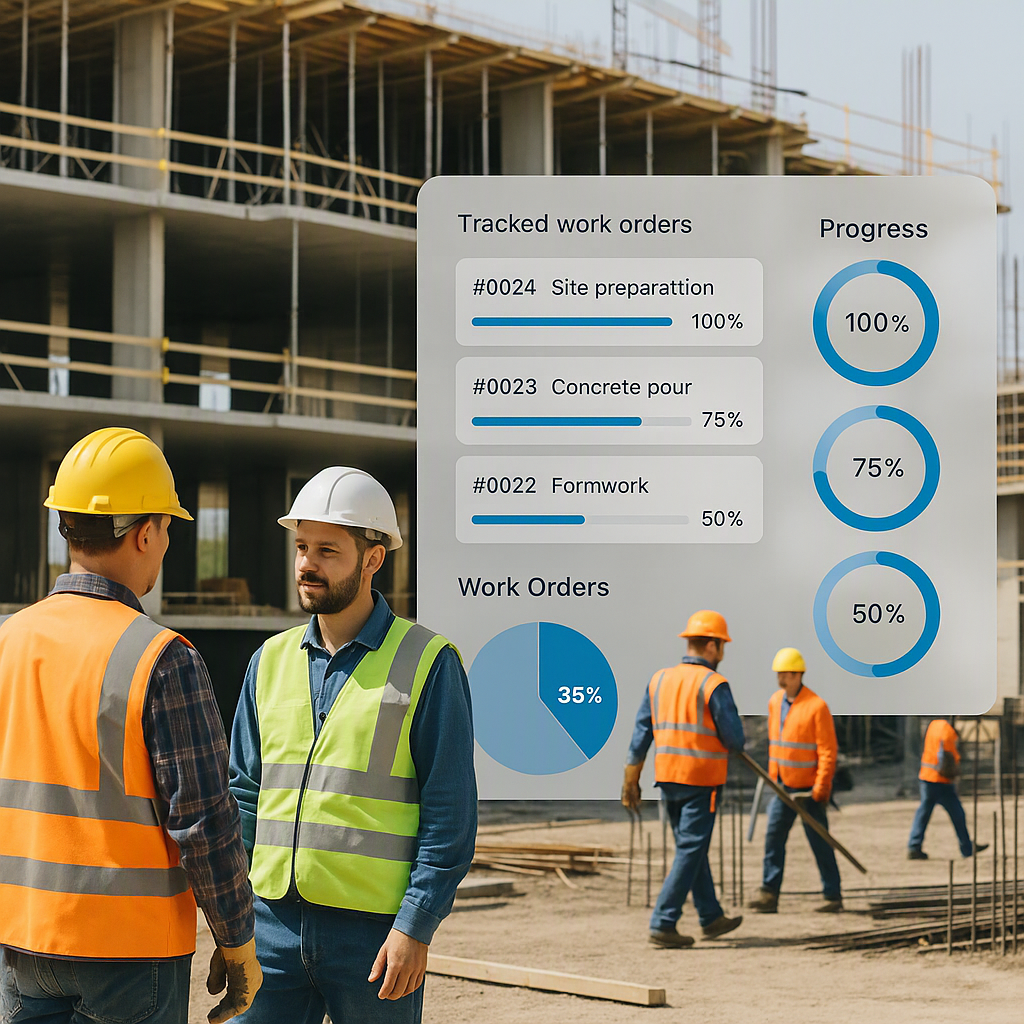
- Progress Updates: Track subcontractor measurements and completed milestones.
- Cost Tracking: Compare actual costs against BOQs and budgets, site by site.
- Billing Status: Monitor submitted and approved RA Bills, so revenue doesn’t fall through the cracks.
Instead of chasing updates or juggling spreadsheets, you have all the data centralized. It’s not just convenient — it’s transformative. Companies using unified dashboards report 30% faster decision-making and 20% fewer cost overruns, per a McKinsey study.
Case in Point: Al Nab’a Services
Al Nab’a Services, a 6,000-employee FM company in Oman, struggled with visibility across their 1,200+ sites. Before implementing an ERP, their payroll cycle took 21 days, and contract tracking required a 5-person team. After switching to a unified platform, they now manage everything — attendance, payroll, contracts — in one system. Their story is detailed in How a 6,000-Employee Facilities Management Company Transformed Operations in 12 Months.
Why Real-Time Matters
You might be thinking, “We already get updates from our site teams, so why invest in an ERP?” Here’s the problem: manual updates are slow — often days late. By the time you know there’s a problem, it’s too late to fix it.
Real-time dashboards close that gap. With JobNext, for instance, site managers can update progress and costs directly from their phones. Finance and procurement teams see those changes instantly. No delays. No crossed wires.
The Bottom Line
Contractors and allied trades professionals running multi-site operations across India and the GCC can’t afford to operate blind. A unified dashboard isn’t a luxury — it’s a necessity. Whether it’s tracking materials, managing subcontractors, or ensuring accurate billing, systems like JobNext keep you in control.
Want to dig deeper into how unified platforms can reduce chaos? Check out The Hidden Cost of Tool Fragmentation: Why Contractors Need Unified Platforms.
Learn more at JobNext.ai - Construction ERP