
Why Material Procurement Eats Margins
Ask any contractor where their margins go, and you'll hear the same culprits: overruns, wastage, and vendor delays. But most forget the root issue—poor procurement planning. Materials account for 60-70% of project costs on average (source). If you're not controlling it, you're hemorrhaging money.
The biggest problem? Disconnected systems and manual chaos. Too many contractors still juggle WhatsApp messages, Excel sheets, and frantic phone calls to track material orders. It's a recipe for double orders, missed deliveries, and strained vendor relationships.
Here’s how to fix it.
Step 1: Structure Your RFQ Workflow
Most contractors skip this step. They call their favorite vendor, get a quote, and move on. But without structured Request for Quotation (RFQ) workflows, you're leaving money on the table.
A well-structured RFQ process looks like this:
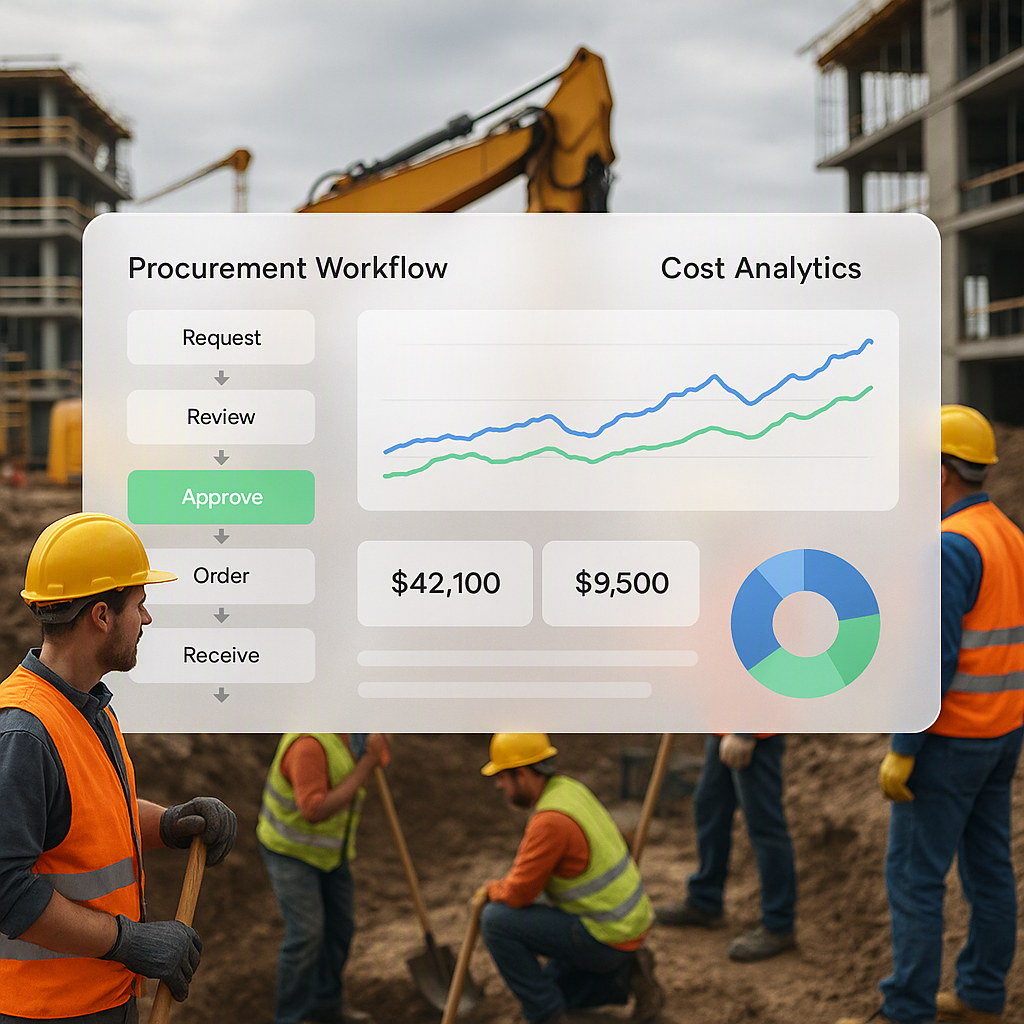
- Material Requisition (MR): Site teams raise a request with detailed specifications, including quantity, quality, and delivery timeline.
- RFQ Generation: The procurement team sends the MR to multiple vendors, ensuring they get competitive quotes.
- Vendor Offer Comparison: Quotes come back and are compared line-by-line, considering not just price but also delivery terms, taxes, and hidden costs.
- Approval Workflow: Decision-makers review and approve the best offer before issuing a purchase order (PO).
Why This Matters
Vendors price differently based on volume, timing, and market conditions. Without a structured workflow, you’re prone to making decisions based on incomplete or misleading data. A good RFQ process ensures you’re comparing apples to apples, minimizing errors and maximizing savings.
Actionable Steps to Improve RFQ Workflows
- Standardize Templates: Use consistent templates for material requisitions and RFQs. This ensures all vendors receive the same information, reducing confusion.
- Set Deadlines: Give vendors a clear deadline for submitting quotes. Late submissions add unnecessary delays.
- Document Everything: Keep a record of all communications and quotes for accountability and future reference.
Example: Comparing Quotes the Right Way
Imagine you’re sourcing 10,000 bricks. Vendor A quotes ₹8 each, ex-yard, while Vendor B quotes ₹8.5, including delivery. Without considering transport costs, you might assume Vendor A is cheaper. However, when you factor in delivery costs, Vendor B could be the better deal. A structured RFQ process ensures you make these comparisons transparently.
Tools like ProjectsNext simplify this by letting you generate RFQs directly from material requisitions, track incoming offers, and standardize comparisons. This reduces human error and ensures accountability.
Step 2: Lock Down Delivery Schedules
Ever had a project stall because rebar didn’t show up on time? Late deliveries don’t just delay timelines—they also drive up labor costs. Workers sit idle, subcontractors demand extensions, and you’re left scrambling to recover.
To avoid this, synchronize your material delivery schedules with your project timeline. Specify delivery dates in every purchase order and include penalties for delays. But don’t stop there—track every delivery in real time to ensure vendors stick to commitments.
Practical Steps to Align Deliveries
- Include Delivery Terms in POs: Always specify delivery dates, times, and locations in your purchase orders. Include clauses for penalties in case of delays.
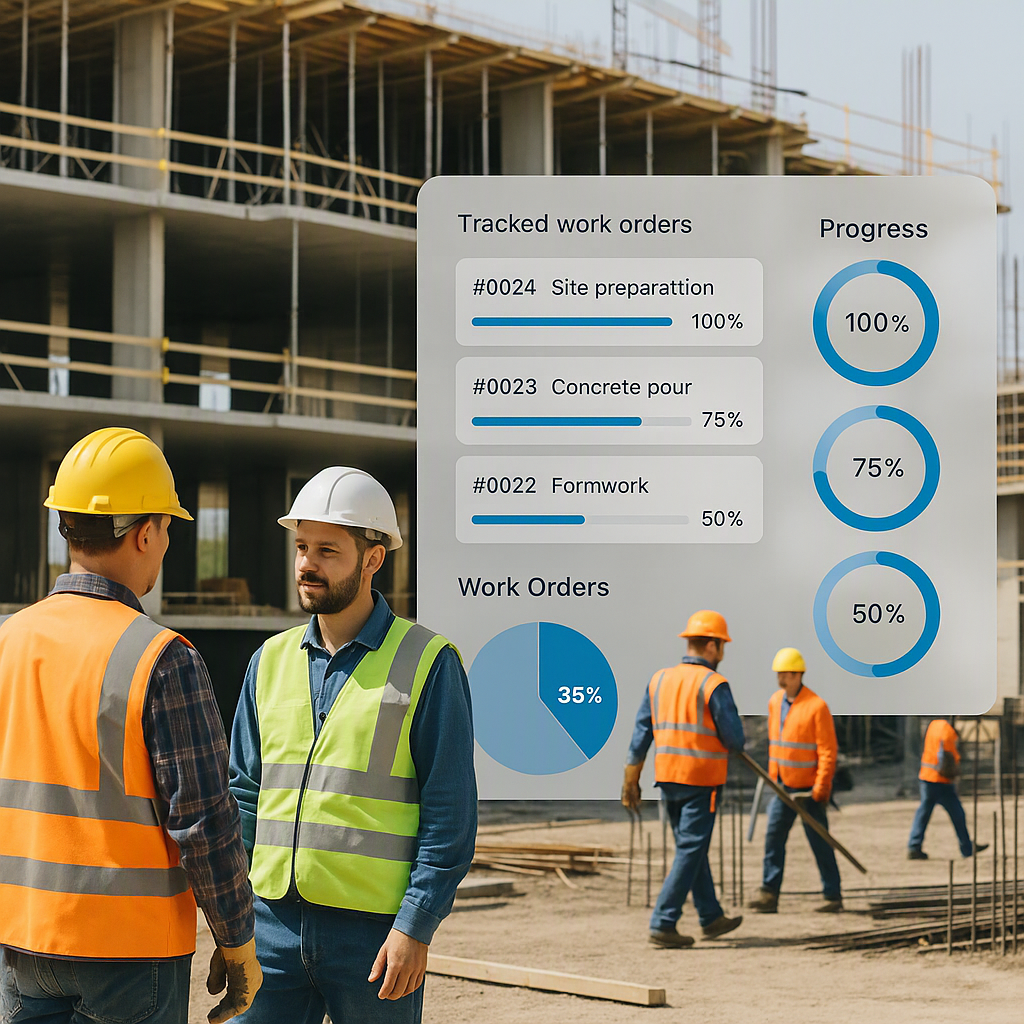
- Track Deliveries: Use software to monitor when materials are dispatched and when they arrive. Real-time updates help you catch delays early.
- Buffer for Delays: Build a small buffer into your delivery schedule to account for unforeseen issues like weather or transportation disruptions.
Tools to Make This Easier
Software like ProjectsNext integrates delivery schedules into your project plan. For example, if rebar is scheduled to arrive on a Wednesday, the system will flag delays and notify both you and the vendor. This gives you time to make alternative arrangements before the site grinds to a halt.
Step 3: Monitor Real-Time Material Costs
Prices fluctuate. Cement, steel, sand—everything depends on market conditions. If you’re not tracking real-time costs, you’re flying blind. You can’t adjust your budget, negotiate effectively, or avoid nasty surprises.
How to Stay on Top of Costs
- Centralize Your Data: Use a tool that integrates procurement, site consumption, and finance. All your data should live in one place.
- Track Variances: Regularly compare actual purchase prices to your BOQ (Bill of Quantities) estimates. This helps you identify cost overruns early.
- Set Alerts: Configure your system to notify you when prices exceed a pre-set threshold. This allows you to act quickly.
For example, if your BOQ estimates steel at ₹55,000/tonne but your vendor quotes ₹60,000, your system should flag the variance. This gives you the opportunity to renegotiate or explore alternative suppliers.
Why It Matters
Without real-time cost tracking, you risk blowing your budget. Staying informed empowers you to make smarter decisions and maintain control over your margins.
Step 4: Build Vendor Relationships
Procurement isn’t just about numbers. Reliable vendors can save you endless headaches. However, many contractors treat vendors as interchangeable, hopping from one to another in search of small savings. This short-term thinking often backfires.
How to Build Better Vendor Relationships
- Communicate Clearly: Share your project schedule and material requirements well in advance. This helps vendors plan their inventory and allocate resources.
- Commit to Repeat Orders: Offer long-term contracts or commit to repeat orders in exchange for better pricing or priority service.
- Pay on Time: Nothing damages a relationship faster than delayed payments. Prompt payments build trust and goodwill.
- Track Performance: Use tools to evaluate vendor performance on metrics like delivery time, quality, and pricing. Reward top performers with more business.
ProjectsNext includes vendor performance tracking, enabling you to make data-driven decisions about who to work with in the future.
Common Mistakes to Avoid
- Skipping Comparisons: Always get multiple quotes. Even trusted vendors shouldn’t get a free pass.
- Ignoring Hidden Costs: Look beyond the headline price. Delivery charges, taxes, and payment terms can significantly impact costs.
- Over-ordering: Use historical data to order just what you need. Excess material ties up capital and storage space.
- Lack of Documentation: Verbal agreements lead to disputes. Always document specs, timelines, and prices.
FAQ
1. What’s the biggest mistake contractors make in procurement?
Many rely on unverified quotes from a single vendor. This limits competition and often results in overspending.
2. How do I handle fluctuating material prices?
Monitor market trends and lock in rates with bulk orders during price dips. Tools that provide real-time cost tracking are invaluable.
3. Should I prioritize price or reliability when choosing vendors?
Both are important, but reliability often saves more money in the long run. Late deliveries and poor-quality materials can cost more than a slightly higher upfront price.
4. How do I avoid over-ordering materials?
Use historical consumption data and accurate BOQs to forecast needs. Tools that track site inventory can also help.
5. Why should I invest in procurement software?
Procurement software centralizes data, reduces manual errors, and provides real-time insights into costs, deliveries, and vendor performance. This leads to better decision-making and higher margins.
Comparison Table: Manual Procurement vs. Automated Procurement
| Feature | Manual Procurement | Automated Procurement |
|---|---|---|
| RFQ Management | Prone to errors, time-consuming | Streamlined, transparent |
| Delivery Tracking | Manual follow-ups | Real-time tracking |
| Cost Monitoring | Reactive, often delayed | Real-time alerts |
| Vendor Performance | Subjective, undocumented | Data-driven, trackable |
| Scalability | Limited | High |
Conclusion
Mastering material procurement isn’t rocket science. It’s about structure, accountability, and real-time data. Tools like ProjectsNext bring all these elements together, ensuring you don’t just stay on budget—you protect your margins.
Struggling with procurement chaos? ProjectsNext can help. →
Learn more at JobNext.ai - Construction ERP