The Hidden Challenge of HVAC Project Costing
If you've managed an HVAC project, you know how quickly costs can spiral out of control. It’s not always the big-ticket items that hurt your margins—it’s the small, cumulative inefficiencies. Untracked material wastage, unclear subcontractor scopes, and labor misallocations can quietly bleed your profits.
So, how do you protect your margins without sacrificing project quality? Let’s break it down with practical strategies.
1. Start with a Detailed BOQ (Bill of Quantities)
A sloppy BOQ is a ticking time bomb for your budget. If your quantities are off, everything else will end up out of sync—procurement, labor, even the project timeline. The BOQ serves as a financial blueprint for your project and is critical to maintaining control over costs.
What to do:
-
Break down the BOQ into smaller segments: Divide your BOQ into detailed work breakdown structures (WBS). For example, instead of just "HVAC installation," break it into specific tasks like ductwork, piping, insulation, and system commissioning. This level of granularity ensures no task is overlooked and aligns your material and labor planning with the project's actual needs.
-
Leverage historical data for accuracy: Use completed project data to benchmark your unit rates and quantities. For instance, if you’ve observed a consistent ductwork wastage rate of 8-10% in past projects, incorporate that into your estimates. If you lack such data now, begin documenting it immediately for future use.
-
Track the BOQ in real-time: Gone are the days when spreadsheets were enough. Modern project management tools allow you to monitor actual usage against your BOQ dynamically. This ensures that any discrepancies between estimated and actual quantities are identified early.
To highlight the importance of real-time BOQ tracking, JobNext.ai explains how such tools prevent margin erosion by offering immediate visibility into cost deviations.
2. Lock in Vendor Rates Early
Material costs often account for a significant portion of HVAC project expenses. With volatile prices for items like copper, steel, and refrigerants, waiting until the last minute to make purchases can destroy your budget.
Here’s the strategy:
-
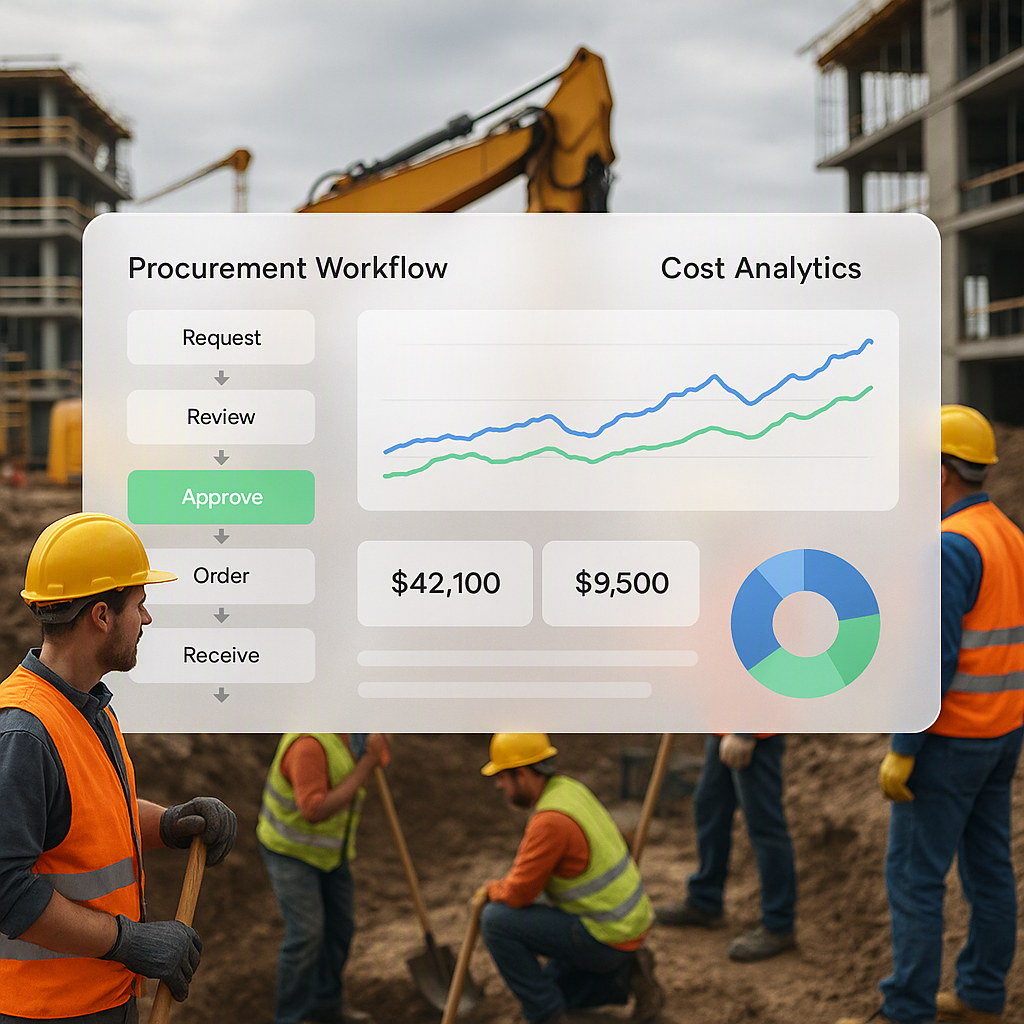
Implement structured procurement workflows: Follow a process like Material Requisition (MR) → Request for Quotation (RFQ) → Purchase Order (PO). This not only streamlines procurement but also ensures competitive pricing by allowing you to compare multiple vendor quotes.
-
Negotiate fixed-price contracts: Whenever possible, lock in material prices with key suppliers. Fixed-rate agreements provide cost stability and protect against sudden market increases. For example, if copper prices rise unexpectedly, your fixed-rate contract ensures your costs remain predictable.
-
Evaluate suppliers comprehensively: Don’t just choose the lowest bidder. While cost is crucial, factors like lead times, quality, and reliability are equally important. A supplier offering a slightly lower price might cost you more if delayed deliveries halt your project.
Centralized procurement systems, such as those offered by platforms like ProjectsNext, simplify this entire process by consolidating RFQs, vendor bids, and POs into one platform. This eliminates the inefficiencies of chasing emails or relying on verbal agreements.
3. Manage Subcontractor Costs with Payment Controls
Subcontractors are essential for HVAC projects but can also be a source of financial headaches. Common issues include scope creep, unapproved variations, and delayed or inaccurate progress tracking.
Best practices:
-
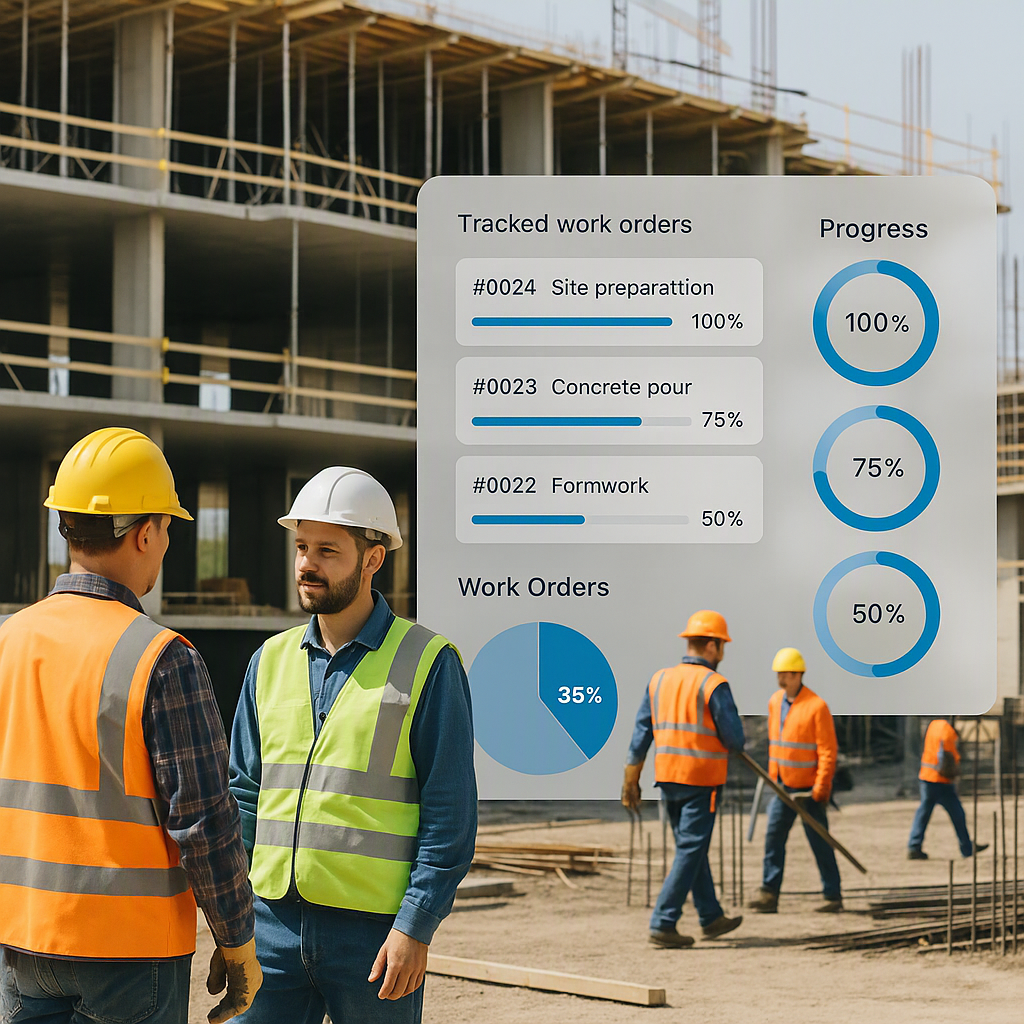
Create highly detailed work orders (WO): Subcontractor agreements should clearly define the scope, deliverables, and payment terms. For example, specify not only "install ductwork" but also the linear meters, materials, and any associated fittings required.
-
Adopt milestone-based payment systems: Link payments to measurable milestones. For example, release 30% of the payment upon completing 50% of ductwork installation. This ensures subcontractors are incentivized to stick to the schedule.
-
Control scope changes: Implement approval workflows for any changes to the subcontractor scope. This avoids unauthorized commitments that could inflate costs.
For more insights, JobNext.ai’s guide offers practical steps for managing subcontractor workflows.
4. Monitor Real-Time Costs, Not Just Budgets
Setting a budget is half the battle; sticking to it is the real challenge. Many contractors only realize they’ve exceeded their budgets after the project is complete, at which point corrective action is impossible.
What you need:
-
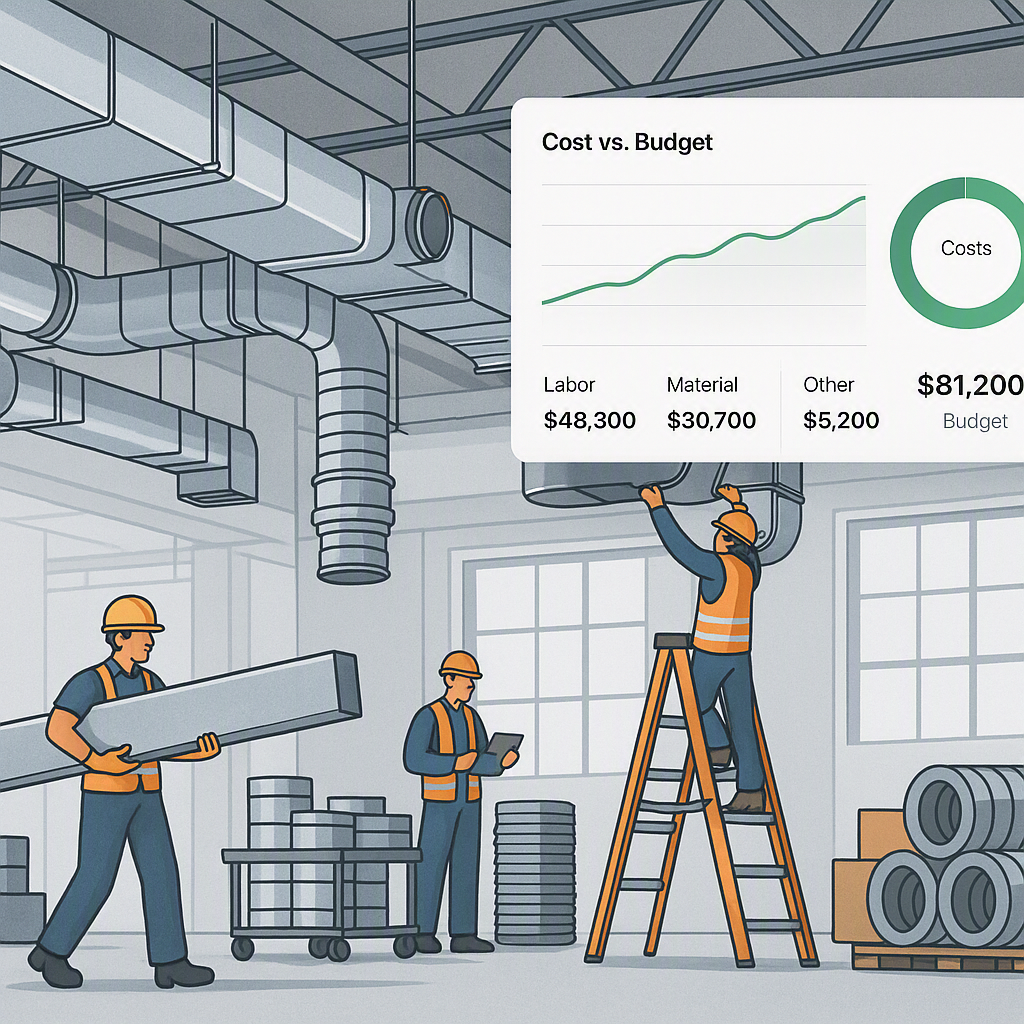
Real-time cost tracking: Use tools that break down costs by project, BOQ item, and cost center. This allows you to pinpoint overspending areas as they occur rather than at the end of the project.
-
Actionable dashboards: Dashboards should highlight variances between estimated and actual costs. For example, if ductwork expenses are exceeding projections, you can investigate and address the issue immediately.
-
Weekly variance analysis: Don’t wait until the end of the project to review costs. Conduct variance analyses weekly to ensure your project remains on track.
ProjectsNext and similar platforms offer over 150 pre-built reports and dashboards to simplify this process. The focus isn’t just data collection but actionable insights that help prevent margin erosion.
5. Don’t Forget Labor Allocation
Labor is one of the most significant cost components in HVAC projects. Poor labor planning can lead to idle time, unnecessary overtime costs, or assigning the wrong workers to tasks they aren’t trained for.
How to fix it:
-
Base labor plans on BOQ data: Use historical data and industry benchmarks to estimate labor needs. For instance, if 500 meters of ductwork typically require 10 man-days, plan your workforce accordingly.
-
Optimize site-specific allocation: Ensure that each site has the right number of workers at the right time. Avoid sending teams to sites where materials haven’t arrived yet.
-
Implement real-time attendance tracking: Geo-tagged attendance systems help ensure workers are on-site and working during paid hours. This eliminates issues like ghost workers or fraudulent overtime claims.
For multi-site operations, an HR management system integrated into your project management software can streamline payroll and ensure compliance with labor laws.
Common Mistakes in HVAC Costing
- Ignoring small costs: Fasteners, duct tape, and fuel may seem minor, but they can add up to significant expenses if not tracked.
- Underestimating change orders: Custom HVAC systems often lead to variations. Always budget for these contingencies.
- Relying on memory: Document everything, from negotiations to approvals. Verbal agreements can lead to disputes and cost overruns.
- Failure to update estimates: Long-running projects can render initial estimates obsolete. Regularly revisit and update your cost projections.
FAQs
1. How do I handle fluctuating material costs? Negotiate fixed-rate contracts with suppliers when possible. For critical items with volatile pricing, include a contingency buffer in your budget based on historical price trends.
2. What’s the most common cause of HVAC project delays? Material procurement delays are a leading cause. Implementing structured workflows like MR → RFQ → PO can mitigate this by ensuring timely delivery.
3. How can I track profitability on multi-site projects? Use real-time dashboards that break down costs by site, project, and BOQ category. This helps you quickly identify problem areas and take corrective action.
4. How do I manage subcontractor payments effectively? Tie subcontractor payments to measurable progress milestones. Only release payments after verifying that specific deliverables have been achieved.
5. How can I improve labor efficiency? Plan labor based on BOQ-driven estimates and use real-time attendance tracking to prevent idle time and unauthorized overtime.
Final Thoughts
HVAC projects don’t need to be a margin nightmare. With detailed upfront planning, structured procurement, and real-time cost tracking, you can protect your profits and avoid unpleasant surprises.
If you’re dealing with margin erosion in your HVAC projects, ProjectsNext can help. Get started free →
Learn more at JobNext.ai - Construction ERP