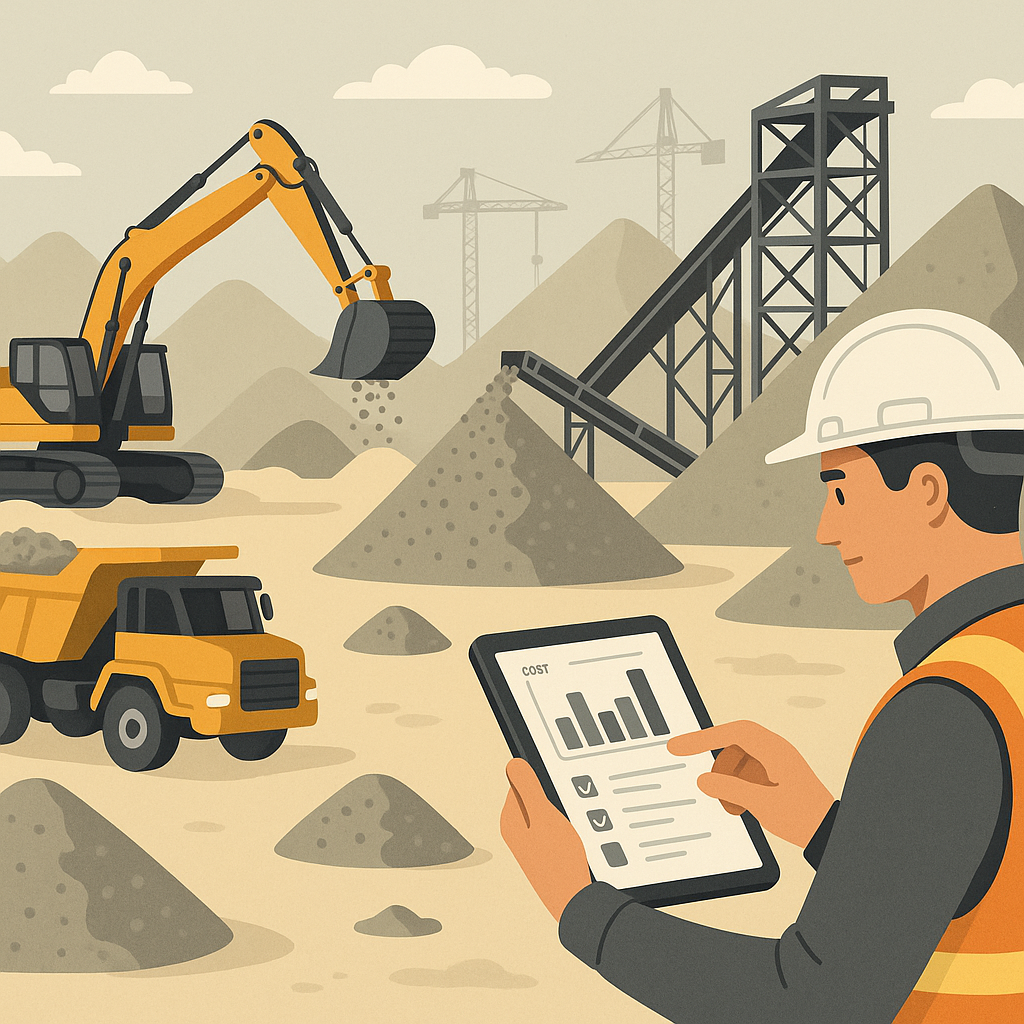
Granite’s $32M Alaska Highway Job: A Masterclass in Margin Control
Margins in construction are razor-thin. For contractors, even small inefficiencies can snowball into massive losses. Granite Construction’s approach to their $32M Alaska highway project is a case study in how to protect your bottom line. Their secret weapon? A self-supply model.
Let’s break this down. Granite decided to self-supply key materials for the project instead of relying entirely on external vendors. Why? To control costs, ensure quality, and manage timelines. It’s not a new concept, but it’s one that many contractors overlook because it requires tight coordination, precise cost tracking, and robust systems in place.
So, what can you learn from this? And how can you implement similar strategies without the risk of things spiraling out of control?
Why Self-Supply Matters for Margins
When you rely purely on external suppliers, you’re at their mercy. Material costs can spike unexpectedly, shipping delays can derail your timeline, and quality inconsistencies can lead to rework. All of this eats into your margins. A self-supply model mitigates these risks by giving you direct control over procurement and production.
Real-World Example: Rising Material Costs
In 2021, global steel prices surged by over 200% due to supply chain disruptions and increased demand (source: World Steel Association). Contractors relying on external vendors were hit hard, with some projects reporting cost overruns of up to 15%. On the other hand, companies that had integrated self-supply for materials like aggregates or asphalt were better able to absorb the shock.
But it’s not a magic bullet. Self-supply also comes with challenges. You need to track material costs accurately, avoid overproduction, and ensure that self-produced materials are allocated to the right projects. Without a structured system to manage these factors, you could end up creating more problems than you solve.
The JobNext Advantage: Real-Time Cost Tracking for Self-Supply
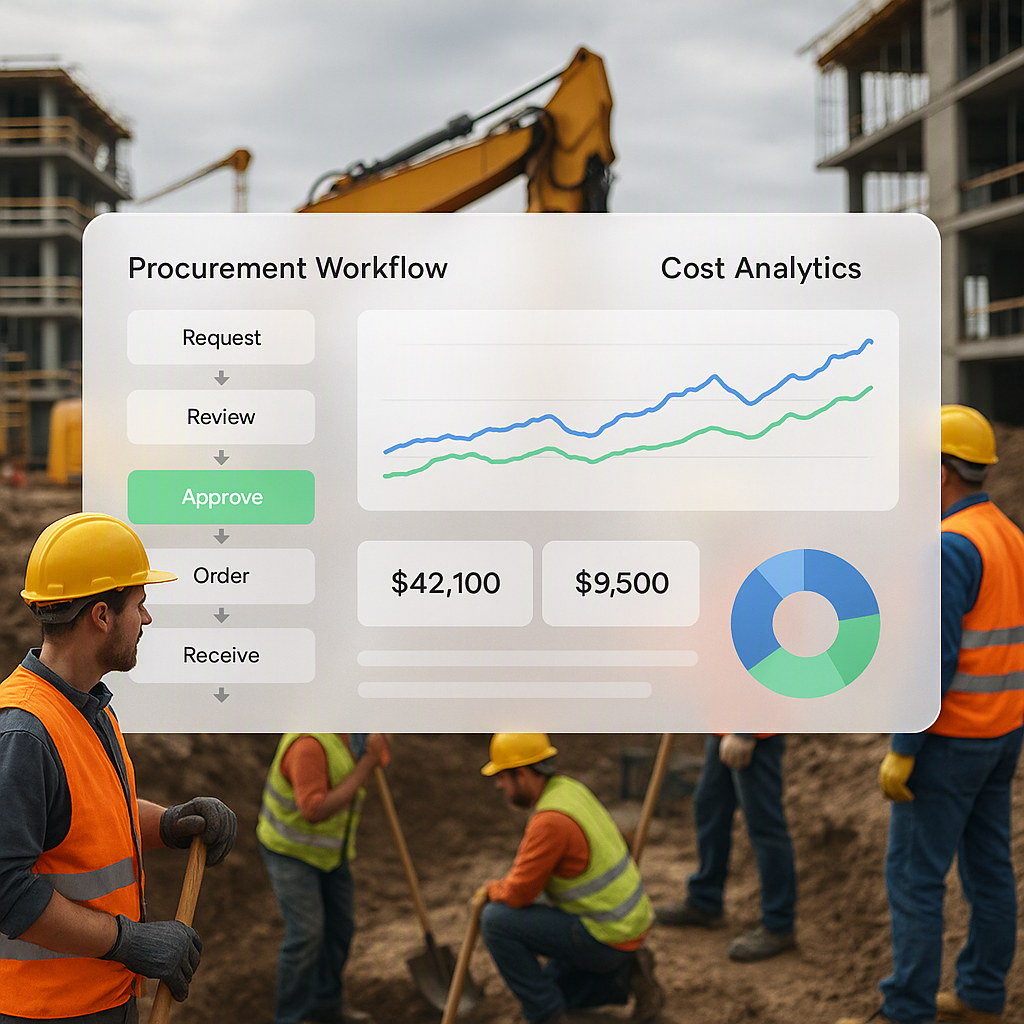
Here’s where a tool like JobNext comes in. One of the biggest hurdles in self-supply is tracking costs and ensuring they align with your project budgets. JobNext’s real-time project profitability tracking makes this straightforward. Every material you produce or procure is tied to a specific BOQ (Bill of Quantity) line item, scope, or estimate. You can see exactly how much you’re spending and where you’re over or under budget.
Case Study: Aggregate Production Savings
Imagine you’re self-supplying aggregates for a $10M infrastructure project. With JobNext, you can:
- Track production costs: Monitor expenses like fuel, labor, and equipment usage and assign them to the right project automatically.
- Monitor material consumption: Avoid wastage by tracking how much material is delivered and consumed at each site. One contractor using JobNext reported a 12% reduction in material waste after implementing this system.
- React to changes in real time: If fuel prices increase or equipment requires unexpected maintenance, JobNext updates your BOQ margins instantly, allowing you to adjust before it’s too late.
Granite likely employs similar tracking methods internally. Without this level of visibility, their self-supply model might not have been as effective.
Subcontractor Management: The Hidden Margin Killer
Another lesson from Granite’s approach is the importance of subcontractor integration. Even when you self-supply, you’ll still rely on subcontractors for parts of the work. If their costs spiral or their performance slips, your margins are at risk.
The Risk of Subcontractor Overbilling
A 2020 report by FMI Corporation found that 30% of contractors experience disputes with subcontractors over billing accuracy. These disputes often stem from vague progress estimates or misaligned expectations.
JobNext simplifies this with its measurement-based subcontractor billing system. Here’s how it works:
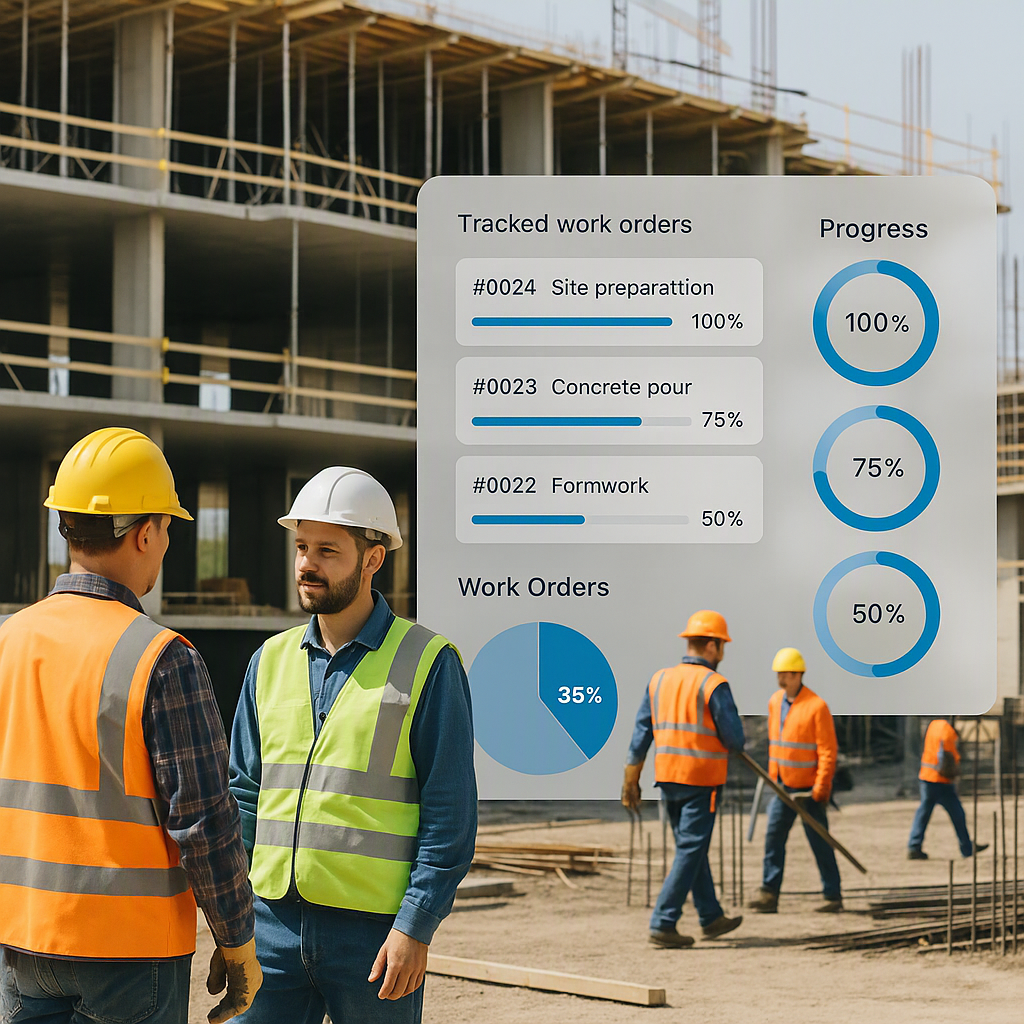
- Accurate progress tracking: Subcontractor progress is tracked through measurement sheets created during site inspections.
- Verification process: Only approved measurements are eligible for billing, reducing disputes.
- Payment tied to deliverables: Payments are tied to actual work completed, not vague progress estimates.
This ensures you’re not overpaying for incomplete or poor-quality work. Plus, you can reconcile subcontractor material usage to make sure they’re not wasting or mismanaging resources.
Practical Steps to Implement a Self-Supply Model
If you’re considering adopting a self-supply model like Granite, here’s how to start:
1. Evaluate Your Capacity
- Do you have the equipment, labor, and facilities to produce or procure your own materials? For example, if you’re considering self-supplying asphalt, you’ll need access to an asphalt plant and trained operators.
2. Start Small
- Test self-supply on one project or material type before scaling. For instance, begin with aggregates for a local road project before tackling larger, multi-material efforts.
3. Invest in Tracking Tools
- Without real-time cost tracking, self-supply can backfire. A tool like JobNext is non-negotiable to ensure every cost is accounted for.
4. Plan for Contingencies
- What happens if your production is delayed or costs rise? Build buffers into your plan. For example, have backup suppliers on standby for critical materials.
5. Align Subcontractors
- Ensure your subs are on the same page regarding material quality and timelines. Use structured workflows to hold them accountable.
Comparison Table: Self-Supply vs. External Vendors
| Factor | Self-Supply | External Vendors |
|---|---|---|
| Cost Control | High (direct control over production) | Limited (subject to market price) |
| Quality Assurance | High (in-house quality checks) | Variable (depends on supplier) |
| Risk of Delays | Medium (production risks) | High (shipping and supply chain risks) |
| Initial Investment | High (equipment, labor, facilities) | Low |
| Scalability | Medium (depends on capacity) | High (easier to scale quickly) |
The ROI of Getting It Right
When done right, self-supply can significantly improve your bottom line. Granite’s Alaska highway project shows that controlling material costs and ensuring quality can make a huge difference on high-value jobs.
But here’s the catch: the margin gains are only as good as your ability to track and manage costs. In my view, this is where many contractors fall short. They try to implement self-supply without the systems needed to support it, and it ends up costing them more than it saves.
FAQ
1. What is a self-supply model in construction?
It’s when contractors produce or procure their own materials instead of relying entirely on external suppliers. This gives them more control over costs, quality, and timelines.
2. How does JobNext help with cost tracking?
JobNext ties every material cost to specific BOQ items, scopes, or estimates. This real-time tracking helps you catch budget overruns early.
3. Is self-supply suitable for small contractors?
It depends on your resources and project needs. Start with a small-scale test to see if it’s viable for your business. For example, small contractors could focus on producing aggregates for local projects first.
4. What are the risks of self-supply?
Risks include overproduction, poor cost tracking, and delays. These can be mitigated with proper planning and tools like JobNext.
5. Can self-supply work with subcontractor-heavy projects?
Yes, but only if you have systems to track subcontractor performance and material usage. JobNext’s subcontractor billing system is built for this.
If you’re ready to take control of your margins and explore self-supply, JobNext can help. Start your free trial today →
Learn more at JobNext.ai - Construction ERP