
Electrical Contracting's Biggest Time Sink: Estimation and Billing Errors
If you're an electrical contractor, you've probably faced this scenario: the estimate looked solid, but midway through execution, the scope shifted. A few change orders later, you're scrambling to update rates, reconcile BOQs (Bill of Quantities), and avoid billing disputes. These challenges are not only stressful but can also erode your margins significantly. Let's break down why this happens and how you can address it.
Why Estimation Gaps Bleed Margins
Estimating for electrical works isn’t just about plugging numbers into a spreadsheet. It’s a layered process that considers:
- Material costs
- Labor rates
- Overheads
- Contingencies
- Scope-specific details (e.g., project complexity, location challenges)
All of these are tied to a detailed BOQ. However, manual processes leave room for error at every step. Simple mistakes—like forgetting to update the rate schedule after a vendor negotiation or misinterpreting a client’s scope note—can snowball into larger issues.
The Core Challenges in Estimation:
-
Rate Analysis Errors: Combining labor and material costs into a single item often leads to mismatches. For instance, a labor cost calculated three months ago may not reflect recent wage hikes, while material rates fluctuate frequently due to market volatility.
-
Scope Creep: When project scopes shift, estimators often fail to revisit the BOQ in detail, leading to underbilling for additional work or overcommitting resources.
-
Manual Data Entry: Spreadsheets are prone to typos, miscalculations, and version control errors, especially when multiple team members are involved.
How Technology Can Help
Using specialized software for estimation can significantly minimize these errors. Tools like ProjectsNext allow contractors to:
- Upload detailed BOQs directly into the system.
- Maintain and update rate schedules for materials and labor.
- Factor in contingencies automatically based on project-specific parameters.
For example, instead of manually combining labor and material costs, ProjectsNext integrates these into a single workflow, ensuring consistency across the board. These tools also give you the flexibility to adjust estimates mid-project without disrupting the entire workflow.
Actionable Step: Audit your current estimation process. Identify where manual effort is being spent and evaluate whether automating these tasks could save time and reduce errors. Look for software that supports dynamic rate management and BOQ hierarchy uploads.
Execution Chaos: When Procurement Fails
Even the best estimates can’t save a project from poor execution. And more often than not, the root of execution chaos lies in procurement inefficiencies.
Picture this: Your site engineer raises a material request, but the procurement team delays sending out the Request for Quotation (RFQ). Vendors take their time responding, and by the time the purchase order (PO) is issued, the site is sitting idle. A single delay in material procurement can cascade into missed deadlines, idle manpower, and frustrated clients.
Common Procurement Issues in Electrical Contracting:
-
Lack of Visibility: Without a centralized system, it's difficult to track where exactly a material request or PO is stuck.
-
Approval Delays: Manual approval chains lead to bottlenecks, especially when decision-makers are unavailable.
-
Rogue Spending: Site teams often bypass procurement workflows, leading to unapproved purchases that overshoot budgets.
The Solution: Structured Procurement Workflows
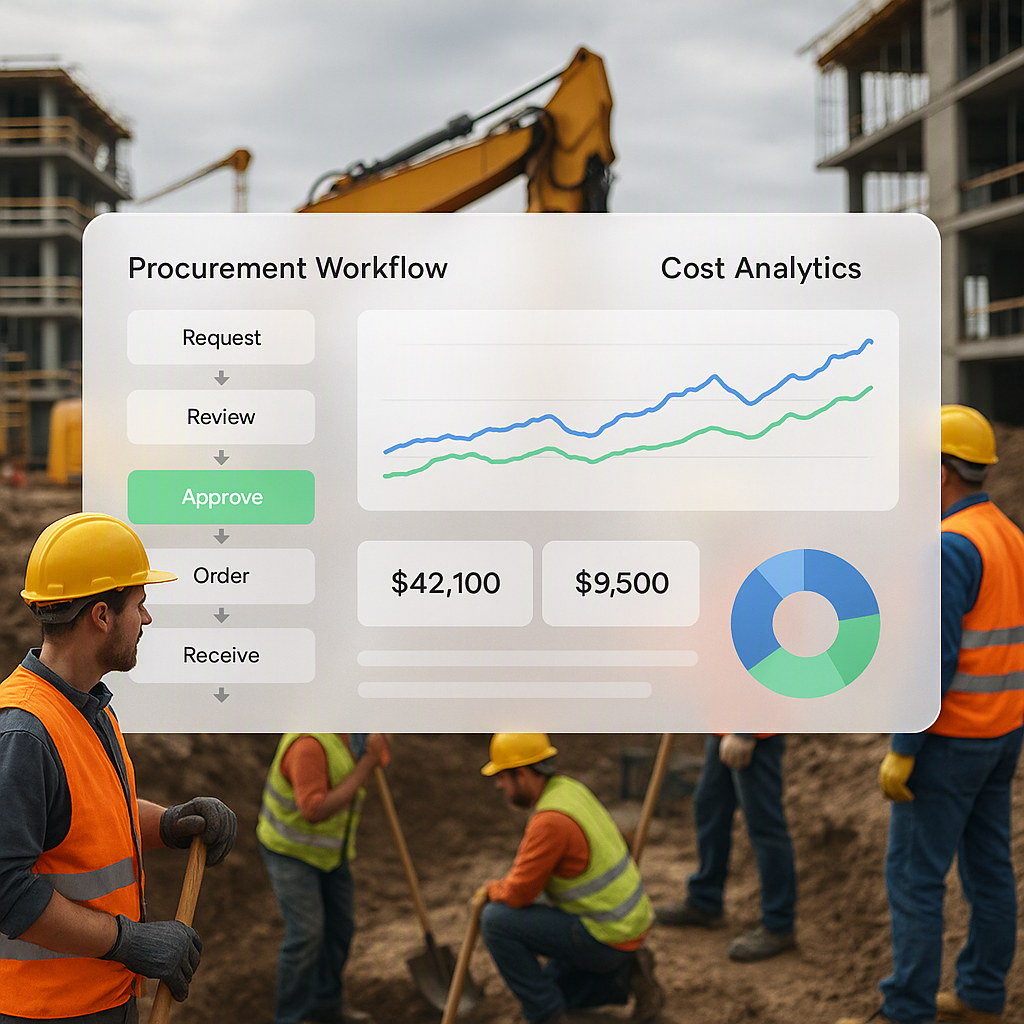
Modern procurement software can streamline the entire process. A structured workflow might look like this:
- Material Request (MR): Your site engineer logs a material request into the system.
- Request for Quotation (RFQ): Procurement sends RFQs to approved vendors.
- Vendor Offers: Vendors respond within predefined timelines.
- Purchase Order (PO): The system generates POs based on the selected vendor and approval workflows.
These workflows ensure accountability and eliminate ambiguity. For example, ProjectsNext integrates approval hierarchies, so material requests are only processed after the required sign-offs. This avoids rogue spending and ensures materials arrive on time.
Actionable Step: Map out your current procurement process. Identify delays and inefficiencies. Explore tools that offer end-to-end procurement tracking with built-in approval workflows.
Billing: Stop Revenue Leaks Before They Start
Billing is a critical phase where many contractors unknowingly lose money. Whether it’s forgetting to bill for change orders or leaving retention money unclaimed, these small oversights add up over time.
Common Billing Challenges:
- Unbilled Scope Changes: Extra work often gets approved verbally or informally but doesn’t make it into the billing cycle.
- Retention Money: Many contractors fail to follow up on retention money owed to them, leaving significant revenue on the table.
- Missed Deadlines: Billing delays can disrupt cash flow and strain your working capital.
Types of Billing in Electrical Contracting
Electrical contractors often deal with complex billing methods, such as:
- Stage-Wise Billing: Payments are tied to predefined project milestones.
- Progress-Based RA Bills: Payments are made based on the percentage of work completed.
- Monthly Invoicing: Standard practice for long-term projects.
How to Fix Billing Issues
A good ERP system can help ensure no billable work is missed. For example:
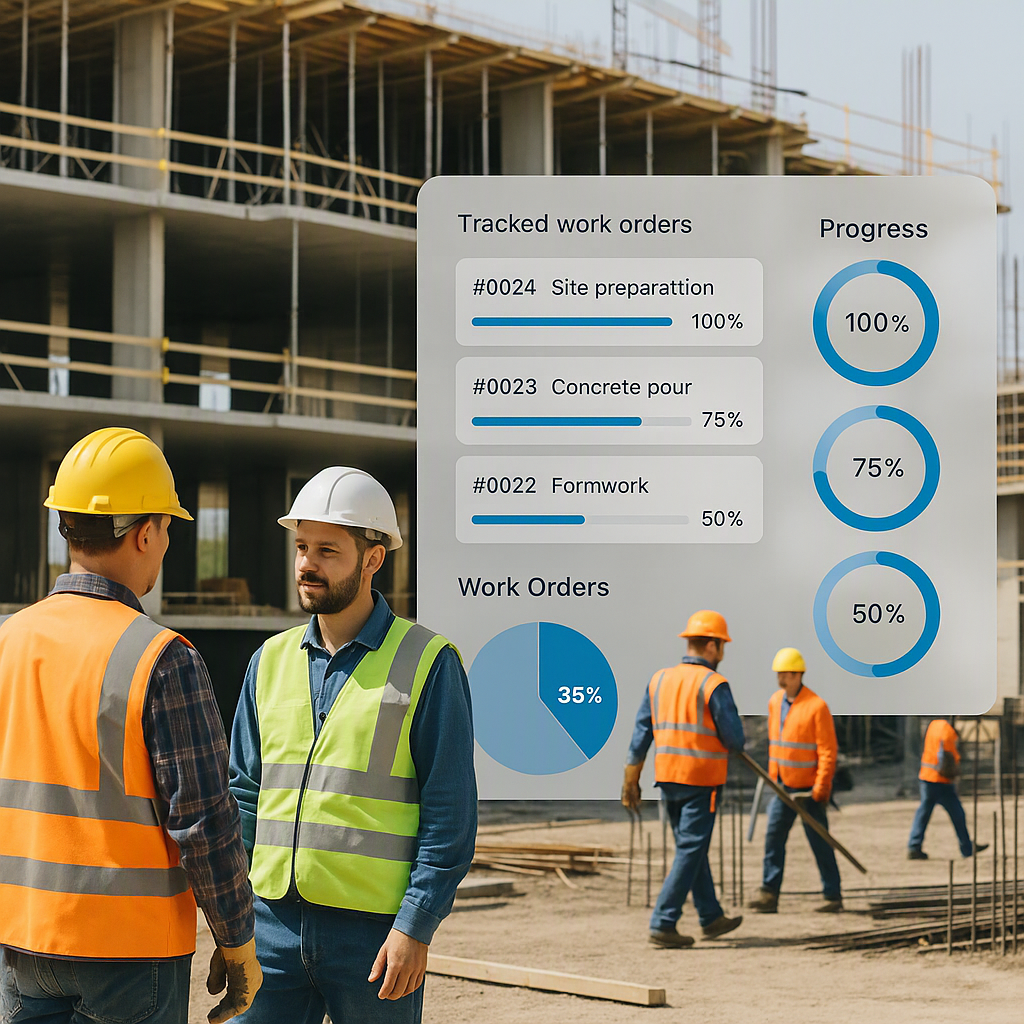
- Real-time dashboards in tools like ProjectsNext let you track work progress and billing status.
- Automated reminders ensure you follow up on pending retention money and overdue invoices.
- Integration with statutory compliance tools (e.g., Tally) ensures GST and TDS filings are accurate and timely.
Actionable Step: Review your last 10 invoices. Check for missed billing opportunities, such as unbilled extra work or late retention claims. Transition to a system that tracks billable items and integrates with compliance tools.
Compliance Matters
In countries like India, compliance with GST, TDS, and other statutory regulations is non-negotiable. Missing deadlines or underreporting can lead to hefty penalties. Integrated ERP systems can:
- Automatically calculate and apply GST.
- Generate compliance reports.
- Send reminders for filing deadlines.
Common Mistakes Contractors Make
- Skipping Rate Updates: Outdated vendor rates result in inaccurate estimates.
- Ignoring Workflow Approvals: Without proper approvals, rogue spending can spiral out of control.
- Underestimating Compliance: GST penalties can significantly impact small- and medium-sized contractors.
- Manual Billing Chaos: Retention money and extra work often go unbilled due to poor tracking.
FAQs
Q: How does software help with rate analysis?
A: Tools like ProjectsNext allow you to upload BOQs directly, set rate schedules, and factor in contingencies. This eliminates manual errors and ensures estimates are accurate.
Q: Can the system handle subcontractor billing?
A: Yes. Measurement-based workflows ensure subcontractors are only paid for verified work. This eliminates disputes and ensures transparency.
Q: What about compliance with GST/TDS?
A: Modern ERP systems integrate compliance tracking. For example, ProjectsNext supports GST and TDS filing, helping you avoid penalties and saving hours of reconciliation work.
Q: How do I handle scope changes in the middle of a project?
A: Use a system that allows for dynamic BOQ updates. This ensures that all scope changes are reflected in your estimates and billing.
Q: Is ERP software expensive?
A: Many ERP tools offer tiered pricing or even free trials. Consider the cost of manual errors and lost revenue—most contractors find the investment pays off quickly.
Making the Right Choice: Comparison Table
| Feature | Manual Processes | Basic Accounting Software | Contracting-Specific ERP (e.g., ProjectsNext) |
|---|---|---|---|
| BOQ Upload & Rate Analysis | Error-prone | Limited | Fully supported |
| Procurement Workflow | Manual follow-ups | Not available | Integrated approvals and tracking |
| Billing Automation | Manual reconciliation | Basic invoicing only | Tailored for RA bills, stage-wise billing |
| Compliance Tracking | Separate tools required | Limited | Fully integrated (e.g., GST, TDS) |
| Retention Money Tracking | Rarely tracked | Manual | Automated reminders |
Why Electrical Contractors Need ERP
If you're dealing with estimation gaps, procurement chaos, or billing delays, electrical contracting software can help. Transitioning to an ERP system tailored for contractors ensures accuracy, efficiency, and compliance at every step of your project lifecycle.
Learn more at JobNext.ai - Construction ERP