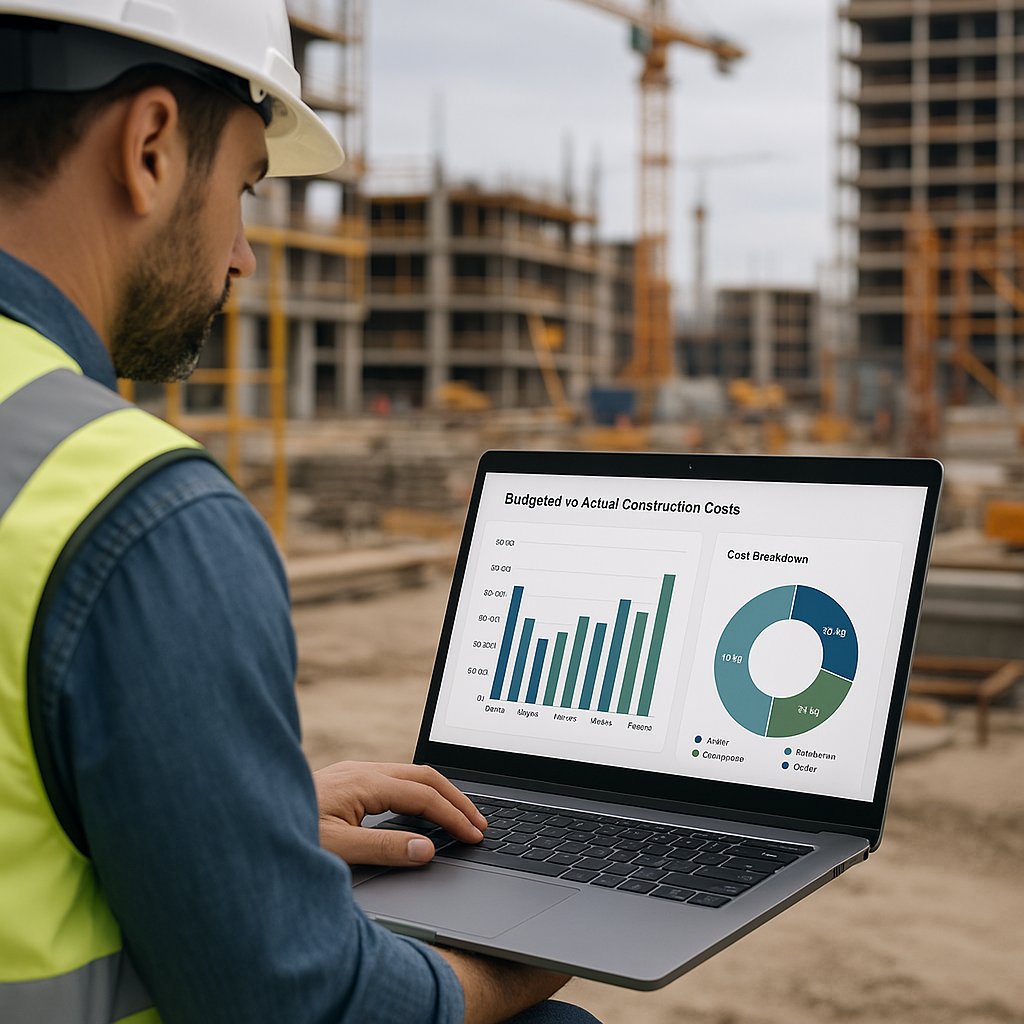
Budgeted vs Actual Construction Costs: How Contractors Can Stay Profitable
Margins in construction are razor-thin. One unexpected expense can turn a profitable project into a financial headache. Yet, many contractors still rely on outdated methods—manual spreadsheets, disconnected systems, and ad-hoc tracking—to monitor costs.
Let’s be honest: that doesn’t work anymore. If your actual costs consistently exceed your budgeted estimates, you're not just losing money—you’re losing control.
Why Do Budget vs Actual Costs Diverge?
It happens more often than you think. Here are the usual suspects:
- Material price fluctuations: Steel, concrete, tiles—prices change faster than you can update your BOQ.
- Poor subcontractor tracking: Without measurement-based progress tracking, payments can spiral.
- Missed scope creep: Clients make changes mid-project, and suddenly, your cost estimates aren’t worth the paper they’re printed on.
- Disconnected systems: If procurement, billing, and finance aren’t talking to each other, tracking real costs becomes a guessing game.
How to Track Budgeted vs Actual Costs Effectively
The solution? Structured workflows and real-time data. Here’s a practical approach:
1. Start with Accurate BOQs
Your BOQ (Bill of Quantities) is your baseline. But it needs to be more than just a static document. Many contractors don’t update their BOQs when material prices or scope changes. That’s a mistake. Use a tool that lets you tie BOQs to real-time procurement workflows and cost updates.
2. Track Costs in Real Time
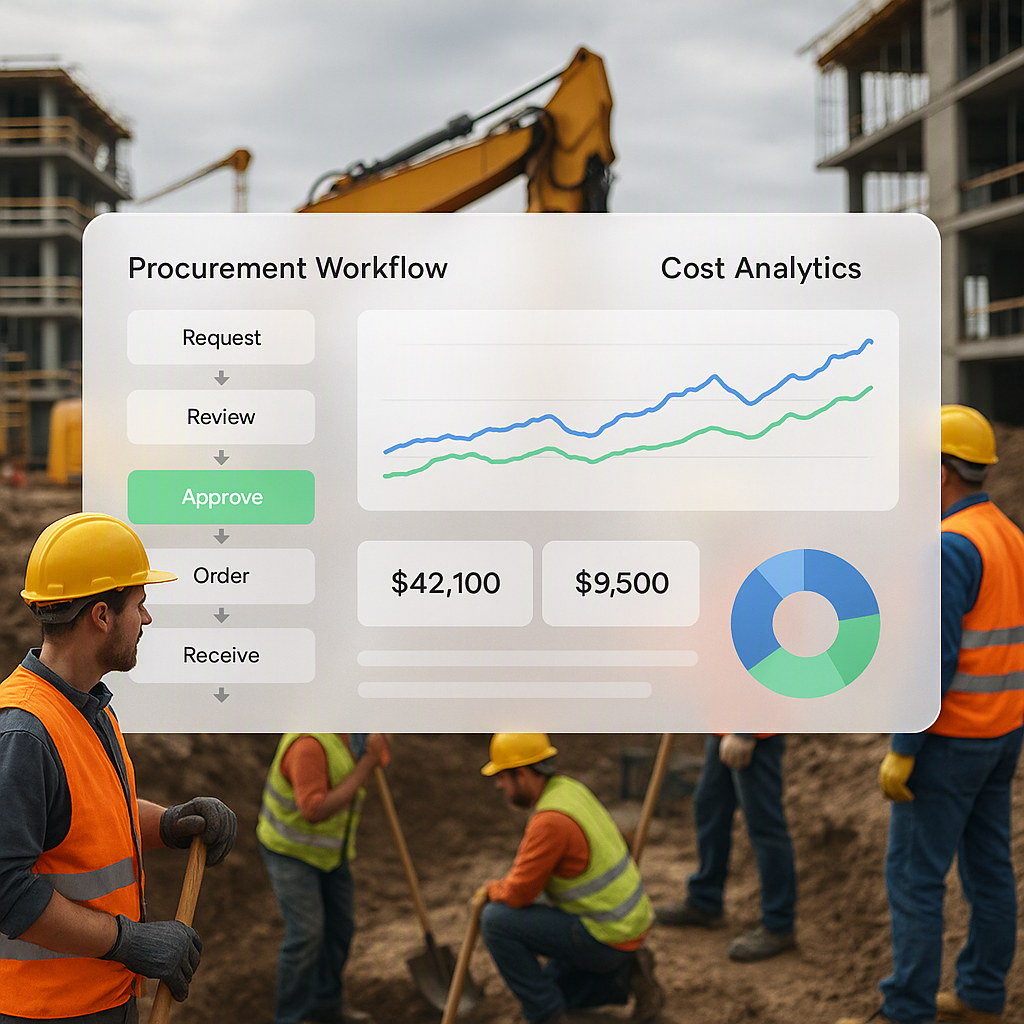
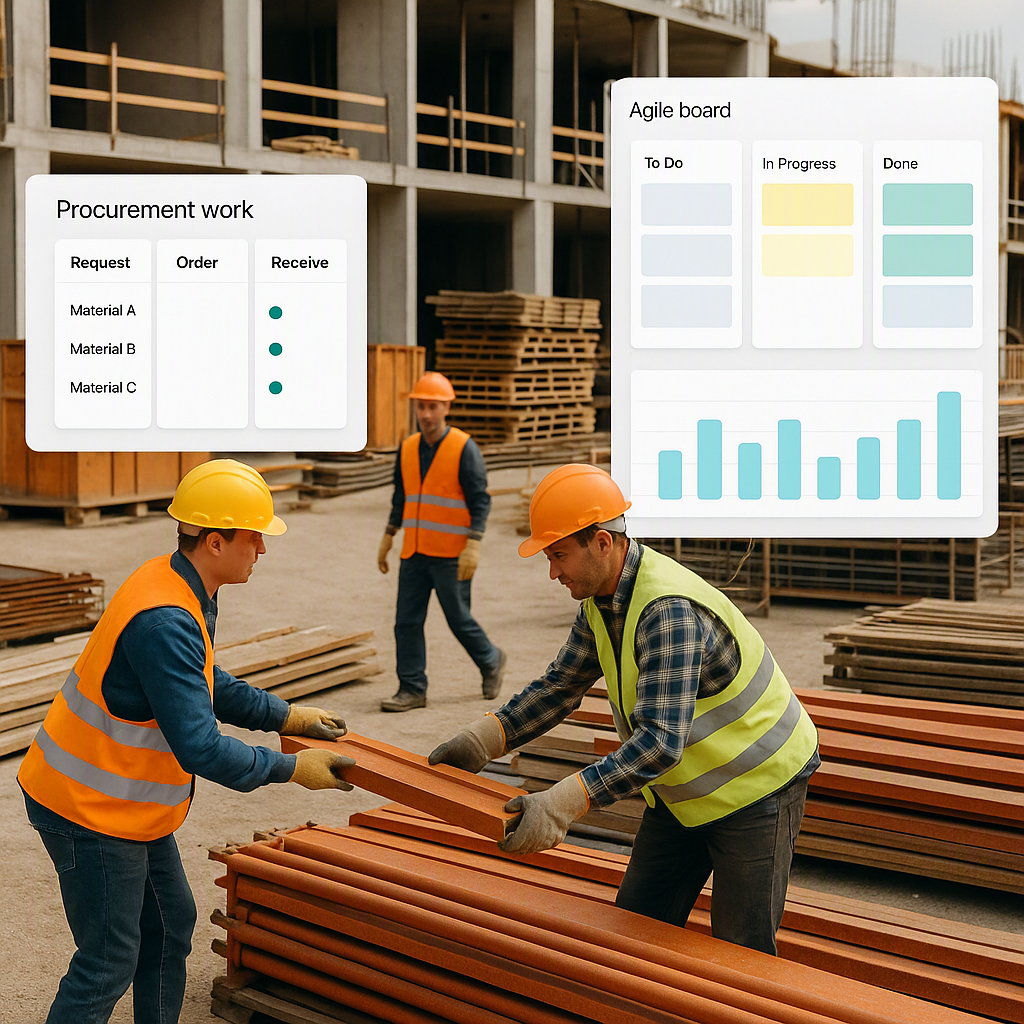
Stop waiting until month-end to reconcile expenses. By then, it’s too late. Tools can help by integrating procurement, subcontracting, and billing workflows into a single platform. For example, you can monitor every MR (Material Requisition) as it moves through RFQs, vendor offers, and final POs—keeping track of every rupee spent.
3. Measurement-Based Subcontractor Payments
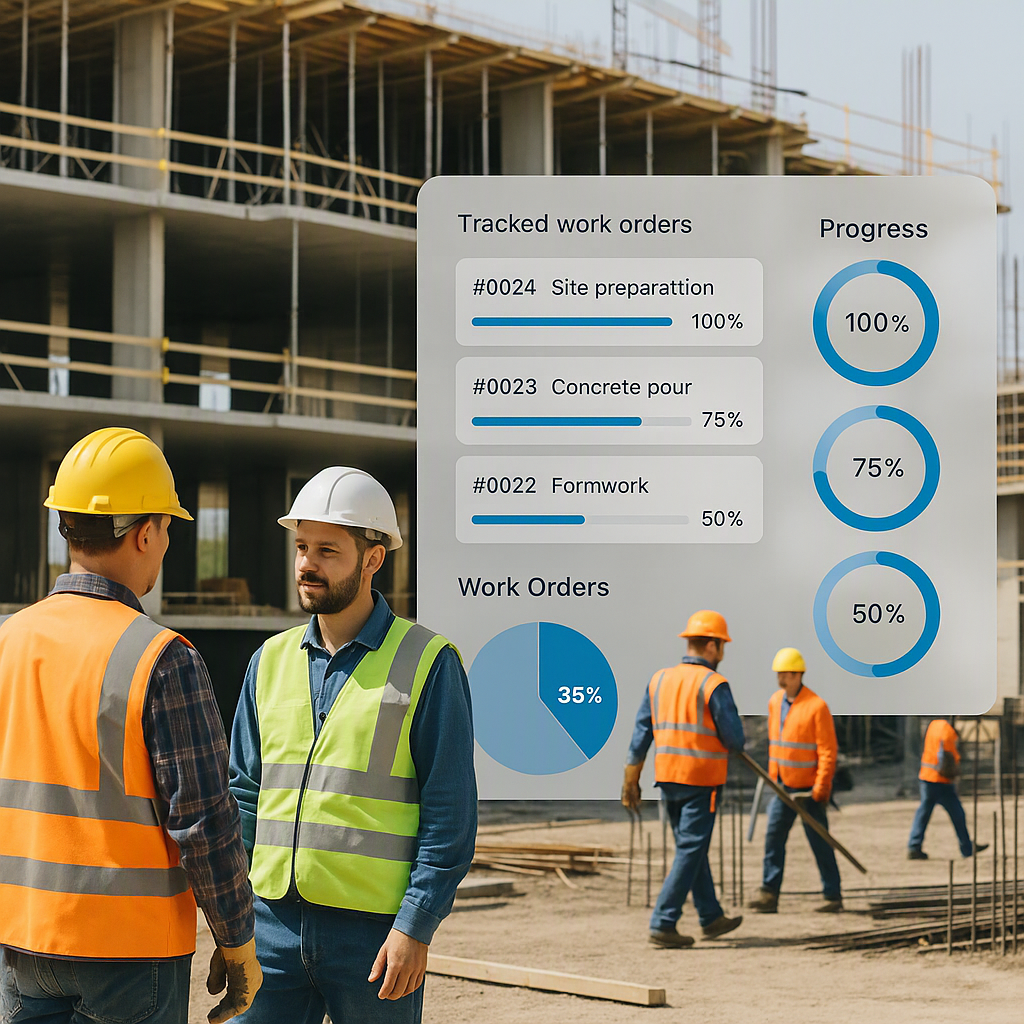
Subcontractor overruns are a silent margin killer. The fix? Tie payments directly to verified work progress. In practice, this means requiring measurements for every completed scope before releasing payments. Structured workflows like WR → RFP → WO → Measurement can make this seamless. Read this guide for a detailed breakdown of subcontractor tracking methods.
4. Use Dashboards for Cost Variance Analysis
Dashboards aren’t just for show. Done right, they can highlight cost variances across BOQ items, scope categories, and even vendors in real time. Many teams use these to spot overspending trends early—before they snowball into margin erosion.
Common Mistakes Contractors Make
- Skipping approval workflows: Without multi-level approvals for POs and vendor payments, you’re leaving the door wide open for cost overruns.
- Ignoring small cost discrepancies: Small overspends on BOQ items can add up across multiple sites, leading to significant financial impact.
- Manual reconciliation: If your cost tracking relies on Excel sheets, you’re already behind.
FAQs
Q: How often should contractors update their BOQs?
A: Ideally, whenever there’s a material price change, scope adjustment, or new vendor rate.
Q: What’s the best way to track subcontractor costs?
A: Tie payments directly to progress measurements. Use structured workflows to ensure verified work before releasing funds.
Q: Can disconnected systems still track costs effectively?
A: Not really. Disconnected systems lead to manual tracking, which is error-prone and time-consuming. Integrated tools can help unify procurement, billing, and finance data.
Q: What’s the biggest risk with budget vs actual cost tracking?
A: The biggest risk is ignoring small discrepancies. These add up across projects and can cause significant margin erosion.
Call to Action
If you're struggling with cost tracking chaos, structured workflows and integrated tools can help. With real-time BOQ tracking, streamlined processes, and actionable analytics, you can take control of your construction costs and protect your margins.
Learn more at JobNext.ai - Construction ERP