Why Accurate BOQs Matter
If you're in construction, you already know that a poorly prepared BOQ (Bill of Quantities) can ruin your project's profitability. Miss a line item, estimate a quantity wrong, or use outdated rates—and suddenly your margins are gone. Worst case? You end up footing the bill for mistakes or face delays that tarnish your reputation.
So how do you avoid this? By structuring your BOQ properly from the start. Let’s break it down step by step.
Step-by-Step BOQ Preparation
1. Break Down the Project Scope
Before you even start drafting a BOQ, you need a clear project scope. What exactly are you building? A residential apartment? A sewage treatment plant? A shopping mall? Each type of project has unique requirements, and failing to identify them early on can throw your BOQ off-course.
For example, a sewage treatment plant might need specific items like reinforced concrete tanks, aeration blowers, and piping systems. If you miss these in your initial scope, your BOQ will be incomplete, and the impact will ripple through the entire project lifecycle.
Actionable Steps:
- Use a Work Breakdown Structure (WBS): Organize the project into smaller, manageable work packages. For example, divide a residential project into foundation, superstructure, finishes, etc.
- Reference Past Projects: Look at similar projects to identify potential line items you might overlook.
- Collaborate with Stakeholders: Engage with designers, engineers, and procurement teams to ensure all aspects of the project are considered.
Tip: Many contractors rely on tools like ProjectsNext to structure the project scope into BOQ/WBS/Scope hierarchies. It ensures no critical element is overlooked and provides a clear framework for the rest of the BOQ.
2. Standardize Your BOQ Format
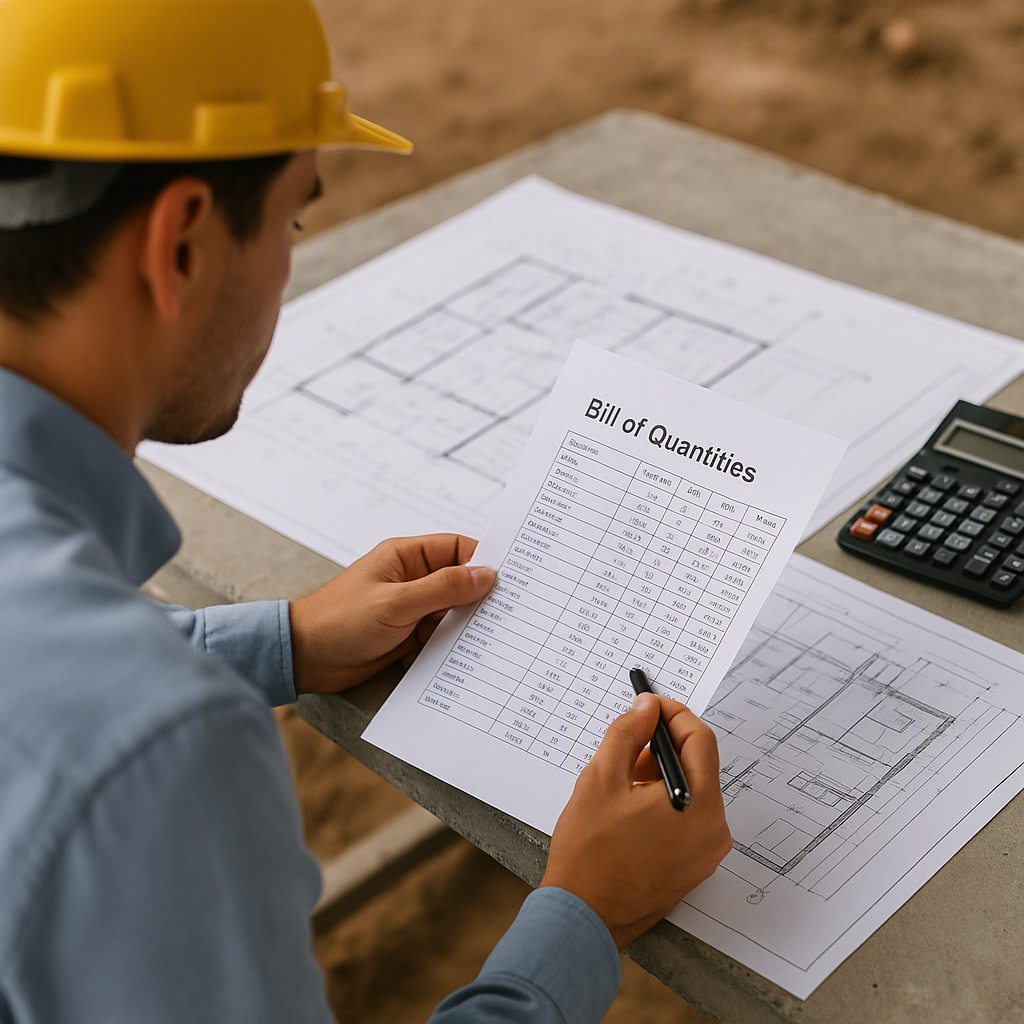
A well-organized BOQ isn’t just about listing items; it’s about categorizing them logically. A clear and consistent format ensures that everyone—project managers, procurement teams, and subcontractors—can easily interpret the document.
Here’s a simple structure to follow:
- Description of Work: Clearly specify the activity (e.g., excavation, RCC work, plastering).
- Unit of Measurement: Use standardized units like square meters (m²), cubic meters (m³), or numbers (nos) to avoid ambiguity.
- Quantity: Derive quantities directly from project drawings and specifications.
- Rate: Apply relevant rates from local schedules (e.g., CPWD DSR in India) or supplier quotes.
- Amount: Multiply quantity and rate.
Illustrative Example:
| Description | Unit | Quantity | Rate (₹) | Amount (₹) |
|---|---|---|---|---|
| RCC Work (M30 Grade) | m³ | 100 | 7,500 | 7,50,000 |
| Excavation | m³ | 250 | 450 | 1,12,500 |
Actionable Steps:
- Categorize by Trade: Divide the BOQ into trades like civil works, electrical, plumbing, etc., for better clarity.
- Use Standard Templates: Standard templates ensure consistency across projects.
- Separate Costs: Keep material, labor, and equipment costs in separate columns to avoid confusion.
3. Source Reliable Rates
Rates are the backbone of your BOQ. If you get them wrong, your entire project budget collapses. Using outdated or inaccurate rates can result in significant cost overruns.
Actionable Steps:
- Use Government Schedules: For public projects, rely on standardized schedules like CPWD DSR (India), SMM7 (UK), or RSMeans (US).
- Conduct Market Surveys: For private projects, obtain quotes from multiple suppliers and contractors to ensure competitive pricing.
- Adjust for Inflation: Factor in price escalations, especially for long-duration projects.
- Account for Regional Variations: Labor and material costs can vary significantly by location. Always consider local market conditions.
Tip: Create a database of historical rates from past projects. Over time, this becomes a valuable resource for accurate rate estimation.
4. Validate Quantities with Drawings
Quantities should always tie back to approved drawings. Even a small mistake in rebar calculation can lead to massive cost overruns, so double-checking measurements is crucial.
Actionable Steps:
- Conduct Quantity Takeoffs: Use specialized software like PlanSwift or Bluebeam for accurate takeoffs directly from drawings.
- Cross-Verify: Have a second set of eyes review the quantities, especially for high-value items like steel reinforcement or concrete.
- Keep Drawings Updated: Ensure you’re always working from the latest set of approved drawings to avoid discrepancies.
5. Account for Overheads and Contingencies
Your BOQ shouldn’t just cover direct costs. Projects come with overheads (site office expenses, administrative costs) and risks (price fluctuations, unforeseen delays). Ignoring these can leave you with slim or non-existent margins.
Actionable Steps:
- Add Overhead Costs: Include a fixed percentage or detailed breakdown for items like site accommodation, utilities, and supervision.
- Include Contingencies: Add 5-10% of the project cost as a buffer for unforeseen events.
- Review Regularly: Adjust overheads and contingencies based on the project's complexity and location.
How Technology Simplifies BOQ Preparation
Manual BOQ preparation is not only time-consuming but also prone to human error. Inaccurate calculations, missing line items, and outdated rates can lead to serious financial consequences. This is where technology steps in.
Benefits of Digital BOQ Tools:
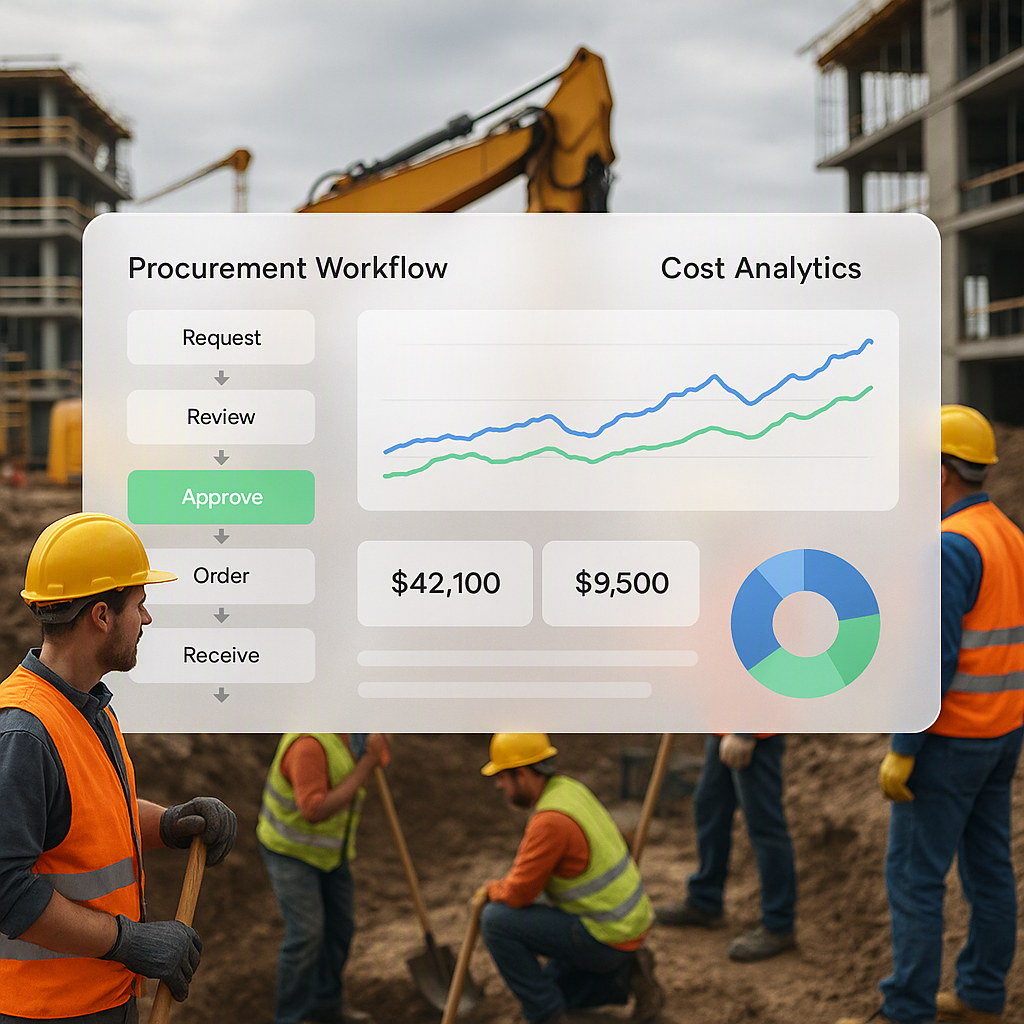
- BOQ Upload and Validation: Tools like ProjectsNext allow you to upload BOQs directly and validate them against the project scope.
- Rate Analysis: With AI-powered tools, you can compare supplier quotes and market rates instantly.
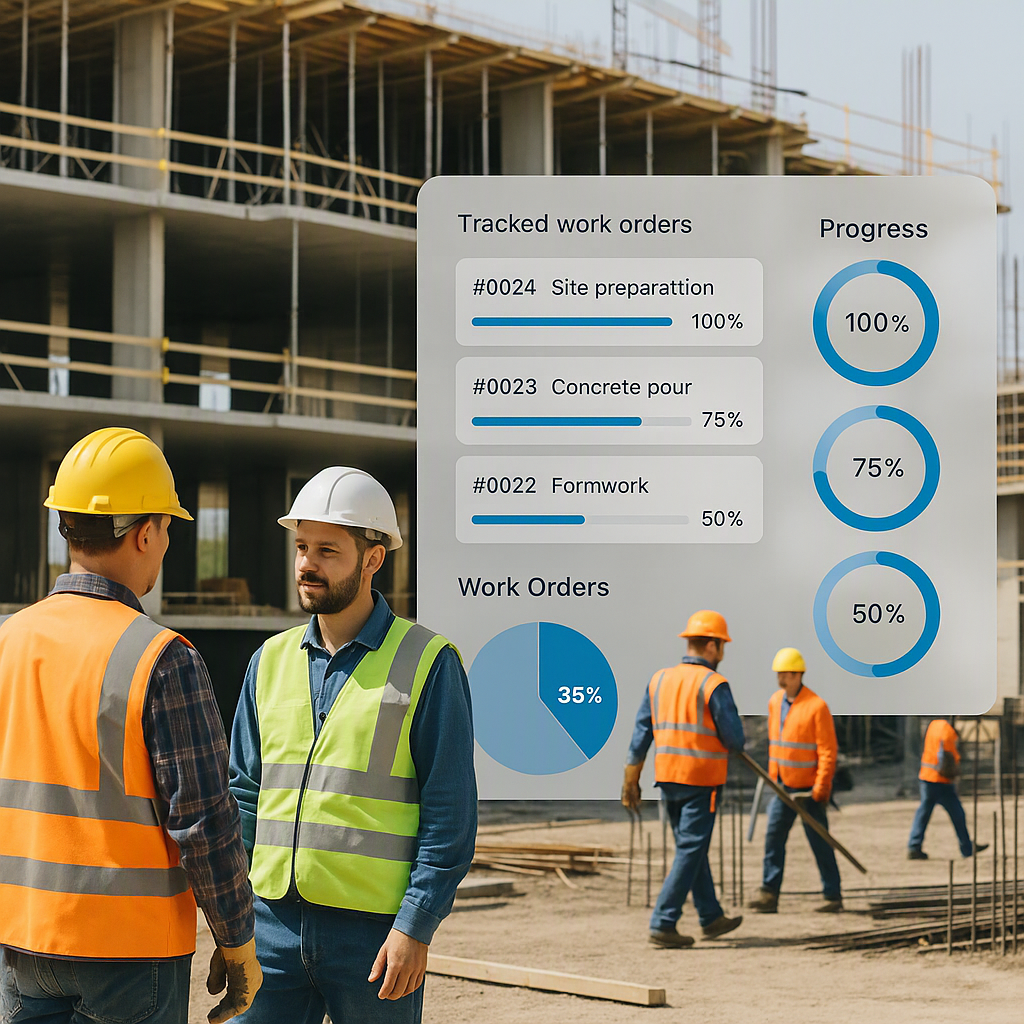
- Real-Time Tracking: Once the BOQ is approved, you can monitor actual costs against estimates to ensure you stay on budget.
- Collaboration: Cloud-based platforms enable real-time collaboration between teams, ensuring everyone is aligned.
Popular Tools for BOQ Preparation:
| Tool | Features | Ideal For |
|---|---|---|
| ProjectsNext | BOQ validation, rate analysis, tracking | Medium to large projects |
| PlanSwift | Quantity takeoffs from drawings | Small to medium projects |
| BuildSoft | Cost estimation and tracking | General construction |
Common Mistakes in BOQ Preparation
Even experienced contractors can make mistakes when preparing a BOQ. Here are the most common pitfalls and how to avoid them:
- Skipping Subcategories: Don’t lump everything under one heading. For example, under "Electrical Works," break it down into wiring, fixtures, and switchboards.
- Overlooking Scope Details: Missing out on minor details like waterproofing or insulation can lead to expensive change orders.
- Using Outdated Rates: Always update your rates to reflect current market conditions and avoid surprises.
- Ignoring Waste and Losses: Construction materials often involve a degree of waste. Factor this into your quantities to avoid shortages.
- Failing to Cross-Check: Always have another team member review the BOQ for potential errors or omissions.
Frequently Asked Questions (FAQs)
1. What happens if I underestimate quantities in a BOQ?
Underestimating quantities can lead to material shortages, project delays, and increased costs due to emergency procurement at higher rates. This can severely impact your profit margins and client relationships.
2. How do I decide on the right contingency percentage?
The contingency percentage depends on the project size, complexity, and risk factors. For straightforward projects, 5% may suffice. For large or high-risk projects, consider 10-15%.
3. Can I create a BOQ without specialized software?
Yes, you can use spreadsheets, but the process will be more time-consuming and prone to errors. Specialized software offers automation, accuracy, and integration with other project management tools.
4. How often should I update the rates in my BOQ?
Rates should be reviewed and updated at least quarterly or whenever there are significant market changes, such as material shortages or policy shifts.
5. What’s the difference between a BOQ and an Estimate?
A BOQ provides a detailed breakdown of quantities, rates, and costs for all project activities, while an estimate gives a broader overview of the project’s total cost. The BOQ is more detailed and is often used as a legal document in contracts.
Conclusion
An accurate BOQ is the foundation of a successful construction project. It ensures transparency, helps control costs, and keeps your project on track. By breaking down the project scope, standardizing your format, sourcing reliable rates, validating quantities, and accounting for overheads and contingencies, you can prepare a BOQ that minimizes risk and maximizes profitability.
Embrace technology to streamline the process, reduce errors, and gain real-time insights into your project’s financial performance. With the right approach, your BOQ will no longer be just a document—it will become a powerful tool for project success.
Learn more at JobNext.ai - Construction ERP