Why Unified Construction ERPs Beat Disconnected Tools
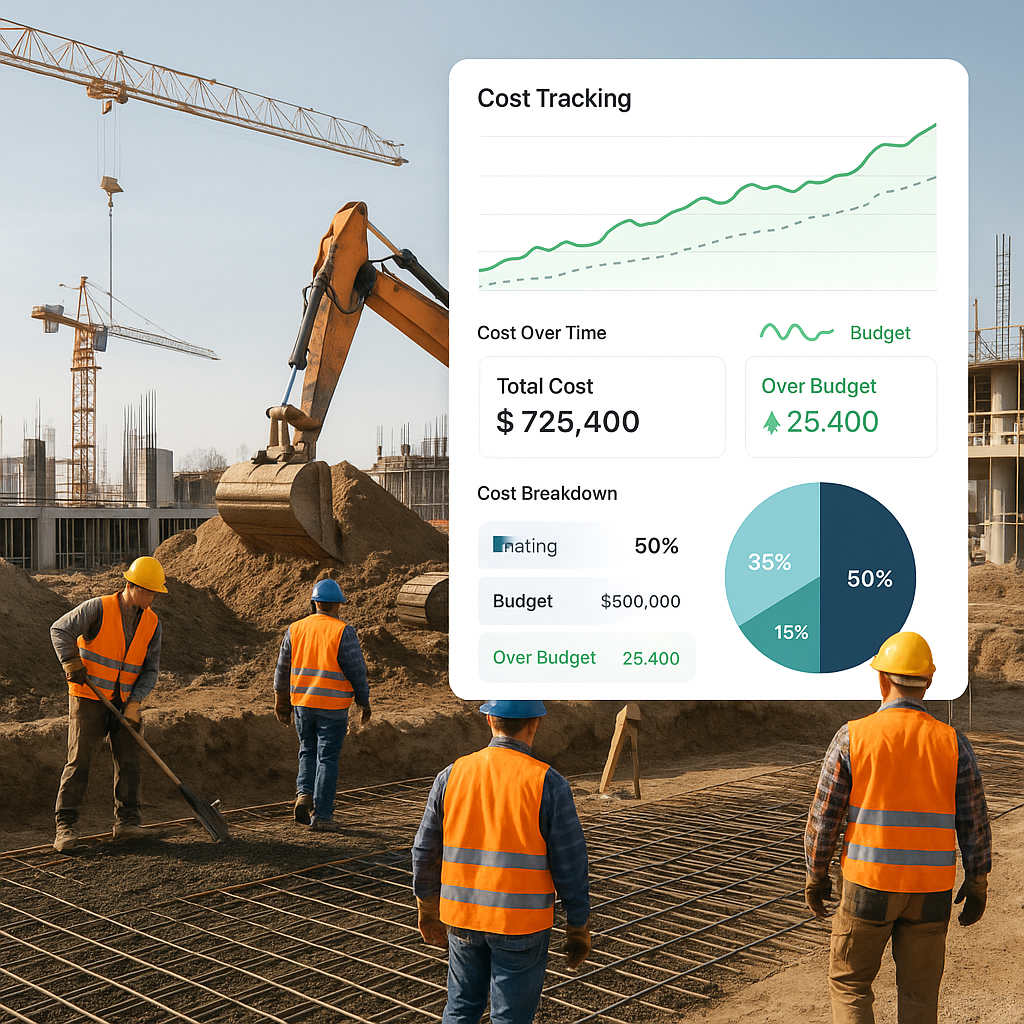
Let’s face it: most contractors don’t have a handle on their project costs. You start with a BOQ, estimate your resources, and pray your margins hold up by the time the final bill goes out. But they rarely do. Why? Because disconnected tools make it impossible to track costs in real time.
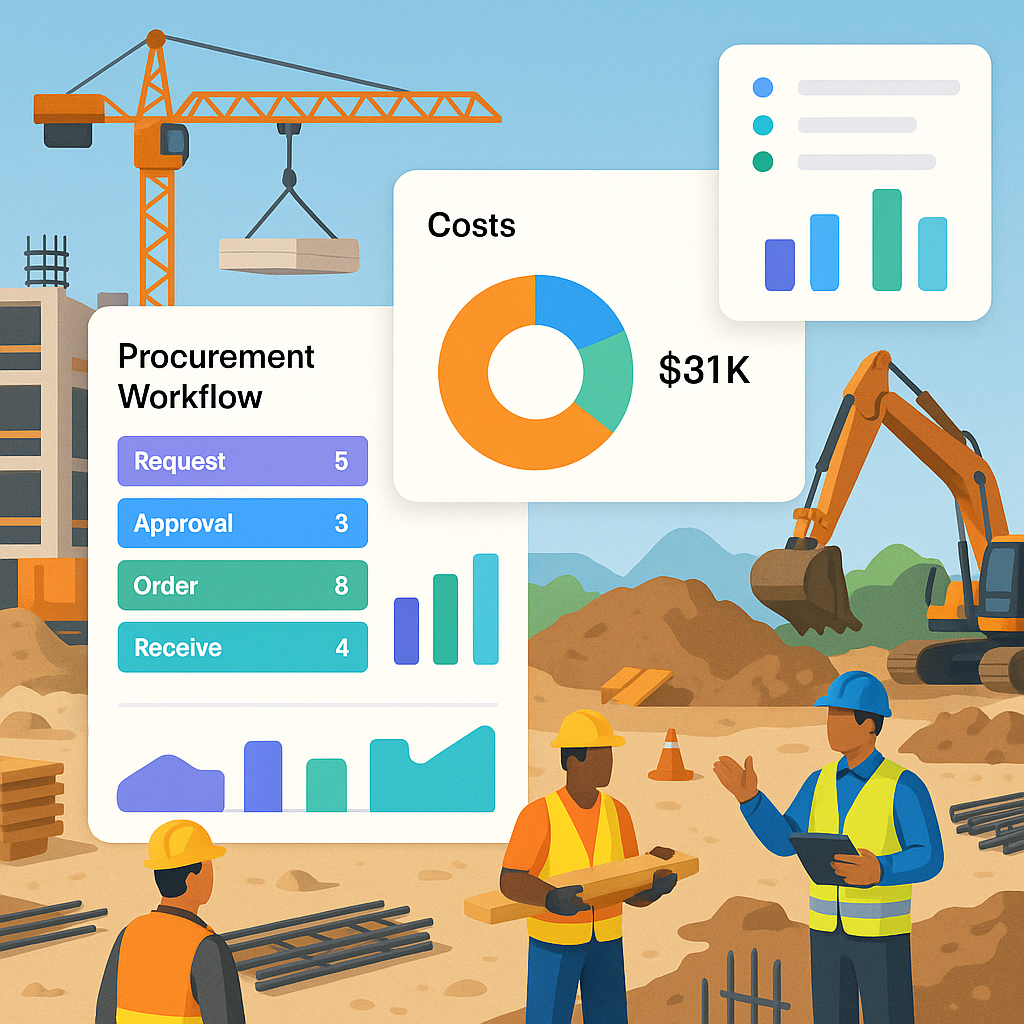
Take procurement. How many of you are still managing material requests (MRs), RFQs, and vendor POs through spreadsheets or WhatsApp? It’s a mess. Not only does this waste time, but it also leads to missed approvals, inflated costs, and delayed deliveries. You’re bleeding margins without even realizing it.
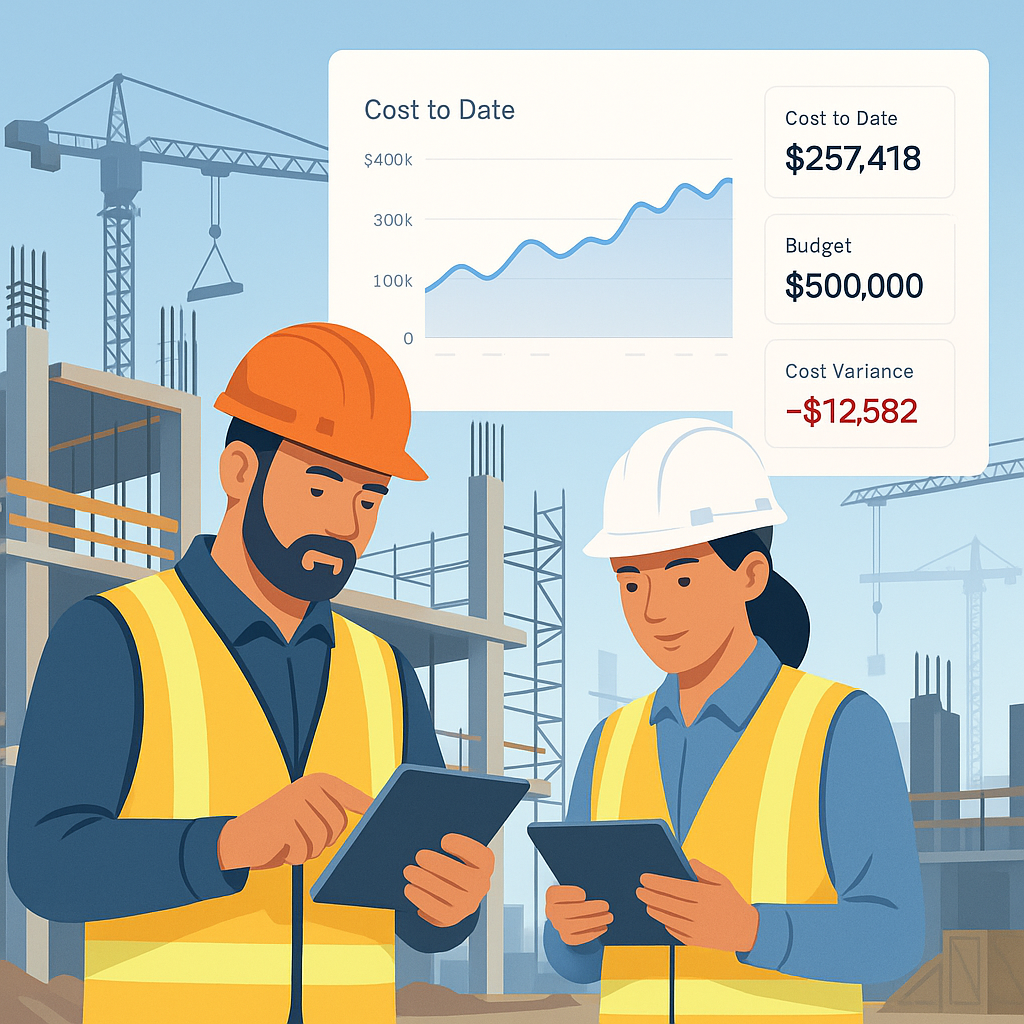
This is where a unified construction ERP like JobNext steps in. It gives you a structured workflow — MR → RFQ → Vendor Offers → PO — all in one platform. No more digging through email threads for vendor quotes. Approvals are built-in, so nothing moves forward without a green light. And the best part? Real-time cost tracking ensures you don’t exceed your project budget.
The Hidden Costs of Fragmented Systems
You might be thinking, "Why not just stick with my accounting software and a few add-ons?" Sure, tools like Tally or QuickBooks are fine for bookkeeping. But they weren’t built for multi-site operations or GCC compliance. They don’t handle RA bills, measurement-based subcontracting, or equipment utilization tracking. And good luck managing GST, TDS, or statutory deductions manually.
Let me give you a practical example. A mid-size MEP contractor we worked with in Oman had a nightmare tracking their subcontractor payments. They were using Excel to log work progress and manually calculating payments. Inevitably, mistakes crept in — overpayments, underpayments, delayed approvals. Switching to JobNext solved this with measurement-based progress tracking and automated payment controls. Result? They cut subcontractor disputes by 80%.
Why GST Compliance Shouldn’t Be an Afterthought
For Indian contractors, GST compliance is non-negotiable. But many ERPs treat it as an afterthought. That’s a problem. With JobNext, GST, TDS, and statutory deductions are baked into the system. You get automated GST filings, Tally integration, and real-time compliance tracking. No more last-minute scrambling during audits.
And for GCC contractors? VAT compliance is just as seamless. Multi-currency support means you can handle international projects without manual conversions. It’s one less thing to worry about.
What to Look for in a Construction ERP
Not all ERPs are created equal. Here’s a quick checklist:
- Unified Platform: Can it replace your tendering, procurement, billing, HR, and finance tools?
- Real-Time Cost Tracking: Does it give you project profitability updates instantly?
- Compliance Support: GST/VAT, TDS, statutory deductions — are they built-in?
- Multi-Site HR Management: Can it handle attendance, payroll, and staff allocation across sites?
- Scalability: Will it grow with your business, or will you outgrow it in two years?
JobNext ticks all these boxes. But don’t just take my word for it. Compare it with other ERPs like Penta or Sage Intacct. You’ll see the difference.
The Bottom Line
If your current setup involves juggling five different tools and praying your margins hold, it’s time to rethink. A unified construction ERP isn’t just a luxury; it’s a necessity for staying competitive. Whether you’re in India or the GCC, the right ERP can mean the difference between barely breaking even and thriving.
Want a deeper comparison? Check out this expert guide on construction ERP software.
Ready to see JobNext in action?
Multi-tenant SaaS ERP for construction, facilities management, and contracting — covering preconstruction, project execution, procurement, HR & payroll, equipment, finance, and 150+ analytics reports.
Get Started Free →Learn more at JobNext.ai - Construction ERP