The Construction Analytics Gap
Every contractor knows the pain of margin erosion. You estimate a project, the numbers look solid, and yet halfway through, you're bleeding money. Why? Disconnected systems and a lack of visibility. Without real-time analytics, you’re flying blind — relying on outdated spreadsheets or gut instincts to make decisions.
This isn’t just a small-company problem. Even mid-size contractors with 500+ employees face the same issue. A study by McKinsey found that 98% of construction projects experience cost overruns or delays. The primary culprit? Poor project tracking.
Real-Time Visibility: The Game-Changer
Imagine this: You’re managing a high-value MEP project with multiple subcontractors, equipment rentals, and material deliveries. Without real-time analytics, you’re chasing status updates through WhatsApp messages or phone calls. By the time you realize a subcontractor is behind schedule, it’s too late to fix it without costly overtime.
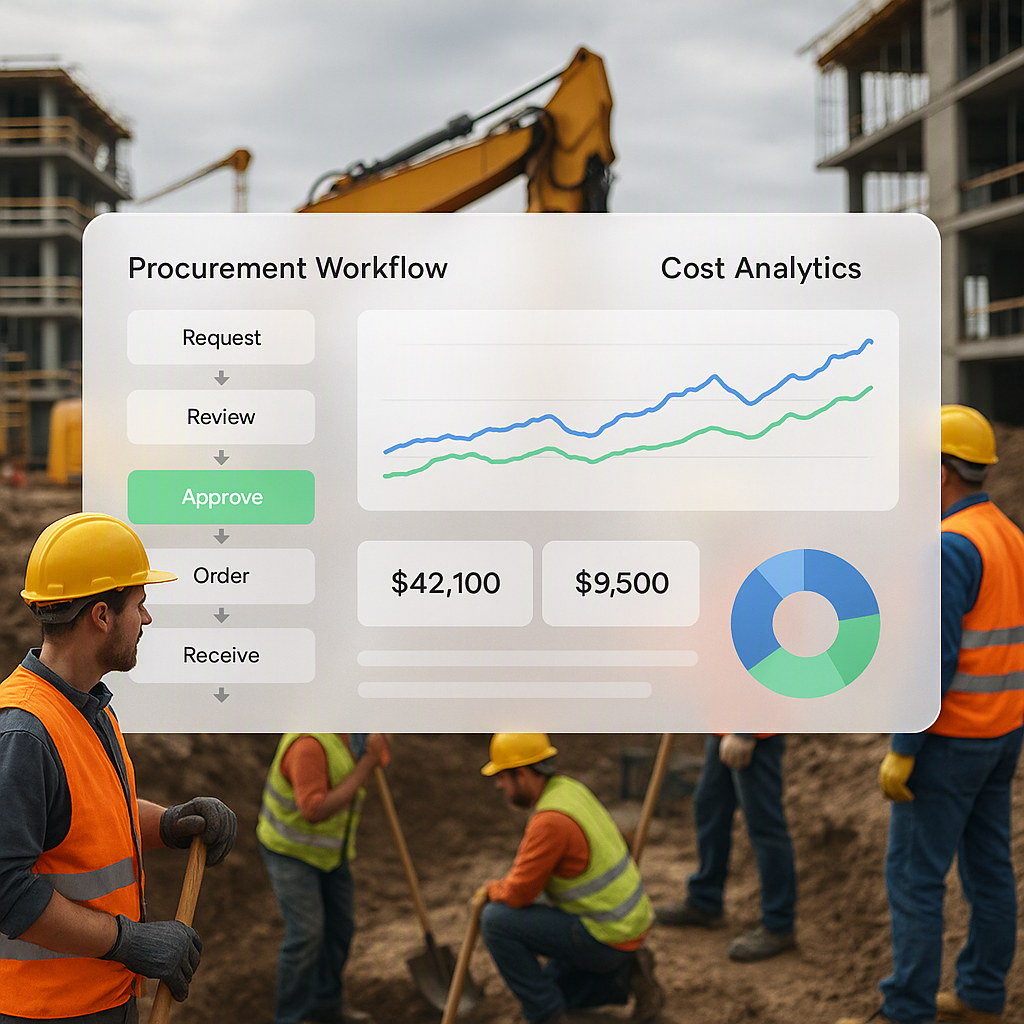
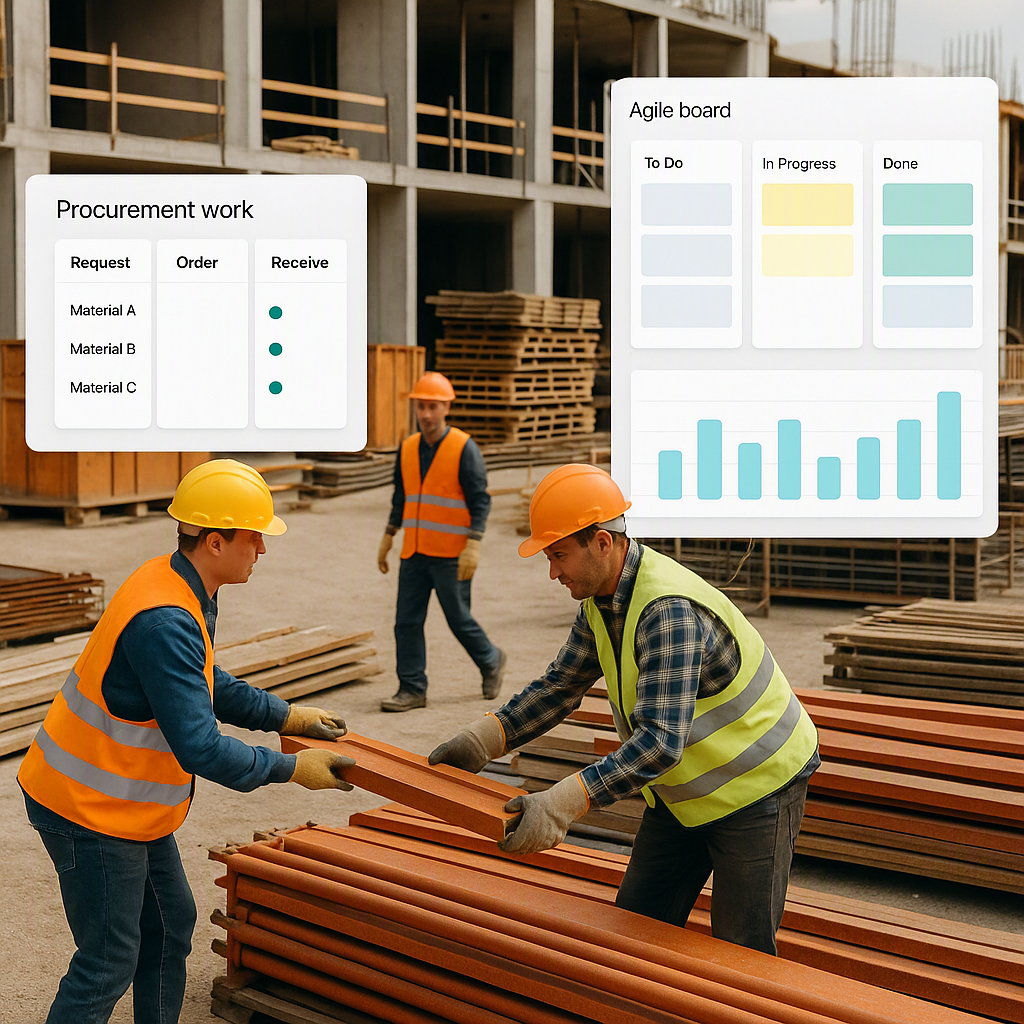
This challenge is universal across regions like India and the GCC (UAE, Saudi Arabia, Qatar, Oman, Bahrain, Kuwait), where contractors and allied trades — including HVAC, fire protection, electrical, plumbing, interiors/fit-out, and EPC — face complex multi-company workflows. Platforms like JobNext address these pain points by providing real-time dashboards across procurement, billing, HR, and equipment management. For example, its project profitability monitoring lets you see exactly how BOQ-level costs compare to estimates. That means you can catch overruns before they spiral out of control.
Practical Example: Subcontractor Billing
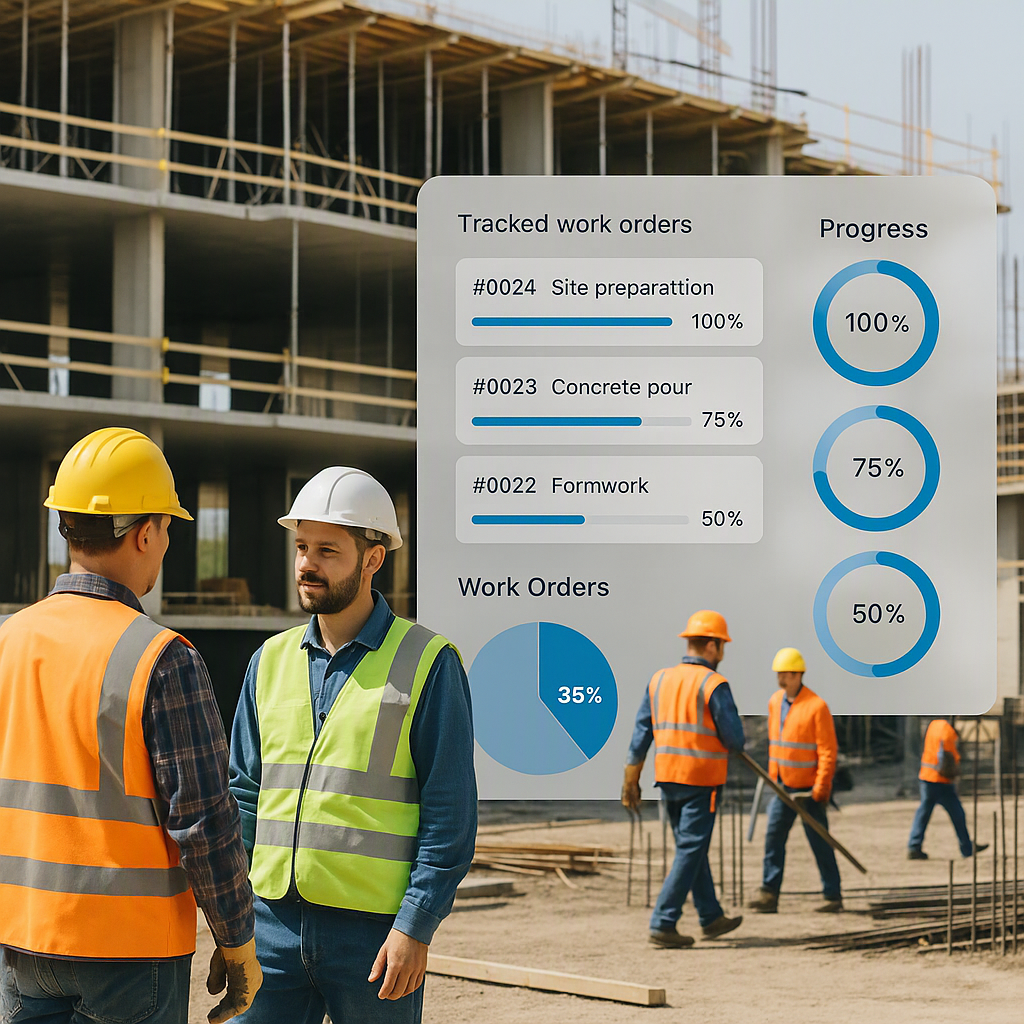
Take subcontractor billing — one of the most common sources of margin erosion. Without measurement-based progress tracking, you end up overpaying for incomplete work. JobNext’s measurement-linked payment controls solve this problem. You define milestones, track progress percentages, and automate payments based on actual measurements.
The result? No more guesswork, no more overpayments. And you can focus on execution rather than firefighting.
Why Analytics Matter for Margins
Margins in construction and allied trades average 2-7%. That’s razor-thin. Every delay, every overpayment, every missed compliance deadline eats into profitability. Real-time analytics let you monitor:
- Material costs: Compare vendor quotes instantly with structured RFQ workflows.
- Labor productivity: Track attendance and payroll across multiple sites, whether in India or GCC countries.
- Equipment utilization: Identify idle assets and redeploy them.
When you combine these data points, you get a clear picture of where money is slipping through the cracks. For contractors in India, this could mean better GST compliance and integration with tools like Tally. For GCC-based contractors, it translates to VAT tracking and managing multi-company operations within large groups.
Case Study: Al Nab’a Services
Let’s look at a real-world example. Al Nab’a Services, a facilities management company in Oman, transformed operations using real-time analytics. They cut payroll processing time from 21 days to just 7, thanks to automated HR workflows. You can read their full story here.
The biggest takeaway? Analytics weren’t just a nice-to-have — they were essential for scaling operations across 1,200 sites.
What About Smaller Contractors?
You might be thinking, “That’s great for big companies, but what about us?” The good news: analytics tools aren’t just for enterprises anymore. Platforms like JobNext cater specifically to small and mid-size contractors and allied trades. You don’t need a dedicated IT team — just a willingness to centralize your operations in one system.
The Obvious Objection: Cost
Some contractors hesitate because analytics platforms sound expensive. But here’s the reality: the cost of NOT having visibility is higher. A single missed billing item or vendor overcharge can wipe out your profits on a project. Analytics pay for themselves by catching these issues early.
Conclusion: Visibility Is Control
If you’re still relying on disconnected tools or manual processes, it’s time to rethink your approach. Real-time analytics aren’t optional anymore — they’re the difference between surviving and thriving.
For a deeper dive into how unified platforms can eliminate tool fragmentation, check out this post.
Want to see how analytics can transform your operations? Visit JobNext.ai.
Learn more at JobNext.ai - Construction ERP