ERP Comparison: The GST Compliance Gap
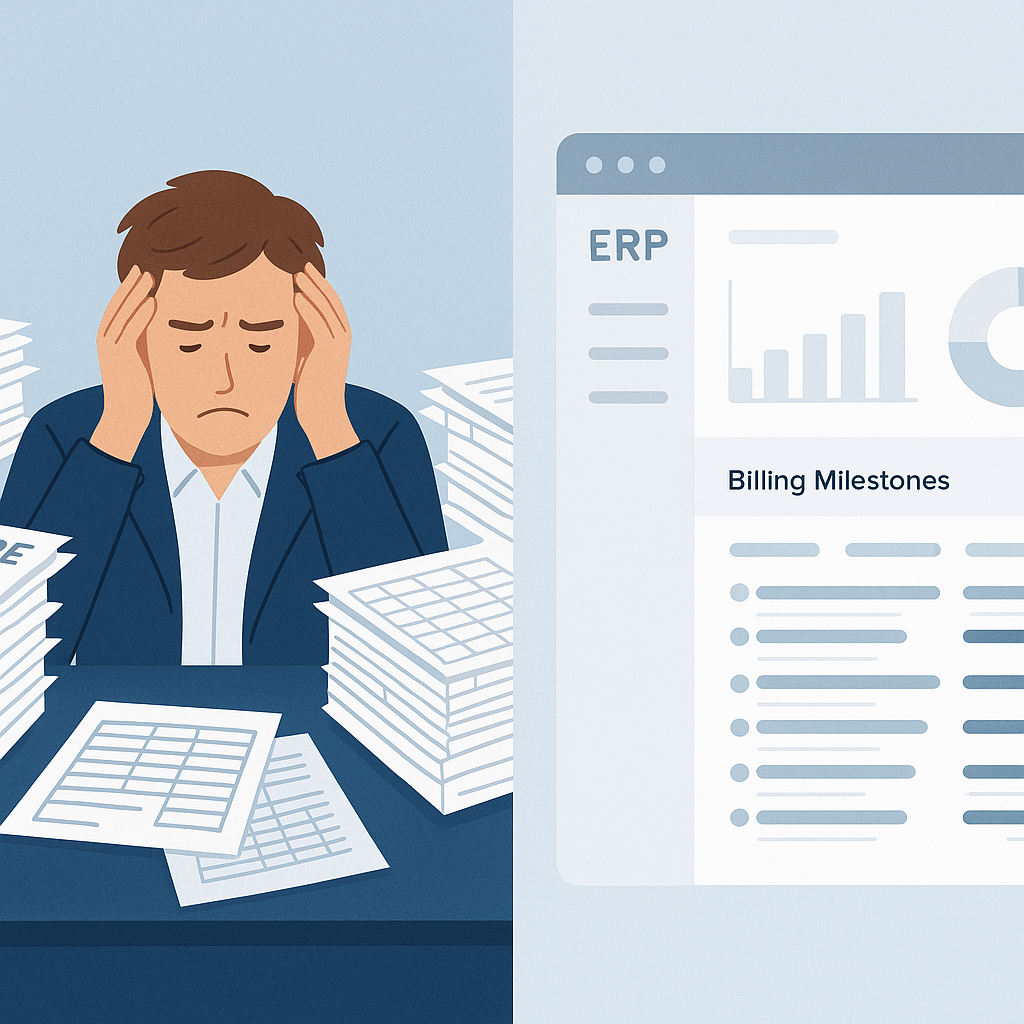
Here’s a hard truth: most construction ERPs claim GST compliance but fail miserably. They’re either riddled with manual workarounds or don’t integrate properly with Tally (if you’re in India, that’s a dealbreaker). And if you’re managing multi-site operations, the complexity only multiplies. Compliance gaps lead to penalties, lost time, and worst of all—cash flow headaches.
Why GST Compliance Is Non-Negotiable
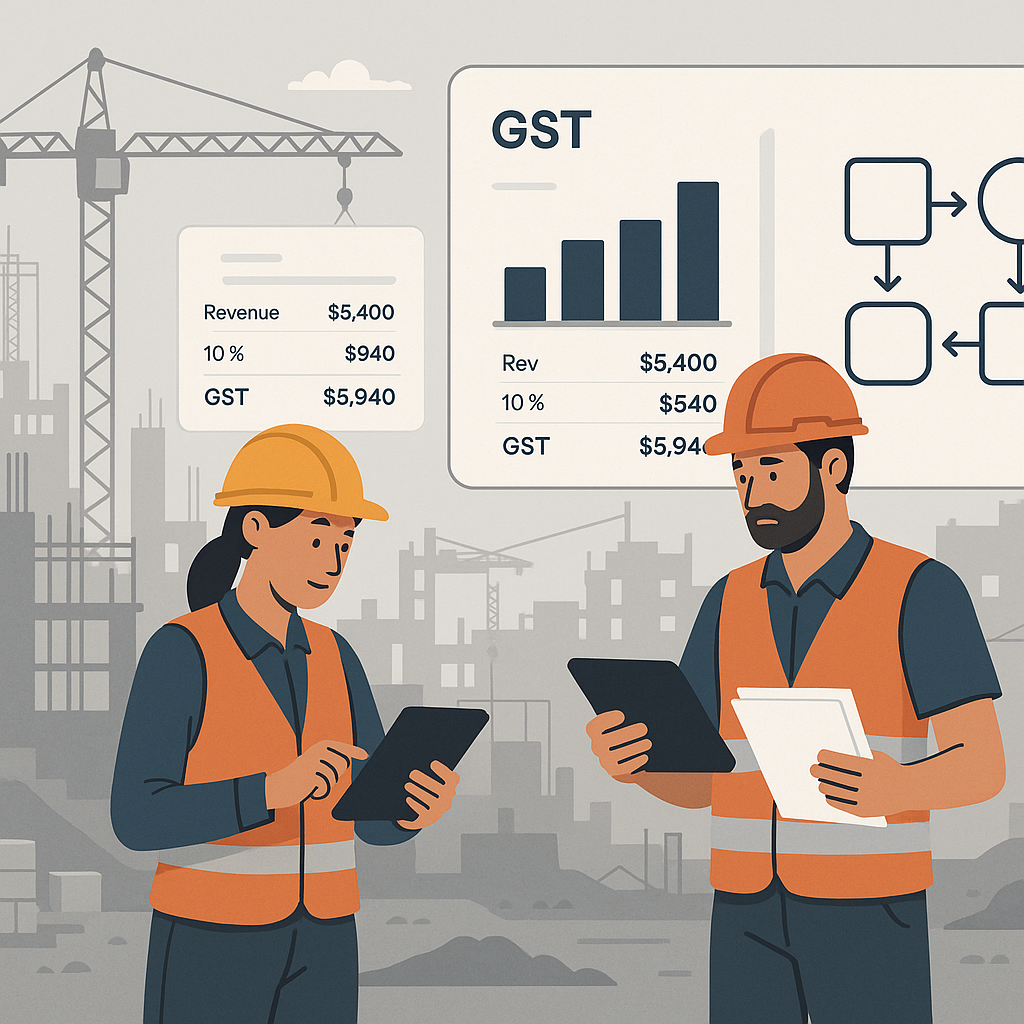
Let’s get practical. If you’re working in India, GST tracking isn’t optional. You’ve got to calculate GST across material procurement, subcontractor payments, and project billing while ensuring deductions like TDS, PF, and ESI are correctly applied. Miss a single statutory deduction? You’re looking at a fine or audit nightmare.
But it’s not just about avoiding penalties. Proper GST tracking keeps your margins intact. If you don’t know your net tax liability until the end of the month, how can you forecast cash flow? You can’t.
Where Most ERPs Mess Up
Here’s what we’ve seen go wrong with other systems:
-
Manual Tax Calculations: Some platforms expect you to calculate GST manually in Excel or upload tax reports separately. That’s not ERP—it’s a glorified spreadsheet.
-
No Tally Integration: Many “GST-compliant” ERPs don’t integrate with Tally. This means your finance team spends hours reconciling data between systems.
-
Ignoring Multi-Site Complexity: If you’ve got multiple sites, GST compliance gets tricky. You might need location-specific tax reporting depending on state laws. Few ERPs handle this without manual intervention.
What Actually Works: A Real Example
JobNext handles GST compliance the right way. It’s built for contractors managing complex operations—think EPC, HVAC, and MEP companies with multiple concurrent projects. Here’s how it solves the compliance nightmare:
-
Automatic GST Calculations: GST is calculated directly in the system for procurement, billing, and subcontractor payments. No manual input required.
-
Tally Integration: JobNext syncs directly with Tally, ensuring your statutory deductions (GST, TDS, PF, ESI) match your books. No messy reconciliations.
-
Multi-Site Reporting: Whether you’re working in Tamil Nadu or Maharashtra, JobNext lets you track location-specific tax liabilities.
You might wonder: “Do I really need an ERP just for GST compliance?” Truth is, GST compliance alone isn’t enough to justify an ERP. But when paired with features like real-time project profitability tracking, structured workflows (MR→RFQ→PO), and subcontractor cost controls, it becomes part of a bigger system that saves you money.
The Obvious Objection
“Can’t I just use QuickBooks or Tally directly?” Sure, if you’re running one or two small projects. But once you scale, those tools don’t cover things like multi-project BOQ tracking or automated subcontractor payments tied to progress measurements. JobNext isn’t just about compliance—it’s about not losing money to disconnected systems.
Bottom Line
When comparing construction ERPs, don’t get distracted by flashy dashboards or vague promises of “streamlined operations” (oops, banned word). Look for practical features that solve real problems. GST compliance is one of them. And if your ERP doesn’t integrate with Tally and automate statutory reporting? It’s not ready for the real world.
Want to see how JobNext tackles compliance and more? Check out our Construction ERP Comparison Guide.
Sources
- ERP Focus: Comparison of top construction ERPs.
- SelectHub: Key features and trends in construction ERP software.
- ProjectsNext Blog: Unified platforms vs fragmented tools.
Word Count: 730
Ready to see JobNext in action?
Multi-tenant SaaS ERP for construction, facilities management, and contracting — covering preconstruction, project execution, procurement, HR & payroll, equipment, finance, and 150+ analytics reports.
Get Started Free →