Let’s Talk About the Silent Killer: GST Compliance Failures
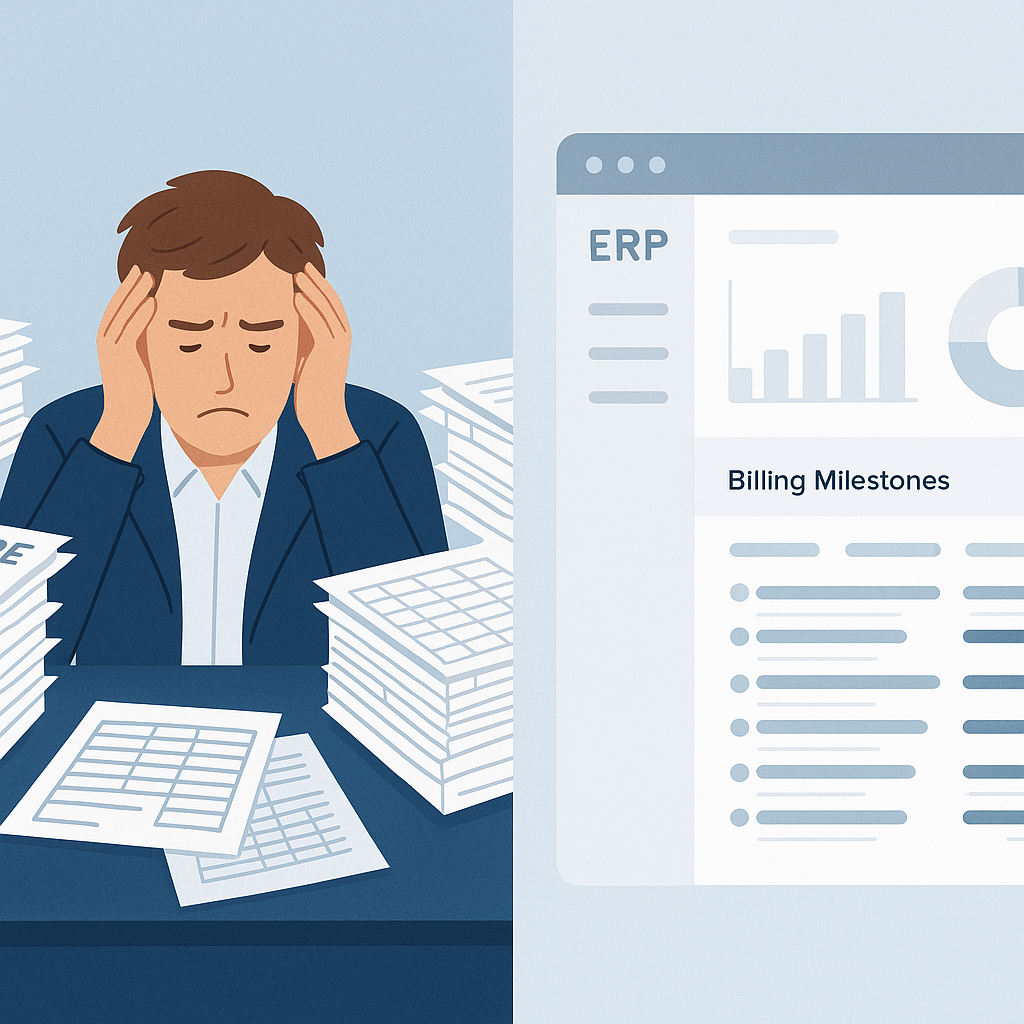
When contractors think about ERP software, they usually focus on the big stuff: tendering, procurement, project tracking. And sure, those matter. But GST compliance? That’s where things get messy. It’s not glamorous, but it’s critical. Get it wrong, and you’re looking at fines, delayed payments, or worse—an IT department drowning in manual reconciliations.
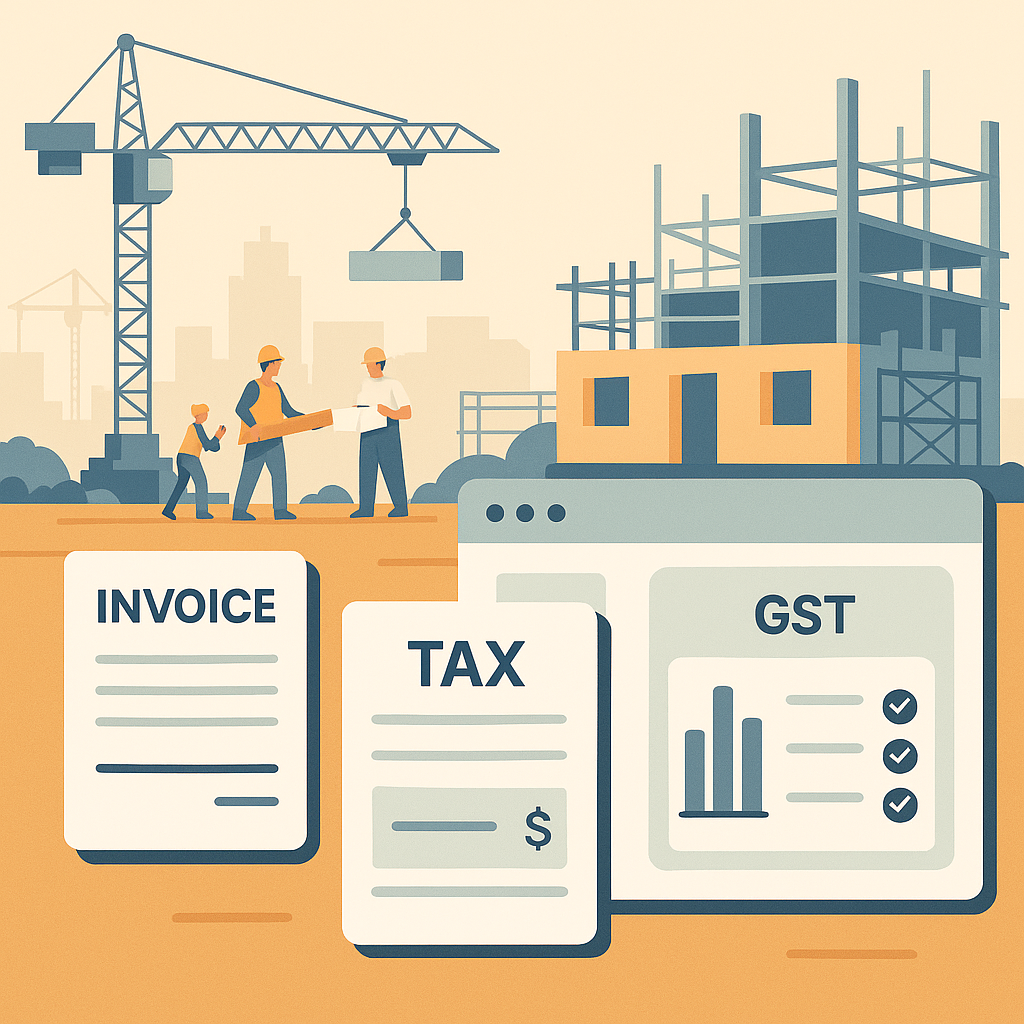
You might be thinking, “Doesn’t every ERP handle GST by default?” Not really. Most systems treat it as an afterthought. They give you basic tax codes, maybe some preconfigured templates. But construction contractors deal with way more complexity than that. Inter-state supply? Reverse charge mechanism? GST on subcontractor payments? These aren’t edge cases—they’re everyday headaches.
What Happens When Your ERP Falls Short
Let’s say you’ve got a project running across two states in India. Materials are procured in one state, shipped to another, and used across multiple sites. Each transaction needs to be tracked with the correct GST split—IGST, CGST, SGST—and filed accordingly. If your ERP doesn’t automate this, you’re stuck exporting data to Excel, manually recalculating taxes, and praying you don’t miss a deadline. One missed GST filing can cost up to ₹10,000 in penalties (Source: ClearTax).
Worse, manual errors snowball. Misclassified transactions lead to mismatched GST returns (GSTR-1 vs. GSTR-3B), which means delayed Input Tax Credit (ITC). That’s cash sitting in limbo. For contractors running tight margins—often as low as 5%—this isn’t just inconvenient. It’s existential.
How JobNext Gets It Right
Here’s where JobNext shines. GST compliance isn’t bolted on—it’s baked in. Every transaction, whether it’s a subcontractor invoice or a material procurement, automatically applies the right GST treatment. Reverse charges? Handled. Interstate purchases? Split correctly. Filing deadlines? JobNext syncs with Tally, so your accountant isn’t scrambling at the last minute.
Take statutory deductions like PF and ESI. Most ERPs don’t bother integrating these with GST workflows. JobNext does. It ensures that every deduction is compliant, right down to the bank guarantee tracking. This isn’t just convenient—it’s peace of mind for Finance Controllers who are tired of chasing down errors.
The Obvious Objection
“But my current system already tracks GST,” you say. Fair enough. But does it track GST across six different billing methods? RA Bills, stage-wise, monthly, supply BOQ... the list goes on. Most generic ERPs choke when you introduce this level of complexity. And don’t even get me started on subcontractor payments. Without measurement-based progress tracking, you’re flying blind.
Why It Matters Now
GST audits are ramping up. In FY 2022-23, the Indian government conducted over 1.4 lakh GST inspections (Source: Economic Times). That’s a 32% increase year-on-year. If your ERP can’t back you up with accurate, real-time data, you’re one audit away from chaos.
The right ERP doesn’t just save you time. It saves your margins. And in an industry where every rupee counts, that’s not optional.
Ready to see JobNext in action?
Multi-tenant SaaS ERP for construction, facilities management, and contracting — covering preconstruction, project execution, procurement, HR & payroll, equipment, finance, and 150+ analytics reports.
Get Started Free →