The Hidden GST Compliance Problem in Construction ERPs
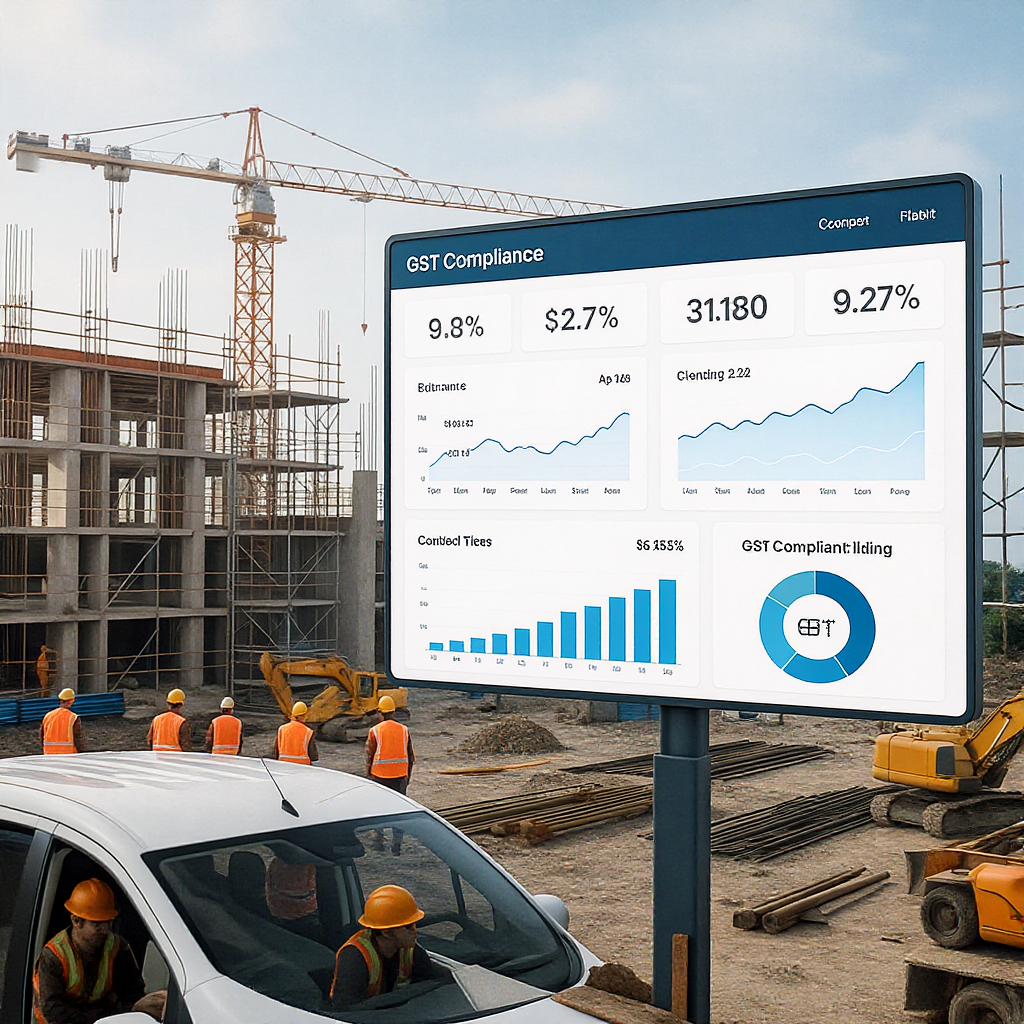
Let’s be real: managing GST in construction isn’t just about filing returns. You’ve got TDS deductions, subcontractor payments, RA bills, and retention amounts. If your ERP doesn’t handle these properly, you’re stuck with manual adjustments — or worse, penalties.
Most general-purpose ERPs miss the details contractors need. For example, they might track GST but overlook statutory deductions like PF and ESI. Or they don’t integrate with Tally, forcing your finance team to duplicate work. Not ideal.
Common ERP Failures in GST Handling
We’ve seen this firsthand. Some ERPs claim they’re “GST compliant” but fail in execution:
-
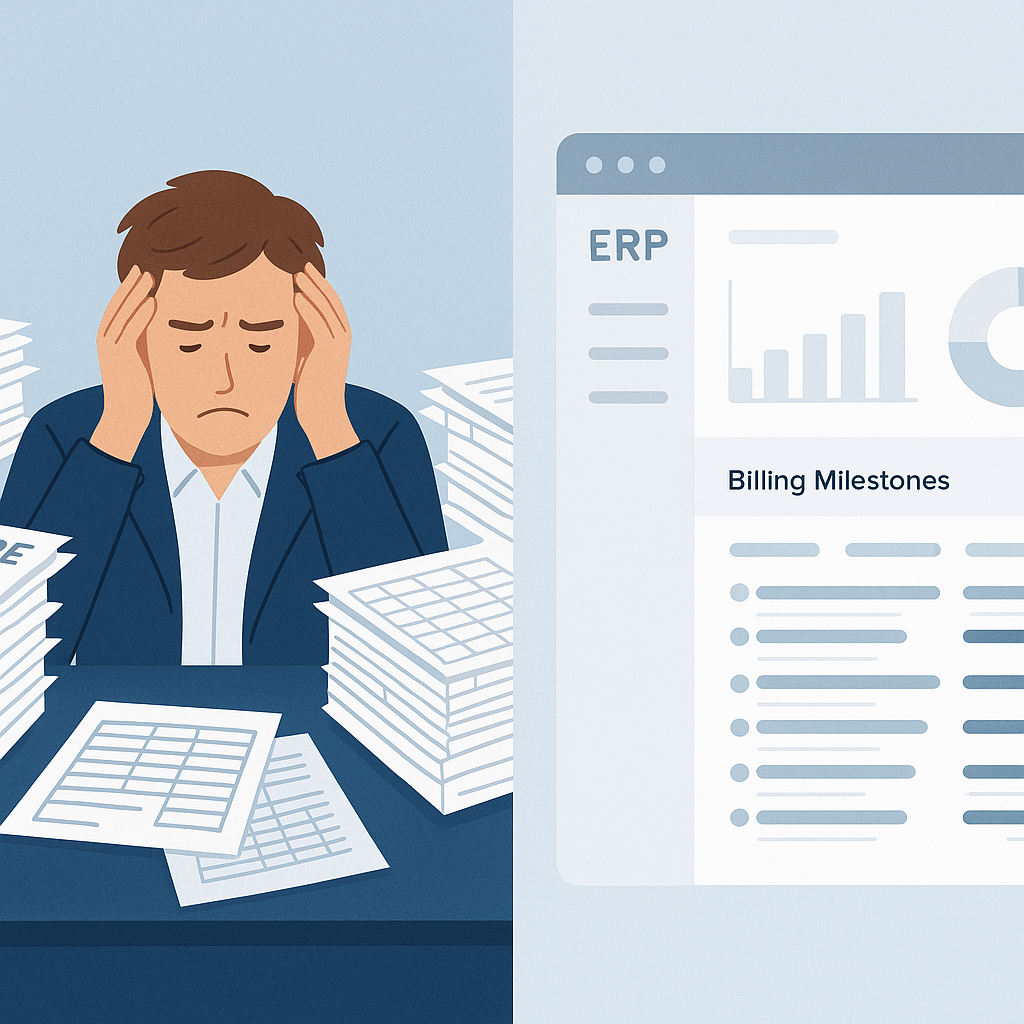
Limited Support for Billing Methods: Construction projects use RA bills, milestone-based billing, and BOQ-based invoicing. A lot of ERPs only support generic invoicing workflows. What happens? Revenue leakage — because unclaimed bills pile up.
-
No Tally Integration: Indian contractors still rely on Tally for statutory reporting. If your ERP doesn’t sync directly, you’re adding hours of manual work every month.
-
Weak Subcontractor Tracking: Subcontractor payments involve GST, TDS, and sometimes retention clauses. If your ERP doesn’t map these, you’re risking compliance issues.
What Actually Works?
Let’s talk solutions. JobNext, for example, was built with contractors in mind. Here’s how it handles GST compliance:
- 6 Billing Methods: RA bills, BOQ-based, milestone, monthly, combined, and one-time. You’ll never miss claiming revenue because the system matches real-world workflows.
- Tally Integration: Sync GST and TDS data directly to Tally for accurate statutory reporting. No double entry.
- Subcontractor Compliance: Automatically calculate TDS and GST for subcontractor payments. Plus, track retention and release schedules to avoid disputes.
Is this the only ERP that works? No. But it’s one of the few designed specifically for contractors.
Picking the Right Construction ERP
How do you choose? Here’s a checklist:
-
GST and TDS Handling: Look for systems that automate calculations for invoices, subcontractor payments, and deductions.
-
Billing Flexibility: Check if the ERP supports RA bills, stage-wise billing, and BOQ invoicing. If it doesn’t, you’ll lose money over time.
-
Integration with Accounting Tools: Indian contractors need Tally integration. In the GCC, look for VAT compliance.
-
Real-Time Profitability Tracking: Margin erosion often starts with bad GST and billing workflows. A good ERP should show real-time project profitability.
The Bottom Line
You might be thinking, “Can’t I just use Tally directly?” Sure, but it won’t help you track profitability or automate workflows. And manual GST adjustments for RA bills? That’s a nightmare.
Construction ERPs aren’t plug-and-play. You need one built for your trade — whether it’s EPC, HVAC, or general contracting. JobNext handles this well, but it’s not the only option. Just be sure your ERP checks all the boxes above.
Want to see how JobNext tackles GST compliance? Learn more here.
Ready to see JobNext in action?
Multi-tenant SaaS ERP for construction, facilities management, and contracting — covering preconstruction, project execution, procurement, HR & payroll, equipment, finance, and 150+ analytics reports.
Get Started Free →