Why Percentage-Complete Tracking Falls Short
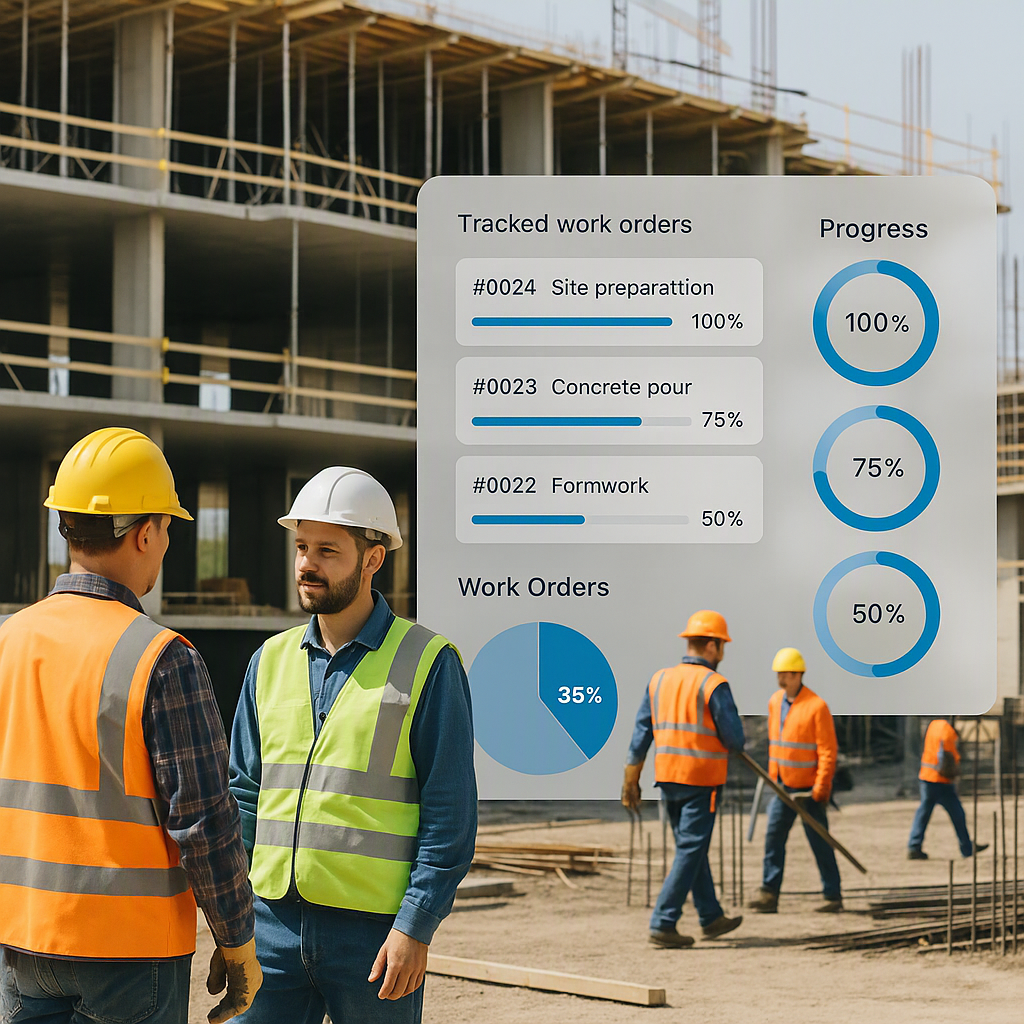
Percentage-complete tracking is everywhere in construction and allied trades like MEP, HVAC, fire protection, electrical, plumbing, interiors/fit-out, and EPC. On paper, it seems logical: measure progress as a percentage of the total project scope. But here’s the problem — it’s wildly subjective. Ask three site managers how "50% complete" looks, and you’ll get three different answers.
The biggest issue? It doesn’t tie progress to costs. You might think a project's halfway done, but what if you've already spent 80% of the budget? That’s a margin killer.
Take subcontractor billing as an example. With percentage-complete tracking, you’re relying on vague estimates to approve payments. It’s easy to overpay for work that’s not actually complete. And once the money’s gone, good luck clawing it back.
BOQ-Based Tracking: What Makes It Different
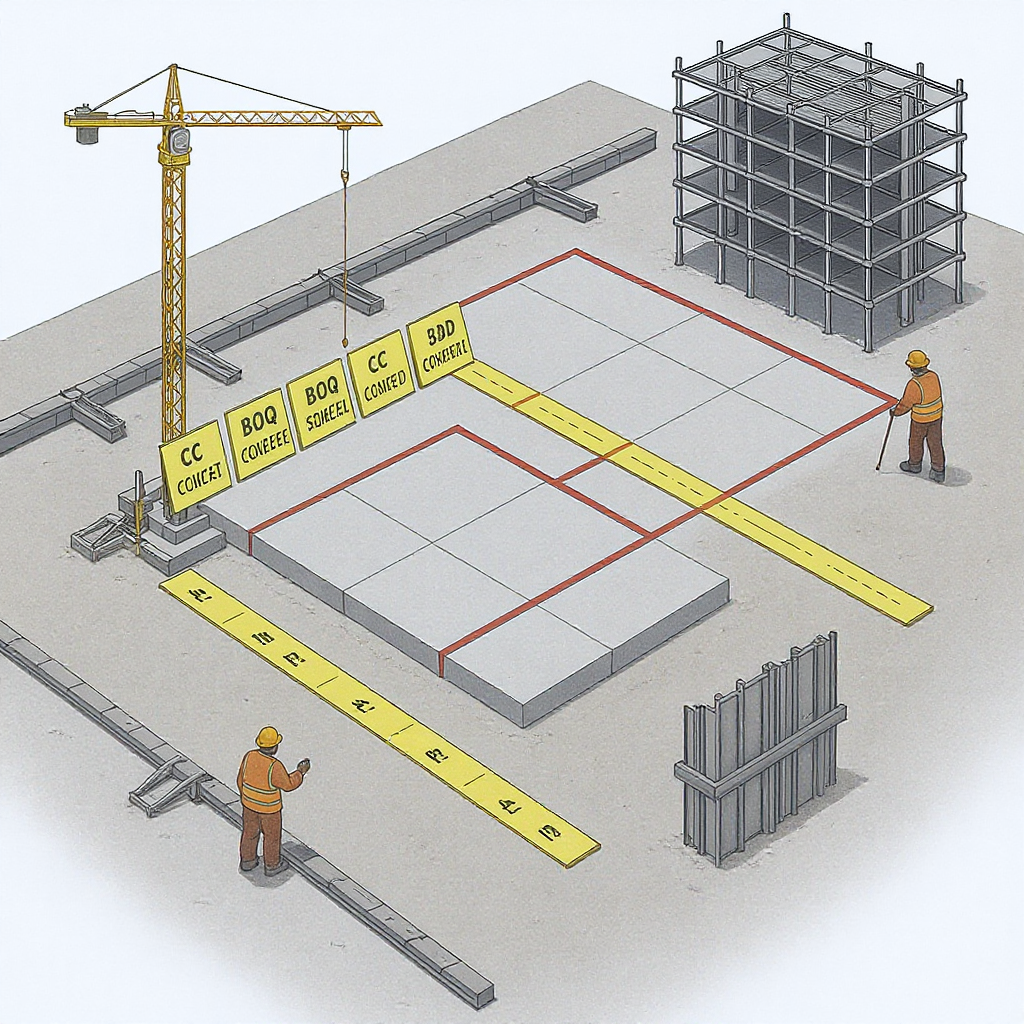
BOQ (Bill of Quantities)-based tracking flips the script. Instead of guessing progress percentages, you track actual completed quantities against the BOQ. Did the subcontractor lay 500 cubic meters of concrete this week? Great — you log it, verify it, and pay accordingly. No guesswork.
This system ties every piece of progress back to cost. You know exactly how much you’ve spent on completed work and how much is left. It’s not just clearer — it’s safer.
Practical Example: Subcontractor Management with JobNext
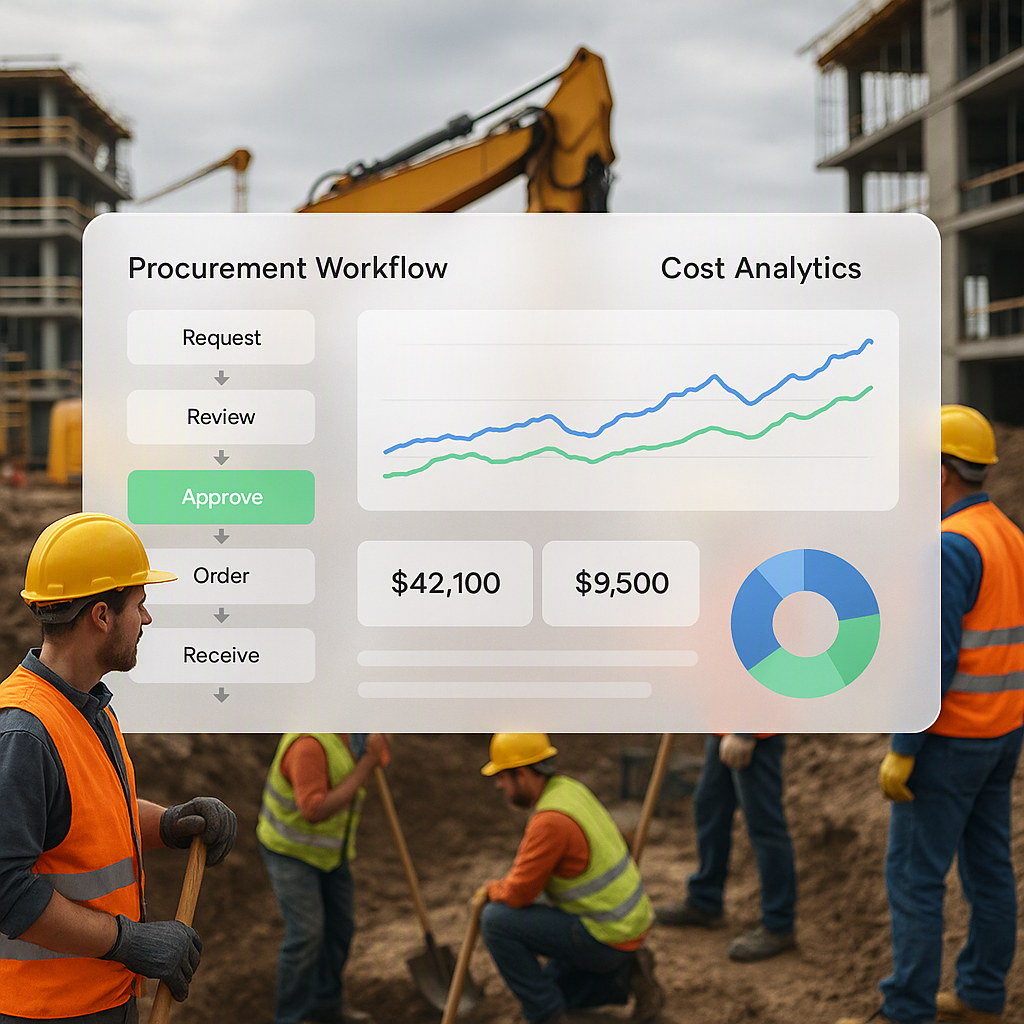
Here’s where tools like JobNext shine. JobNext’s BOQ-based progress tracking integrates directly into its subcontractor workflows. You can verify completed quantities, lock payments to actual progress, and avoid cost overruns. For example, the WR → RFP → WO → Measurements workflow ensures that subcontractor work is measured and approved before payments are released.
This isn’t theoretical. In the blog post “The Contractor's First ERP: What Nobody Tells You About Going Digital,” JobNext outlines how this approach helped contractors across India and the GCC eliminate billing disputes and save margins. Real-world results, not just theory.
Comparing Methods: BOQ vs. Percentage-Complete
| Criteria | BOQ-Based Tracking | Percentage-Complete Tracking |
|---|---|---|
| Accuracy | Tracks actual quantities | Relies on subjective estimates |
| Cost Control | Tied directly to expenses | Disconnect between progress and budget |
| Subcontractor Oversight | Measurement-based payments | Risk of overpayment |
| Margin Protection | Real-time visibility into cost vs. progress | Difficult to spot overruns early |
BOQ-based tracking wins on every metric that matters. It’s not perfect — you’ll still need to verify quantities on-site — but it’s far more reliable than percentage-complete.
Why Contractors Are Switching
The shift to BOQ-based tracking is no coincidence. Margins in construction and allied trades are razor-thin, often between 2% and 7%. A single mistake in progress tracking can wipe out profits. With BOQ-based tracking, contractors and trade specialists (civil, MEP, HVAC, fire protection, electrical, plumbing, interiors, and EPC) get a clearer picture of both progress and costs, making it easier to manage budgets and timelines.
And with tools like JobNext offering built-in BOQ hierarchies, the process becomes even smoother. You can break projects into WBS (Work Breakdown Structure), track resource allocation, and monitor profitability in real-time. Construction Digital Transformation: A No-Nonsense Roadmap for Mid-Size Contractors highlights how digital tools like these are becoming essential for contractors and trade businesses across India and the GCC who want to stay competitive.
The Bottom Line
Percentage-complete tracking might seem easier, but it’s often less reliable. BOQ-based tracking gives contractors and allied trade professionals the accuracy and cost control they need to protect margins and avoid surprises. It’s not just a better system — it’s a smarter way to run projects.
Want to see how BOQ-based tracking works in action? Check out JobNext.
Learn more at JobNext.ai - Construction ERP