Why Agile Doesn’t Fit Construction Perfectly—and What to Do Instead
I used to think Agile project management was the magic bullet for construction projects. After all, it works wonders in software development. Why not construction? Break big projects into smaller deliverables, iterate, adjust along the way, and boom—efficiency skyrockets. At least, that’s what I thought.
Then I saw the reality.
On a project in Bengaluru—a mixed-use high-rise—we decided to adopt Agile principles, thinking it would help us manage our resources better. The idea seemed solid: divide the project into smaller sprints, get quick feedback, and keep adapting. But by the third sprint, we were knee-deep in problems. Resource allocation was a nightmare. Materials were late, subcontractor invoices didn’t match the actual work done, and site supervisors were juggling too many tasks because we hadn’t planned their workload properly. The project timeline? Let’s just say it wasn’t looking good.
So, what happened? Why did Agile, which works so well for tech teams, feel like a square peg in a round hole for construction?
Why Agile Is Tough in Construction
The challenges boil down to a few key issues:
1. Resource Allocation Is Tangible, Not Virtual
In software, resources are mostly people and time. When a developer is assigned to a task, the process is relatively straightforward. But in construction, you’re dealing with physical materials, equipment, and labor—spread across multiple sites. If your concrete delivery is delayed, you’re not just slowing down one task. You’re halting a whole chain of activities: rebar work, formwork, pouring, and curing. This ripple effect is brutal and can throw the entire project off track.
According to a 2017 doctoral dissertation by Kumara P.M.W.P. from the University of Moratuwa, one of the common failures in Agile construction projects stems from inadequate resource planning, particularly in dynamic environments like multi-site construction.
Actionable step: Develop a detailed resource dependency map before execution begins. Use tools that provide real-time tracking of material deliveries, labor allocation, and equipment usage. Ensure you have contingency plans for critical materials or tasks that have a cascading effect.
2. Long Lead Times That Don’t Fit Sprints
Agile thrives on short cycles, usually two to four weeks. But in construction, procurement cycles can be much longer. For instance, ordering structural steel might involve a four- to six-week lead time. If your sprint is designed to complete a slab within two weeks, but the steel doesn’t arrive on time, your sprint fails before it starts.
A 2024 paper by I. Sedhom, cited six times in academic literature, emphasizes the misalignment between Agile sprint cycles and construction procurement processes. The study highlights how long lead times for materials like steel and concrete often derail Agile workflows unless properly accounted for.
Actionable step: Synchronize sprint planning with procurement timelines. If a material has a four-week lead time, plan the sprint to begin only after the material is on-site. Use technology to forecast material requirements and flag delays early.
3. Subcontractor Coordination Is Messy
In tech, your team is often centralized and aligned with the same goals (at least in theory). But construction relies heavily on subcontractors, each with their own schedules, priorities, and methods. Getting everyone to align with Agile sprints is a logistical headache.
The Project Management Institute (PMI) Vietnam Chapter recently hosted an event exploring Agile project management for construction. One key takeaway was the importance of integrating subcontractors into structured workflows to address the coordination challenges that Agile sprints exacerbate.
Actionable step: Implement a Work Request (WR) to Work Order (WO) system. This ensures subcontractors are held accountable for specific deliverables within agreed timelines. Clear communication channels and structured workflows can minimize misunderstandings.
4. Compliance and Documentation Slow Things Down
Construction projects, particularly in regions like India and the GCC, come with a maze of compliance requirements. GST filings, TDS deductions, and Tally integrations aren’t just bureaucratic hurdles; they’re essential to avoid penalties. But they also slow down agility and make real-time pivots harder.
Actionable step: Integrate compliance tracking into your project management tools. For example, platforms like ProjectsNext can automate documentation workflows, ensuring compliance doesn’t become a bottleneck.
What Changed My Mind
The turning point came when I saw how technology could bridge these gaps. I came across tools like ProjectsNext that are built specifically for construction. These aren’t generic project management tools trying to fit a round peg into a square hole. They’re tailored for the unique challenges of our industry.
Key Features of ProjectsNext:
- Material Requisition to Purchase Order Workflow: Plan material needs well in advance and track every step of the procurement process.
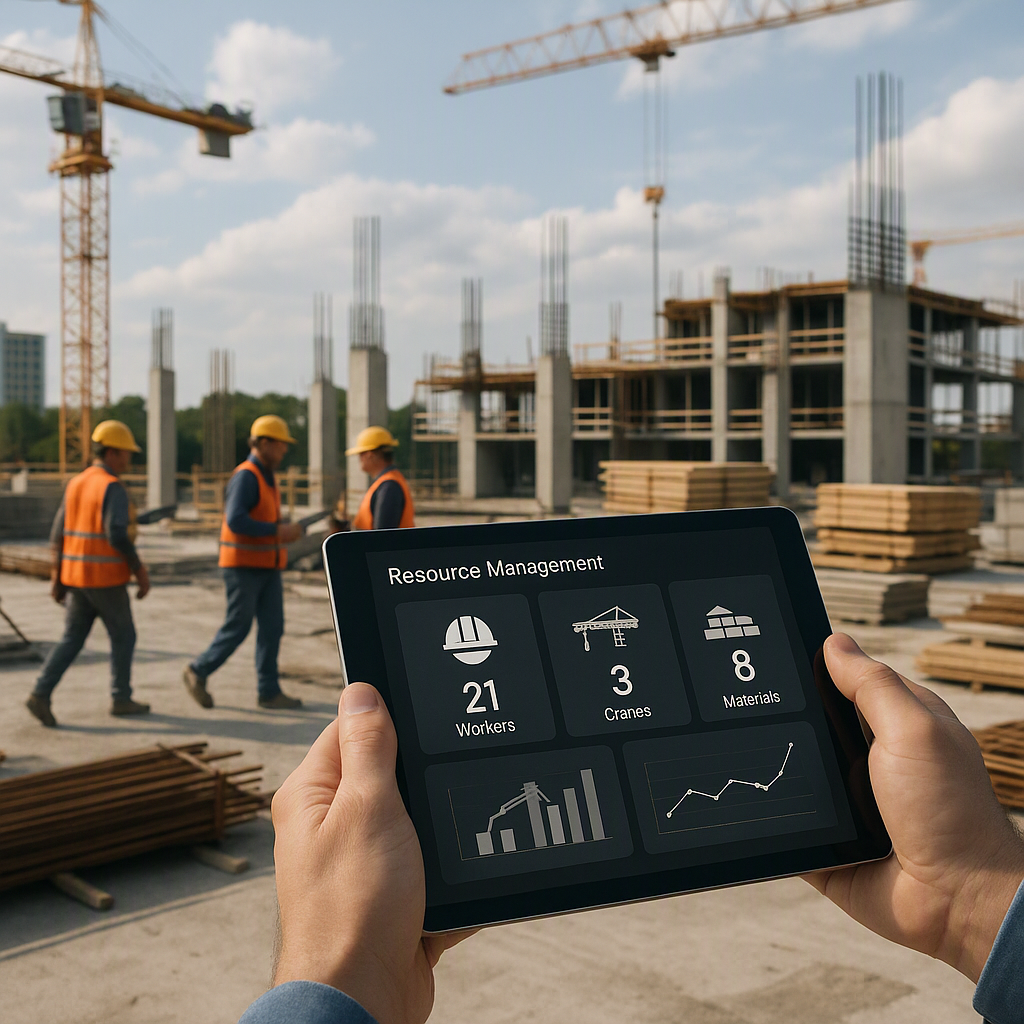
- Real-Time Resource Management: Monitor labor, materials, and equipment allocation across sites. Quickly reassign resources as needed.
- Subcontractor Management: The WR-to-WO system ensures subcontractors are paid only for approved work.
Using technology like this has been a game-changer, helping us address the inefficiencies that made Agile difficult to implement in construction.
Why My Old Belief Persisted
To be fair, my old belief wasn’t entirely baseless. Agile has some great principles that feel intuitively right. Everyone likes the idea of breaking work into manageable chunks, responding to change, and delivering value faster. And for smaller teams or less complex projects, it can work.
But construction isn’t software. It’s not just about moving tasks around on a Kanban board. You’re managing physical assets, coordinating multiple teams, and dealing with government regulations. And let’s not forget the weather.
I also underestimated the learning curve. Agile isn’t just a set of practices; it’s a mindset shift. And that’s a tough sell in an industry where many practices are rooted in tradition.
What I Do Differently Now
I still believe in Agile, but I’ve learned to adapt it to construction’s realities. Here’s what we do now:
-
Use Agile for Planning, Not Execution: Agile principles work well during the preconstruction phase for breaking down the project into smaller scopes and identifying risks early. But for execution, we switch to traditional project management methods that align with construction’s linear workflow.
-
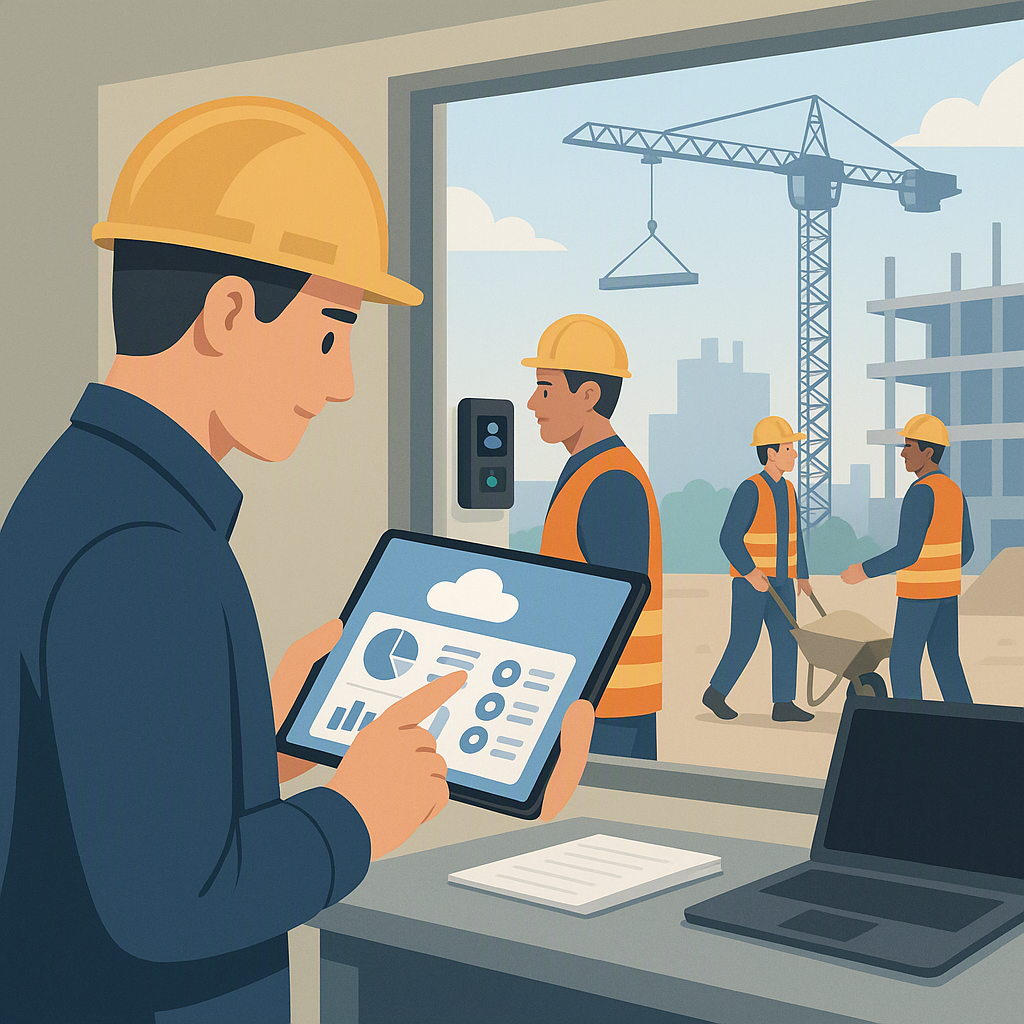
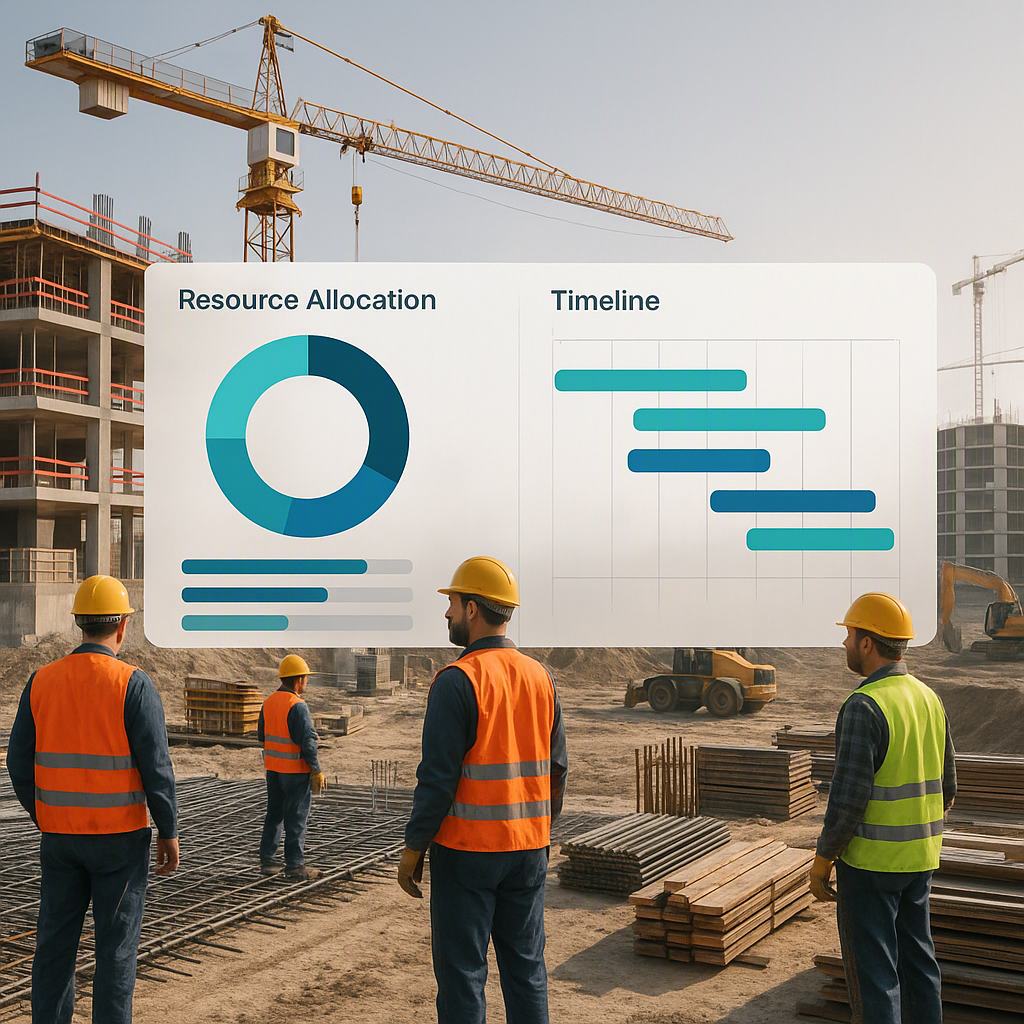
Leverage Technology: Tools like ProjectsNext are now integral to our process. They provide real-time dashboards for resource allocation, allowing us to make data-driven decisions.
-
Align Procurement with Sprints: We ensure that sprint planning accounts for procurement timelines. This avoids delays caused by long lead times.
-
Streamline Subcontractor Management: Structured workflows, like the WR-to-WO system, help us maintain control over subcontractor deliverables and payments.
Comparison: Agile vs. Traditional Construction Project Management
| Feature | Agile Construction | Traditional Construction |
|---|---|---|
| Approach | Iterative, flexible | Linear, rigid |
| Best For | Small, less complex projects | Large, complex infrastructure projects |
| Resource Management | Dynamic, real-time adjustments | Pre-planned, fixed schedules |
| Procurement | Aligned with sprints (if adapted) | Planned in advance |
| Subcontractor Coordination | Requires structured workflows (WR-to-WO) | Standard agreements |
Closing Thoughts
Believing too much in Agile without adaptation cost us time and money on that first project in Bengaluru. We missed deadlines, strained relationships with subcontractors, and had to scramble to get back on track. The client wasn’t happy, and neither were we.
Agile can work in construction, but only if you adapt it to the industry’s realities. If you’re struggling with resource allocation or project planning, a tool like ProjectsNext can help bridge the gap. Learn more →
Learn more at JobNext.ai - Construction ERP