
The Invisible Problem You’re Paying for Every Day
Let’s start with a hard truth: manual project reporting is costing your construction business more than you think. It’s not just about the time wasted or the occasional human error — although those are serious issues. It's about how these small inefficiencies snowball into major margin erosion.
Here’s what happens: A project manager manually updates a spreadsheet for project costs. Then, someone in finance manually reconciles that with vendor invoices. Meanwhile, procurement is chasing approvals buried in someone’s inbox. By the time you realize something’s off, it’s too late to course-correct. Sound familiar?
If you’re managing multiple concurrent projects — especially across multiple sites — this inefficiency compounds. According to a McKinsey report, inefficient processes can eat up to 30% of a construction project’s total cost. That’s not just a dent. That’s a crater.
The Real Cost of Manual Reporting
Let’s break it down:
| Problem | Cost Impact |
|---|---|
| Human Error in Reporting | Incorrect data leads to inaccurate forecasting and budgeting. |
| Time Delays | Waiting for updates slows decision-making and creates reactive operations. |
| Lack of Real-Time Insights | Prevents catching cost overruns until they spiral out of control. |
| Disconnected Systems | Data silos force redundant work, wasting time and increasing errors. |
Take billing as an example. If you’re managing RA bills manually, it’s easy to miss line items or miscalculate quantities. A single missed entry can mean thousands in revenue leakage. That’s money straight out of your pocket.
The Impact on Margins
Margins in construction are already tight — 2% to 7% for most contractors, according to Deloitte’s Global Construction Survey. When your reporting processes are slow and error-prone, it’s like trying to run a marathon with a sprained ankle. You’ll survive, but you won’t win.
We’ve seen this play out firsthand. One of our clients, a mid-size civil contractor, was running projects across six sites. Their project managers were spending 25% of their time just compiling weekly progress reports manually. That’s 10 hours a week per PM — time that could’ve been spent on actual project management. And because they relied on outdated data, they were consistently underbilling clients by 4-5% per project. Over a year, that added up to ₹1.2 crore ($145,000) in lost revenue.
The Fix: Real-Time Reporting with ERP Systems
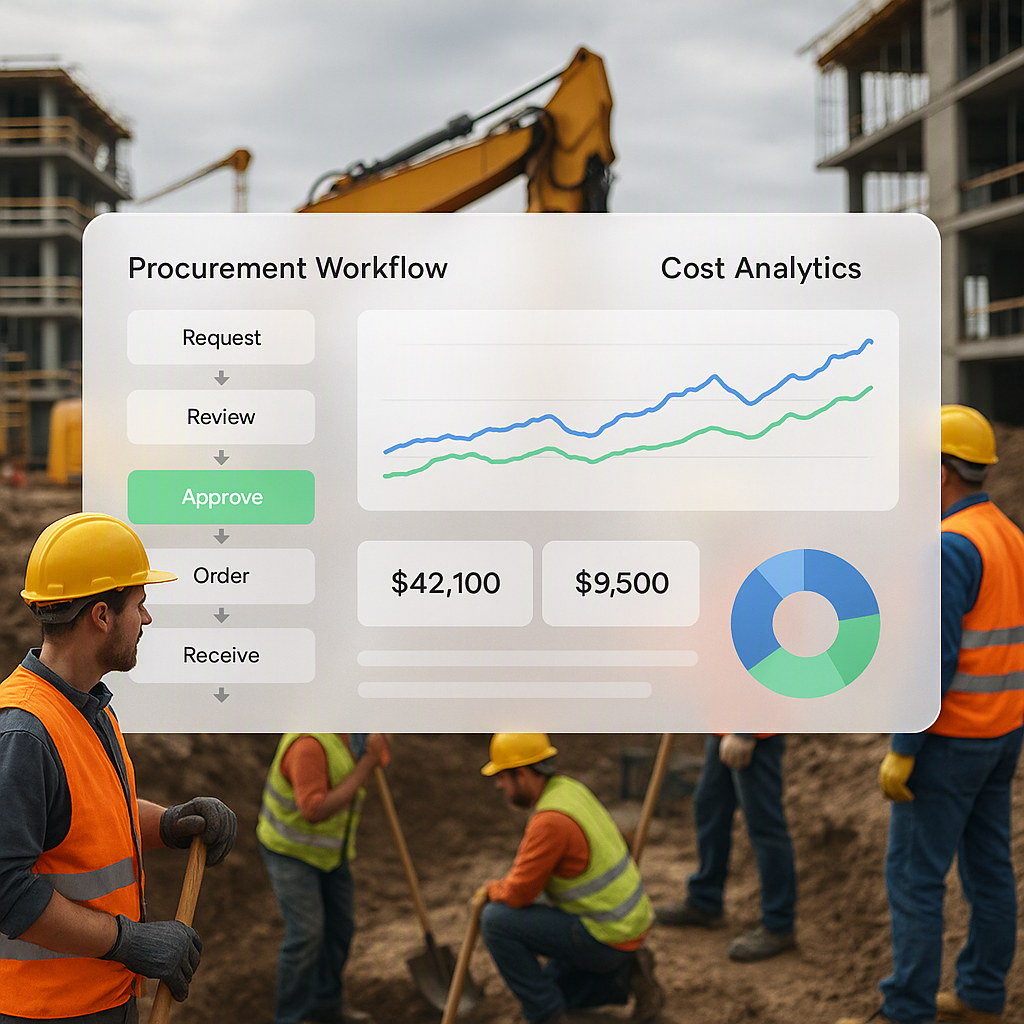
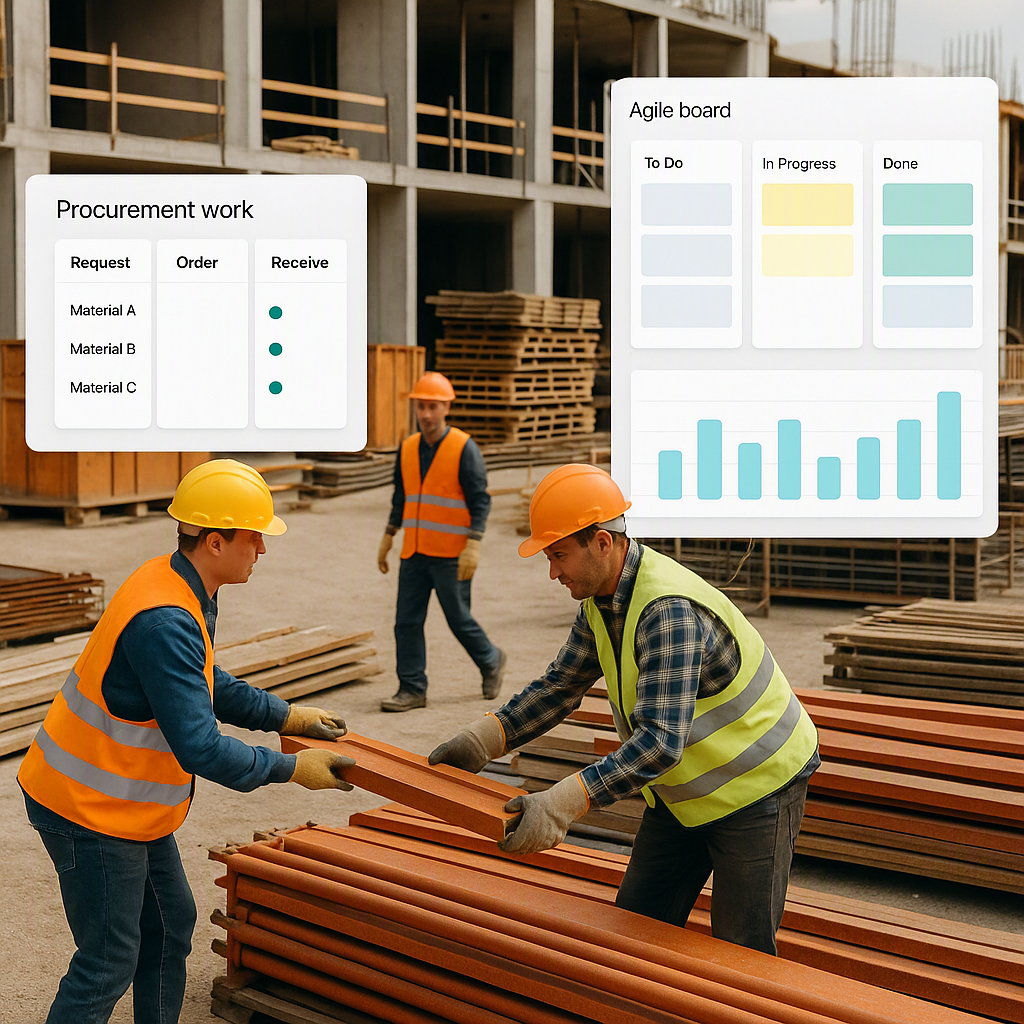
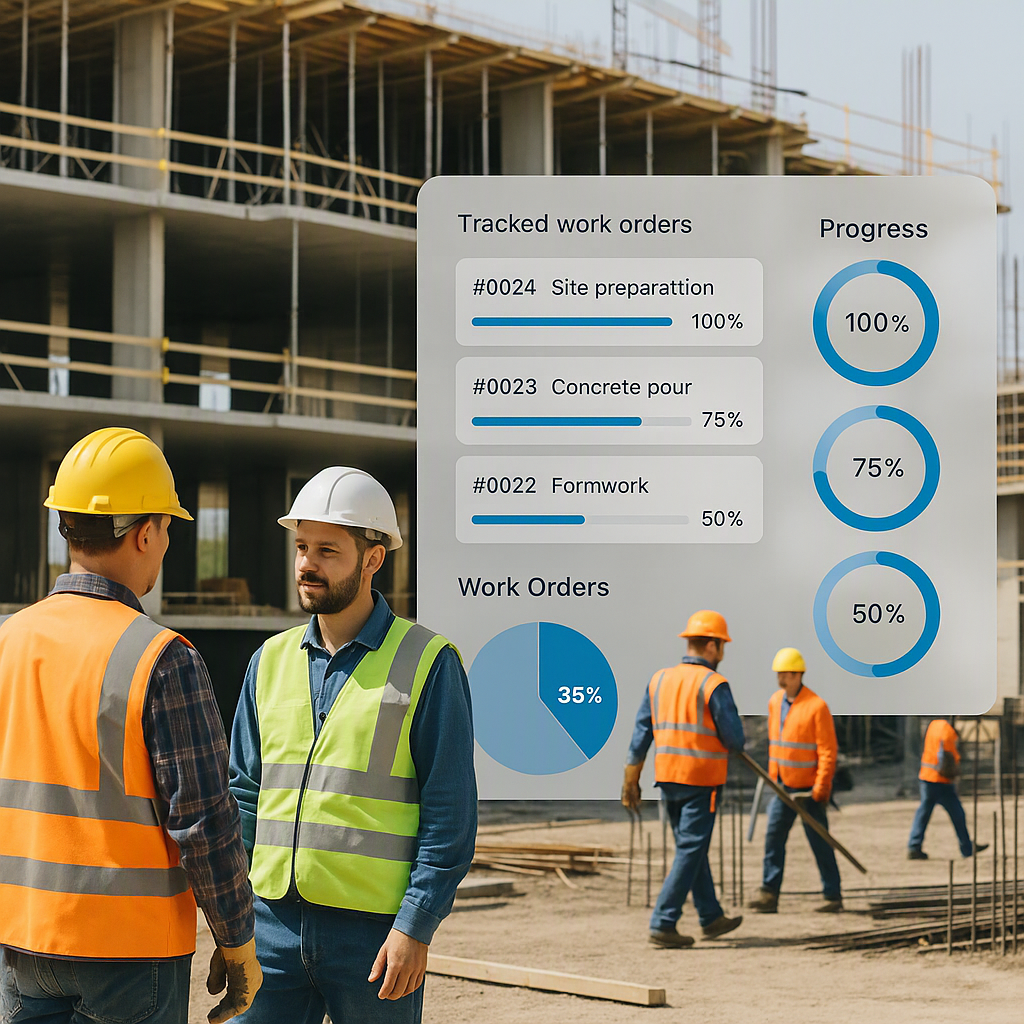
The good news? This doesn’t have to be your story. Real-time project reporting can eliminate these problems. A solid ERP system like JobNext centralizes all your project data in one place. It automates workflows like material procurement, progress tracking, and billing. More importantly, it gives you real-time insights into project profitability.
For instance, JobNext’s 150+ pre-built SSRS reports let you see exactly where your money is going. Whether it’s material costs, subcontractor payments, or equipment utilization, you get a clear picture. No guesswork. No waiting for someone to update a spreadsheet.
And for those who think automation is overkill, consider this: how much is manual reporting costing you in overtime, missed billing, and project overruns? The numbers don’t lie.
Why Real-Time Reporting Matters
Real-time reporting isn’t just about convenience; it’s about control. Here’s what changes when you automate:
- Catch Overruns Early: See cost deviations in real time and take corrective action before it’s too late.
- Improve Cash Flow: Accurate, timely billing ensures you’re paid for every rupee of work completed.
- Save Time: Free up your team to focus on high-value tasks instead of manual data entry.
A great example of this in action is highlighted in the JobNext blog post “Field-to-Office in Real Time: How Mobile Construction Apps Are Eliminating Project Blind Spots”. It’s not just about having data — it’s about having it when and where you need it.
Final Thought: You Can’t Afford to Wait
The longer you stick with manual reporting, the more you bleed margins. The tools to fix this problem exist. The question is: how much longer can you afford to delay?
If you’re ready to stop guessing and start knowing, it’s time to look at solutions like JobNext. Visit JobNext.ai to learn more.
Ready to see JobNext in action?
Multi-tenant SaaS ERP for construction, facilities management, and contracting — covering preconstruction, project execution, procurement, HR & payroll, equipment, finance, and 150+ analytics reports.
Get Started Free →Learn more at JobNext.ai - Construction ERP