The Hidden Procurement Problem Killing Margins
If you’re a contractor managing multiple projects, you’ve likely been burned by procurement chaos. Materials don’t arrive on time. RFQs (Requests for Quotation) get missed. Worst of all, you don’t realize you’re overpaying vendors until it’s too late. Sound familiar?
Let me tell you a story. A mid-sized HVAC contractor in the GCC region shared how they lost ₹12 lakh last year due to delayed material deliveries. Why? They had no central system to track procurement. RFQs were scattered across emails and WhatsApp. Vendor offers sat in someone’s inbox. By the time approvals came through, lead times had doubled, and they had to pay a premium for urgent delivery.
This isn’t an isolated case. Many small contractors face the same problem—procurement is messy, manual, and disconnected. And the cost isn’t just financial. Delays in procurement ripple downstream, impacting project schedules and client relationships. Not ideal, right?
Why Unified Procurement Workflows Matter
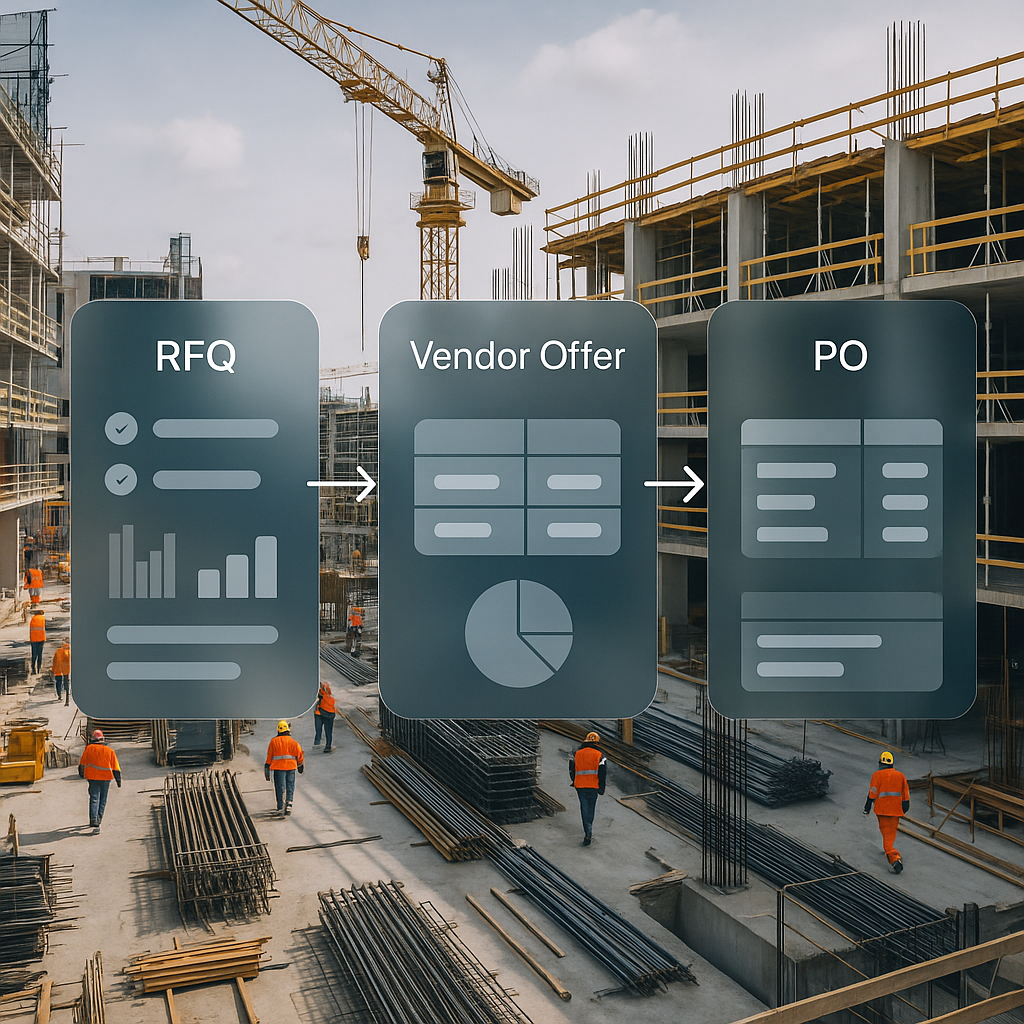
Here’s the thing: procurement chaos is avoidable. A unified construction ERP (Enterprise Resource Planning system) can bring structure to the madness. How? By streamlining the entire material requisition (MR) to purchase order (PO) workflow. Let’s break it down.
1. Centralized RFQs
Instead of sending RFQs via email or chat, everything goes through one system. Need to request quotes from five suppliers? The ERP handles it. No more missed emails or miscommunication.
Example: A civil contractor in Mumbai was losing ₹8 lakh annually due to missed RFQs on critical materials like rebar and cement. After implementing a centralized RFQ system, they reduced procurement lead times by 40%, ensuring materials arrived just in time for project deadlines.
2. Vendor Offer Comparison
The system automatically compiles offers, so you can compare prices, terms, and lead times side by side. Forget manual spreadsheets and subjective decision-making. Data drives the purchase decision.
Actionable Tip: Create a vendor scorecard within your ERP that ranks suppliers based on cost, lead time, and reliability. Use this scorecard to build long-term relationships with top-performing vendors.
3. Approval Workflows
Multi-level digital approvals ensure no PO gets issued without proper checks. And it’s all paperless—no chasing signatures or waiting days for approvals.
Case Study: A small electrical contractor in Bengaluru reduced approval delays from an average of four days to just 12 hours by automating workflows. This allowed them to negotiate better pricing with suppliers who appreciated the speed of PO issuance.
4. Real-Time Tracking
Once the PO is issued, you can track the status in real time. Know exactly when materials will arrive and plan accordingly to avoid delays.
Example: A construction firm in Kochi used real-time tracking to identify bottlenecks in their supply chain. By switching to a more reliable vendor for critical materials, they saved over ₹15 lakh in expedited shipping costs in one year.
The Financial Impact of Procurement Chaos
Let’s put some hard numbers to it. According to a 2022 study by McKinsey, inefficient procurement processes cost small and mid-sized contractors between 5% and 12% of their annual revenue. For a company earning ₹5 crore annually, that’s ₹25–₹60 lakh lost due to inefficiencies.
And it’s not just about money. Procurement delays often lead to:
- Missed Deadlines: Late deliveries mean idle labor and equipment.
- Client Dissatisfaction: Missed project deadlines damage your reputation and lead to penalties.
- Stress and Burnout: Constant firefighting drains your team’s morale.
Common Objections (And Why They’re Wrong)
Objection 1: "We’re too small for an ERP."
Small contractors often assume they don’t need advanced tools like an ERP because of their size. But in reality, smaller firms can’t afford inefficiencies. Every rupee counts when margins are razor-thin.
Counterpoint: Modern ERPs like ProjectsNext are scalable and designed for SMEs. You don’t need to be a ₹100 crore company to benefit from streamlined workflows.
Objection 2: "An ERP sounds expensive."
Sure, there’s an upfront cost, but compare that to the ₹12 lakh you’re losing in procurement delays. The ROI is obvious.
Actionable Insight: Calculate the cost of inefficiencies in your current process. Factor in lost margins, expedited shipping costs, and missed deadlines. Then compare this to the subscription cost of an ERP. You’ll likely find the ERP pays for itself within months.
Objection 3: "Our team won’t adapt to new technology."
Change management is a valid concern. Teams often resist new systems because they’re unfamiliar.
Solution: Choose an ERP with an intuitive interface and offer hands-on training. Many vendors, including ProjectsNext, provide onboarding support to ensure smooth adoption.
The Bigger Picture: Unified Systems Save More Than Margins
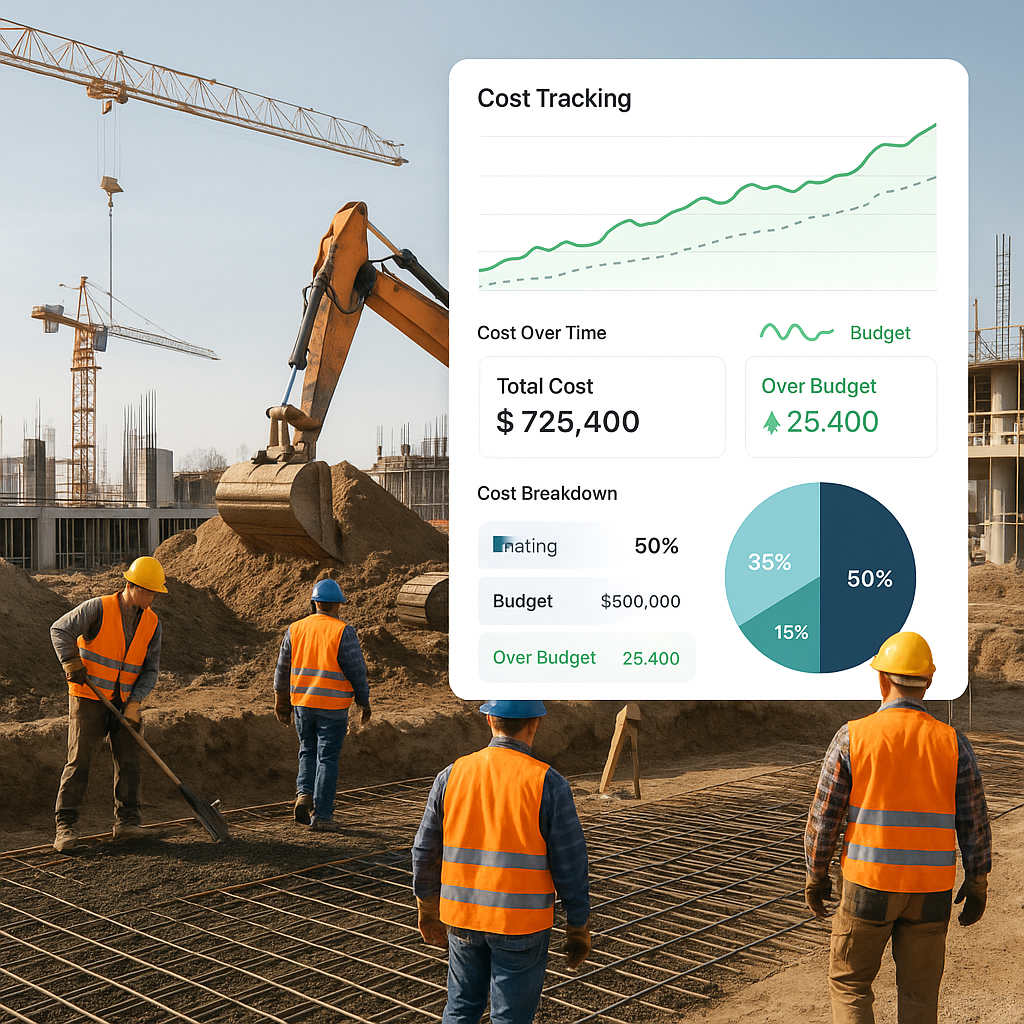
Procurement isn’t the only area where small contractors lose money. Disconnected systems hurt billing, cost tracking, and even HR. Unified ERPs tackle all these pain points.
Comparison Table: Manual Procurement vs. Unified ERP Workflows
| Feature | Manual Procurement | Unified ERP Workflow |
|---|---|---|
| RFQ Tracking | Scattered across email and chat | Centralized system |
| Vendor Comparison | Manual spreadsheets | Automated side-by-side comparison |
| Approval Process | Delayed due to paper-based workflows | Real-time digital approvals |
| Delivery Status Tracking | Reactive (requires constant follow-ups) | Real-time updates via dashboard |
| Cost Efficiency | Frequent overpayment and missed savings | Data-driven decisions optimize costs |
FAQ Section
1. What’s the ROI of implementing a procurement ERP?
The ROI depends on your current inefficiencies. If you’re losing ₹10–₹50 lakh annually due to procurement delays, an ERP costing ₹1–₹2 lakh per year can save you multiples of its cost. Most contractors see payback within 6–12 months.
2. How do I choose the right ERP for my business?
Look for scalability, ease of use, and industry-specific features. For contractors, prioritize systems that offer RFQ management, vendor comparison, and real-time tracking. Platforms like ProjectsNext are tailored for construction workflows.
3. How long does it take to implement an ERP?
Implementation timelines vary, but most modern cloud-based ERPs can be deployed within 4–8 weeks. Training and onboarding typically take another 2–4 weeks.
4. Can an ERP be integrated with my existing systems?
Yes, most ERPs offer integration capabilities with accounting software, CRM tools, and even inventory management systems. Check with your vendor for compatibility.
5. What if my suppliers resist using the ERP?
Suppliers often benefit from ERPs too, as they streamline communication and reduce errors in orders. Explain the advantages to them and offer initial support to ease the transition.
Final Thoughts
Procurement chaos is a silent killer for small contractors. It drains margins, delays projects, and creates unnecessary stress. But it’s also fixable. A unified ERP like ProjectsNext can bring order to your workflows, saving you time and money. Isn’t that worth exploring?
Get started with ProjectsNext →
Learn more at JobNext.ai - Construction ERP