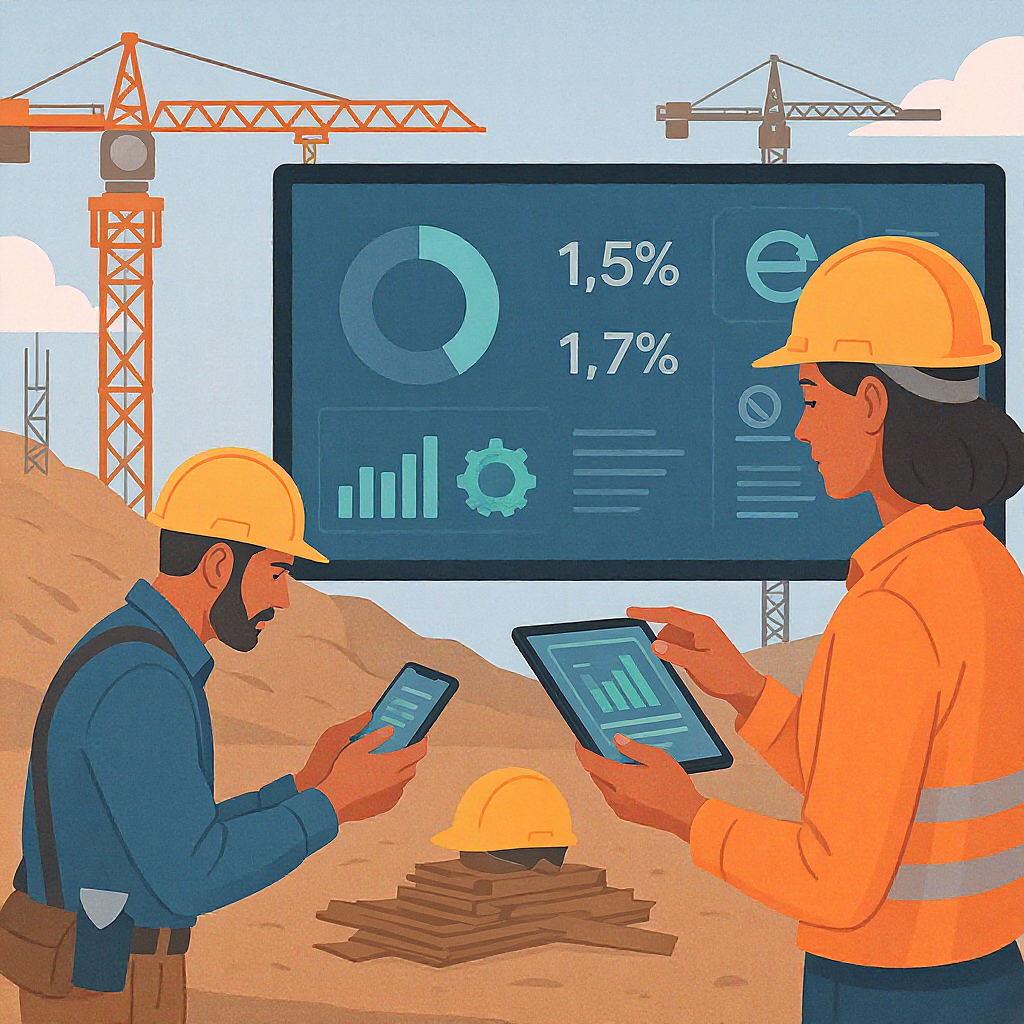
Real-Time Project Tracking: Why It's Non-Negotiable
Margins in contracting are razor-thin—2-7% for most small to mid-size firms (Construction Dive). It doesn’t take much to push you into the red. A single delayed subcontractor payment, missed BOQ update, or inaccurate progress billing can do the damage. Without real-time visibility into project costs, progress, and profitability, you're flying blind.
The Problem: Why Are Margins Shrinking?
It's simple: delays, disconnected systems, and manual processes. Let’s break it down:
-
Delayed Updates: By the time site progress is reported and BOQs updated, you're already losing money. Site teams often rely on WhatsApp or Excel sheets to share updates—neither of which provides immediate or accurate information.
-
Disconnected Systems: If your procurement, billing, and finance tools don’t talk to each other, expect mistakes. How often do mismatched purchase orders and RA Bills result in disputes? For contractors operating in India and the GCC, this is compounded by the need to manage multi-company structures, VAT compliance, and cross-border operations.
-
Manual Chaos: Tracking subcontractor progress manually (on paper or random spreadsheets) is a recipe for cost overruns. There's no quick way to cross-check progress against scope. This problem affects all trades—whether you’re in civil/structural, MEP, HVAC, fire protection, electrical, plumbing, interiors/fit-out, or EPC.
These inefficiencies compound quickly, especially on multi-project operations.
Real-Time Project Tracking: What It Looks Like
Imagine knowing exactly where every project stands at any moment. Not just in terms of physical progress, but financial health too. Real-time tracking means:
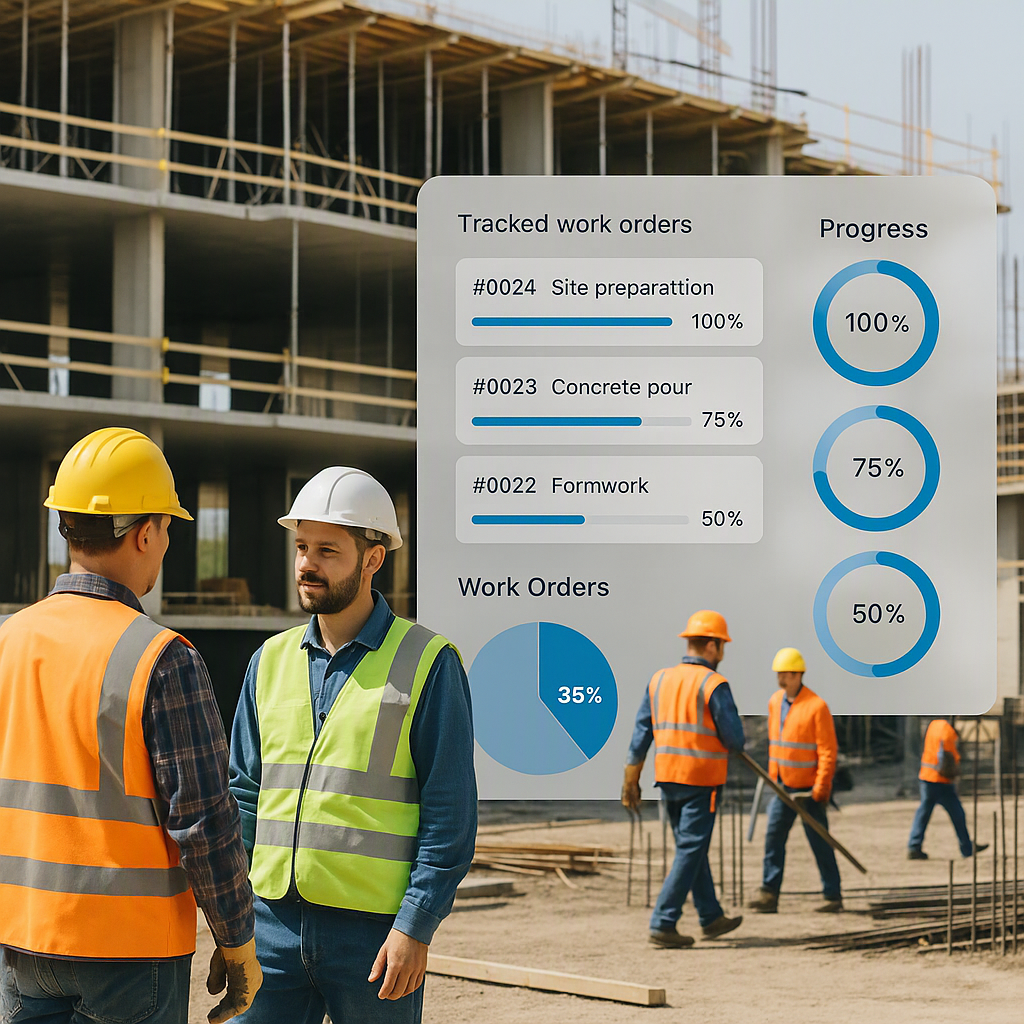
- Progress Visibility: Site teams update measurements directly into a system (via mobile apps), and office teams see it instantly.
- BOQ Monitoring: As costs are incurred, they reflect immediately in BOQ scopes—no lag, no surprises.
- Profitability Alerts: If a project starts slipping on margins, you’re notified before it’s too late.
Whether you’re managing subcontractor payments in India under GST regulations or navigating VAT compliance in the GCC, real-time tracking ensures you stay ahead of potential margin erosion.
A Practical Example: JobNext’s Profitability Tracking
Take JobNext's real-time project profitability monitoring. Here’s how it solves real problems for contractors:
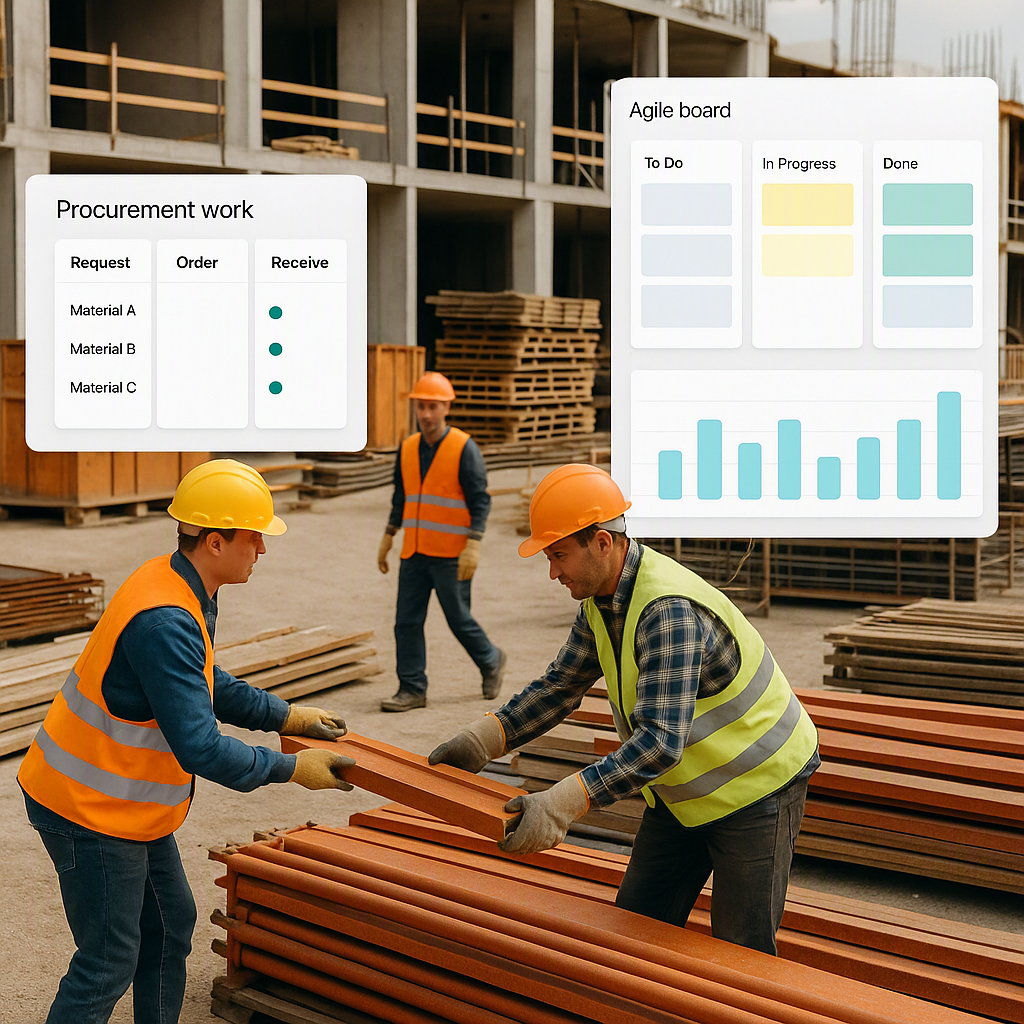
- Unified System: JobNext combines project management, procurement, billing, and finance into one platform. No fragmented tools.
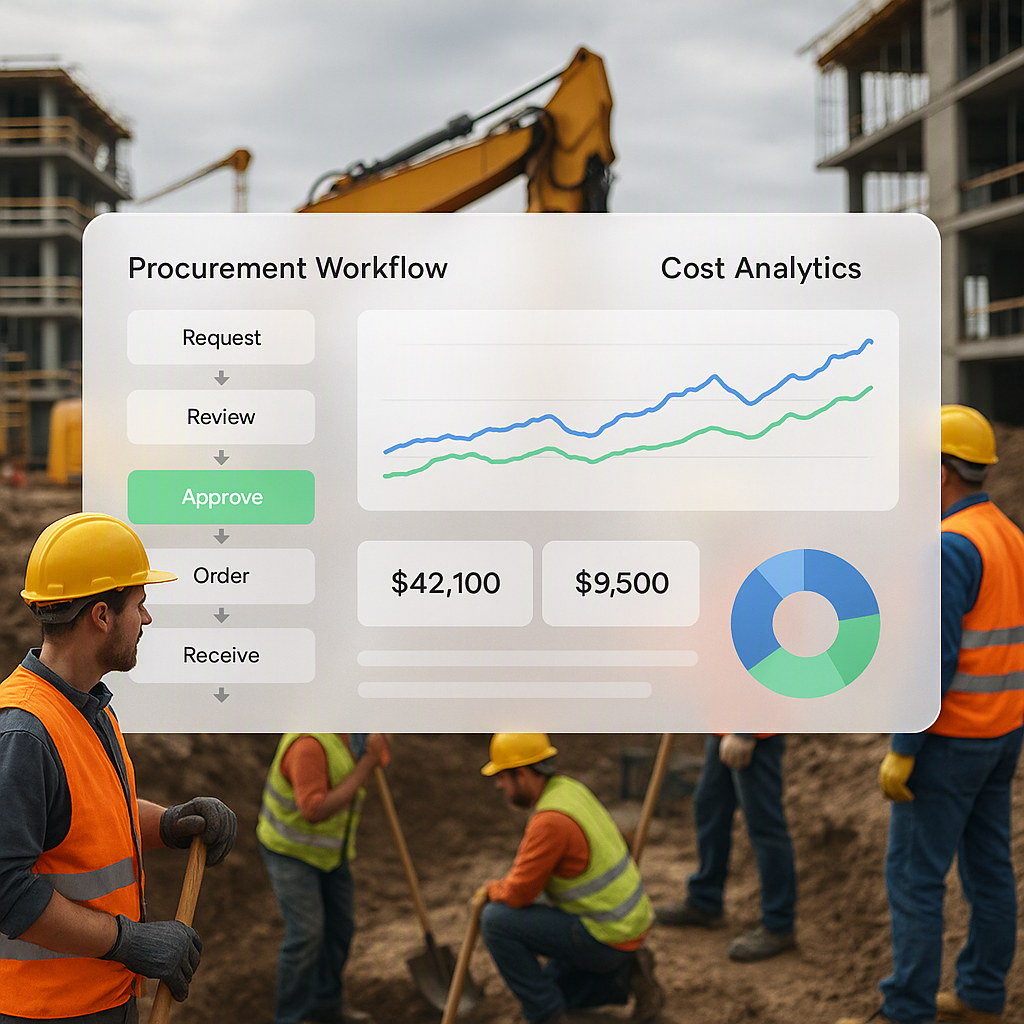
- Live Data: Site teams use mobile apps to report progress directly into the system. Office teams get dashboards updated in real time.
- Margin Controls: JobNext flags cost overruns immediately—whether it's subcontractor payments exceeding scope or procurement exceeding estimates.
This isn’t theoretical. Contractors across India and the GCC are already using this to avoid revenue leakage in trades such as civil/structural, MEP, HVAC, fire protection, and interiors/fit-out.
Why Mobile Matters
You might be thinking: "Doesn't this require site teams to adopt new tech?" The answer is yes—but it's easier than you'd think. With mobile apps tailored to field teams, updates are as simple as filling out forms or snapping a photo of completed work.
In fact, field-to-office connectivity is one of the biggest reasons contractors adopt ERP systems. Without it, project managers are stuck reconciling mismatched paper reports for weeks.
Whether you’re operating in India with subcontractors relying on Tally or GST, or in the GCC where multi-company groups and VAT compliance are key, mobile connectivity bridges the gap between field and office.
How to Get Started
If you’re considering real-time tracking, start small:
- Standardize Reporting: Ensure all site teams report progress in a consistent format.
- Connect Systems: Choose tools that integrate procurement, billing, and finance with project tracking.
- Automate Alerts: Set up notifications for margin slippage, scope changes, or delayed subcontractor progress.
The biggest hurdle isn’t the technology—it’s getting teams to adopt it. That’s why phased implementation works best, as detailed in our guide to ERP implementation for contractors.
Conclusion: You Can’t Manage What You Can’t See
Real-time tracking is no longer a luxury. It’s the difference between turning a profit and losing margins. Contractors who adopt unified platforms like JobNext see the benefits quickly—better control, fewer surprises, and margins they can actually protect.
Margins may be thin, but they don’t have to vanish. The right tools make all the difference.
Learn more at JobNext.ai - Construction ERP