
How to Master Rate Analysis for Construction: A Practical Guide
Rate analysis isn’t just a line item in a BOQ. It’s the backbone of your project’s profitability. Get it wrong, and you’re either bleeding margins or losing bids to competitors. Get it right, and you’re in control—not just of your numbers, but your entire project lifecycle.
We’ve seen contractors of all sizes struggle with this. From missing indirect costs to wildly overestimating contingencies, the mistakes are common, but avoidable. Let’s break down how to master rate analysis step by step.
What Is Rate Analysis and Why Does It Matter?
Rate analysis is the process of determining the unit cost of a particular work item in construction. It involves calculating the costs of:
- Labor: Skilled, unskilled, and supervisory personnel.
- Materials: Cement, steel, aggregates, and consumables.
- Machinery: Equipment usage and depreciation.
- Overheads: Site expenses, administrative costs, and profit margins.
Why does it matter? Because every rupee you miss in these calculations eats directly into your margins. Worse, if your competitors are pricing accurately while you’re winging it, you’re either overbidding or underbidding—and both are bad for business.
Accurate rate analysis ensures:
- Competitive Bidding: You can price your projects effectively without sacrificing profitability.
- Project Planning: You’ll know the financial resources required at each stage, minimizing cash flow issues.
- Risk Management: Proper rate analysis builds room for contingencies, reducing the chances of cost overruns.
Step-by-Step Guide to Rate Analysis
1. Start with the BOQ
Your Bill of Quantities (BOQ) is your starting point. It tells you what needs to be done, in what quantity, and often hints at the project’s complexity. Break down each line item into:
- Work description: What exactly is being built?
- Unit of measurement: Cubic meters, square feet, kilograms, etc.
- Quantity: The total amount required.
For example, if your BOQ says “Concrete (M25) – 100 cubic meters,” you’ll now calculate the rate per cubic meter.
Actionable Steps:
- Organize the BOQ into clear categories: structural works, finishing works, etc.
- Cross-check quantities with drawings and specifications to avoid errors.
- Highlight items with special requirements, such as high-strength concrete or custom finishes.
2. Calculate Labor Costs
Labor costs vary depending on the skill level, region, and type of work. Here’s how to calculate it:
- Skilled labor: Jobs requiring specific expertise, like masonry, carpentry, or welding.
- Unskilled labor: General support tasks like loading, cleaning, or assisting skilled workers.
- Supervisory staff: Foremen, site engineers, and safety officers.
Use this formula:
Labor cost per day = Wage rate × Number of workers × Duration (in days)
Pro Tip: Don’t forget labor productivity. If a mason lays only 10 sqm of brickwork per day, your rate should reflect this. Productivity rates vary by region, so use local benchmarks.
Actionable Steps:
- Break labor hours into detailed tasks to improve accuracy.
- Adjust rates for overtime, holidays, and regional variations in wages.
- Track labor productivity on similar past projects to refine estimates.
3. Add Material Costs
Materials are the most variable part of rate analysis. For each material, calculate:
- Unit rate: Cost per bag of cement, per tonne of steel, etc.
- Wastage: Typically 2–5%, depending on the material.
- Transport: Freight charges to your site.
Example: If cement costs ₹350 per bag and you need 500 bags, add 5% for wastage and ₹1,000 for transport. Your total cement cost would be:
(500 bags × ₹350) + (500 × 5% × ₹350) + ₹1,000 = ₹184,250
Actionable Steps:
- Source multiple vendor quotes for better pricing.
- Account for seasonal variations in material costs (e.g., steel prices often spike).
- Include material testing costs for quality checks.
4. Factor in Machinery Costs
Machinery costs are often underestimated. Don’t just think of fuel costs but also:
- Operating costs: Operator salaries, fuel, and maintenance.
- Idle costs: Downtime when machines are on-site but inactive.
- Depreciation: Spread the purchase cost over the machine’s useful life.
Use this formula:
Machine cost = (Purchase cost ÷ Useful life in hours) + Operating costs per hour
For short-term projects, rental rates may be more practical. Compare rental costs with ownership costs before finalizing.
Actionable Steps:
- Create a detailed equipment schedule to track usage hours.
- Factor in weather-related downtime for outdoor machinery.
- Negotiate rental rates with local suppliers for short-term needs.
5. Include Overheads and Profit
Overheads include everything from site office expenses to safety measures. Most contractors use a percentage of direct costs, typically 5–15%, depending on project size.
Add your profit margin last. This is your cushion for unexpected expenses—and your reward for taking on the project risk.
Actionable Steps:
- Categorize overheads into fixed (site office, insurance) and variable (transport, compliance).
- Use historical data to estimate profit margins based on project complexity.
- Build in contingencies, typically 3–5% of direct costs.
Common Mistakes in Rate Analysis
- Forgetting Indirect Costs: Insurance, permits, and compliance costs are often left out.
- Underestimating Wastage: Especially for high-loss materials like sand and aggregates.
- Ignoring Machinery Idle Time: Machines don’t work 24/7, but you’re still paying for them.
- Over-relying on Previous Rates: Costs change. Labor rates, fuel prices, and material costs can spike unexpectedly.
Decision Framework: When to Rent vs. Buy Machinery
| Criteria | Renting | Buying |
|---|---|---|
| Project Duration | Short-term (<6 months) | Long-term (>6 months) |
| Upfront Costs | Lower | Higher |
| Maintenance Responsibility | Supplier handles maintenance | Contractor handles maintenance |
| Flexibility | High—return after project | Low—asset is tied to company |
| Overall Cost | Higher for long-term usage | Lower for frequent use |
How Technology Can Help
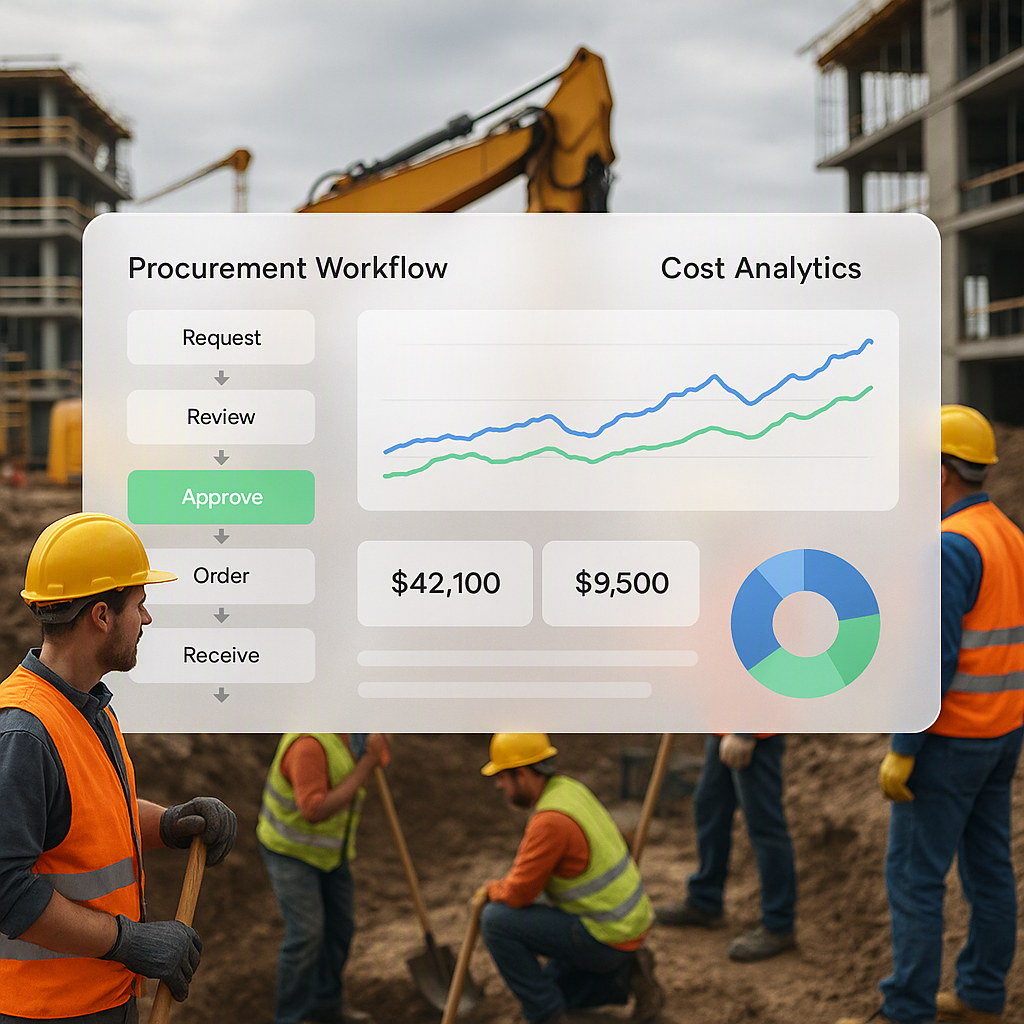
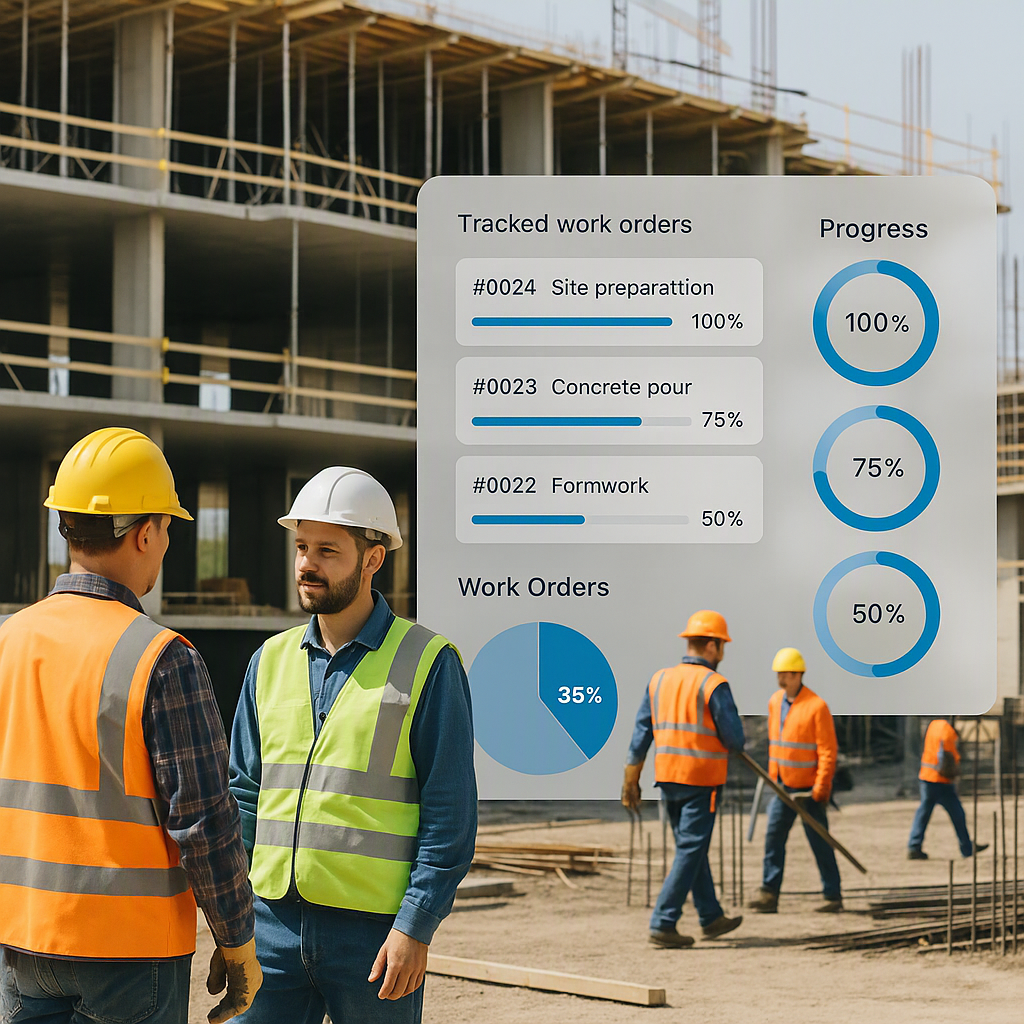
Rate analysis is tedious, but tools like ProjectsNext can simplify it. By linking your BOQs, material procurement, and labor allocation, you get real-time visibility into costs—no spreadsheets required.
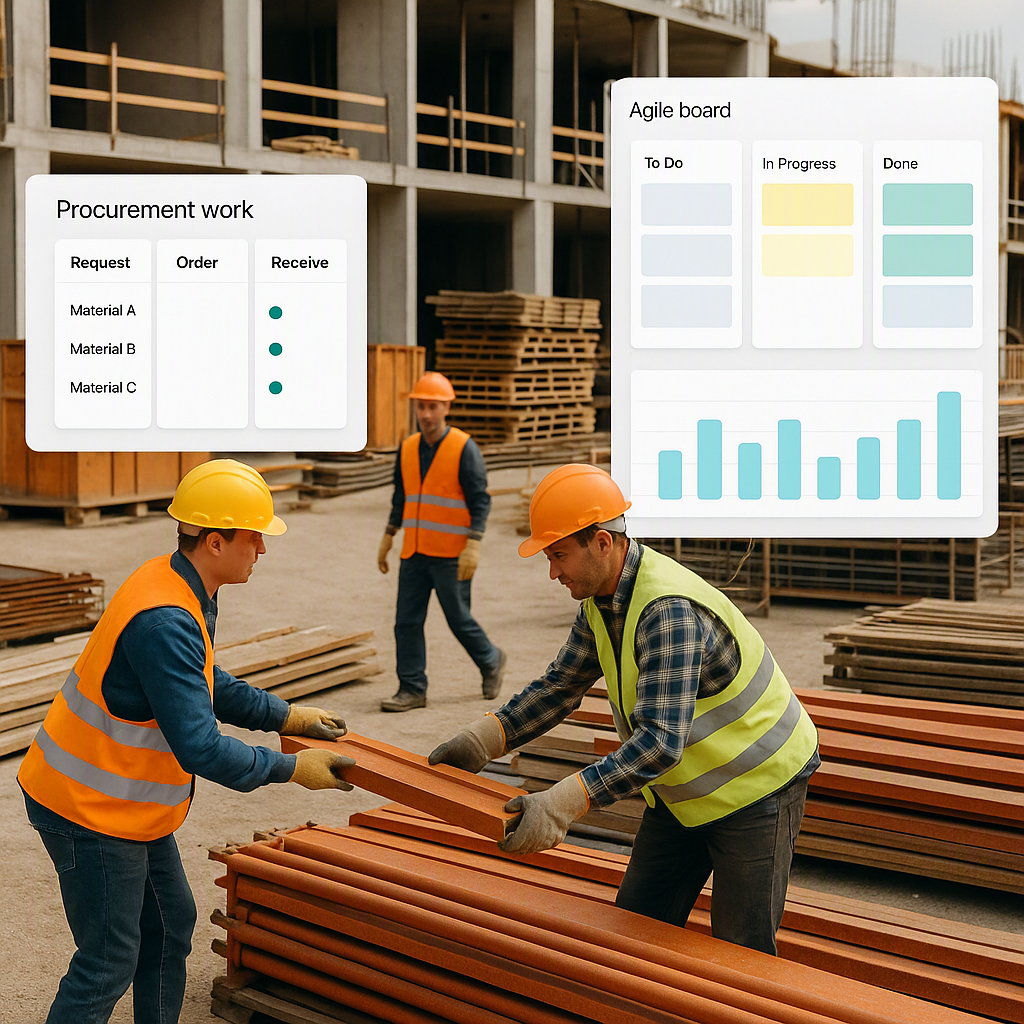
For example, let’s say your material requisition (MR) workflow is chaotic. ProjectsNext structures this into a clear MR → RFQ → Vendor Offer → PO chain with approval controls. This means fewer missed costs and better vendor negotiation.
Want to see how it works? Read this blog on Profit Lessons for GCC Contractors from Large-Scale Projects.
FAQ
Q: What’s the best way to handle fluctuating material prices?
A: Use price indices like the WPI (Wholesale Price Index) or negotiate price variation clauses with clients. This ensures you’re protected against unexpected spikes in material costs.
Q: Should I include contingencies in rate analysis?
A: Yes, but keep it realistic—typically 3–5% of direct costs. Overestimating contingencies may make your bid non-competitive.
Q: How do I calculate machinery costs for short-term projects?
A: Use rental rates from local suppliers instead of long-term depreciation. This ensures your machinery costs align with the project duration.
Q: What’s the easiest way to track labor productivity?
A: Use digital tools to monitor daily progress and compare actual outputs to estimates. For manual tracking, maintain detailed daily logs.
Q: How do I account for wastage in material costs?
A: Add a realistic wastage percentage (2–5%) based on past project data. For high-loss materials like aggregates or plaster, consider testing site-specific wastage rates.
Final Thoughts
Mastering rate analysis takes practice, but it’s worth it. The contractors who get this right consistently outperform their competitors—not because they bid the lowest, but because they bid smart.
If you’re struggling with manual processes or disconnected systems, ProjectsNext can help. Get started free →
Learn more at JobNext.ai - Construction ERP