Why Small Contractors Bleed Margins Without Unified ERPs
Small contractors and allied trades professionals across India and the GCC (Gulf Cooperation Council) are facing a silent killer. It’s not the big, obvious things like losing bids to a competitor or delays caused by site conditions. It’s the everyday chaos behind the scenes—costs slipping through the cracks, disconnected tools, and manual processes that just can’t keep up.
Let’s talk about one of the most common culprits: poor cost tracking.
The Real Cost of Poor Cost Tracking
Here’s a scenario I’ve seen too many times: A contractor wins a ₹10 crore (or AED/SAR equivalent) BOQ-based project. They think they’ve priced it right. But three months in, they realize they’ve been bleeding money. Why? Because their actual costs—materials, subcontractor payments, and labor—don’t match what was estimated.
The reason? Disconnected systems. The estimation was done in one Excel sheet, purchase orders in another, and subcontractor payments tracked in a third. By the time the finance team reconciles everything (if they even can), the damage is done. Margins are gone.
But it’s not just about disconnected systems. Poor cost tracking stems from several common practices that are still widespread among small contractors and allied trades like MEP, HVAC, fire protection, electrical, plumbing, interiors/fit-out, and EPC:
- No Real-Time Tracking: Many contractors rely on month-end reconciliations to identify cost overruns, but by then, it’s too late to course correct.
- Lack of Standardized Processes: Different teams use different tools to track costs, leading to data silos and errors.
- Estimating Errors: Initial BOQ estimates are often inaccurate, and without tracking mechanisms, the discrepancies go unnoticed.
Actionable Steps
- Centralize Cost Data: Use a system (even if it’s not an ERP yet) to track all costs in one place. This could be project management software that integrates with accounting tools.
- Invest in Training: Ensure your team understands how to track costs accurately, and establish clear guidelines.
- Perform Weekly Reconciliations: Instead of waiting until the end of the month, reconcile costs at least once a week to spot issues early.
Why Unified ERPs Change the Game
A unified construction ERP solves these issues by bringing everything—BOQs, procurement, subcontractor management, HR, and finance—onto a single platform. It’s not just about convenience. It’s about visibility and control.
Here’s how it works:
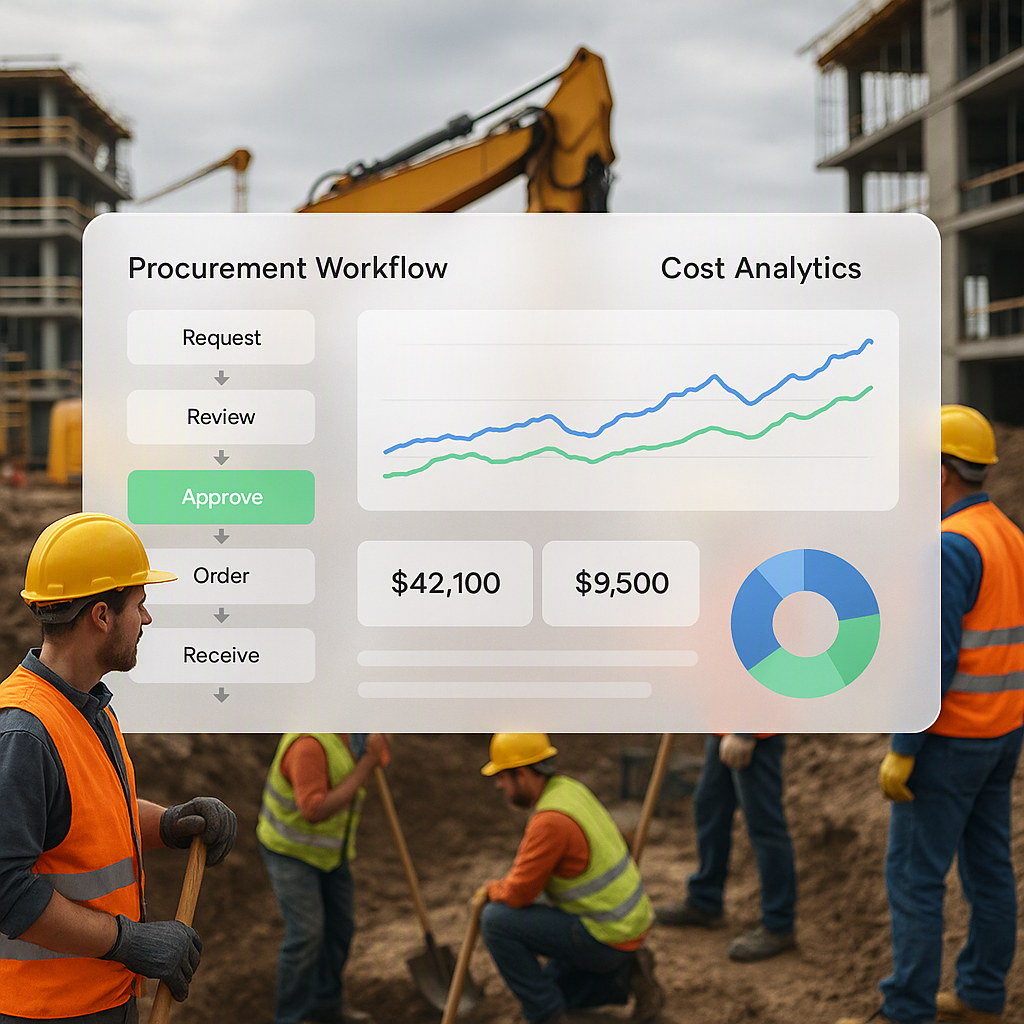
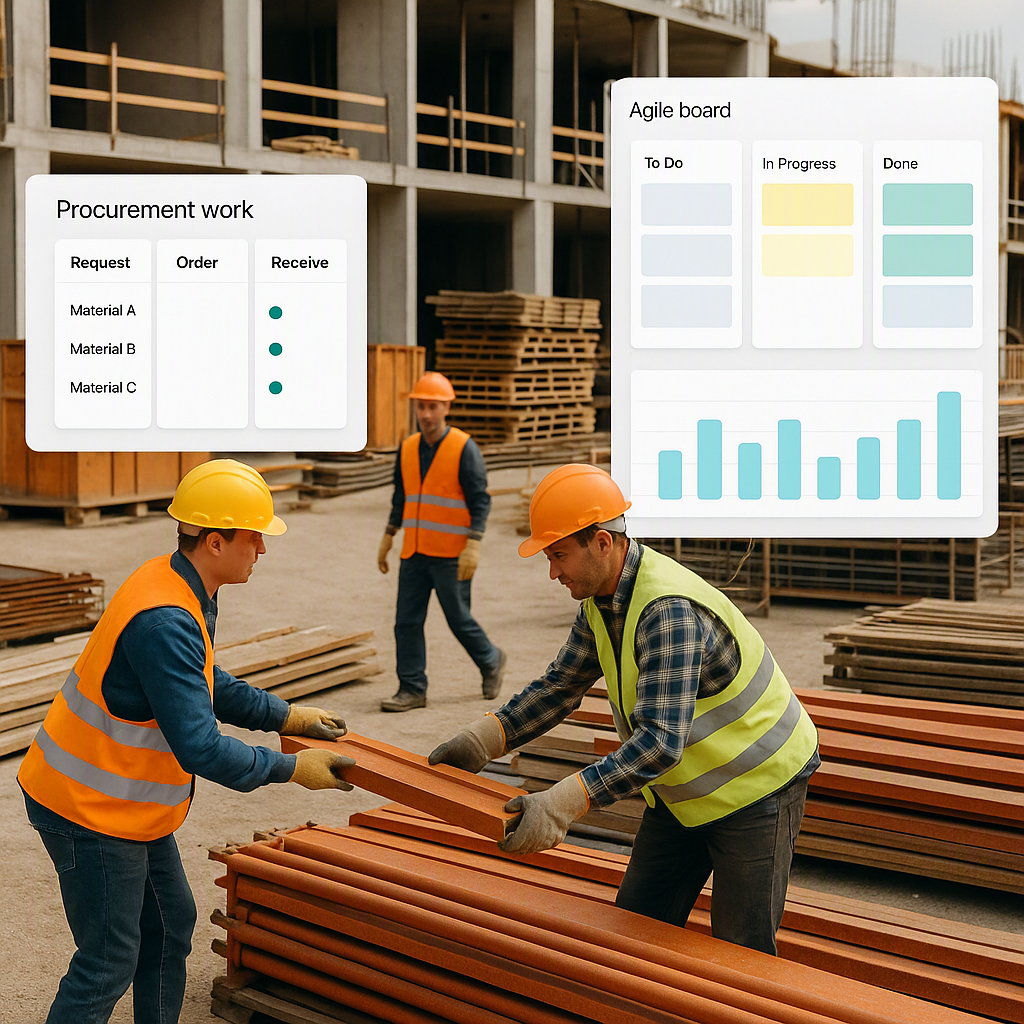
- Procurement Integration: Need 100 tons of steel? The system tracks the cost from the material request (MR) to the RFQ, vendor offers, and the final purchase order (PO). Any price variation gets flagged immediately.
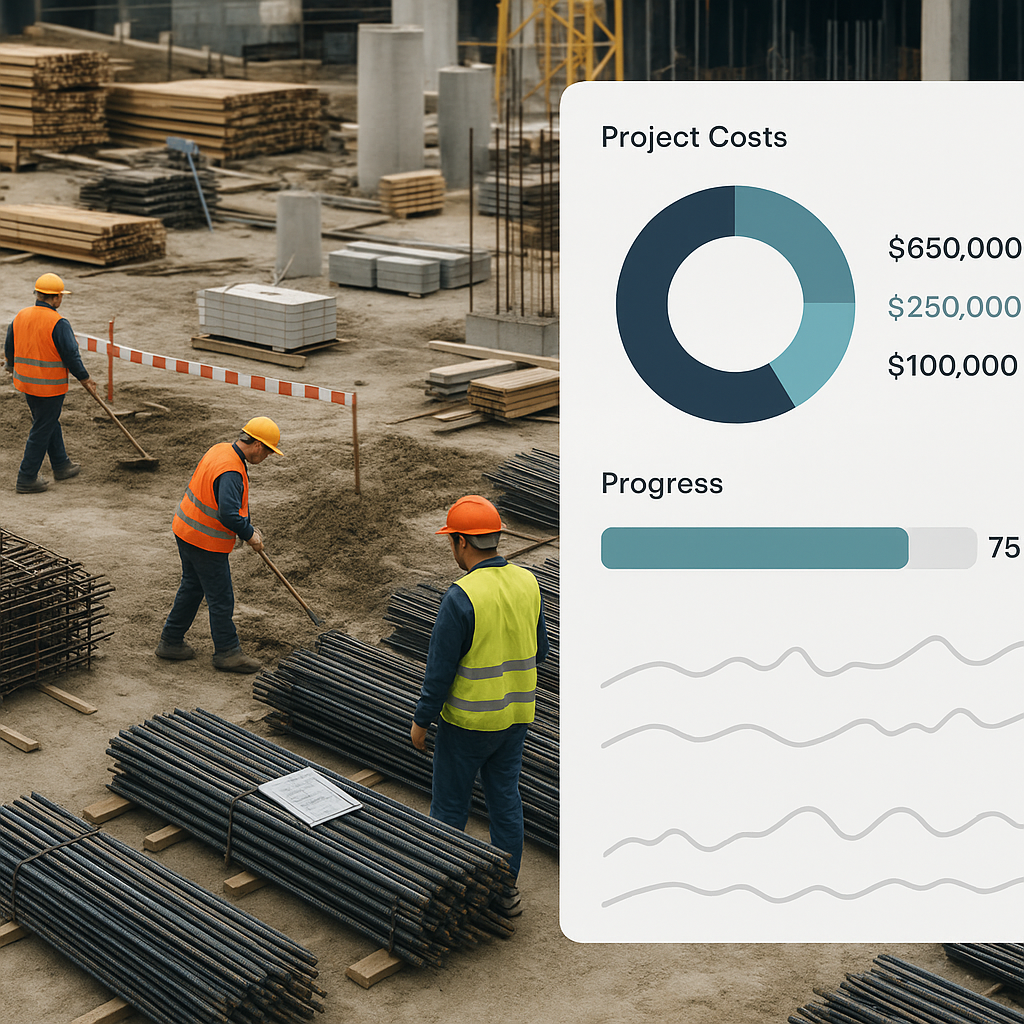
- Real-Time Budget Updates: As costs are logged into the system, your budget gets updated in real-time. This ensures that you always know where you stand.
- Automated Alerts: The system can notify you when costs exceed thresholds, preventing surprises.
Benefits of Unified ERPs
| Feature | Without ERP | With ERP |
|---|---|---|
| Cost Tracking | Manual, prone to errors | Automated, real-time tracking |
| Procurement | Disconnected tools, no visibility | End-to-end integration |
| Subcontractor Payments | Delayed and inaccurate | Linked to real-time progress tracking |
| Compliance | Manual calculations, risk of penalties | Automated tax and compliance management |
For small contractors and allied trades professionals, this level of integration used to be out of reach. But modern SaaS-based ERPs come with flexible pricing and scalability, making them accessible even for businesses with limited budgets.
Subcontractors: The Margin Black Hole
Subcontractors are another area where small contractors lose money. Without a unified system, tracking progress and payments becomes a guessing game. You might agree to pay a subcontractor ₹5 lakh (or its AED/SAR equivalent) for 50% of the work, but how do you know they’ve actually completed 50%? Many teams rely on manual measurements or site reports, which are often delayed or inaccurate.
The Problem
- Inconsistent Measurements: Manual progress tracking is error-prone and open to disputes.
- Payment Delays: Without accurate tracking, payments can get delayed, leading to strained relationships.
- Cash Flow Issues: Overpayments or delayed payments disrupt cash flow, which is critical for small contractors.
Actionable Steps
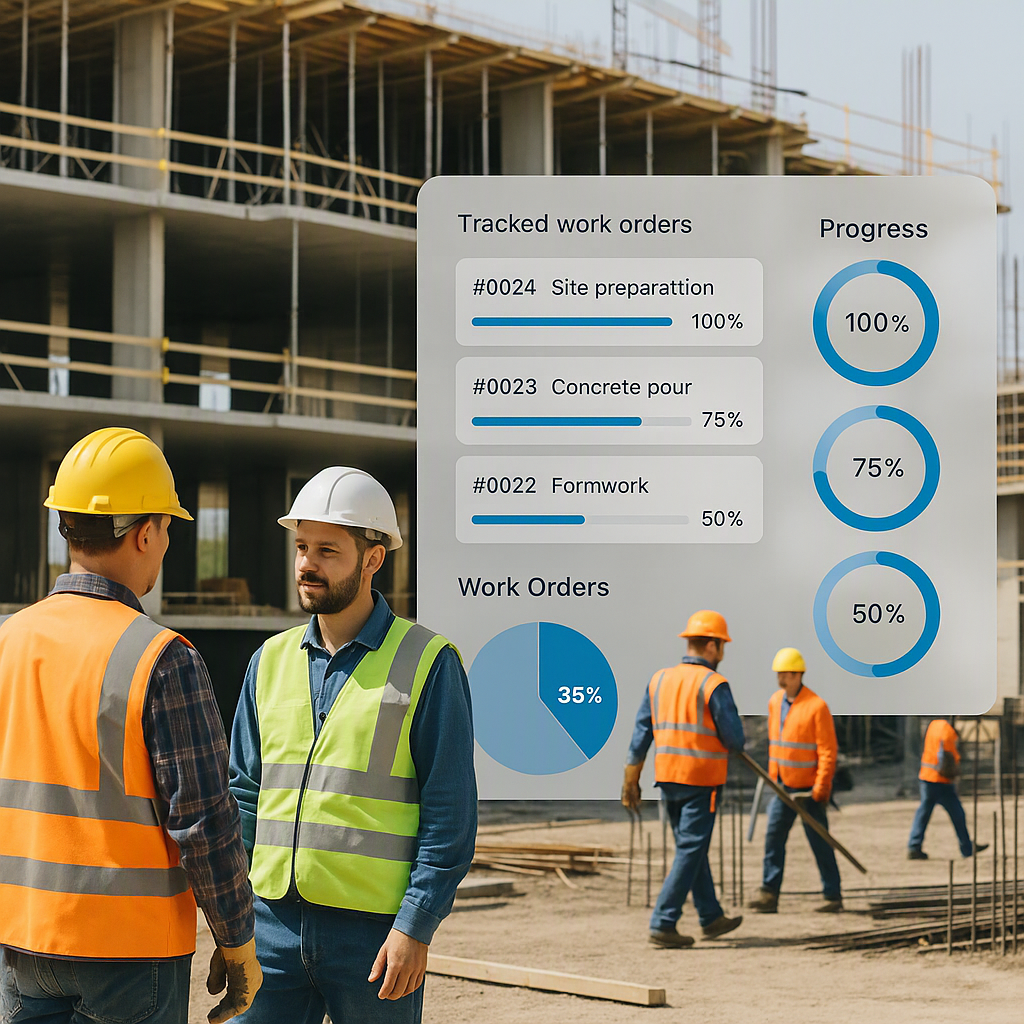
- Adopt Progress Tracking Tools: Even if you don’t have an ERP, there are standalone tools that can help you track work progress with photo evidence and site data.
- Standardize Measurement Protocols: Create a checklist or guideline for measuring subcontractor work to avoid disputes.
- Tie Payments to Milestones: Ensure that payments are released only after verified milestone completion.
Compliance: The Hidden Risk for Small Contractors
Let’s not forget compliance. For Indian contractors, GST, TDS, and statutory deductions like PF and ESI can become a nightmare if not managed properly. In the GCC, VAT compliance, multi-company group accounting, and accurate documentation for cross-border transactions are similar pain points. Late filings or missed deductions lead to penalties.
Why Compliance Fails
- Manual Calculations: Relying on spreadsheets or manual tracking increases the likelihood of errors.
- Missed Deadlines: Without automated reminders or systems, important filing dates can be overlooked.
- Lack of Integration: If your accounting system isn’t integrated with your project management tools, compliance becomes chaotic.
How ERPs Help
A good ERP ensures compliance by automating tax calculations and integrating directly with accounting systems like Tally (India) or multi-company accounting frameworks (GCC). Here’s what this looks like:
- Automated GST/VAT Invoicing: The system generates GST-compliant (India) or VAT-compliant (GCC) invoices and tracks payments.
- TDS and Statutory Deductions: Automatically calculate and deduct TDS, PF, and ESI (India) or manage GCC-specific tax obligations.
- Audit Trails: Maintain a clear audit trail for all transactions, reducing the risk of disputes with tax authorities.
Common Mistakes Small Contractors Make
- Relying on Spreadsheets: They’re fine for one project, but not for managing multiple sites, teams, and vendors.
- Ignoring Indirect Costs: It’s not just about materials and labor. What about equipment depreciation, fuel costs, or idle time?
- Delaying Reconciliations: If you’re waiting until the end of the month to reconcile costs, you’re already too late.
- Skipping Training: Even the best tools are useless if your team doesn’t know how to use them effectively.
How to Avoid Them
- Invest in Technology Early: Don’t wait until your business scales to implement better systems.
- Track Everything: From petty cash to major expenses, ensure all costs are accounted for.
- Train Your Team: Allocate time and resources to train your staff on new tools and processes.
FAQ
1. What’s the first step to implementing an ERP? Start with your biggest pain point. If cost tracking is the issue, focus on integrating your BOQs and procurement workflows first. Once you see results, you can expand to other areas like subcontractor management and compliance.
2. Is ERP only for large contractors? No. Many modern ERPs are designed for small to mid-size contractors. Look for SaaS options that let you pay as you grow. These solutions are often modular, so you can start small and add features as needed.
3. How long does it take to see ROI? In general, most contractors see ROI within the first year, especially if the ERP helps prevent major cost overruns, compliance penalties, or cash flow disruptions.
4. How do I choose the right ERP? Evaluate your needs first. Are you struggling with cost tracking, compliance, or subcontractor payments? Look for an ERP that addresses your specific challenges. Check for features like real-time tracking, integration with accounting tools, and ease of use.
5. Is training my team necessary? Absolutely. No matter how user-friendly the ERP is, your team needs to understand how to use it effectively. Many ERP providers offer training as part of the implementation process—take advantage of it.
The Bottom Line
If you’re a small contractor or allied trades professional in India or the GCC struggling with margin erosion, disconnected systems, or compliance headaches, it’s time to consider a unified construction ERP. It’s not just a software upgrade—it’s a survival tool. By centralizing your processes, you gain visibility, control, and the ability to protect your margins.
Learn more at JobNext.ai - Construction ERP