
Managing Subcontractors Without the Headaches: Stop Cost Overruns Dead in Their Tracks
Why Subcontractors Are a Double-Edged Sword
Subcontractors are essential in construction and allied trades like civil/structural, MEP, HVAC, fire protection, electrical, plumbing, interiors/fit-out, and EPC. You can’t scale without them, especially when you're managing multiple projects across geographies like India and the GCC (UAE, Saudi Arabia, Qatar, Oman, Bahrain, Kuwait). But let’s face it: subcontractors can also be the single largest source of headaches. Late work, inaccurate billing, and uncontrolled costs are all too common.
A common scenario? A subcontractor submits a vague invoice—no clear breakdown of progress, no link to the agreed work order, and worse, no way to verify if their claimed progress matches reality. Sound familiar? If you’ve been there, you know how painful and expensive this can get.
So, how do you fix this? Not with spreadsheets. Not with “trust me” verbal agreements. You need a structured system that tracks every rupee, dirham, or riyal—and every task. This is where tools like JobNext’s subcontractor management workflows come into play.
The Real Problem: No Visibility, No Control
Most subcontractor issues boil down to two things: lack of visibility and lack of control. If you don’t know what’s happening on-site, you can’t manage it. And if you don’t have a system to enforce payment terms tied to actual progress, you’ll end up overpaying—or constantly fighting over invoices.
According to Construction Executive, 85% of contractors report project delays due to subcontractor issues. That’s not just frustrating—it’s expensive.
This is especially critical in markets like India, where GST compliance and tools like Tally are often used, and the GCC, where VAT regulations, multi-currency transactions (e.g., AED, SAR), and multi-company group structures add layers of complexity.
What Works: Measurement-Based Progress Tracking
Here’s the solution: link every rupee, dirham, or riyal you pay to actual, verifiable work completed. It’s not rocket science, but it’s shocking how many contractors and allied trades professionals still rely on manual inspections or verbal updates. That’s a recipe for disputes.
JobNext’s subcontractor management module simplifies this with a structured Work Request → Request for Proposal → Work Order → Site Measurements → Payment workflow. For example:
- Start with a Work Request: Clearly define the scope of work, timelines, and quality expectations upfront.
- Issue a Work Order: Once the subcontractor agrees to your terms, lock it in with a detailed work order. No ambiguity.
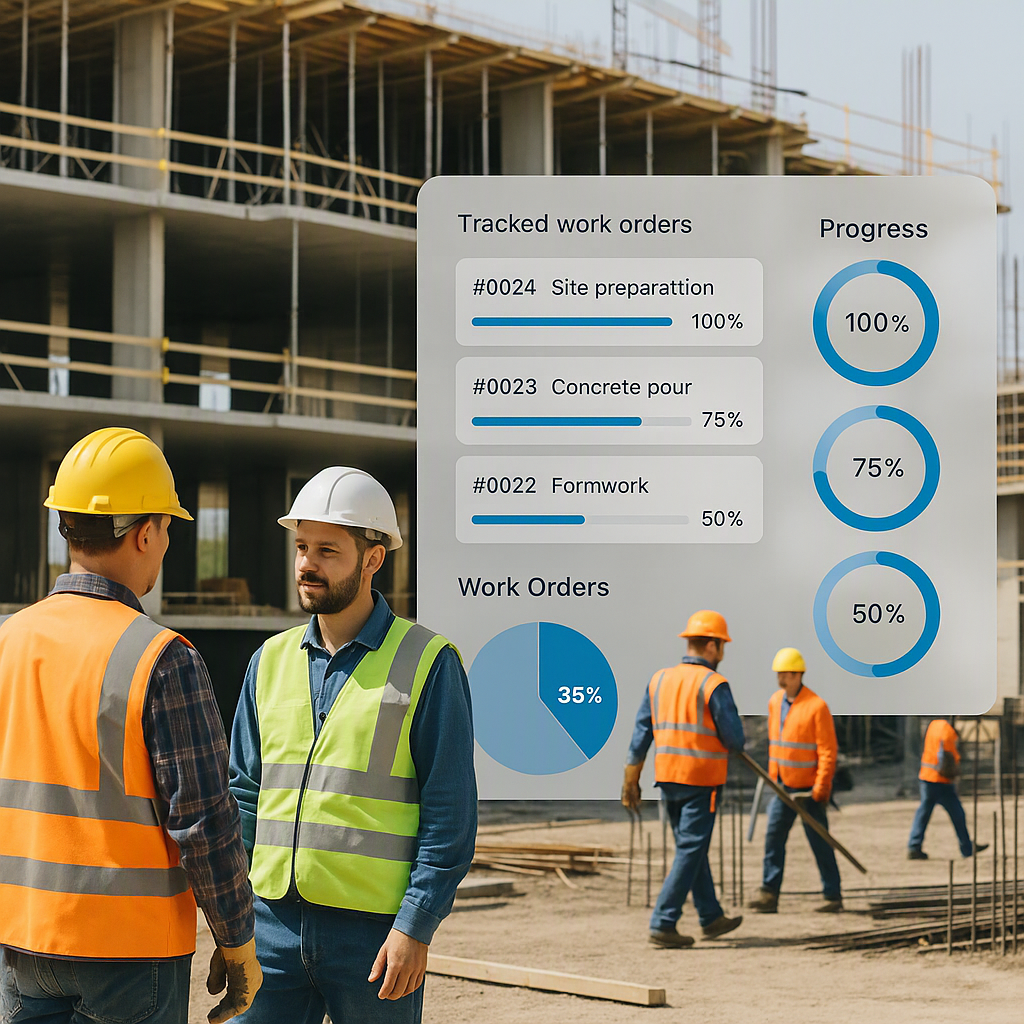
- Track Progress with Measurements: Here’s the game-changer. Subcontractors submit progress measurements—say, cubic meters of concrete poured, square feet of flooring completed, or the number of HVAC units installed. You validate these measurements against the work order.
- Release Payments Based on Progress: Payments are tied to confirmed progress, not estimates or assumptions. This keeps everyone honest and minimizes disputes.
Case Study: From Chaos to Control
One of our clients, a mid-sized HVAC contractor in India, was struggling with subcontractor cost overruns. They were relying on a mix of WhatsApp messages and Excel sheets to manage work orders and payments. The result? Overpayments, missed deadlines, and a constant stream of disputes.
After implementing JobNext, they saw immediate improvements. By using measurement-based progress tracking, they cut subcontractor disputes by 65% within six months. Payments were tied to verified work, and the team finally had clear visibility into project progress.
While this example is from India, similar challenges are faced by contractors and trades professionals across the GCC. For example, managing multiple subcontractors across different countries with varying VAT regulations and currencies like AED or SAR can be daunting without a unified system.
Why This Matters More Than Ever
In today’s construction market, margins are razor-thin. According to Deloitte’s 2023 Engineering and Construction Outlook, profit margins in the industry average just 5-10%. That means even small subcontractor cost overruns can destroy your bottom line.
As we discussed in The Hidden Cost of Tool Fragmentation, relying on disconnected systems only adds to the chaos. A unified platform like JobNext ensures that your subcontractor management integrates seamlessly with your project tracking, procurement, and billing workflows—whether you’re operating in India or the GCC.
Stop the Bleeding, Start Scaling
You can’t grow if you’re constantly putting out fires caused by subcontractor issues. Instead, focus on building a system that gives you full visibility and control. Whether it’s using JobNext or another platform, the principles are the same:
- Define scope and expectations clearly.
- Use work orders and progress measurements.
- Tie payments to verified work.
Once you’ve nailed this, you’ll find that managing subcontractors stops being a headache—and starts being a key part of how you scale your business profitably, whether you’re in India, the GCC, or both.
Learn more at JobNext.ai - Construction ERP