How Real-Time Cost Tracking Saves Construction Margins (With Examples)
Why Margins Are So Thin in Construction
Let’s not sugarcoat it—construction is a brutal business when it comes to profitability. Industry-wide, margins sit between 2-7% Source: FMI. That’s barely enough to cover a single project delay, let alone a major cost overrun. And yet, overruns happen all the time. Why? Because most contractors and allied trades—civil/structural, MEP, HVAC, fire protection, electrical, plumbing, interiors, and EPC—don’t have visibility into their costs until it’s too late.
The Black Hole of BOQ Tracking
Here’s a scenario we’ve seen repeatedly: A mid-size contractor working on a residential tower project. The BOQ (Bill of Quantities) was detailed, the estimates seemed solid, and the team was confident they’d hit their margins. But as the project progressed, material costs crept up, subcontractor hours ballooned, and by the time they reconciled the books, they were in the red.
What went wrong? They weren’t tracking actuals against estimates in real time. By the time the finance team flagged the issues, the damage was already done.
This challenge is not unique to India, where contractors often struggle with reconciling GST and integrating with tools like Tally, but also applies across the GCC, where managing VAT compliance, multi-company structures, and subcontractor costs in AED, SAR, or other Gulf currencies adds further complexity.
The Fix: Real-Time Cost Tracking
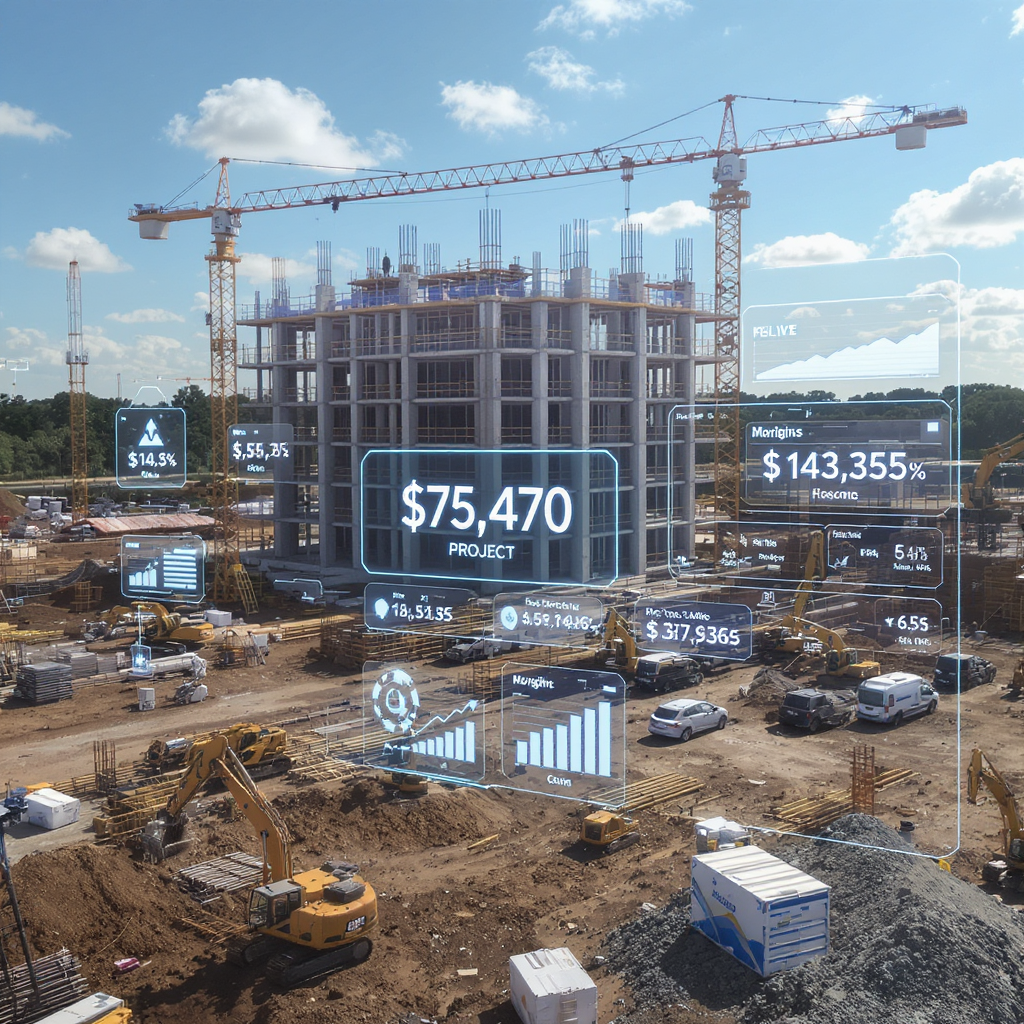
This is where project management software like JobNext makes a real difference. One of its standout features is live project profitability monitoring. Let’s break it down:
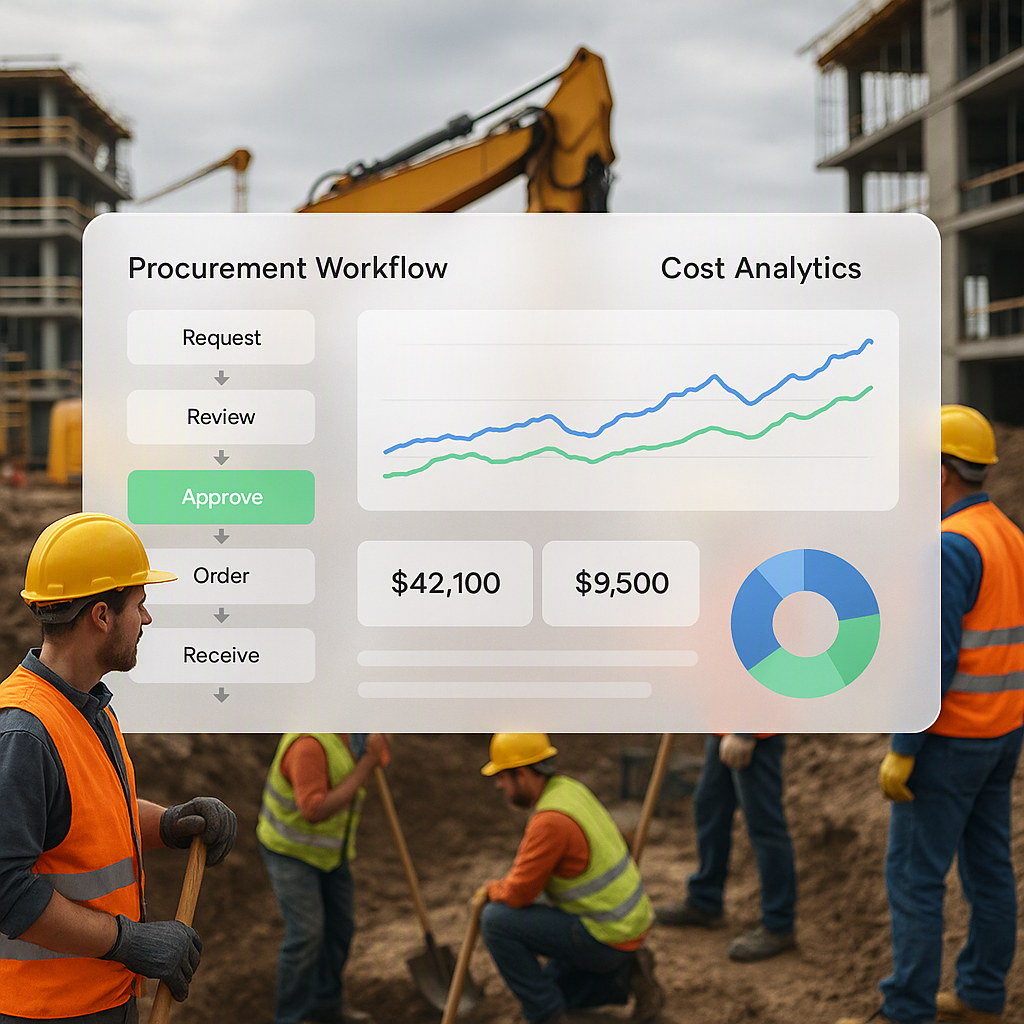
- BOQ vs. Actuals: You set up your BOQ and resource estimates during the planning phase. As the project progresses, JobNext syncs actuals (from purchase orders, subcontractor bills, and timesheets) against these estimates in real time.
- Scope-Level Analysis: Instead of just seeing overall project costs, you can drill down into specific scopes or work packages. For example, if plumbing or HVAC costs are trending 15% higher than expected, you’ll see it immediately—not three months later.
- Dashboards for Decision Makers: Managing Directors and Project Managers can view live dashboards showing margin erosion (or gains) across all active projects. No more waiting for end-of-month reports.
A Real-World Example
We worked with an MEP contractor in Dubai who adopted JobNext during a particularly challenging year. They were running 12 simultaneous projects and losing track of where costs were bleeding. After implementing real-time cost tracking, they identified two key issues:
- Subcontractor Overruns: One subcontractor was consistently billing for unapproved changes. By flagging this early, they renegotiated terms and saved AED 300,000 over six months.
- Material Cost Escalations: Steel prices had spiked 15%. The team adjusted procurement strategies mid-project, locking in bulk rates for the remaining phases.
The result? Their average project margin improved by 3% that year.
This example mirrors challenges faced by contractors and allied trades in India as well, where fluctuating material costs and untracked subcontractor overruns can similarly erode margins. Whether it’s navigating CPWD compliance or managing VAT filings across GCC regions, the need for real-time visibility remains universal.
What Happens Without It?
You might be thinking, "We’ve managed fine without fancy software for years." Fair enough. But let’s look at the risks:
- Delayed Insights: If you’re relying on spreadsheets or disconnected systems, you’re always looking at historical data. Decisions based on old numbers are, at best, educated guesses.
- Scope Creep: Without real-time alerts, scope creep can quietly erode your margins. By the time you notice, it’s too late to recover.
- Missed Opportunities: When you don’t know which projects are most profitable, you can’t double down on what’s working.
Whether you’re managing costs in INR or AED, and whether your focus is civil, MEP, or fit-out projects, a unified platform solves these issues. This article on the hidden cost of tool fragmentation from JobNext.ai explains how disconnected systems directly impact profitability.
Key Takeaways
- Margins are tight, and every decision counts.
- Real-time cost tracking isn’t just a feature—it’s essential for survival in today’s market.
- Software like JobNext provides the visibility contractors and allied trades need to protect and improve margins.
- The ROI of adopting such tools is clear: fewer overruns, better decisions, and healthier profits.
If you’re still managing costs manually or with outdated tools, it’s time to rethink your approach. Margins won’t fix themselves.
Learn more at JobNext.ai - Construction ERP