
Are You Losing Money Without Even Realizing It?
Margins in construction are thin. For most contractors and allied trades — whether in India or the GCC (UAE, Saudi Arabia, Qatar, Oman, Bahrain, Kuwait) — 5-10% profit margins are the norm. But here's the kicker: poor cost tracking and billing errors can erode up to 20% of your profits. Think about that for a second. You're working hard, landing projects, and executing them, but all it takes is a few missteps, and your bottom line is gone.
It’s not always obvious where the money is leaking. Maybe you underquoted a job. Or you forgot to bill for scope changes. Or you paid a supplier twice because your records were a mess. These are common issues across industries like civil/structural, MEP, HVAC, fire protection, electrical, plumbing, interiors/fit-out, and EPC, and they can sink a mid-sized contractor or trade business faster than you'd think.
So, how do you fix it? By upgrading to a cloud ERP.
What’s the Real Problem?
The main issue is disconnection. Most contractors and trade businesses juggle separate systems for tendering, procurement, billing, HR, and finance. Or worse, they rely on manual spreadsheets. These silos create chaos:
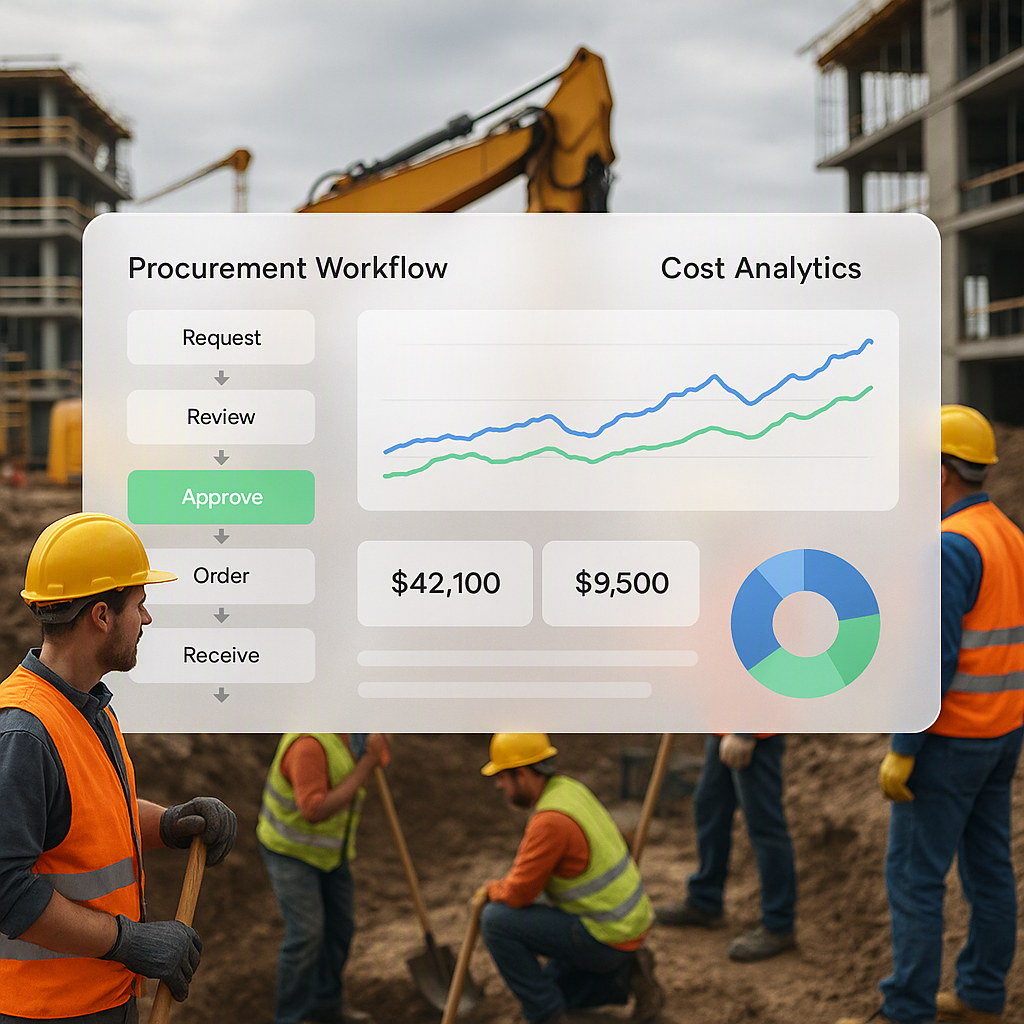
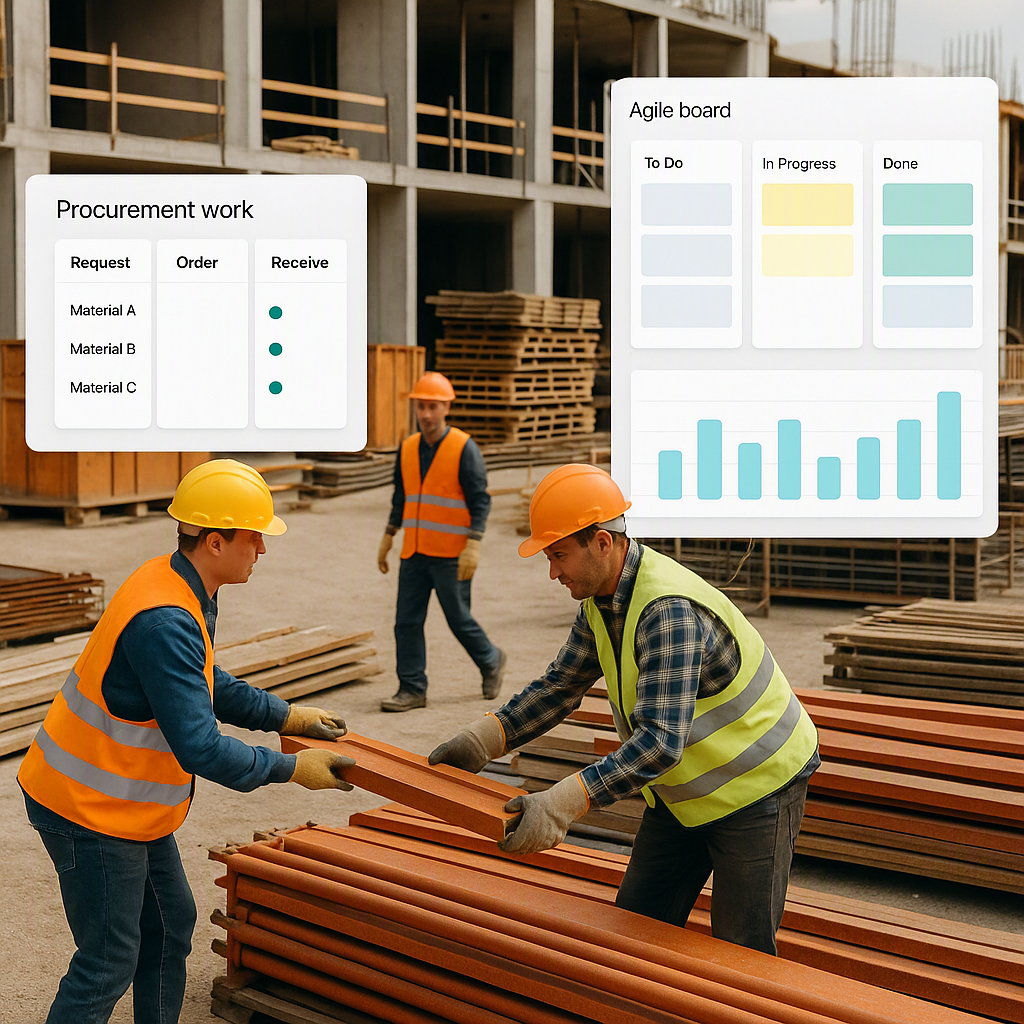
- Your procurement team orders materials, but the site team overspends because they don’t know the budget.
- You close a project, but someone forgot to bill the last milestone.
- Your finance team is drowning in paperwork, struggling to reconcile invoices.
Sound familiar? If yes, you’re not alone. These are the exact issues we’ve seen with contractors and allied trades using outdated systems or no systems at all. Whether it’s managing GST and Tally in India or navigating VAT compliance and multi-company Gulf group structures in the GCC, disjointed processes lead to inefficiencies and profit leaks.
How Cloud ERP Solves the Problem
A cloud ERP tailored for contractors and allied trades, like JobNext, doesn’t just digitize your processes — it connects them in real time. Let’s look at a specific example: billing.
One of the biggest pain points we’ve seen is revenue leakage during billing. Whether it’s RA bills, stage-wise payments, or one-time invoices, businesses often lose money because:
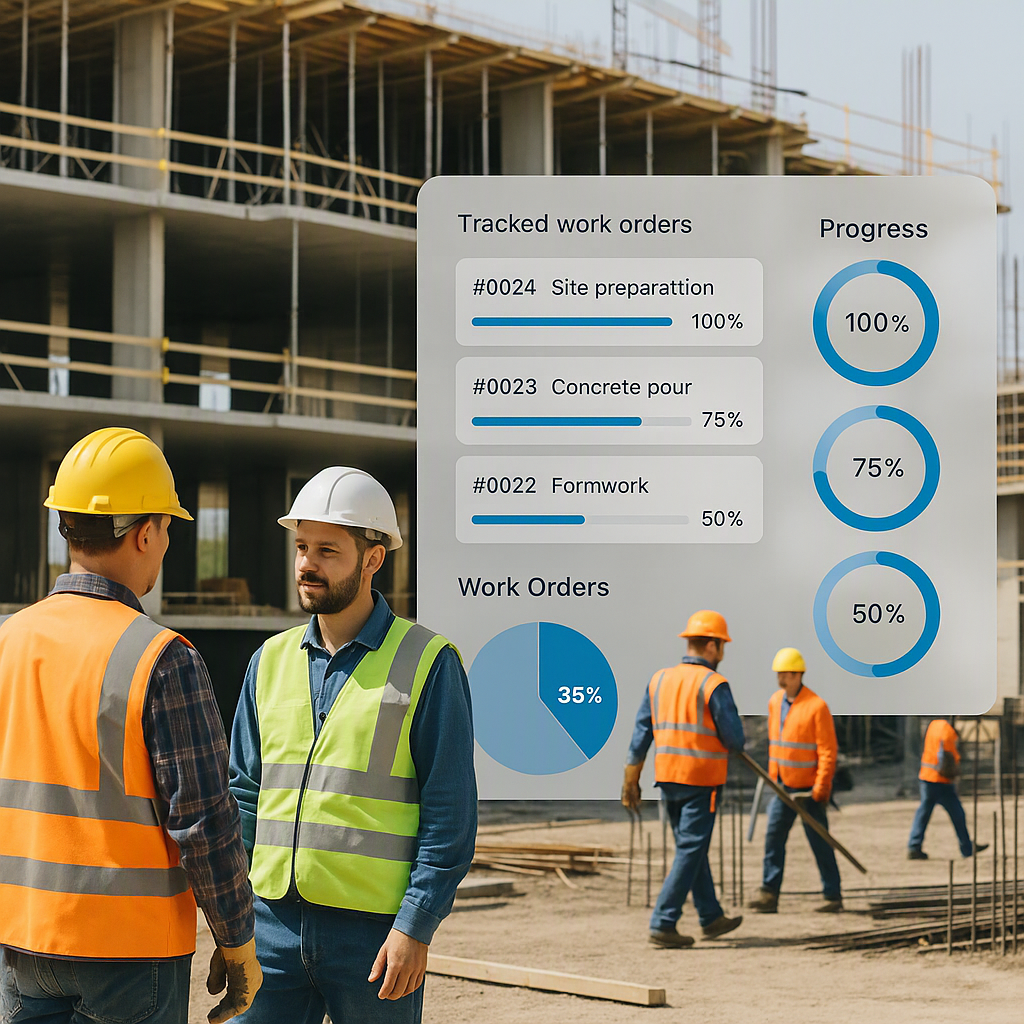
- They don’t track progress properly.
- They miss generating bills for extra work or variations.
- They don’t reconcile payments with actual work done.
A cloud ERP can automate and streamline this. Take JobNext, for instance. It supports six billing methods, so you can match the right one to each project. It also integrates billing with your project progress. Did you add a change order or complete a milestone? The system automatically calculates what’s due and flags any unbilled items.
And because it’s cloud-based, your team can access it anytime, anywhere. Whether your finance manager is in the office in Mumbai or Dubai, or your project manager is on-site in Delhi or Riyadh, everyone’s working off the same data.
Real Results: A Quick Example
Let’s say you’re running an HVAC installation project for a commercial building. Halfway through, the client requests additional ductwork. In a traditional setup, your site team might complete the work, but the change order could get lost in the chaos. By the time you realize it wasn’t billed, the project’s closed, and you’ve eaten the cost.
With a cloud ERP, you’d create a new scope item for the ductwork as soon as the client requests it. This gets added to the project’s BOQ (Bill of Quantities), automatically updating the budget and triggering a new invoice. Nothing falls through the cracks, and your margins stay intact.
This applies equally whether you’re managing CPWD contracts in India or adhering to GCC-specific tendering requirements. A unified system ensures compliance and accuracy across geographies.
Why Now?
You might be thinking, “We’ve gotten by without this for years. Why change now?” Because the game is changing. Clients across India and the GCC are demanding tighter timelines, fixed prices, and more transparency. At the same time, material costs are rising, and competition is fiercer than ever.
Can you afford to keep running your business on guesswork and disjointed systems? A cloud ERP isn’t just a software investment; it’s a growth investment. It gives you the tools to scale without losing control of your costs — or your sanity.
What’s the Next Step?
If you’re serious about fixing profit leaks and growing your business, start by assessing where you’re losing money. Is it billing? Procurement? Equipment utilization? Once you know the pain points, you can explore a cloud ERP solution like JobNext that addresses your specific needs.
Don’t just take our word for it. Try JobNext for free with a 14-day trial. You’ll get hands-on experience to see how much smoother your operations can run. No credit card required, and our team will guide you through onboarding.
You work too hard to let your profits slip away. Fix the leaks, and watch your business grow.
Learn more at JobNext.ai - Construction ERP