Why Small Contractors Lose Money Without an ERP
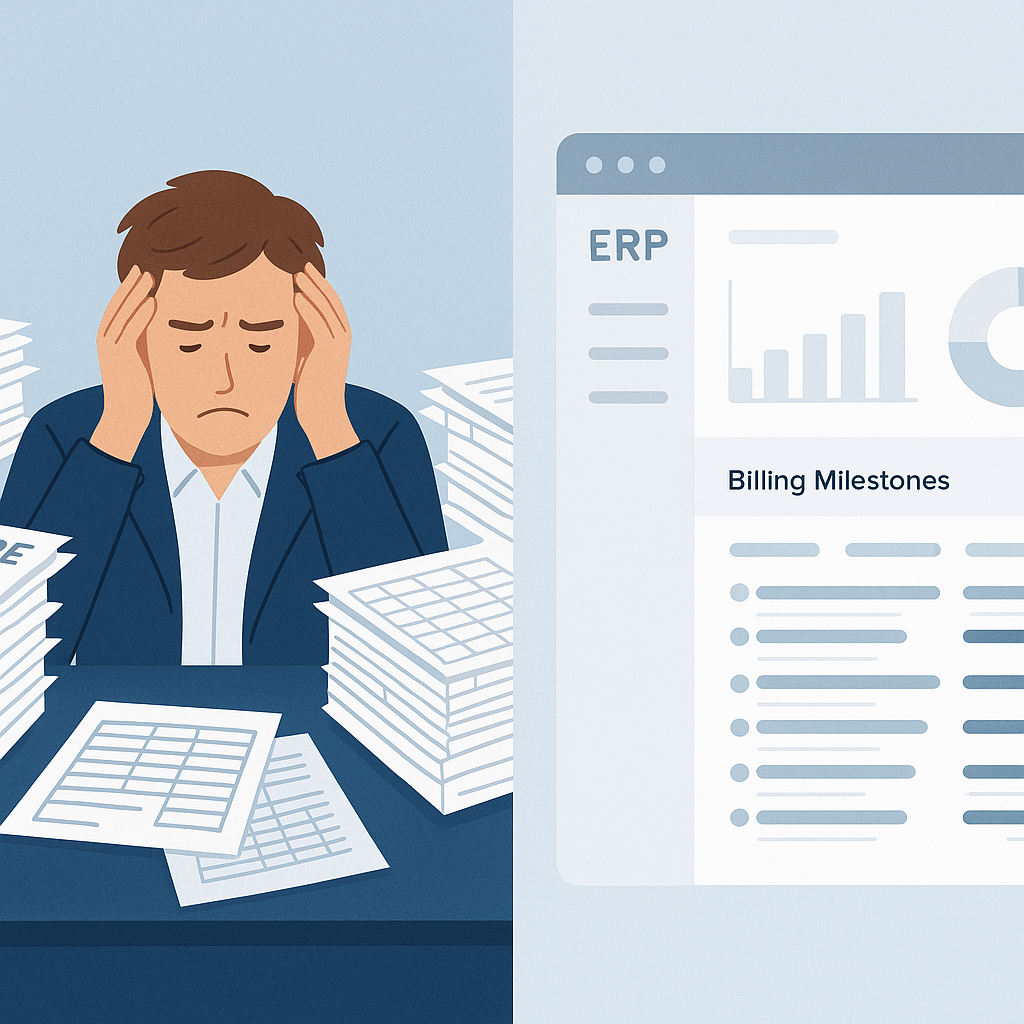
Let’s cut to the chase: small contractors bleed money because they lack visibility. Missed billing opportunities, subcontractor overruns, and compliance fines add up. And if you’re still juggling spreadsheets and disconnected tools, it’s even worse.
Take billing, for example. Many small contractors handle RA bills, stage-wise billing, or supply BOQ invoices manually. It’s chaotic. Multiple billing methods and formats mean things get missed. You might forget to invoice for extra work or delay a claim because you’re waiting for site data. Revenue leakage isn’t just possible—it’s almost guaranteed.
How a Unified ERP Fixes This
A unified ERP like JobNext solves these problems. It centralizes every piece of project financials. For example, JobNext supports six billing methods: RA bills, stage-wise, monthly, supply BOQ, combined, and one-time. Instead of manually tracking invoices across different formats, everything is automated and tracked against the contract.
Here’s the kicker: you can set up alerts for incomplete billing. Let’s say you’re halfway through a project but haven’t billed for an approved variation order. The system flags it. No manual follow-ups, no guessing. Just bill it and move on.
Real-World Example: Subcontractor Costs
Billing isn’t the only pain point. Subcontractor costs can spiral out of control when measurements aren’t properly tracked. Without a system, you’re relying on manual site entries or WhatsApp updates from the project manager. Good luck reconciling those when payments are due.
With JobNext, every subcontractor is tracked through a structured workflow: Work Request → RFP → Work Order → Measurements. Payments are directly tied to completed measurements, so you’re not paying for work that isn’t done. This alone can save mid-size contractors lakhs per year.
Compliance Headaches? Solved
Another area where small contractors lose money is compliance. GST filing, TDS deductions, PF/ESI payments—it’s a nightmare without automation. If you miss a deadline or file incorrectly, expect penalties.
JobNext integrates GST and TDS compliance directly into its finance module. It even connects with Tally for statutory reporting. That means no scrambling during tax season, and no losing sleep over audits.
The Bottom Line
You might be thinking, “I’m a small contractor. Can I really justify investing in an ERP?” Here’s the truth: not having one costs you more. Whether it’s missed billing, subcontractor overruns, or compliance fines, the losses compound.
JobNext isn’t just software. It’s a safety net for your margins. And for small contractors, margins are everything.
Want proof? Read this case study about a contractor who saved 18% on project costs after switching to JobNext.
You don’t have to take our word for it. Start by identifying one area—billing, subcontractor management, or compliance—that’s bleeding money. Fixing just one with a unified ERP can make a huge difference.
Ready to see JobNext in action?
Multi-tenant SaaS ERP for construction, facilities management, and contracting — covering preconstruction, project execution, procurement, HR & payroll, equipment, finance, and 150+ analytics reports.
Get Started Free →