Why Your Construction ERP Choice Can Make or Break Your Projects
ERP software isn’t a luxury for contractors anymore. It’s a necessity. Margins are razor-thin, project timelines are tighter, and compliance requirements keep stacking up. But not all ERP systems are created equal. Pick the wrong one, and instead of solving problems, you’ll just be adding new ones.
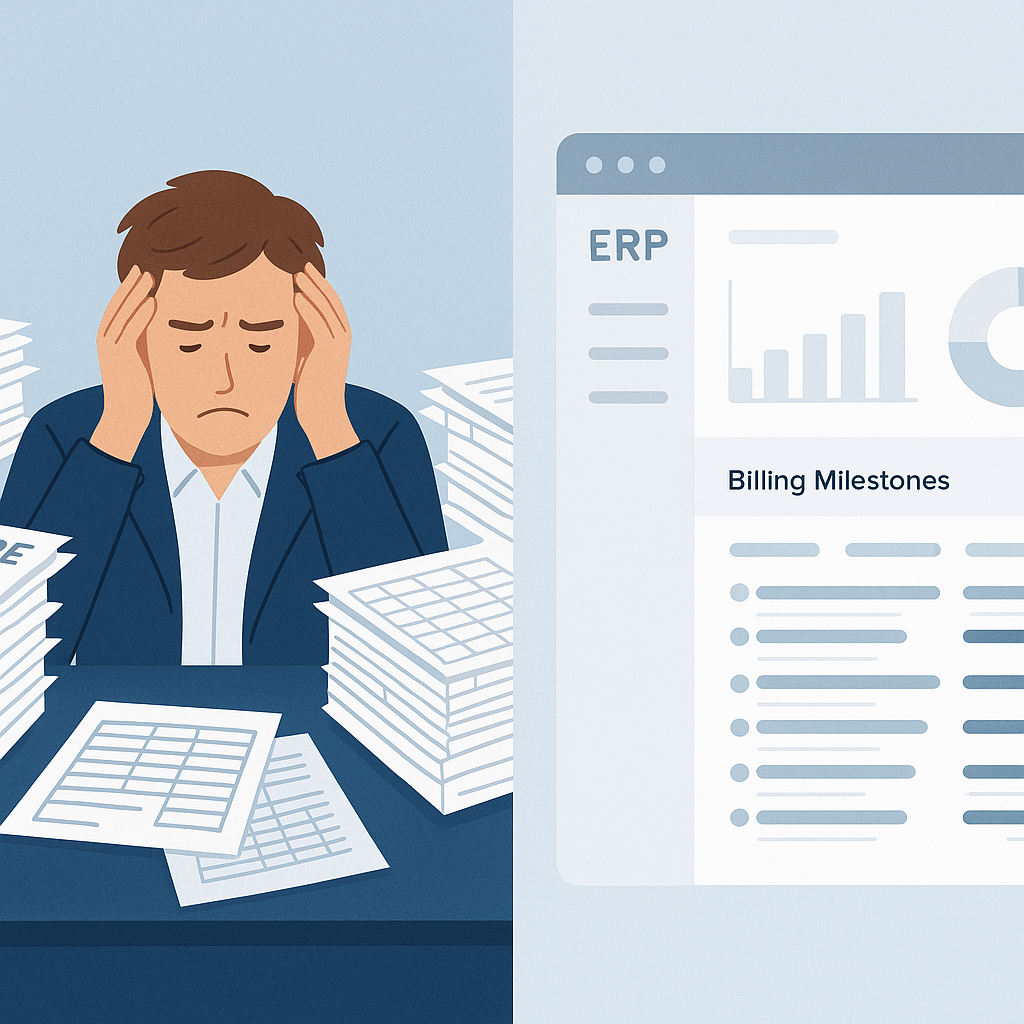
Let’s focus on one critical area: billing accuracy. If you’re in construction, you know how messy billing can get. RA bills, stage-wise invoicing, monthly payments, supply BOQs — every project needs something different. The problem? Generic ERPs don’t handle this complexity. You either end up shoehorning your process into their system or tracking half your invoicing in Excel (been there, hated it).
The good news? Some systems are built with contractors in mind. Take JobNext, for example. It offers six billing methods out of the box, including RA bills, stage-based, and even one-time invoicing. That’s a big deal if you’ve ever had a dispute with a client because your billing didn’t match their expectations.
But billing is just one piece. Let’s break down the five key questions you need to ask before choosing any ERP.
1. Does It Solve Your Actual Problems?
Here’s the deal: most ERP vendors will promise the moon. But you need to focus on your pain points. Are you losing revenue because of missed invoices? Are material requests getting lost in email threads? Is your equipment sitting idle because no one’s tracking utilization?
For instance, JobNext’s structured procurement workflow (MR → RFQ → Vendor Offers → PO) is a lifesaver for companies drowning in manual purchasing chaos. If your current system doesn’t give you this kind of clarity, you’re doing extra work for no reason.
2. Is It Built for Contractors or General Industries?
ERP systems built for manufacturing or retail won’t cut it in construction. Why? Because they don’t understand things like BOQ-based project setup or subcontractor progress tracking. You’ll spend months customizing, only to end up with a clunky workaround.
Specialized products like JobNext include features like subcontractor payment controls tied to actual work measurements. This isn’t a nice-to-have; it’s essential for avoiding cost overruns.
3. How Well Does It Handle Compliance?
If you’re operating in India or GCC, you already know how complex GST, TDS, and statutory deductions can get. Generic ERPs might claim compliance, but when you’re filing GST or managing TDS deductions for subcontractors, you’ll hit roadblocks.
With JobNext, GST compliance and Tally integration are built-in. No exporting, no manual adjustments. It’s all there in one place. This is non-negotiable for anyone who’s been fined for a missed filing deadline.
4. Can It Scale With You?
Running five projects today? Great. But what happens when you’re managing 20? Your ERP has to handle multiple teams, sites, and approval workflows without slowing down.
JobNext’s multi-tenant SaaS architecture is designed for this. It’s cloud-based, which means no servers to maintain, and it supports role-based access, so your project team sees only what they need. You won’t outgrow it in three years.
5. What’s the Total Cost of Ownership?
Don’t just look at licensing fees. Factor in setup, training, customizations, and ongoing maintenance. A cheaper system that requires endless Excel exports isn’t really cheaper, is it?
We’ve seen contractors switch to JobNext after spending lakhs on ERPs that couldn’t deliver. Why? Because the hidden costs of inefficiency add up fast.
Final Thoughts
Choosing the best ERP software for construction isn’t about finding the most features. It’s about finding the right features for your business. From billing flexibility to compliance, tools like JobNext are built to solve real contractor problems. So don’t settle for a system that makes you work harder. Pick one that works for you.
Want to see how JobNext compares to your current setup? Request a Demo.
Ready to see JobNext in action?
Multi-tenant SaaS ERP for construction, facilities management, and contracting — covering preconstruction, project execution, procurement, HR & payroll, equipment, finance, and 150+ analytics reports.
Get Started Free →