Let’s Get Real About Construction ERP Systems
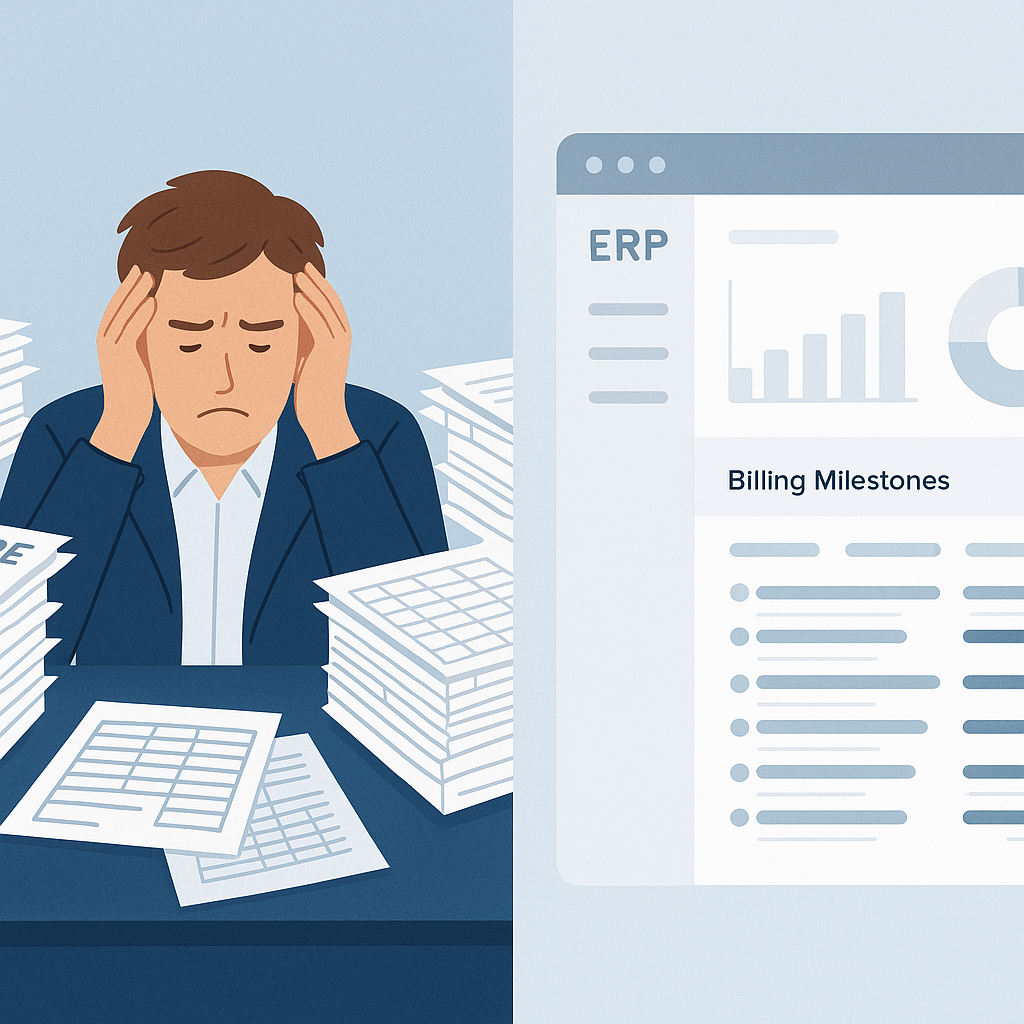
Most contractors I know don’t have the time to waste on a bad ERP decision. But here’s the hard truth — a lot of ERP systems out there just don’t cut it for construction. They’re built for generic businesses, not project-driven industries like ours. And that’s where the headaches start.
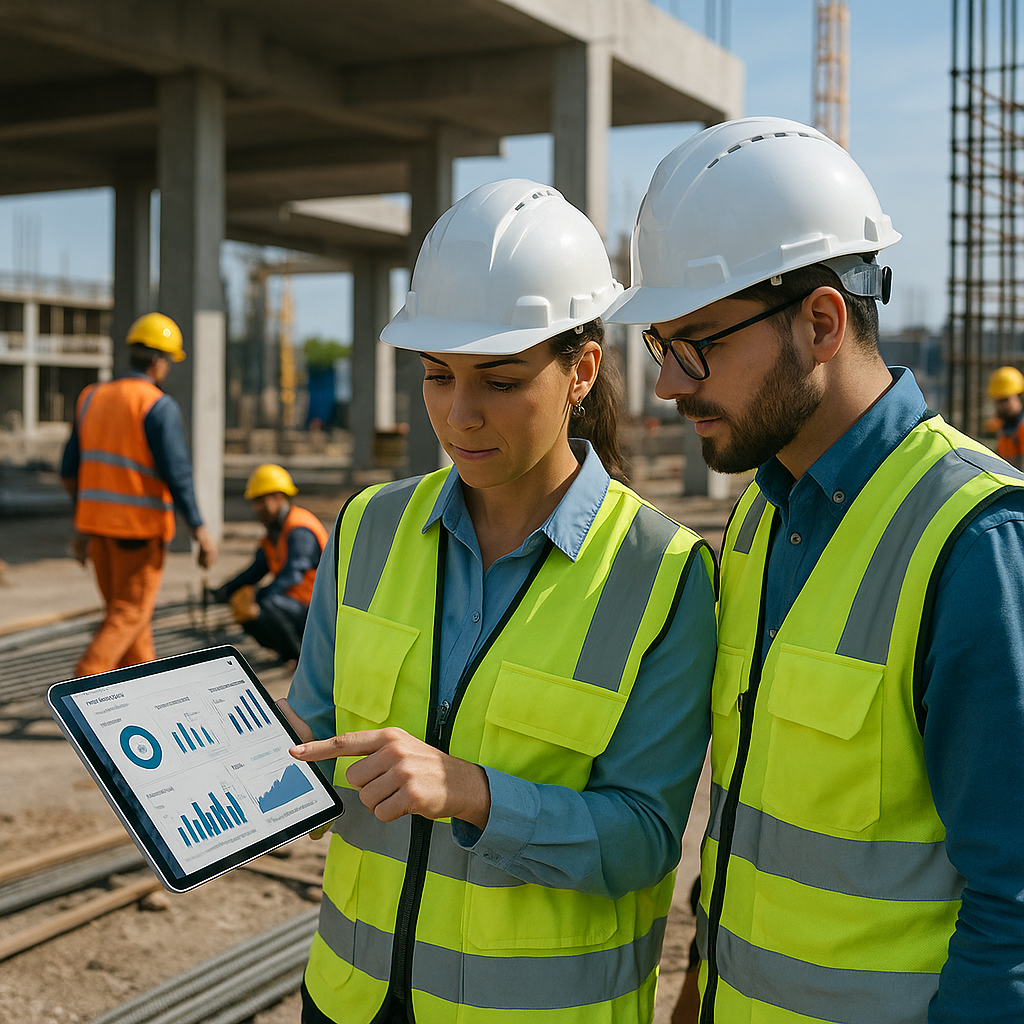
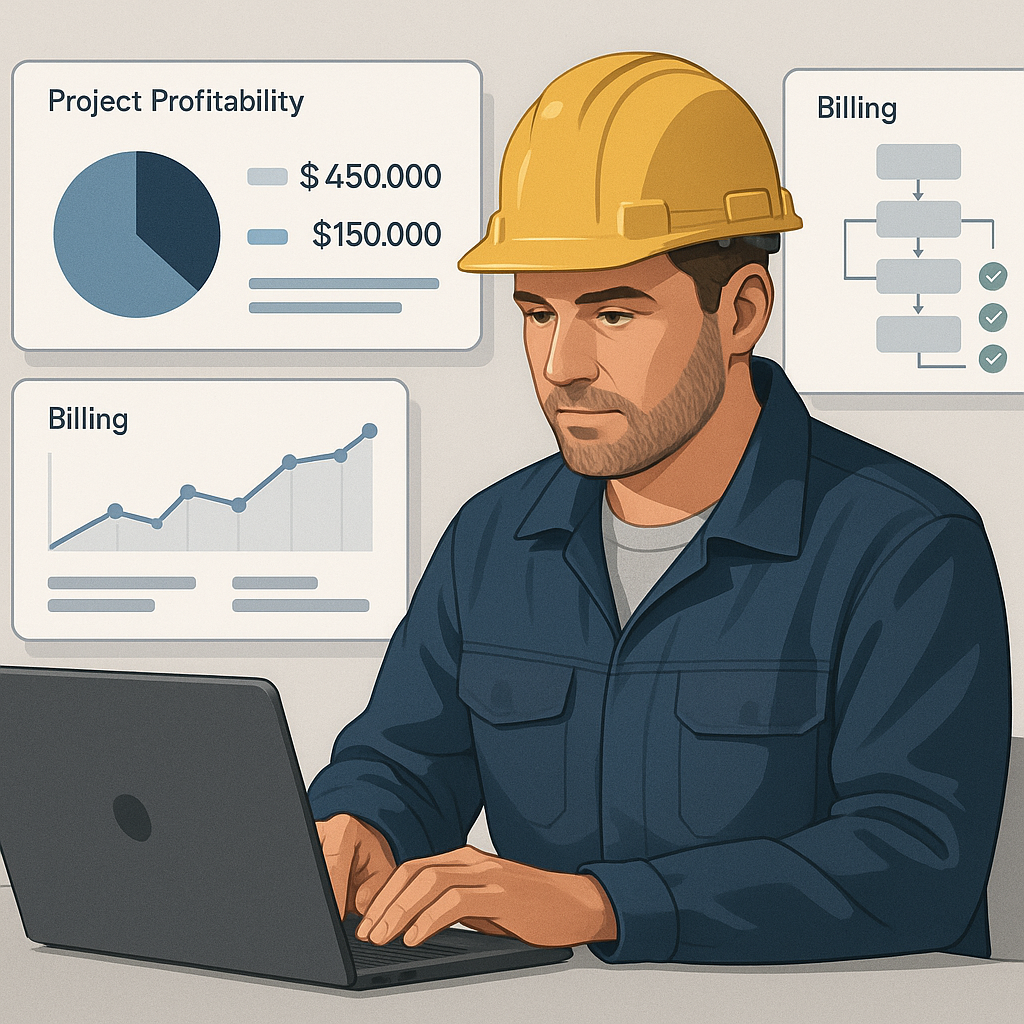
Take margin erosion. Everyone talks about it, but few systems solve it. If your ERP can’t track profitability in real time — by BOQs, scopes, or estimates — you’re flying blind. That’s how small overruns snowball into major losses. We’ve seen it happen too many times.
So, how do you avoid these traps? Let’s break it down by the key factors that actually matter.
1. GST Compliance Isn’t Optional (For Indian Contractors)
If you’re operating in India, GST compliance is non-negotiable. Yet, I’m shocked by how many ERPs claim to handle GST but miss key workflows like TDS deductions or GST input reconciliation. One client we worked with was stuck manually filing GST because their ERP didn’t integrate with Tally. It cost them hours every month — and mistakes still slipped through.
A good ERP should handle GST compliance end-to-end. For example, JobNext integrates directly with Tally for Indian statutory reporting. It also tracks GST inputs, outputs, and TDS deductions automatically, so you’re always audit-ready. No manual hacks, no guesswork.
2. Multi-Tenant SaaS vs. On-Premise: Stop Overthinking It
On-premise systems might feel safer, but let’s be honest — they’re outdated. The upfront costs, the maintenance, the upgrades... they’re a nightmare. Multi-tenant SaaS ERPs are the way forward, especially for contractors managing multiple sites.
Why? Scalability. If your project pipeline grows, SaaS can handle it. Plus, you’re not tied to one office computer. Need to approve a purchase order from a site in Oman? No problem — log in from your phone. With JobNext, our clients use role-based access to ensure site managers, procurement heads, and finance teams see only what they need. Simple, secure, and flexible.
3. Billing Flexibility: The Dealbreaker You’re Ignoring
Revenue leakage is a silent killer. Miss one milestone bill, and you’re playing catch-up the rest of the project. Problem is, most ERPs only support basic billing methods. That won’t cut it for industries like MEP or interior design, where contracts are complex.
We’ve seen contractors lose 5-10% of revenue just because their ERP couldn’t handle RA Bills or stage-wise billing. That’s why platforms like JobNext support six billing methods out of the box — from supply BOQ to combined billing. It ensures nothing falls through the cracks, no matter how messy the contract.
4. Procurement Workflows: Structured or Chaotic?
Let’s talk procurement. Most contractors still rely on WhatsApp and Excel to manage purchase requests, RFQs, and vendor selection. Sound familiar? It’s chaos. Vendors miss deadlines, material shortages delay projects, and costs spiral.
A proper ERP should streamline this entire workflow. For example, JobNext structures procurement into clear steps: MR → RFQ → Vendor Offers → PO. Approvals are built-in, so no one bypasses the process. One client reduced material procurement delays by 30% after switching to this system.
5. HR for Multi-Site Teams: Don’t Settle for Excel
If you’re managing staff across multiple sites, you know how messy HR gets. Attendance records are incomplete. Payroll errors lead to disputes. And don’t even get me started on GCC rules for WPS compliance.
An ERP designed for contractors — like JobNext — simplifies this. You can track attendance, allocate staff to projects, process payroll (including WPS for GCC), and handle leave requests all in one place. It’s not glamorous, but it’s essential. And it works.
Final Thoughts: Don’t Overcomplicate, But Don’t Settle
Choosing the best ERP software for construction isn’t about ticking the most boxes. It’s about finding a system that solves your problems. Whether it’s GST compliance, billing, or procurement, focus on the workflows that matter most to your business.
And don’t be fooled by flashy features that you’ll never use. The right ERP will save you time, money, and headaches. If you’re curious how JobNext handles the specific challenges contractors face, schedule a demo here. It’s worth seeing for yourself.
Ready to see JobNext in action?
Multi-tenant SaaS ERP for construction, facilities management, and contracting — covering preconstruction, project execution, procurement, HR & payroll, equipment, finance, and 150+ analytics reports.
Get Started Free →