5 Concrete Ways to Prevent Cost Overruns in Construction Projects
Why Do Cost Overruns Happen So Often?
Let’s start with the obvious: construction projects are complex. You're managing shifting timelines, fluctuating material costs, and unpredictable site conditions. Add disconnected systems and manual workflows to the mix, and you’re practically inviting cost overruns.
The stats are ugly. Research shows nearly 70% of construction projects run over budget, with overruns averaging 16% of the total project cost. For mid-size contractors and allied trades — whether in India or the GCC — operating on razor-thin margins, that’s a fast track to financial trouble (ResearchGate).
So, how do you avoid this trap? By addressing the root causes. Here are five practical strategies to prevent cost overruns.
1. Nail the Estimate (Don’t “Guess-Timate”)
Overruns often start before the project even begins. If your estimate is off, everything that follows will be too. Historical data is your best friend here. Use it to make realistic predictions about labor, materials, and equipment costs.
But here’s the problem: most contractors and trades like MEP, HVAC, and interiors rely on spreadsheets or gut instinct. That’s a recipe for disaster. Tools like JobNext’s preconstruction module help you get it right by combining historical data with AI-driven predictions. For example, its 5-factor resource estimation model accounts for scope, material type, labor rates, site conditions, and timeframe — all in one go.
Pro Tip: If you’re still using Excel to create estimates, it’s time to upgrade. AI-based tools now achieve 97% accuracy (JobNext.ai). You can’t compete with that.
2. Lock Down Procurement with Clear Workflows
Material costs account for 40-60% of most project budgets. Small mistakes here lead to big overruns. Ever had a vendor deliver the wrong material? Or seen prices spike because someone ordered last-minute? It adds up fast.
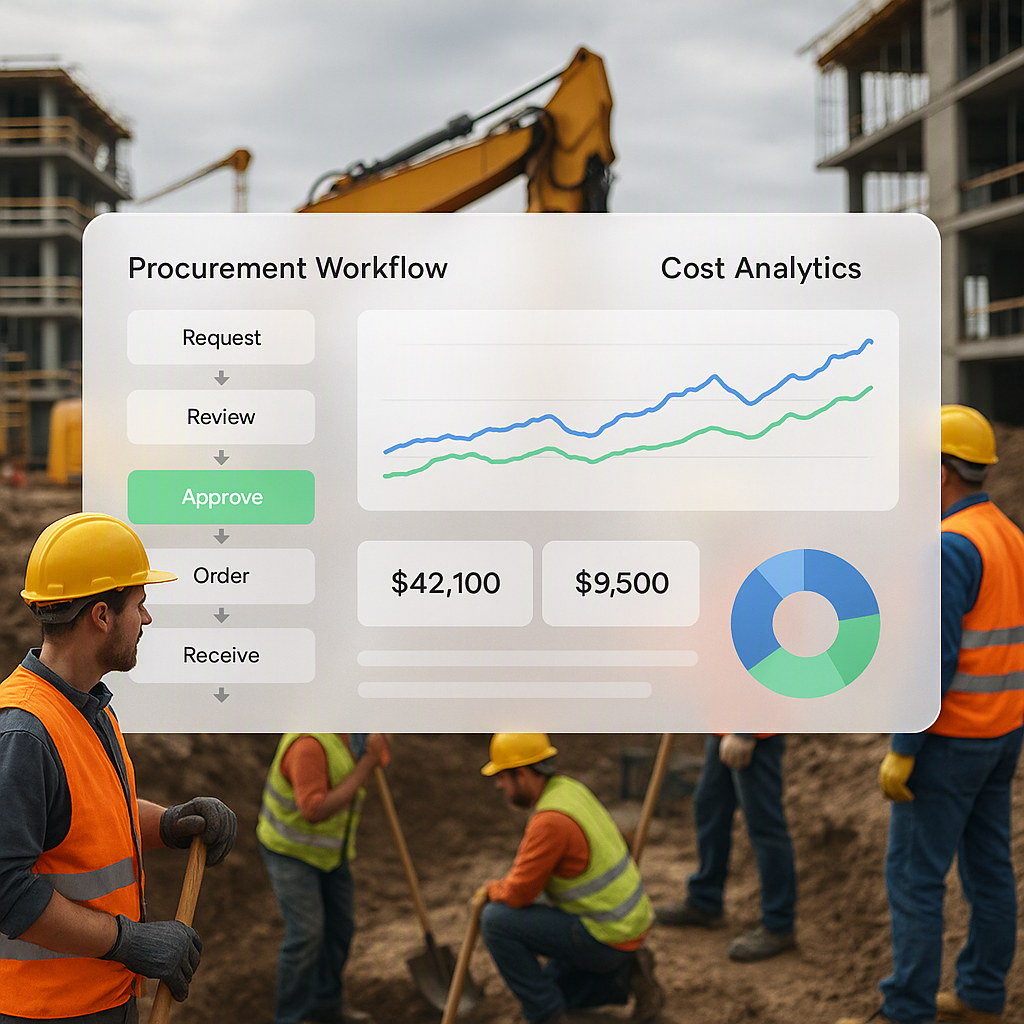
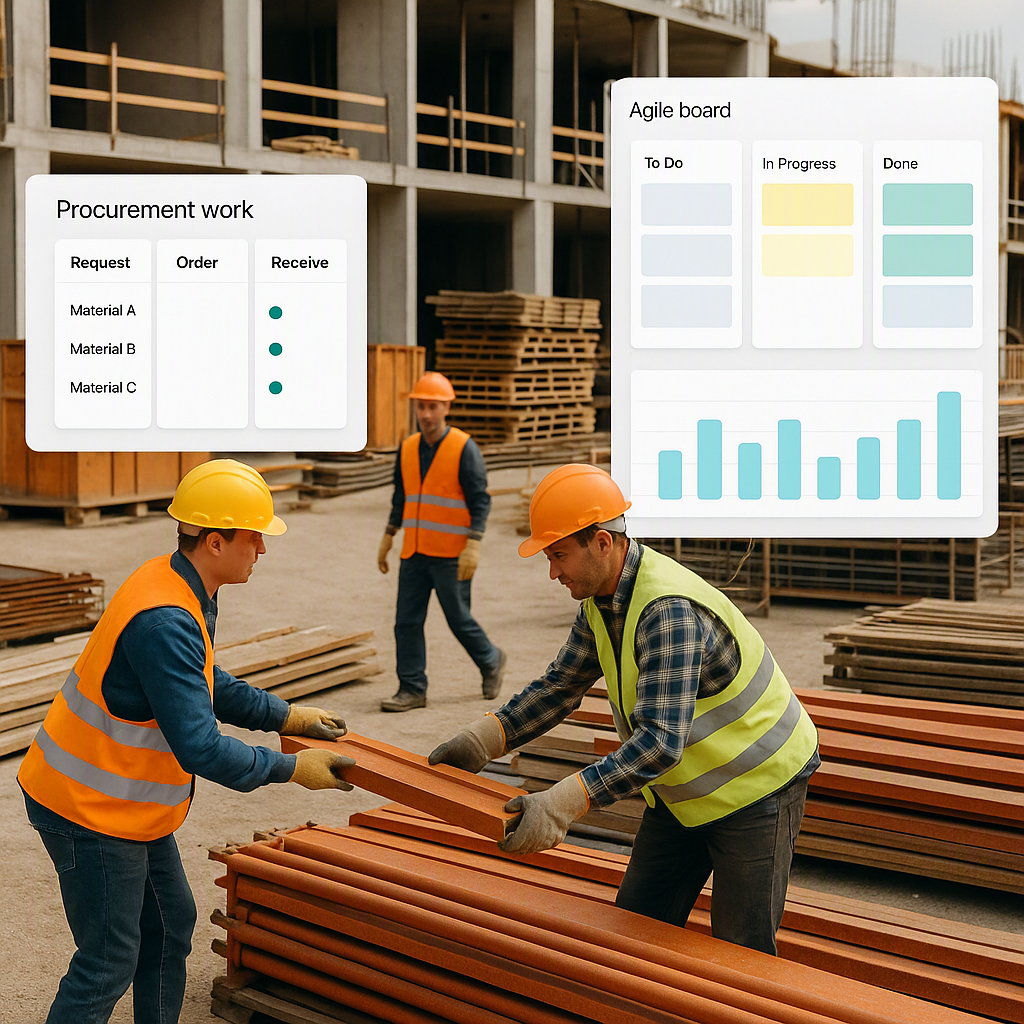
Structured procurement workflows are your safety net. Instead of chaotic emails and phone calls, a proper system tracks every Material Request (MR), RFQ, vendor offer, and Purchase Order (PO). For example, JobNext’s MR → RFQ → Vendor Offers → PO workflow ensures nothing falls through the cracks. Plus, it enforces multi-level approvals, so you don’t overspend on unnecessary items.
Whether you’re managing projects in India (with GST compliance and INR budgets) or in the GCC (with VAT regulations and AED/SAR budgets), these workflows ensure visibility and control across regions.
Pro Tip: Build a preferred vendor list. Use historical data to spot who reliably delivers on time and within budget.
3. Monitor Project Progress in Real Time
You can’t fix a problem you don’t see. Yet, most contractors and allied trades operate in the dark until it’s too late. Weekly progress reports? Helpful, but not enough. By the time you realize you’re behind schedule or over budget, you’re already bleeding money.
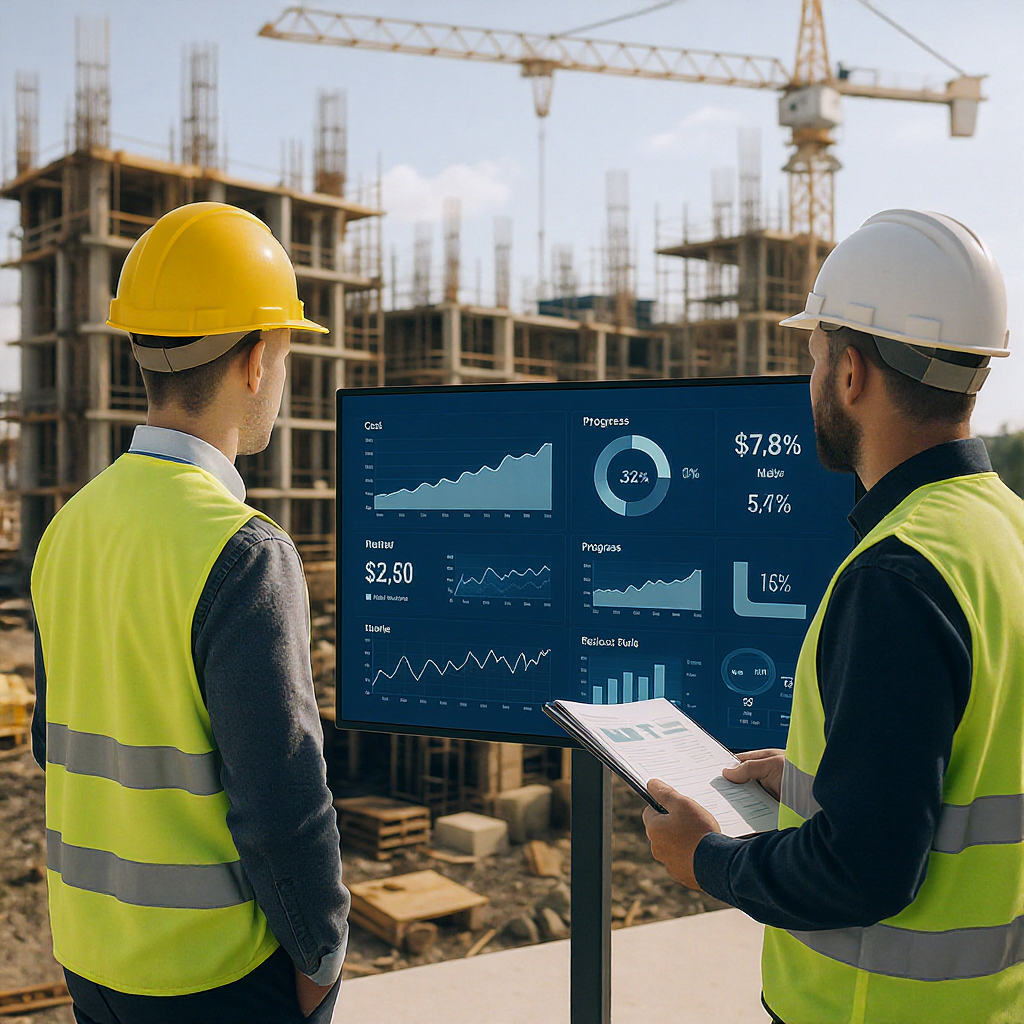
Real-time dashboards make a huge difference. JobNext, for instance, provides live updates on project profitability across BOQs, scopes, and estimates. You’ll know right away if your labor costs are trending higher than planned or if material consumption is exceeding limits — whether you’re managing a CPWD project in India or a multi-company EPC group in the Gulf.
Pro Tip: Use mobile apps to connect your field teams directly to your system. When site engineers update measurements or progress, it syncs instantly with your dashboard (JobNext.ai).
4. Keep Subcontractor Costs Under Control
Subcontractors are often a wildcard. Without proper controls, payments can spiral out of control. Measurement-based progress tracking is the key. Tie every payment to verified work completion.
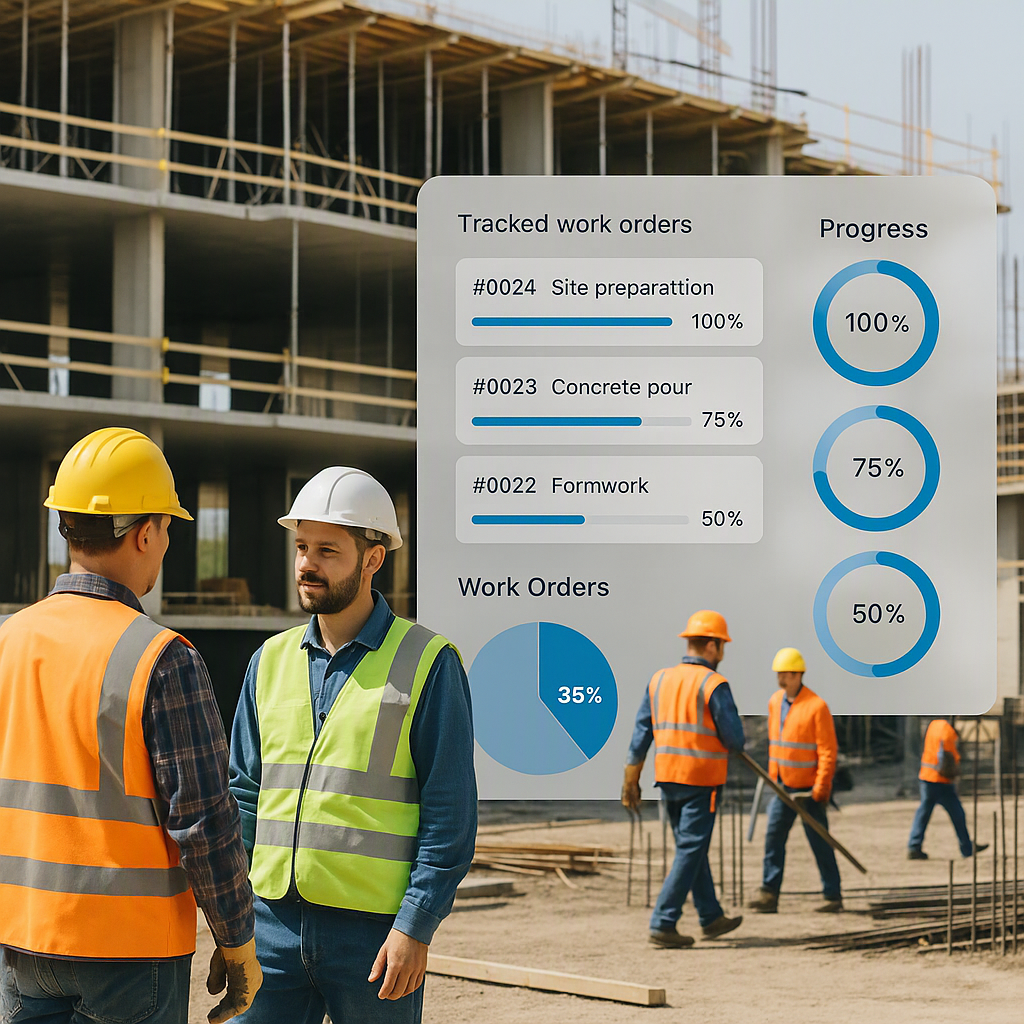
Here’s how it works in JobNext: every subcontractor work order (WO) is linked to precise measurements. Site engineers upload progress data, which is then validated against the contract. Payments only go out when the numbers match. No more guesswork.
This approach works equally well for civil contractors in India and Gulf-based MEP or fire protection specialists managing multi-site projects across the region.
Pro Tip: Always include penalty clauses in subcontractor agreements for delays or rework. It’s a strong incentive to stay on track.
5. Plan for the Worst (Because It Will Happen)
Even the best-laid plans hit snags. Material shortages, weather delays, labor strikes — you name it. The difference between surviving and sinking is how you respond.
Scenario planning is essential. Build contingency budgets and factor in risks during the planning phase. JobNext’s project setup feature lets you create a BOQ/WBS hierarchy that includes risk buffers. This way, you’re not scrambling when something goes wrong.
Whether it’s planning for monsoon-related delays in India or supply chain disruptions in the GCC, proactive risk management helps protect your margins.
Pro Tip: Use historical project data to identify your top 3-5 risk factors. Then, plan your buffers accordingly.
Final Thoughts
Cost overruns aren’t inevitable. They’re the result of poor planning, weak controls, and disconnected systems. Fix those, and you’ll protect your margins — even in tough markets like India and the GCC.
If you’re still running your operations on fragmented tools, it’s time to rethink your approach. Solutions like JobNext unify preconstruction, procurement, billing, and project monitoring, giving you visibility and control where you need it most. As we’ve said before, disconnected tools don’t just waste time — they kill profitability (JobNext.ai).
Want to learn more? Check out JobNext.ai for a closer look at how integrated systems can help you prevent cost overruns for good.
Learn more at JobNext.ai - Construction ERP