Why Small Contractors Struggle to Stay Profitable
Margins are thin in construction. If you're a contractor running multiple projects, you probably know the drill: a missed RA bill here, an overpaid subcontractor there, and suddenly, your profit is gone. Small contractors, especially in India and GCC, often operate with disconnected tools — spreadsheets for cost tracking, WhatsApp for site updates, and standalone accounting software for GST compliance. It feels manageable, but it's not sustainable.
Here’s the reality: disconnected systems bleed money. You lose visibility into project profitability, make duplicate payments, and spend hours reconciling data. If you're still trying to "manage" with separate tools, you're essentially gambling with your margins.
This is where unified construction ERPs come in. They’re not just for large enterprises anymore. Small contractors can benefit — if they pick the right one. Let me explain with an example that hits home for many.
The Problem: Revenue Leakage in Billing
One of the most common failures among small contractors is billing. You complete the work, but the client disputes the RA bill. Or worse, you forget to bill for extra items added mid-project. Multiply this across multiple running projects, and it’s chaos.
Here’s how it typically happens:
- Billing is manually calculated based on BOQs and site measurements.
- Extra work orders or changes aren’t documented properly.
- RA bills are delayed because the paperwork isn’t ready.
- Invoices miss GST compliance checks, leading to penalties.
A recent piece on JobNext.ai highlights how poor scope management often leads to billing disputes. The same applies here. If your billing process isn’t airtight, you’re leaving money on the table.
How Unified ERPs Solve This
A unified construction ERP tackles these issues head-on. Let’s break it down:
-
Standardized Billing Methods: A good ERP supports multiple billing methods — RA bills, stage-wise billing, supply BOQ, and more. This means you can bill accurately, no matter how complex the project.
-
Change Management: With an ERP, every extra work order or scope change is documented in real-time. No more missed billing opportunities.
-
GST Compliance: GST compliance isn’t optional. Unified ERPs ensure invoices are GST-ready and integrate directly with Tally or similar systems for statutory reporting.
-
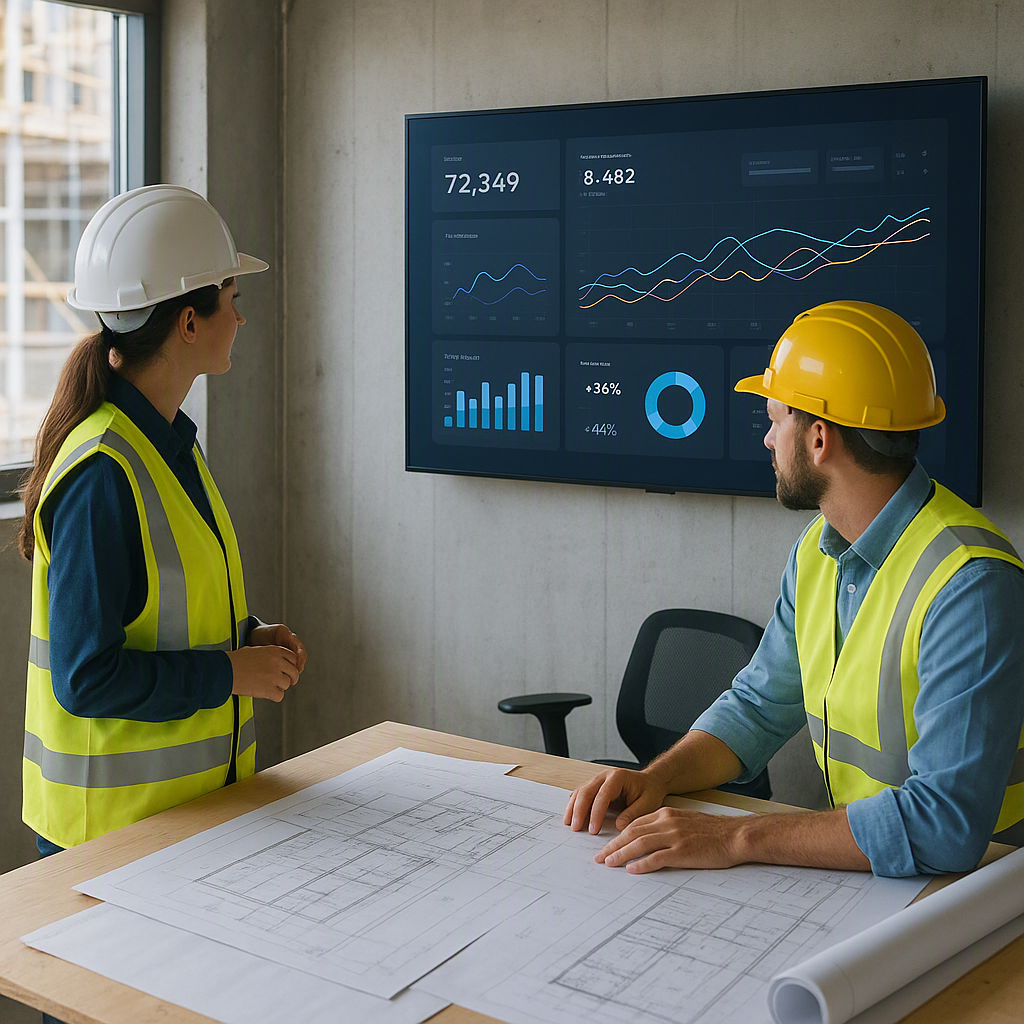
Real-Time Visibility: Dashboards in an ERP show you where your money is — billed, unbilled, or stuck in disputes. You can act faster and smarter.
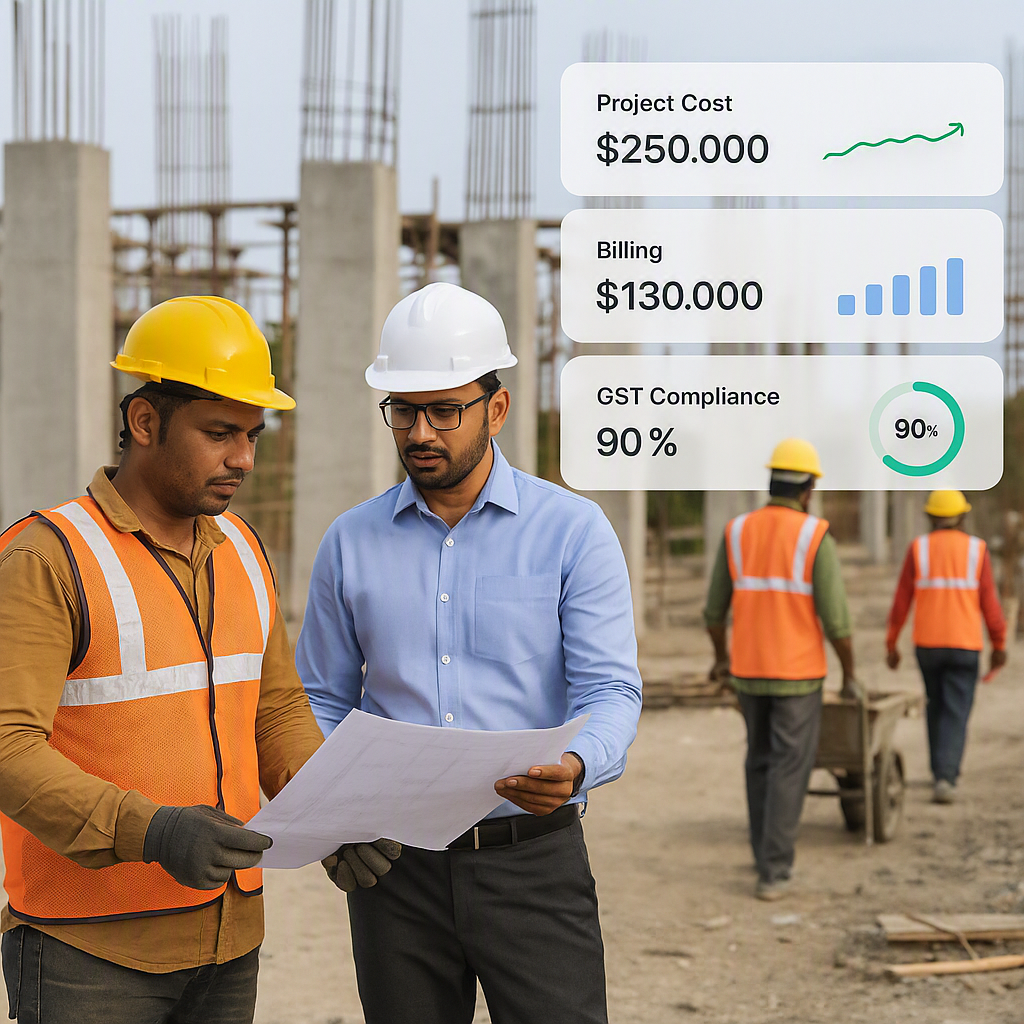
Illustrative example — Imagine tracking all billing methods in one place with automated GST checks. This isn’t a luxury; it’s a necessity.
What Happens When You Don’t Fix This?
Let’s be blunt. If you’re still relying on manual processes, here’s what you’re risking:
- Delayed Payments: Clients won’t pay until disputes are resolved, which takes weeks (or months).
- Lost Revenue: Missed billing items add up, especially on long-term projects.
- Non-Compliance Fines: GST errors can get expensive fast.
- Damaged Reputation: Clients notice when your paperwork is sloppy. You lose credibility.
Common Objections (And Why They Don’t Hold Up)
You might be thinking:
- "We’re too small for an ERP."
- "It’s too expensive."
- "We don’t have time to implement one."
These were valid concerns five years ago. But today, ERPs are affordable and designed for small teams. Cloud-based solutions require minimal setup and training. And the cost? It’s a fraction of what you’re losing to errors.
FAQs
Q: How long does it take to implement an ERP?
A: With cloud-based systems, you can start in as little as a week. Data migration and training might take a month, but it’s worth it.
Q: What if my team isn’t tech-savvy?
A: Modern ERPs are user-friendly. Most tasks are as simple as filling out a form or clicking a button. Plus, vendors offer training and support.
Q: Can an ERP handle GST compliance for Indian contractors?
A: Yes, if you choose the right one. Look for features like automated GST checks and Tally integration.
Final Thoughts
Unified construction ERPs aren’t optional anymore, even for small contractors. They’re the difference between running a profitable business and constantly firefighting. If you’re serious about growth, start by fixing your billing and compliance workflows.
ProjectsNext is designed to help small contractors tackle these challenges head-on. Explore the features and see how it can simplify your operations. Get started →
Learn more at JobNext.ai - Construction ERP