Why Small Contractors Lose Money Without Unified Construction ERPs
Margins are tight, projects are messy, and you don’t have a dedicated team watching every rupee. Sound familiar? Small contractors often lose money not because of bad work, but because they can’t keep tabs on costs. Missed costs, inaccurate BOQs, or scope creep — it adds up fast.
The Problem: Poor Cost Tracking
Let’s get specific. Imagine you’re running three concurrent projects. You quoted Project A at 15% margin, but you underestimated the material wastage. For Project B, the subcontractor billed extra for work you didn’t authorize. And Project C? You lost track of which BOQ items were completed, so you underbilled. That’s three ways money leaks out — unnoticed until it’s too late.
You might be thinking, “We track costs in Excel or Tally — isn’t that enough?” No, it isn’t. Excel doesn’t show real-time profitability. It doesn’t link your BOQs, scopes, and subcontractor payments to actual project progress. And Tally? Great for statutory compliance, useless for construction-specific cost tracking.
The Solution: Unified Construction ERP
Here’s where unified ERPs come in. A platform like JobNext lets you track every cost — from tendering to execution — in one place. Let’s break it down:
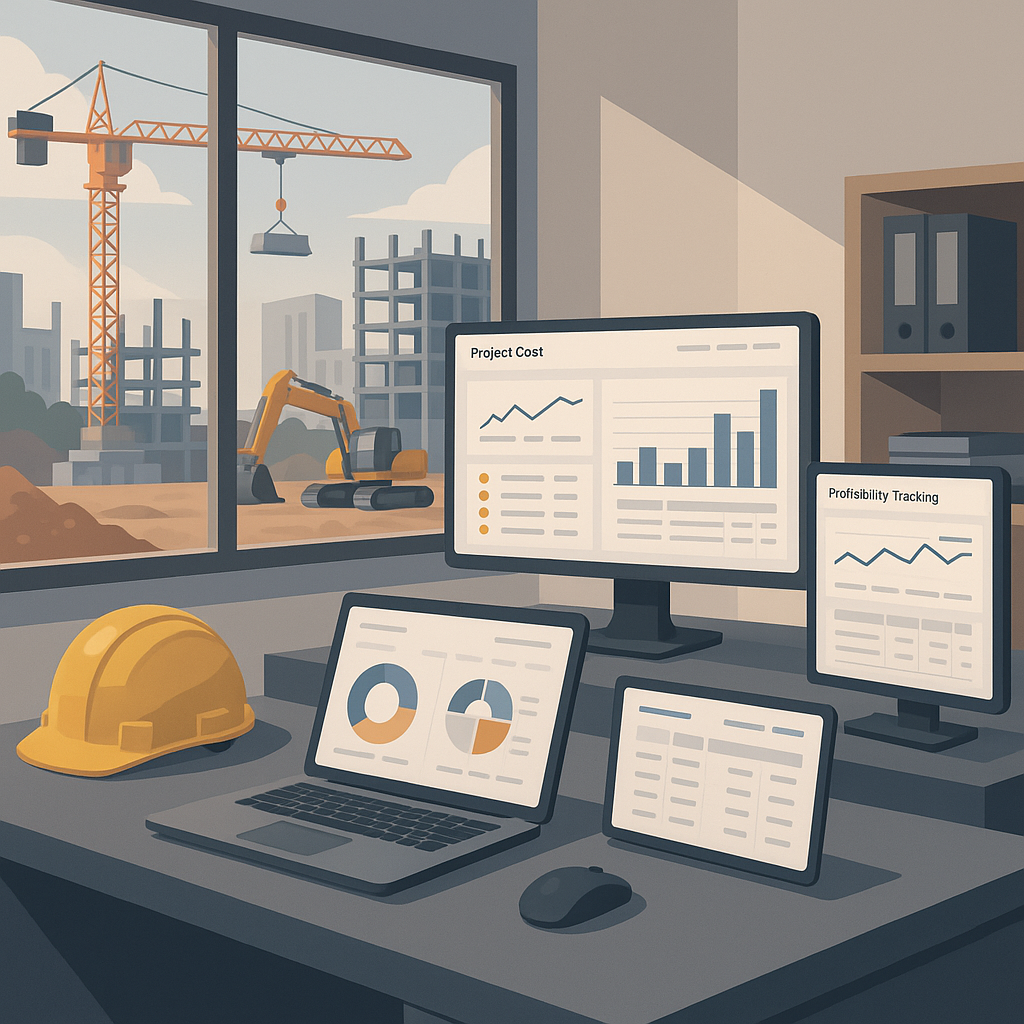
- Real-Time Profitability: You know exactly where each project stands financially. JobNext gives you dashboards that show profitability across BOQs, scopes, and estimates. If material wastage spikes, you’ll spot it immediately.
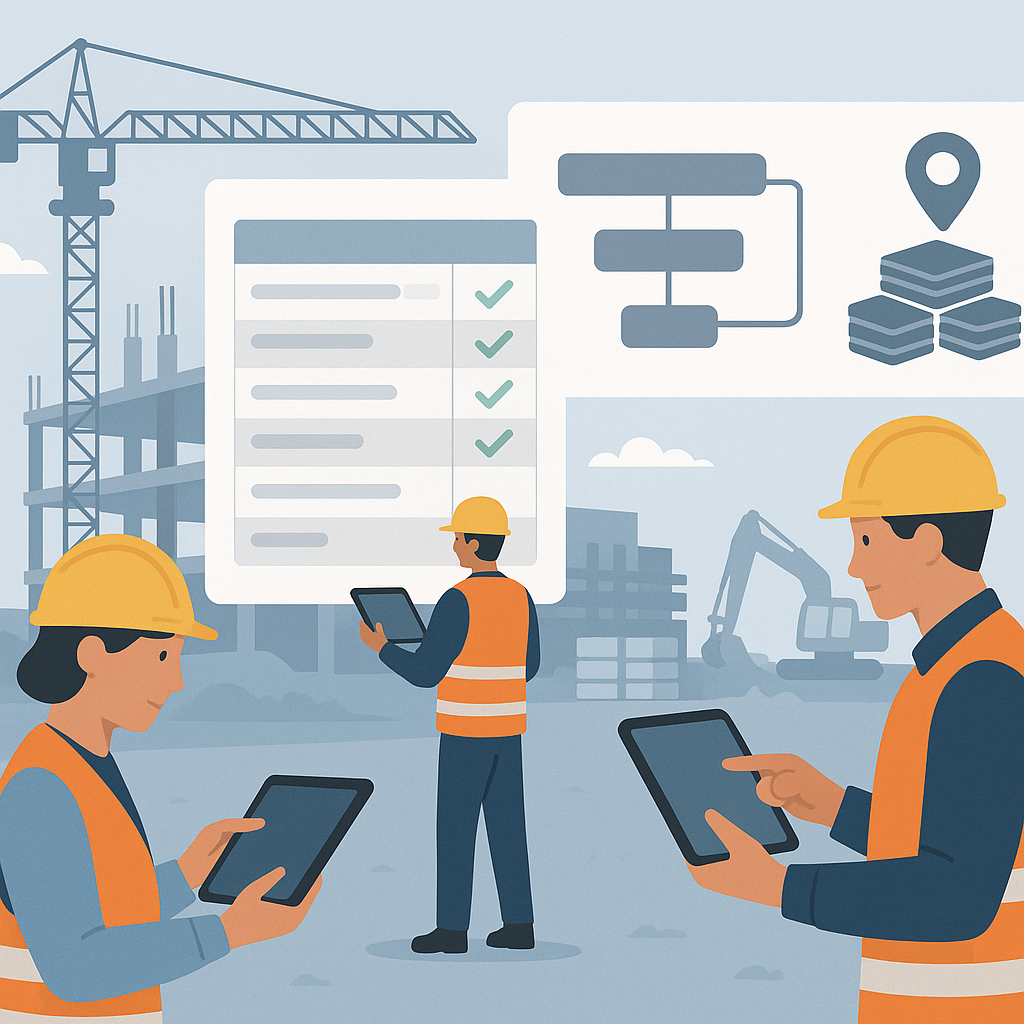
- Subcontractor Cost Controls: JobNext requires subcontractors to submit measurements before billing. You approve only what’s verified, preventing unauthorized payments.
- Integrated Billing: Whether it’s RA bills, stage-wise billing, or BOQ supply billing, JobNext ensures you don’t miss invoicing for completed work. Revenue leakage? Gone.
A Real-World Example
One of our clients, a mid-size EPC contractor in Pune, saved ₹12 lakhs in one year after switching to JobNext. Before, they relied on spreadsheets to track project costs. They had no way to reconcile BOQ completion with billing. After implementing JobNext, they caught scope creep early, fixed subcontractor overbilling, and gained visibility into material wastage trends. That’s margin saved — not lost.
What’s the Catch?
It’s not all sunshine. Moving from disconnected tools to an ERP isn’t a quick fix. You’ll need time to set it up, train your team, and migrate data. And yes, there’s a cost. But the ROI? Massive. For most contractors, the savings from plugging cost leaks far outweigh the investment.
Why It Matters
Small contractors don’t have the luxury of fat margins. Every missed cost hurts. Unified construction ERPs like JobNext aren’t just nice-to-have; they’re essential. They give you control, visibility, and accountability — three things you can’t afford to compromise on.
So, if you’re still juggling Excel, Tally, and WhatsApp chats to manage projects, ask yourself: how much money are you losing in the cracks?
Ready to stop margin erosion? Explore JobNext ERP.