
Why Construction Needs Smarter Tools Now
Let’s be honest. Managing construction projects has always been chaos. Too many moving parts, too many spreadsheets, and never enough time. You’ve got tenders to chase, subcontractors to manage, and materials to procure — all while keeping margins intact.
The worst part? The tools most contractors use aren’t built for the job. Excel sheets and disconnected software might’ve worked a decade ago, but they’re useless when you’re running multiple sites, handling GST compliance, and juggling 50+ vendors.
That’s where AI-powered ERP systems step in. They’re not just another shiny tech buzzword. When done right, they tackle real-world problems contractors face every day. Let’s break down five ways they actually make a difference — no fluff, no hype.
1. Real-Time Cost Tracking: Stop Margin Erosion
Margins in construction are razor-thin. According to the Construction Industry Institute (CII), average profit margins for contractors hover around 2-4%, leaving little room for error. A few delayed purchase orders or missed scope changes, and your profit vanishes. The old way of tracking costs — reviewing site budgets monthly or relying on gut feel — doesn’t cut it anymore.
AI-powered ERP systems fix this by giving you real-time visibility into project costs. For example, you can track your BOQs (Bill of Quantities) against actual spending as it happens. Wondering where the money is leaking? These systems flag deviations instantly.
Here’s the kicker: it’s not just about catching overruns. AI can analyze historical data to predict cost blowouts before they happen. Think of it as having a financial early-warning system. A Deloitte report on construction technology adoption highlighted predictive cost tracking as one of the top benefits for contractors.
How to Get Started with Real-Time Cost Tracking
- Centralize Your BOQs: Start by digitizing your bill of quantities. Ensure the ERP system integrates this with your project budgets.
- Set Threshold Alerts: Configure the system to alert you when costs deviate by a set percentage.
- Use Predictive Insights: Leverage the AI to analyze trends, like price increases in materials, and use these insights to negotiate better contracts.
- Share the Data: Ensure relevant stakeholders — project managers, procurement teams, and finance — have access to updated cost reports in real-time.
Example in Action: Say you’re building a ₹20 crore interior fit-out project in Mumbai. Your AI-powered ERP flags that material costs for gypsum boards are trending 10% higher than estimated — because your supplier raised rates. Instead of finding out weeks later, you can renegotiate or source alternatives immediately.
2. Streamlined Procurement: No More Chaos
Procurement is a nightmare for most contractors. Material requisitions get lost, RFQs (Request for Quotations) are emailed inconsistently, and approvals drag on for days. The result? Delayed deliveries and angry site managers.
With an AI-powered ERP, the procurement workflow is structured end-to-end. You start with a Material Requisition (MR), convert it to an RFQ, compare vendor offers, and issue a Purchase Order (PO) — all within the same system. And it’s not just about automation. AI can also recommend the best vendors based on past performance, pricing trends, and delivery reliability.
What’s Different Here?
- Faster Approvals: Multi-level workflows mean your procurement head and finance controller can approve POs on their phones.
- Vendor Insights: AI ranks vendors so you don’t waste time on unreliable suppliers.
- Fewer Errors: No more typos or duplicate POs — the system validates everything.
Actionable Steps to Streamline Procurement
- Digitize Material Requisitions: Ensure all MRs are raised through the ERP system, not via emails or WhatsApp.
- Create a Vendor Database: Use the ERP to track vendor performance metrics like delivery timelines, pricing accuracy, and quality.
- Automate PO Approvals: Configure workflows to auto-approve smaller orders and escalate high-value ones.
- Track Deliveries: Link POs to delivery schedules and flag delays in real-time.
Real Talk: If you’re still juggling WhatsApp chats and phone calls to finalize orders, you’re risking delays and cost overruns. A structured procurement process saves both time and money.
3. Smarter Subcontractor Management
Subcontractors are the backbone of most construction projects, but managing them is tricky. Progress tracking is often manual, payments get delayed, and disputes over scope are common.
AI-powered ERPs simplify this. You can create Work Orders (WOs) with clear scopes, track subcontractor progress through measurement sheets, and link payments directly to milestones. No progress? No payment. It’s that simple.
How to Manage Subcontractors More Effectively
- Define Clear Scopes: Use the ERP to create detailed WOs that leave no room for ambiguity.
- Use Digital Measurement Sheets: Ensure site engineers upload progress directly from their phones.
- Tie Payments to Milestones: Automate payments based on milestone completion to reduce disputes.
- Monitor Progress in Real-Time: Use dashboards to get instant updates on subcontractor performance.
For Example: Let’s say you’re managing an HVAC subcontractor on a high-rise project in Dubai. Instead of waiting weeks for site engineers to submit progress reports, the system lets them upload measurements directly from their phones. The AI cross-verifies these with the BOQ and flags discrepancies. Payments are triggered only after approval.
This isn’t just about better control. It builds trust. Subcontractors know they’ll get paid promptly if they meet milestones, so they’re more likely to stick to deadlines.
4. Compliance Made Simple
Indian contractors know the pain of GST, TDS, and statutory deductions (PF, ESI). Miss a deadline or file something incorrectly, and you’re hit with penalties. In fact, India’s GST compliance penalties range from ₹10,000 for late filings to higher amounts for fraudulent invoicing. Add multi-site payrolls, and the complexity skyrockets.
An AI-powered ERP takes the headache out of compliance. It integrates GST invoicing, statutory deductions, and Tally (or similar systems) into one platform. No more switching between tools or chasing your accountant for updates.
Steps to Simplify Compliance
- Automate GST Filings: Ensure your ERP generates compliant invoices automatically.
- Set Payroll Rules: Configure site-specific rules for deductions like ESI, PF, and professional tax.
- Stay Audit-Ready: Use centralized data storage to ensure all compliance records are easily accessible.
- Monitor Deadlines: Set up alerts for filing deadlines to avoid penalties.
Key Benefits:
- Automated GST filings: Generate compliant invoices without manual intervention.
- Payroll accuracy: Calculate ESI, PF, and other deductions across sites seamlessly.
- Audit-ready data: Everything is stored centrally, so you can pull reports instantly during audits.
If you’ve ever been fined because a site accountant forgot to file TDS, you know why this matters.
5. Real-Time Dashboards: Decisions Backed by Data
How many times have you been asked, “What’s the status of Project X?” only to scramble for updates? Without a centralized system, getting accurate answers takes hours (if not days).
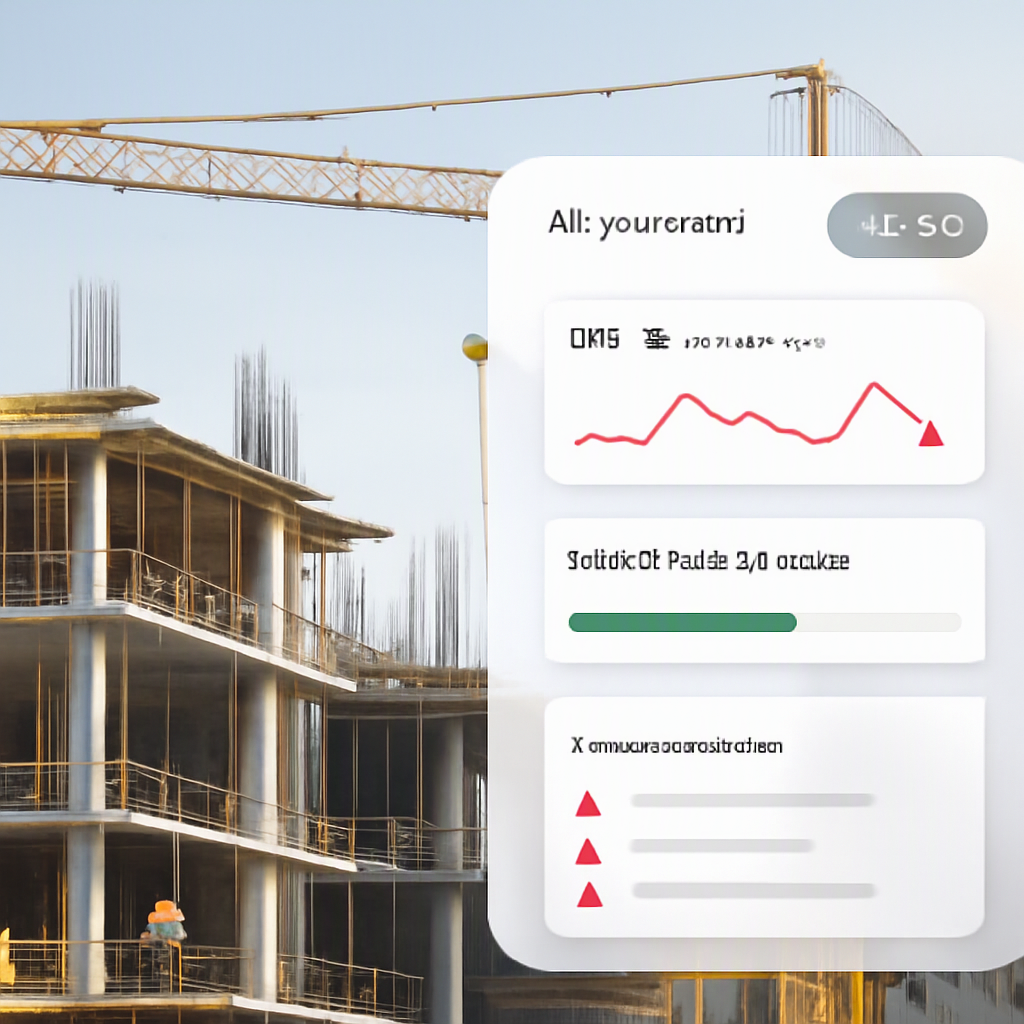
AI-powered ERPs solve this with real-time dashboards. These aren’t just pretty graphs. They’re actionable insights. Whether it’s project profitability, vendor performance, or equipment utilization, you get the data you need instantly.
How to Leverage Dashboards Effectively
- Customize for Each Role: Tailor dashboards for site managers, finance teams, and executives.
- Set KPIs: Track key metrics like project margins, labor productivity, and material delivery timelines.
- Use Predictive Analytics: Identify problem areas before they escalate by tracking trends.
- Integrate Across Teams: Share dashboards across departments to improve collaboration.
Imagine this: You’re in a project review meeting, and someone questions why the landscaping project in Oman is delayed. Instead of vague answers, you pull up the project dashboard. It shows 75% of materials are delivered, but labor attendance is down 20% due to visa delays. Now you know where to focus.
The Big Picture
Construction isn’t getting any easier. If anything, projects are becoming more complex, and margins are tighter than ever. The contractors who thrive will be the ones who embrace smarter systems — not because it’s trendy, but because it works.
AI-powered ERP systems like ProjectsNext aren’t silver bullets, but they solve real problems: cost tracking, procurement chaos, subcontractor disputes, compliance headaches, and data silos. If you’re still relying on spreadsheets and manual processes, you’re leaving money on the table.
See how ProjectsNext can help →
Learn more at JobNext.ai - Construction ERP