Mastering Rate Build-Up: Why It Matters
Every contractor knows this: your rate build-up determines whether you win a bid or lose your shirt. But here’s the problem—too many estimates are still built on shaky assumptions. Labor rates guessed. Material wastage ignored. Overheads? A quick percentage applied without much thought. Sound familiar?
Let’s fix that.
The Components of a Solid Rate Build-Up
A proper rate build-up isn’t guesswork. It’s a formula. Here’s what you need to account for:
-
Direct Costs: These are the big-ticket items—materials, labor, equipment. For example, if you’re estimating plastering costs, you’ll need:
- Material: Cement, sand, additives—quantities and rates should align with your BOQ.
- Labor: Skilled and unskilled worker costs, usually calculated per square meter or square foot.
- Equipment: Scaffolding, mixers, or any machinery used in the activity.
-
Indirect Costs: These include site overheads (site office, power, security) and general overheads (head office expenses). Don’t lump these together. Break them down.
-
Contingencies: A buffer for unforeseen costs. The percentage depends on project complexity and risk factors.
-
Profit Margin: The golden number. This is what keeps your business afloat, so don’t undersell yourself here. But be realistic—overpricing can lose you the bid.
-
Taxes and Levies: GST, TDS, or any other statutory deductions. This is especially critical in India and GCC markets where compliance is non-negotiable.
A Practical Example: Plastering Work
Let’s break it down with an illustrative example:
| Component | Unit | Quantity | Rate (₹) | Total (₹) |
|---|---|---|---|---|
| Cement | Bag | 4 | 350 | 1,400 |
| Sand | Cubic Meter | 0.5 | 1,200 | 600 |
| Skilled Labor | Man-day | 2 | 800 | 1,600 |
| Unskilled Labor | Man-day | 1 | 500 | 500 |
| Equipment | Day | 1 | 1,000 | 1,000 |
| Subtotal | 5,100 | |||
| Overheads | 510 | |||
| Contingency | 255 | |||
| Taxes | 1,021 | |||
| Total Cost | 6,876 |
Notice how each cost is broken down. This level of detail doesn’t just help you understand your costs—it makes your estimate defensible when clients ask questions.
The Biggest Mistake Contractors Make
You might think your team has a good grip on costs because they’ve been doing this for years. But that’s where most contractors get it wrong. Memory and experience are helpful, but they’re no replacement for real-time, data-driven estimates.
Another mistake? Ignoring wastage. For example, if you’re buying cement, you can’t just quote the unit rate from your supplier. You have to factor in transport, storage, and wastage. Even small percentages of wastage on a large project can add up quickly—and eat into your margins.
How Tools Like ProjectsNext Can Help
If you’re still managing rate build-ups on Excel sheets or—worse—on paper, you’re setting yourself up for errors. Tools like ProjectsNext can help you set up your BOQs and scopes in a structured hierarchy, ensuring nothing gets missed.
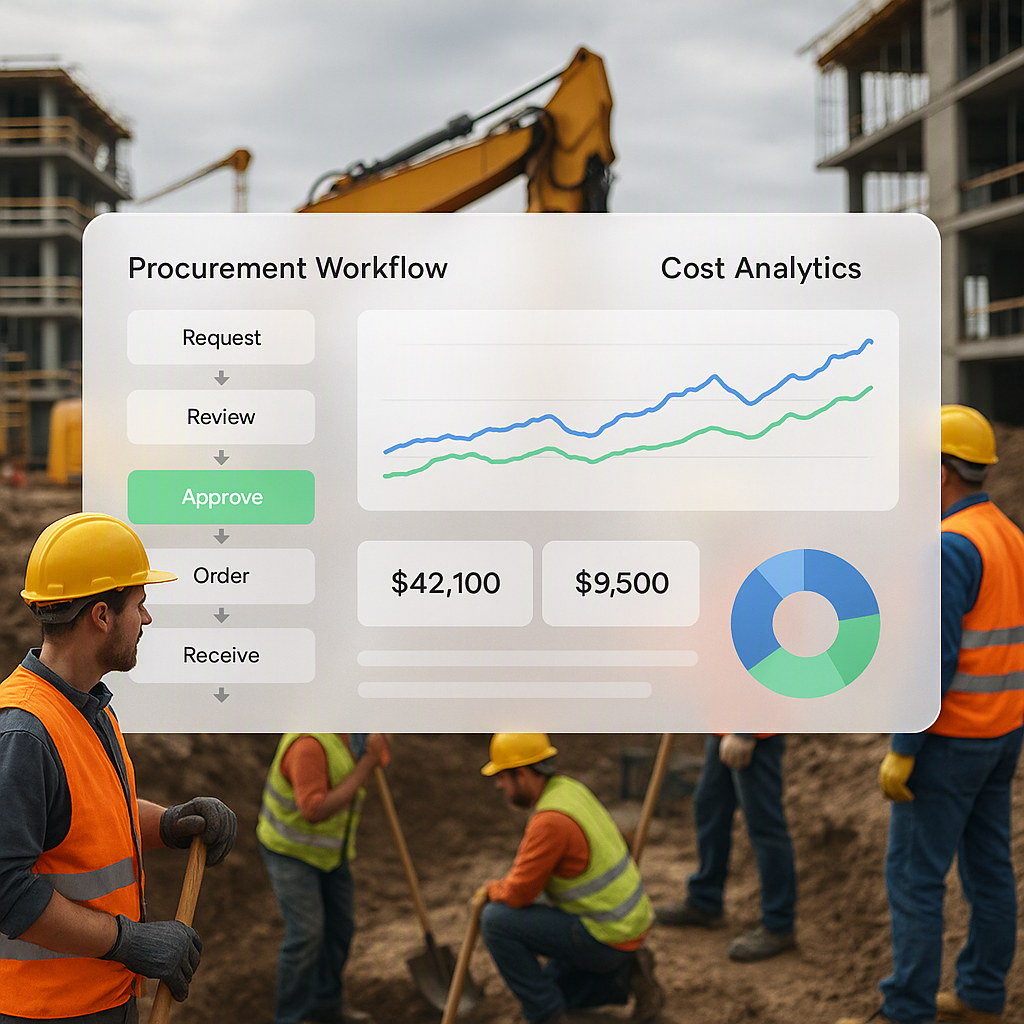
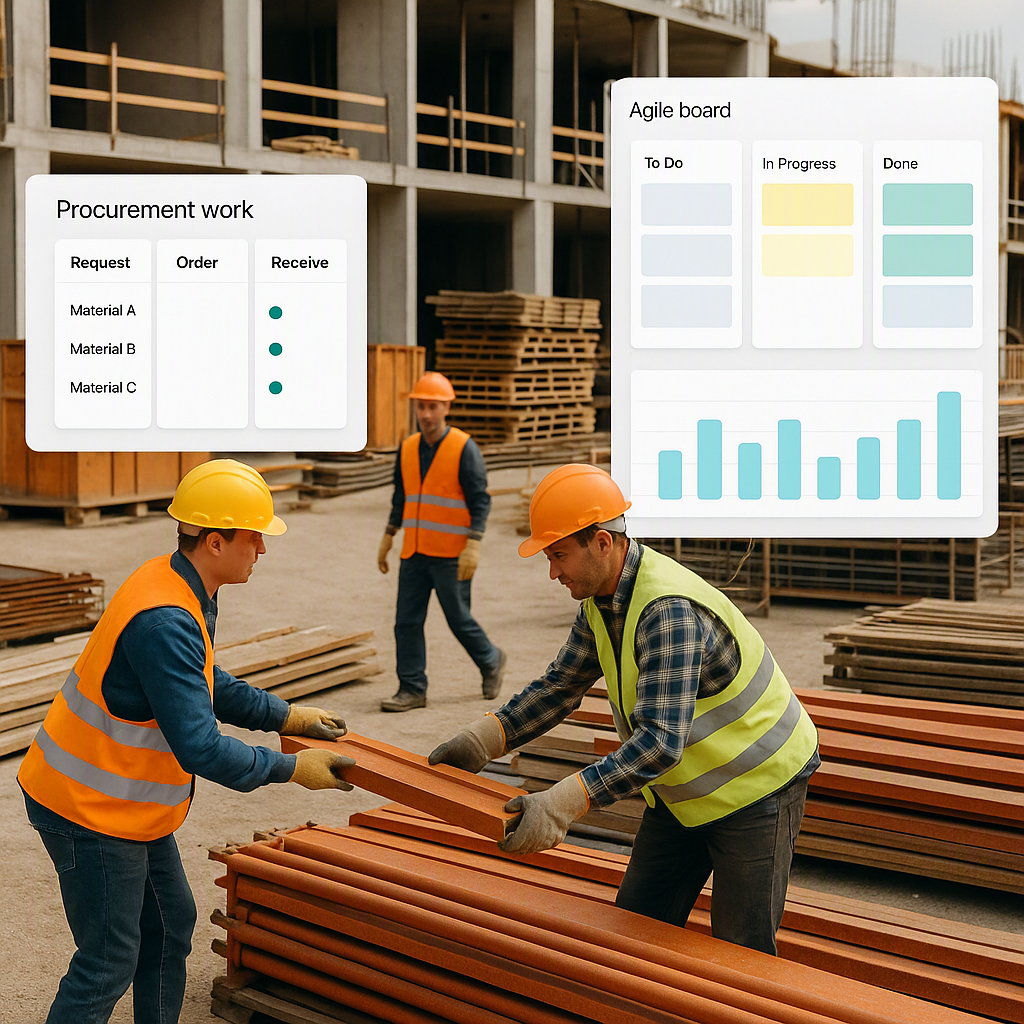
For example, ProjectsNext’s material procurement workflow (MR → RFQ → Vendor Offers → PO) makes sure you’re capturing real-time rates from your suppliers, not outdated prices. This alone can save you from underbidding or overcharging. Source: Why Cintra Targets Critical Infrastructure for P3s: A Contractor's Guide to Winning Public-Private Partnerships.
Common Questions About Rate Build-Up
1. How do I find the current material rates?
Start with your supplier network. Many contractors use structured procurement software to automate RFQs and get real-time quotes.
2. What’s the right percentage for overheads and profit?
This varies by project type and size. Benchmark against similar projects in your portfolio.
3. How do I handle fluctuating material prices?
Build escalation clauses into your contracts or use price indices to adjust rates dynamically during execution.
What You’re Still Not Sure About
Even with the best methods, rate build-up isn’t an exact science. Will steel prices spike next quarter? Will labor shortages drive up wages? These are risks you can’t fully control. But what you can control is your process. And that’s where tools like ProjectsNext come in.
If rate build-up is giving you headaches, ProjectsNext can help. Get started free →
Learn more at JobNext.ai - Construction ERP