Managing procurement across multiple projects isn’t just hard—it’s chaotic. Many contractors rely on spreadsheets, messaging apps, and phone calls to manage procurement. While these methods may work for smaller operations, they often fall short when managing multiple projects with numerous material requisitions (MRs). Orders can get duplicated, RFQs may be lost, and tracking approvals becomes a challenge, leading to delays and increased costs.
The Breaking Point
When contractors manage several projects simultaneously, the volume of MRs, RFQs, and vendor communications can quickly become overwhelming. Without a centralized system, it’s easy to lose track of approvals, duplicate orders, or miss deadlines, which can result in delayed materials, stalled projects, and financial penalties.
A recent article on JobNext.ai highlights how poor procurement workflows often derail large-scale projects, leading to cascading delays. When multiple projects are in play, chaos multiplies.
Why Manual Procurement Persists
So why do contractors stick to manual methods? Two reasons: habit and cost. ERP systems seem expensive and complex. And the team is used to their messaging apps and spreadsheets. They think, “We can manage.” But managing isn’t thriving. Manual methods eat time, increase errors, and make it impossible to track costs in real time.
A Smarter Approach: Structured Procurement Workflows
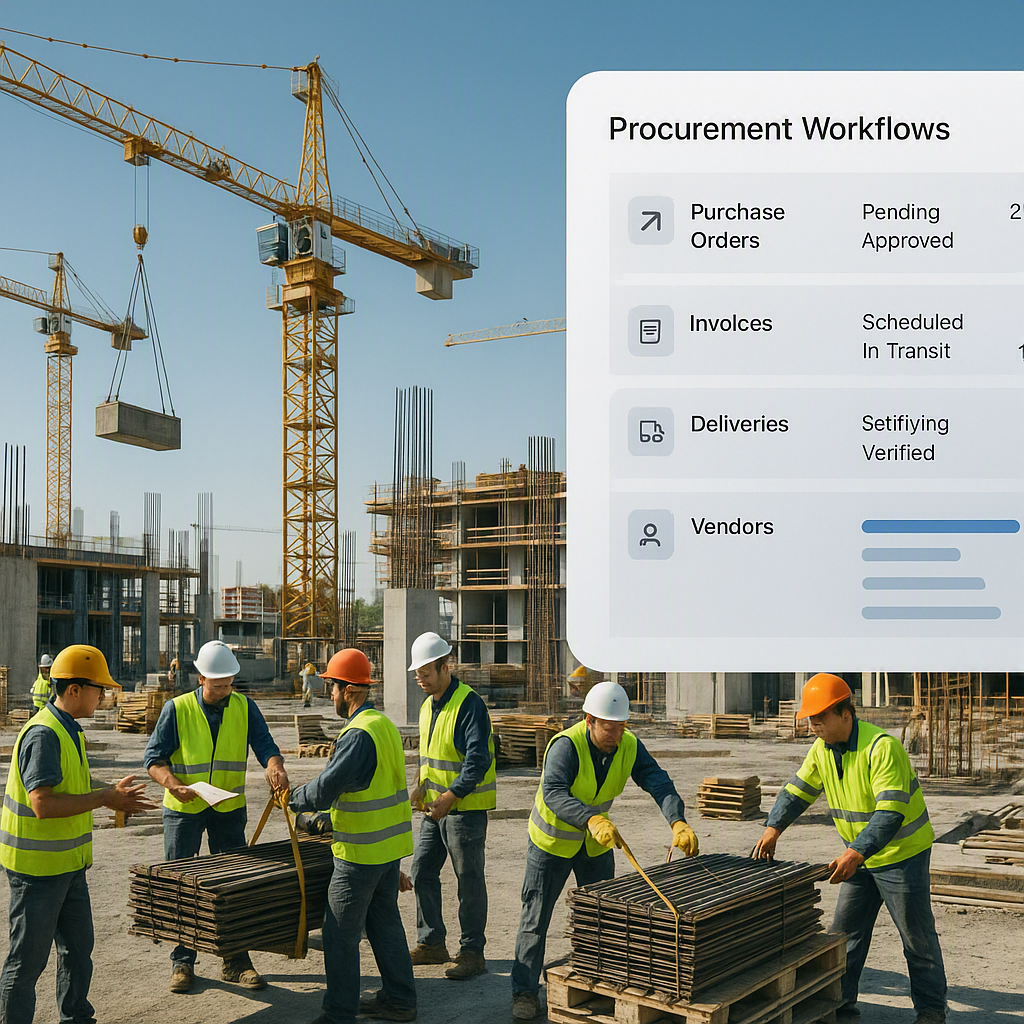
A structured procurement workflow can transform operations. This approach typically includes the following steps:
- Material Requisitions (MRs): Site engineers submit MRs in a standardized format, eliminating the need for informal communication methods like messaging apps or random emails.
- Request for Quotations (RFQs): Procurement teams issue RFQs to pre-approved vendors directly from a centralized system. Vendors respond in one place, streamlining the process.
- Vendor Offers: All offers are compared side-by-side, and the best one is selected based on criteria such as price, delivery time, and past performance.
- Purchase Orders (POs): Approved offers are converted into POs efficiently, reducing errors and ensuring timely procurement.
Illustrative example — By implementing such workflows, contractors can save significant time on follow-ups and reduce procurement costs by minimizing over-ordering and catching duplicate MRs early.
How Multi-Project ERP Fits In
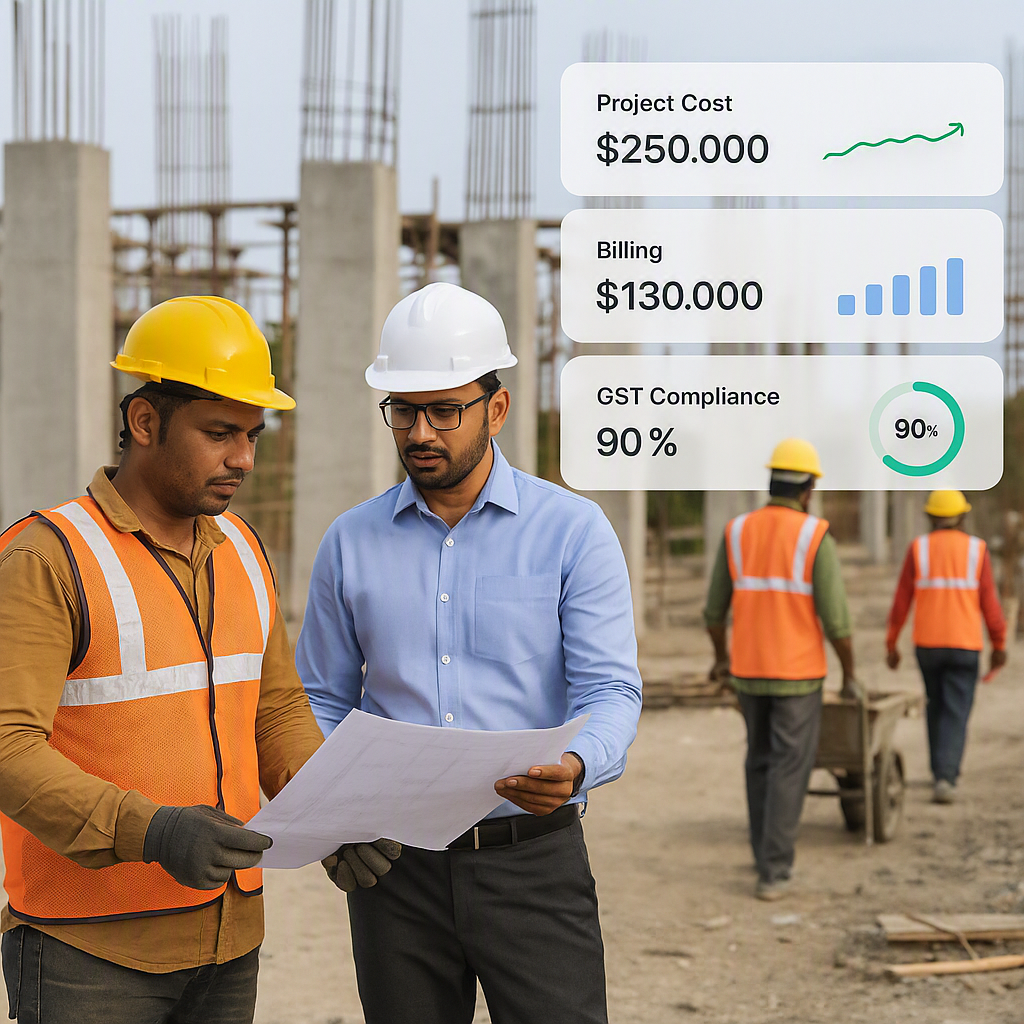
This is where a multi-project ERP system can make a significant difference. It centralizes procurement for all projects, allowing contractors to track every MR, RFQ, and PO in one place, ensuring nothing slips through the cracks. Integration with finance modules provides real-time visibility into costs versus budgets, enabling better financial management.
For contractors managing large-scale projects, delayed materials can lead to substantial financial penalties. An ERP system ensures that contractors know exactly when materials are needed, what’s been ordered, and what’s delayed, helping to avoid such issues.
Common Objections
Some contractors may feel that they are too small to benefit from an ERP system. However, even smaller teams can gain significant advantages from adopting structured workflows. Another common concern is resistance to change. Modern ERPs are designed to be user-friendly and mobile-ready, which makes them easier for teams to adopt and use effectively.
What to Watch For
When selecting an ERP system, consider the following features:
- Vendor Management: The ability to track vendor ratings and past performance.
- Approval Workflows: Multi-level approval features to control spending and ensure accountability.
- Integration: Seamless integration with your finance module for real-time cost tracking.
The Bigger Picture
Procurement is just one aspect of managing multiple projects. A comprehensive multi-project ERP system provides visibility across operations, HR, and finance, connecting the dots across your business. This holistic approach enables contractors to manage complex operations more effectively and efficiently.
If you’re dealing with procurement challenges, exploring a multi-project ERP system could be a game-changer for your business.
Learn more at JobNext.ai - Construction ERP