Why Billing Is a Challenge for Electrical Contractors
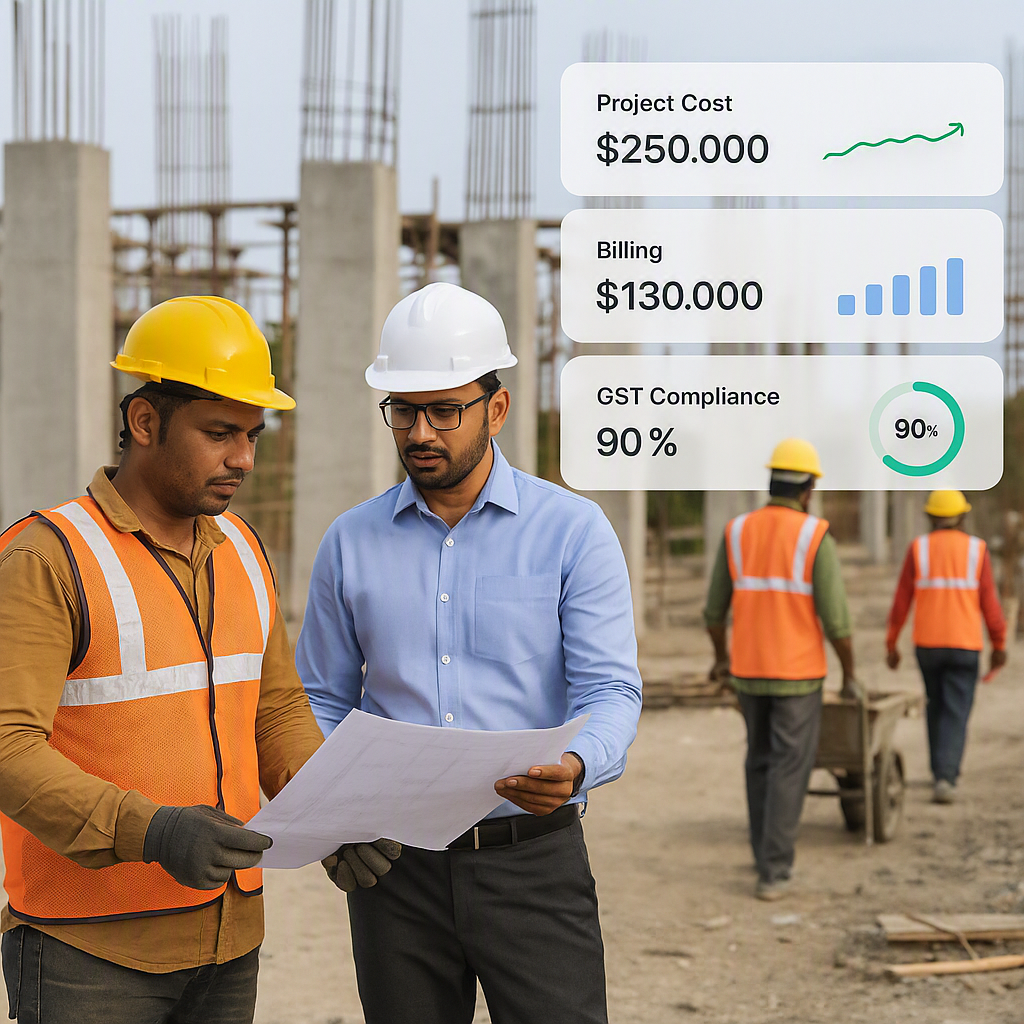
If you're running an electrical contracting business, you've probably dealt with billing headaches. Maybe it's reconciling RA bills (Running Account bills) with actual site progress. Or chasing subcontractors for measurements. Or figuring out what percentage of a milestone you've completed, so you can invoice the client. It's a complex process, and errors can eat into your margins.
But here's the thing—most of these challenges aren't just bad luck or bad staff. They're often the result of inefficient systems. Disconnected spreadsheets, mismanaged BOQs (Bill of Quantities), and approval emails that get buried in inboxes can create bottlenecks. This approach becomes unsustainable, especially when managing multiple projects simultaneously.
Why the Old Way Survived (And Why It Shouldn’t)
Traditional systems like spreadsheets and email persist because they are familiar and inexpensive. For smaller operations handling one or two projects, these tools might suffice. However, as the scale of operations grows, inefficiencies become glaringly apparent. Delayed invoices, missed compliance deadlines, and unbilled work can lead to significant financial losses.
One common mindset is, "We’ll fix it later." But delaying process improvements often results in compounding inefficiencies and financial setbacks. By the time the issues are addressed, the damage may already be significant.
How ERP Changes the Game
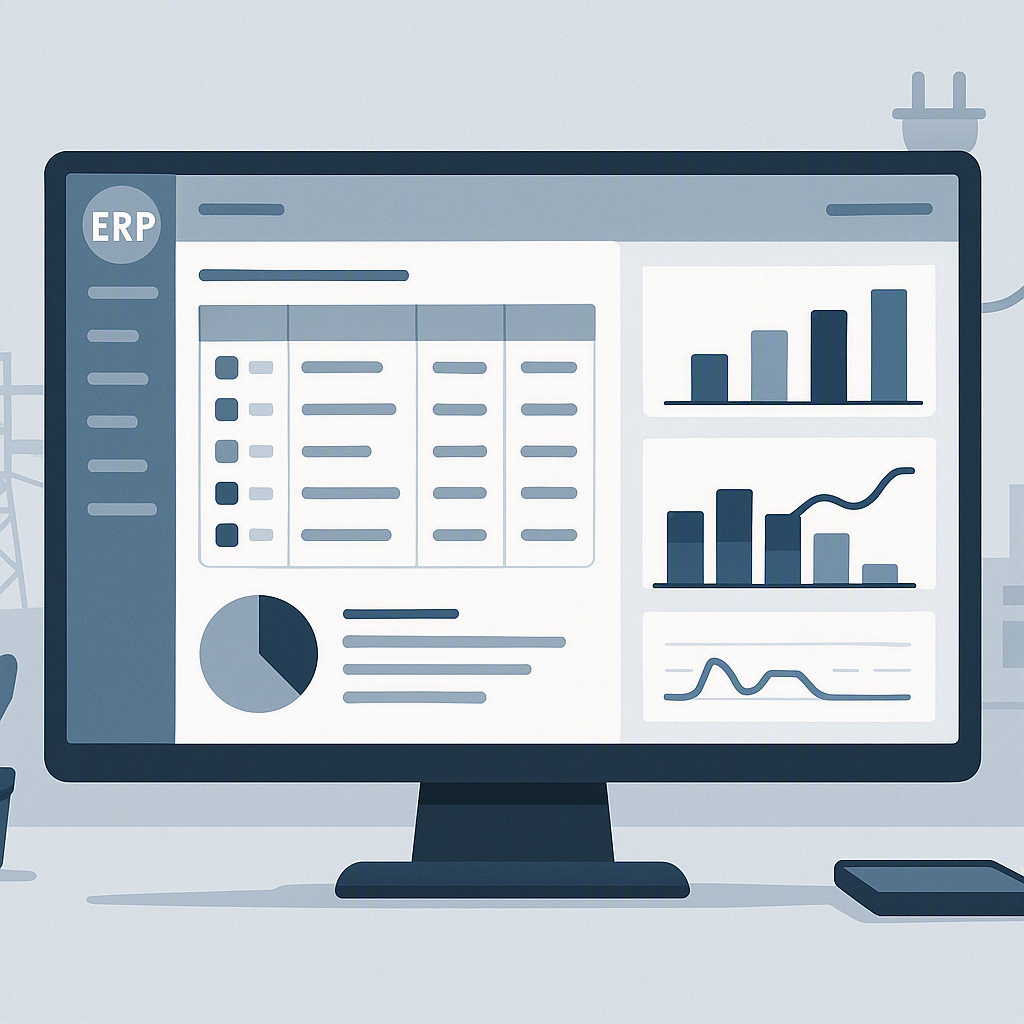
An ERP (Enterprise Resource Planning) system can help electrical contractors address these challenges by providing a centralized platform for managing estimation, execution, and billing processes. Here’s how:
-
Estimation Made Easy: ERP systems allow you to upload BOQs directly and create estimates using predefined templates. This ensures consistency and reduces guesswork in pricing.
-
Execution Tracking: With an ERP, you can set up work orders and track progress against them. For electrical contractors, this means monitoring tasks like wiring, switchgear installation, or lighting work. By knowing the percentage of work completed, you can generate accurate invoices.
-
Structured Billing: ERP systems support multiple billing methods, such as RA bills, stage-wise billing, or monthly invoicing. Each invoice is tied to the relevant project and work order, reducing errors and disputes.
-
Vendor and Subcontractor Management: ERPs enable subcontractors to upload their measurements directly into the system, where they can be reviewed and approved before payments are processed. This ensures accountability and minimizes errors.
Common Mistakes to Avoid
-
Skipping Training: Your ERP is only as effective as the people using it. Invest in proper training to ensure your team can leverage the system effectively.
-
Not Customizing Your Workflows: Every business operates differently. Tailor the ERP to reflect your specific workflows, including BOQs, approval hierarchies, and billing methods.
-
Ignoring Data Clean-Up: Clean and accurate data is essential for a successful ERP implementation. Ensure your existing data is organized before migrating to the new system.
FAQ
Q: How long does it take to implement an ERP? A: It depends on your business size and complexity, but it typically takes a few months to fully implement and optimize an ERP system.
Q: Can I start with just one module? A: Yes. Many contractors begin with the module that addresses their most pressing issue, such as billing or procurement, and expand usage over time.
Q: What about small contractors? Is ERP overkill? A: Even small teams can benefit from the structure and automation that an ERP provides, especially as they grow.
Taking Control of Your Processes
Inefficient systems can cost more than just money—they can lead to stress, wasted time, and strained client relationships. While no system is perfect, implementing an ERP can help you take control of your processes and reduce inefficiencies. The sooner you address these challenges, the better positioned your business will be for growth and profitability.
Learn more at JobNext.ai - Construction ERP