How AI Helps Prevent Subcontractor Overruns on National Contracts
I used to think subcontractor overruns boiled down to one thing: money. Either the bids were too high, or the subcontractors were padding their invoices. If you squeezed the bids harder and tracked invoices more carefully, you’d fix the problem. That’s what I believed.
But I was wrong.
The thing that changed my mind wasn’t a single project or a specific financial loss—it was the realization that the root cause of subcontractor overruns is far deeper than just cost mismanagement.
The Real Problem: Fragmentation
Here’s what I missed. Subcontractor overruns aren’t just about costs—they’re about control. When workflows are fragmented, there’s no single version of the truth. One subcontractor might report progress in a WhatsApp message, another sends a half-filled Excel sheet, and a third doesn’t report at all. Materials get delayed, work gets misreported, and progress payments go out based on bad data.
The chaos isn’t always obvious. On paper, it looks like you’re in control. But in reality, you’re flying blind. Without real-time visibility into subcontractor progress, measurements can be inconsistent, approvals can get stuck between different managers, and payments may go out based on guesswork rather than actual progress.
Why Fragmentation Persists
Fragmentation happens for a few reasons:
- Lack of Standardization: Every subcontractor uses their own tools and formats. Some send PDFs, others prefer spreadsheets, and some just text updates. This makes it impossible to consolidate and validate progress data.
- Legacy Systems: Many contractors still rely on outdated processes like physical paperwork, email updates, and unstructured data. These systems are hard to integrate and prone to errors.
- Insufficient Oversight: Without a centralized system, project managers often juggle updates from multiple sources, leading to errors in tracking and reporting.
The Costs of Fragmentation
The effects of fragmented workflows extend beyond financial overruns. They also create delays, erode trust with clients, and increase the administrative burden on project managers. Worse, they make it harder to identify the root cause of issues, so problems keep recurring across projects.
It’s easy to blame subcontractors for overruns, but the truth is, the problem starts with us—the contractors. If we’re not managing workflows properly, how can we expect subcontractors to stick to budget?
How AI Changes the Game
This is where AI comes in. AI doesn’t magically fix subcontractor overruns, but it gives you the tools to control them. Let’s talk about one feature that makes all the difference: measurement-based progress tracking.
Measurement-Based Progress Tracking
When you track subcontractor progress based on measurements—actual site data—you eliminate guesswork. Here’s how it works:
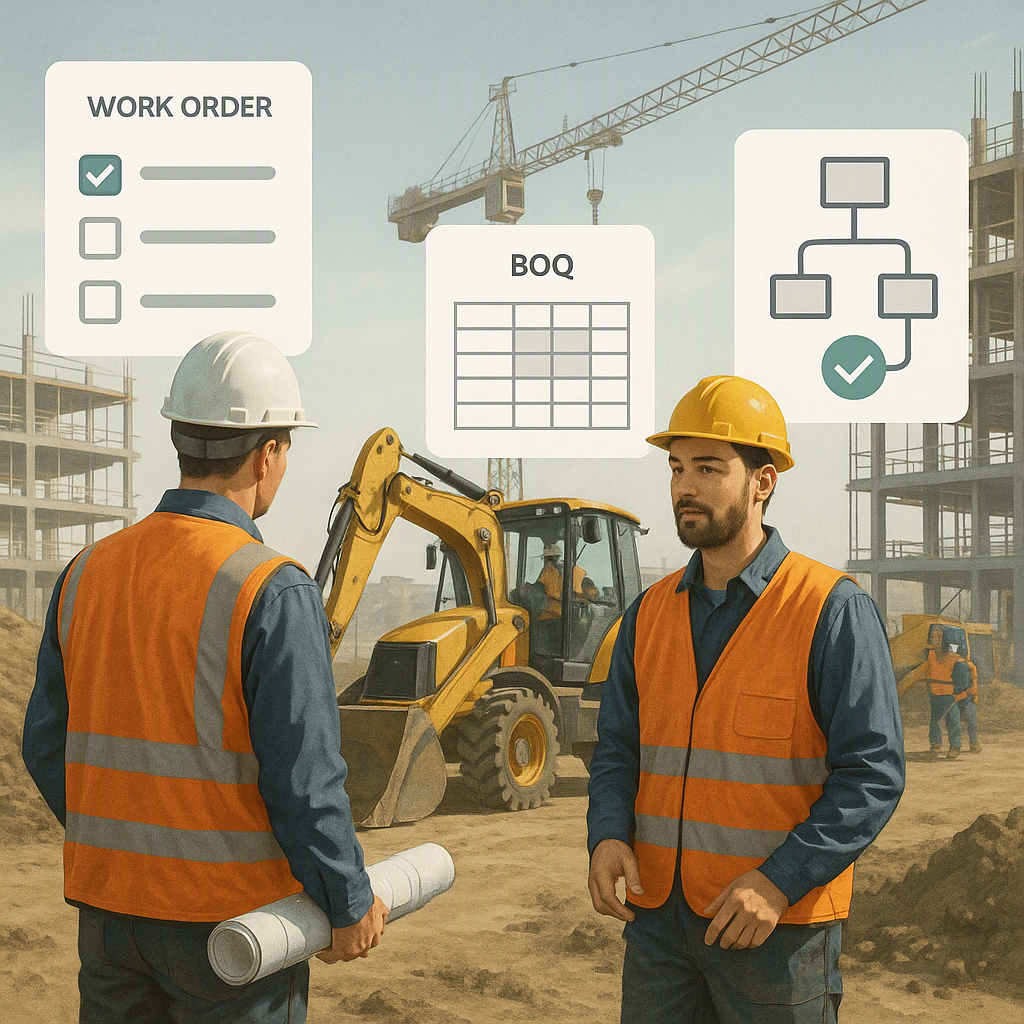
- Work Orders Tied to Scopes: Every subcontractor’s Work Order (WO) is linked to a specific scope of work and Bill of Quantities (BOQ). This means progress is tracked against predefined deliverables.
- Standardized Reporting Formats: Subcontractors report progress using templates that capture key metrics, such as square footage completed or cubic meters of material used. This eliminates ambiguity.
- Real-Time Validation: AI tools analyze progress reports and compare them against site measurements. If a subcontractor claims 80% completion but site data shows 60%, the system flags the discrepancy immediately.
- Integrated Payment Approvals: Payments are tied directly to validated progress. If the AI flags an issue, the payment doesn’t move forward until it’s resolved.
By enforcing these steps, AI ensures you’re paying for actual work performed—not inflated claims or unverified progress.
Example: RA Bills
Consider RA Bills (Running Account Bills). These are notoriously tricky because they require accurate scope-wise progress tracking. Many contractors let these slip into manual chaos—paper sheets, emails, and unchecked claims. With AI tools, RA Bills can be matched against real-time measurements before approval. This ensures you’re paying for actual work, not inflated claims.
Beyond Progress Tracking
AI tools also offer other features that improve subcontractor management:
- Predictive Analytics: AI can analyze historical data to predict potential delays or overruns. For example, if a subcontractor has consistently missed deadlines in the past, the system can flag them as high-risk.
- Resource Optimization: AI helps allocate resources more efficiently by identifying bottlenecks and suggesting adjustments.
- Communication Streamlining: Centralized platforms reduce the need for scattered communication channels, ensuring everyone is on the same page.
Why the Old Belief Survived
I clung to the idea that subcontractor overruns were just cost problems because it felt actionable. Bids and invoices are tangible—you can negotiate them, audit them. Workflow fragmentation, on the other hand, is harder to pin down. It’s messy, abstract, and not something you can fix overnight.
And let’s be honest, the tools weren’t there. Back in 2020, managing subcontractors often meant juggling Excel, WhatsApp, and manual accounting systems. AI tools weren’t as accessible or advanced. Now, they’re more widely available, which means contractors of all sizes can access better tools to manage subcontractor workflows effectively.
What We Do Differently Now
Here’s what we’ve learned:
-
Standardized Reporting: Every subcontractor gets a template for work progress and measurements. No more messy Excel sheets or random WhatsApp updates.
- How to Implement: Use AI software that provides predefined templates. Train subcontractors on how to use them.
-
Centralized Workflows: We’ve moved all subcontractor management into one system. From issuing Work Orders to tracking progress to approving payments, it’s all connected.
- How to Implement: Look for tools that integrate project management, accounting, and reporting into one platform.
-
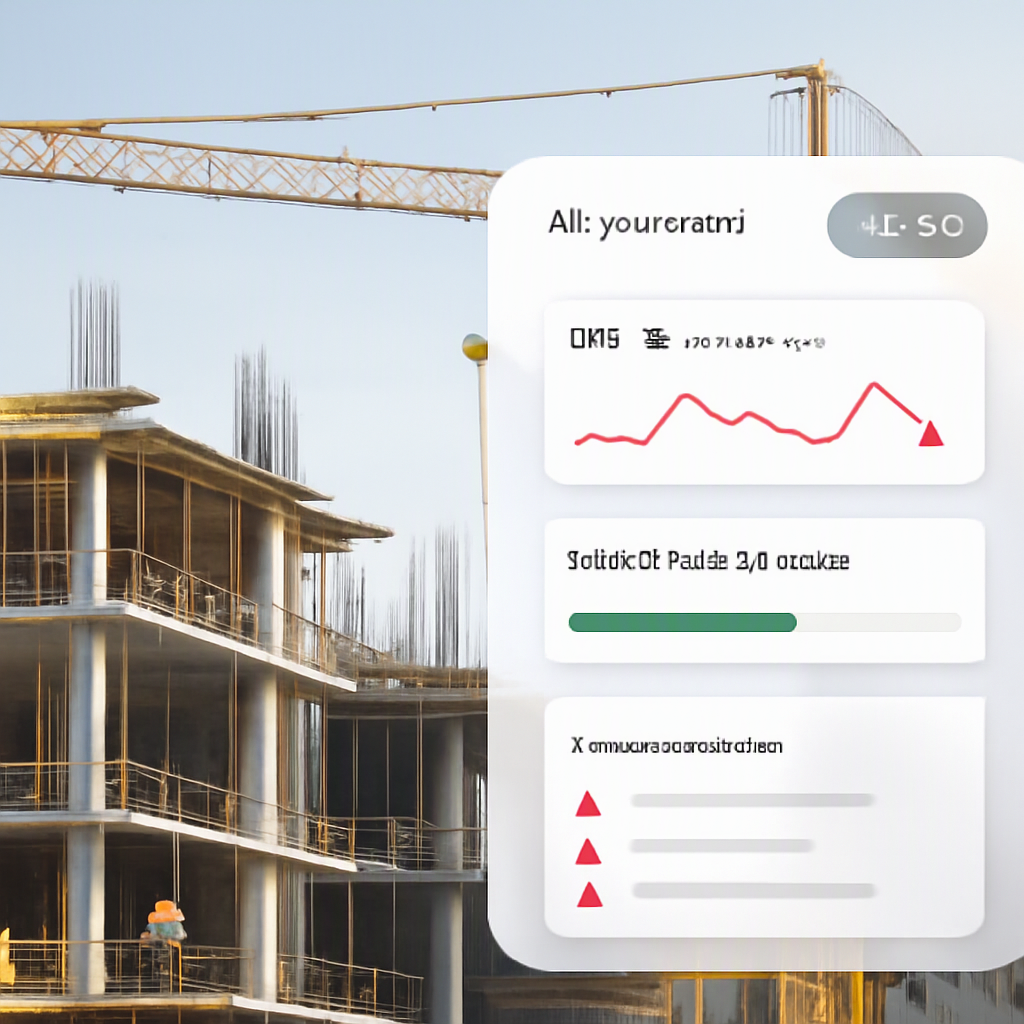
Real-Time Dashboards: AI tools provide live updates on subcontractor performance. If there’s a delay, we know immediately.
- How to Use Effectively: Customize dashboards to show key metrics like task completion rates, pending payments, and flagged discrepancies.
-
Approval Chains: Payments don’t move until progress is verified against measurements. This single change has significantly reduced unnecessary payouts.
- How to Enforce: Set up automated workflows where approvals are contingent on validation steps.
Comparison Table: Old vs. AI-Driven Subcontractor Management
| Feature | Old Method | AI-Driven Method |
|---|---|---|
| Reporting | Scattered (WhatsApp, Excel, email) | Standardized templates |
| Progress Validation | Manual, prone to errors | Automated using site measurements |
| Payment Approvals | Based on unverified claims | Tied to validated progress |
| Communication | Decentralized, fragmented | Centralized |
| Issue Detection | Reactive | Proactive |
Lessons Learned
The realization that subcontractor overruns are not just a cost problem has been a game-changer. It forced us to rethink our processes and adopt tools that provide better visibility and control. While subcontractor management remains complex, the right systems and workflows can make a significant difference.
Am I 100% confident we’ve fixed the problem? No. Subcontractor management is inherently challenging, and every project brings new variables. But we’ve got better tools now, and we’re using them in smarter ways.
If you're struggling with subcontractor overruns, AI tools can help you regain control. Their structured workflows and real-time tracking are built for complex project realities.
Learn more at JobNext.ai - Construction ERP