Subcontractor Overruns Are Profit Killers
If you’ve ever seen your project margins vanish mid-construction, you know the pain of subcontractor cost overruns. They’re silent killers—creeping in through vague scopes, poor tracking, or missed approvals. By the time you notice, it’s too late. And let’s be honest, subcontractor budgets are tricky to control, especially when you’re running multiple projects across different sites.
But overruns aren’t inevitable. With the right strategies, you can catch issues before they spiral out of control. A 2023 survey by ProjectsNext.ai found that 51% of contractors reported a rising backlog, underscoring the importance of tighter cost controls. Here are five proven ways to prevent subcontractor cost overruns—no guesswork, no fluff.
1. Nail the Scope (Or Pay for It Later)
A vague subcontractor scope is like handing someone a blank cheque. If your Bill of Quantities (BOQ) or Work Breakdown Structure (WBS) doesn’t clearly define what’s included and excluded, you’re asking for trouble.
Let’s break this down further:
-
What is a Scope of Work?
A Scope of Work (SOW) is a detailed document that defines project deliverables, timelines, and responsibilities for all parties involved. For subcontractors, this document should specify exactly what tasks they are responsible for, what materials they need to provide, and any exclusions or constraints. -
Why Does a Vague Scope Lead to Overruns?
Without a clear scope, misunderstandings are inevitable. For example, let’s say you hire an MEP subcontractor to handle electrical wiring. If the scope doesn’t specify that materials (like conduits or switchboards) are excluded, you could end up paying for them twice—once in your procurement budget and again in the subcontractor’s final claim. These small discrepancies quickly add up.
Actionable Steps:
- Use a Detailed BOQ or WBS: Every subcontractor work order should be tied to a detailed BOQ or WBS. Break down the work into smaller tasks, and for each task, clearly define the materials, labor, and equipment required.
- Include Exclusions: List what’s explicitly excluded from the subcontractor’s responsibilities to avoid overlap or double-dipping.
- Standardize Templates: Use standardized templates for SOWs across projects. Tools like ProjectsNext make this easier by letting you define granular scopes within the project setup.
Remember: clarity upfront saves chaos later.
2. Use Measurement-Based Payment Controls
Here’s the harsh truth: paying subcontractors based on blanket percentages (like 20% completed) is risky. It’s easy to overpay early, leaving no leverage if the subcontractor underperforms later. Measurement-based payment systems are a much safer alternative.
The Problem with Percentage-Based Payments
Percentage-based payments are subjective. When a subcontractor claims 20% of work is complete, it’s often based on perception, not measurable progress. What happens if that 20% turns out to be less than expected? You’ve already paid for work that hasn’t been done.
How Measurement-Based Payments Work
Instead of agreeing to pay for "20% of the flooring work completed," tie payments to measurable milestones like "1,000 sq. ft. of tiles installed and inspected." This ensures payments are proportional to actual work delivered, not estimates.
Actionable Steps:
- Define Milestones: Break down the project into clear, measurable milestones. For example, instead of "foundation complete," specify "concrete poured for 500 sq. ft. of foundation."
- Use Automated Tools: Structured measurement workflows, like the ones built into ProjectsNext, can help streamline this process. You can track progress against BOQs, verify measurements, and generate automated payment requests tied to actual work done.
- Train Your Team: Ensure your site team knows how to accurately measure and document completed work before approving payments.
By tying payments to measurable outputs, you protect your project from the risks of overpayment and maintain leverage over the subcontractor.
3. Build a Structured Procurement Workflow
Subcontractor cost overruns aren’t just about labor. Poor procurement processes often play a huge role. Here’s how it usually happens: materials arrive late, subcontractors buy them at inflated prices, and those costs get passed back to you. Sound familiar?
Why Procurement Matters
Procurement is the backbone of any construction project. If you don’t have a clear process for ordering, approving, and tracking materials, you’re leaving the door wide open for cost overruns. For example, when subcontractors purchase materials themselves, they may not prioritize cost efficiency, or they might order excess quantities to avoid running short—at your expense.
How to Build a Strong Procurement Workflow
A structured procurement workflow ensures that you maintain control over material costs. Here’s a simple example:
- Material Requisition (MR): The site team identifies material requirements and submits a request for approval.
- Request for Quotation (RFQ): The procurement team solicits quotes from multiple suppliers.
- Purchase Order (PO): The best quote is selected, and a purchase order is issued.
Actionable Steps:
- Centralize Material Requests: Use a system like ProjectsNext to centralize and track material requests. This prevents duplicate orders and ensures all requests are properly vetted.
- Set Approval Workflows: Require multiple levels of approval for material requisitions and purchase orders to ensure accountability.
- Monitor Usage: Track material usage against BOQ estimates to identify wastage or over-ordering early.
4. Monitor Costs in Real-Time
Here’s a sobering thought: by the time cost overruns appear in monthly reports, you’ve probably already lost money. Waiting for end-of-month reports is like driving blindfolded—you’re reacting to problems instead of preventing them.
The Importance of Real-Time Tracking
Real-time cost tracking lets you monitor project expenses as they happen. For instance, if a subcontractor’s steel consumption is 15% above the BOQ quantity halfway through the project, that’s a red flag. Addressing it immediately can prevent further overruns.
Actionable Steps:
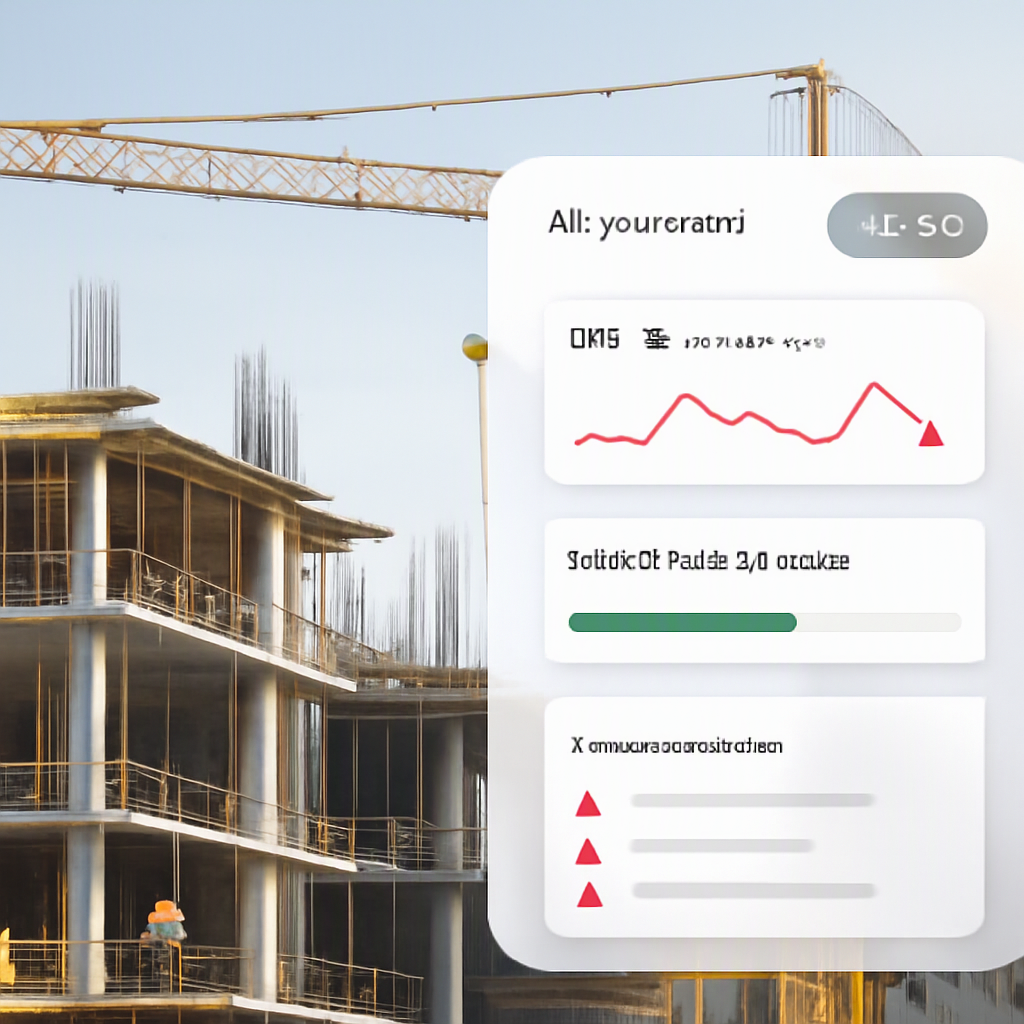
- Invest in Real-Time Tools: Systems like ProjectsNext offer dashboards that link actual costs to your BOQ estimates.
- Set Alerts: Configure alerts for significant deviations from budgeted costs.
- Regular Reviews: Schedule weekly cost reviews to catch discrepancies as early as possible.
5. Enforce Multi-Level Approvals for Variations
Subcontractor variation claims are a major source of cost overruns. Here’s why: a site engineer approves a small variation without realizing its cumulative impact, and by the time it reaches the project manager, it’s already snowballed.
Why Multi-Level Approvals Work
A multi-level approval system ensures that no single person can approve costly variations. Instead, each variation is reviewed by multiple stakeholders, reducing the risk of oversight or unauthorized approvals.
Actionable Steps:
- Define Approval Levels: For example, a variation might require approval from both the site engineer and the project manager before being sent to the finance team.
- Automate Workflows: Use project management tools like ProjectsNext to configure approval workflows. This ensures no unauthorized variations slip through.
- Document Justifications: Require detailed justifications for all variation requests, including cost, timeline impact, and necessity.
Decision Framework: Subcontractor Cost Control
| Key Issue | Symptom | Solution | Tools to Help |
|---|---|---|---|
| Vague Scopes | Frequent disagreements over deliverables | Create detailed BOQs/WBS | ProjectsNext |
| Overpayments | Paying more than work completed | Use measurement-based payment systems | ProjectsNext |
| Procurement Inefficiencies | Late or overpriced materials | Implement structured procurement | ProjectsNext |
| Lack of Real-Time Tracking | Late detection of overruns | Use real-time cost tracking | ProjectsNext |
| Uncontrolled Variation Claims | Excessive unapproved changes | Enforce multi-level approvals | ProjectsNext |
The Bottom Line
Preventing subcontractor cost overruns isn’t about micromanaging. It’s about having the right systems in place to track costs, enforce accountability, and catch issues early. If you’re tired of firefighting overruns, it’s time to rethink your workflows.
If subcontractor cost control is a challenge for your team, ProjectsNext can help. Its structured workflows and real-time tracking tools are built for contractors like you. Get started free →
Learn more at JobNext.ai - Construction ERP