
I Used to Think Subcontractor Cost Tracking Was Simple
If you asked me five years ago, I would’ve said subcontractor cost tracking was straightforward. You just monitor their invoices, compare them to the BOQ (Bill of Quantities), and flag discrepancies. Easy, right? Back then, I thought that as long as you had a detailed BOQ and regular site updates, you’d catch overruns before they became a problem.
I even used to tell junior project managers, "Stick to the BOQ and check your subcontractor's billing carefully." It felt like common sense. But now, I cringe when I think about how naive that advice was.
The Project That Changed My Perspective
In 2020, I managed a mid-size interior fit-out project in Pune. It was a ₹12 crore job with tight margins and multiple subcontractors handling carpentry, electricals, and HVAC. Everything looked fine on paper: the BOQ was detailed, subcontractor contracts were signed, and we had regular site meetings.
But halfway through the project, the HVAC subcontractor submitted an invoice that was nearly double the agreed scope. I thought it was a mistake, so I asked for clarification. Turns out, they had been working on additional ductwork beyond the original BOQ because the client requested changes directly without informing us. The subcontractor billed for it, but the client wasn’t ready to pay.
That single misunderstanding wiped out the profit margin for the HVAC portion of the project. It wasn’t just the extra ductwork—it was the delays, the back-and-forth negotiations, and the overtime costs from other trades trying to work around the HVAC team. The project barely broke even.
Why I Believed the Old Approach Worked
Looking back, my belief in "just track invoices" survived for so long because it felt logical. In theory, subcontractor cost overruns should be obvious if you’re checking bills against your BOQ regularly. And if your BOQ is detailed enough, there shouldn’t be room for surprises.
But that approach assumes subcontractors stick to their scope and communicate changes in real-time. It also assumes that site-level decisions don’t bypass project management. These assumptions rarely hold true. Here’s why:
-
Subcontractor Behavior: Subcontractors often work beyond the BOQ to meet client requests, especially in fast-moving projects where approvals don’t follow formal workflows. If they receive verbal instructions from the client or site teams, they may execute the work without thinking about the contractual implications.
-
Site-Level Decisions: Site teams don’t always escalate changes back to the project office. They may approve or overlook changes to keep the project moving, unaware of the financial impact.
-
Reactive Tracking: Invoice-based tracking is inherently reactive. By the time you identify a discrepancy, the work is already done, and it’s too late to negotiate changes or push back on scope creep.
The old approach worked only when everything went perfectly—a rare occurrence in construction projects.
What I Do Differently Now
After that HVAC disaster, I stopped relying solely on invoice tracking. Here’s what changed:
1. Structured Work Order Tracking
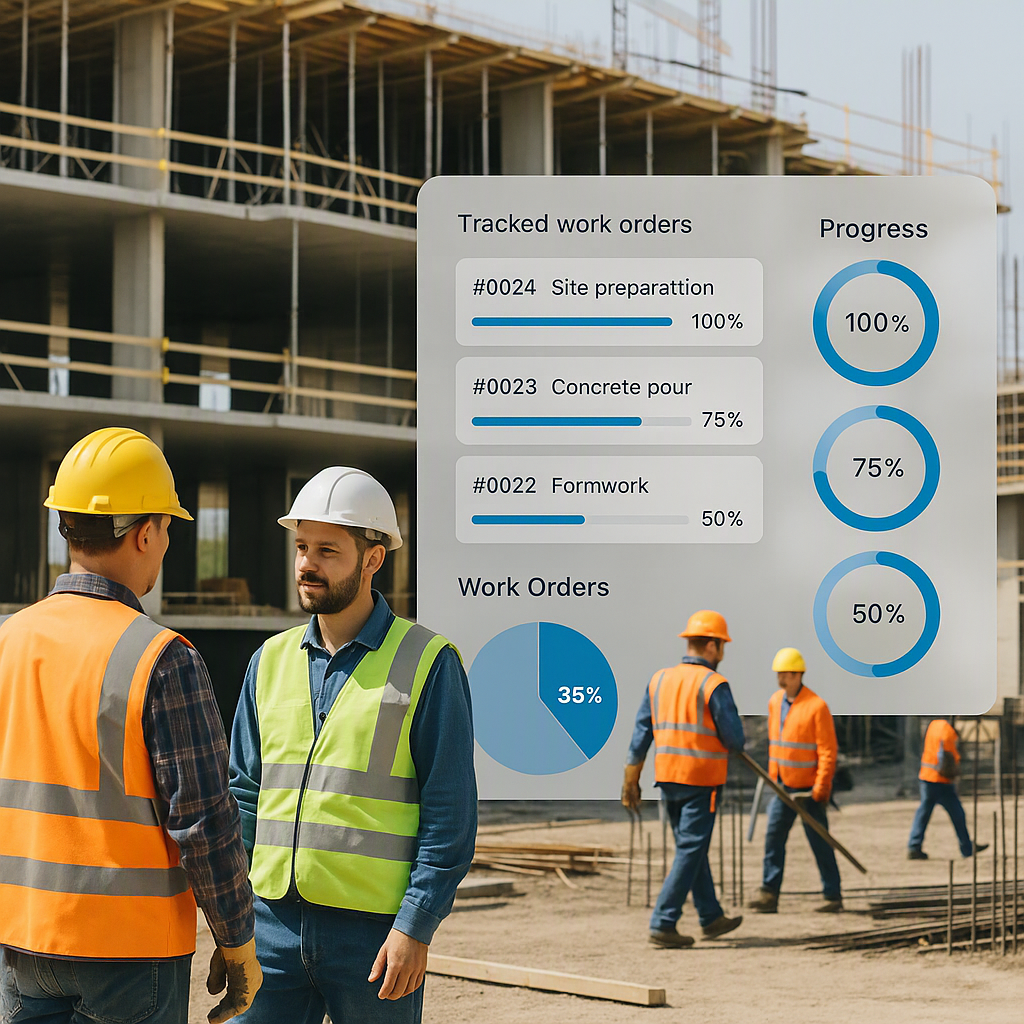
- What it is: Every subcontractor gets a detailed work order (WO) tied to the BOQ. If the scope changes, the WO gets updated before any work begins.
- Why it works: This forces approvals to go through proper channels. Subcontractors can’t claim ignorance or act on verbal instructions without written documentation.
- How to implement:
- Draft WOs that explicitly detail the scope, quantities, rates, and timelines.
- Link each WO to the corresponding BOQ line item for traceability.
- Use software like ProjectsNext to manage and update WOs efficiently.
2. Measurement-Based Billing
- What it is: Instead of relying on lump-sum invoices, we use measurement sheets to track progress. Subcontractors submit measurements (e.g., square footage, installed units) that match the BOQ.
- Why it works: This makes it harder to inflate costs without detection. You’re paying for actual work done, not estimates.
- How to implement:
- Train site supervisors to verify and sign off on measurements.
- Use standardized templates for measurement sheets.
- Cross-check measurements with daily site logs.
3. Real-Time Site Reporting
- What it is: Site supervisors submit daily logs of subcontractor progress. If they notice scope changes, it’s flagged immediately.
- Why it works: Early detection allows you to address scope issues before they balloon into financial problems.
- How to implement:
- Use mobile apps or software for daily reporting.
- Require supervisors to photograph and document progress visually.
- Set up weekly review meetings to discuss flagged issues.
4. Cross-Checking RFQs and POs
- What it is: Procurement is tightly integrated with subcontractor management. Before issuing a PO (Purchase Order), we verify quantities against RFQs (Request for Quotations) and the BOQ.
- Why it works: This ensures subcontractors aren’t ordering unapproved materials or inflating quantities.
- How to implement:
- Maintain a centralized database of all RFQs, BOQs, and POs.
- Assign a dedicated procurement officer to oversee this process.
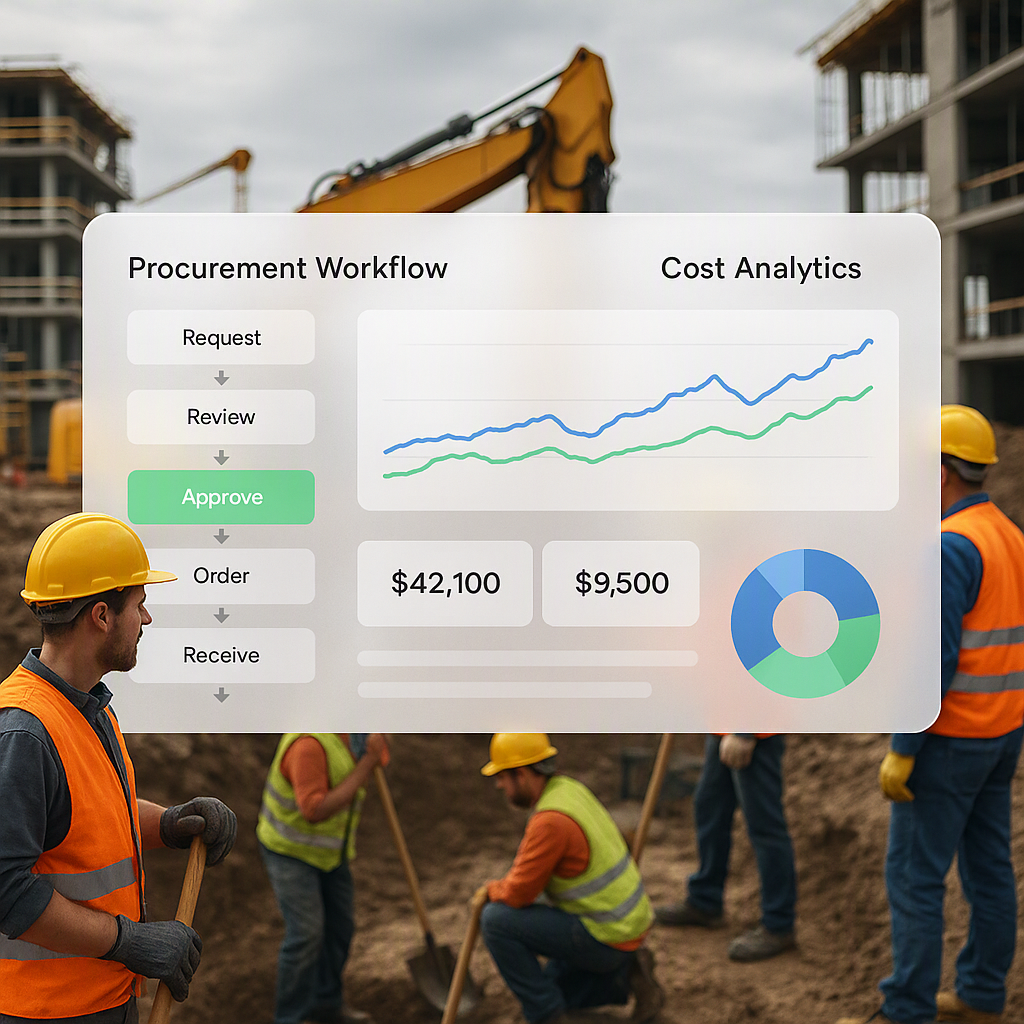
- Use software to automate cross-checking and approval workflows.
5. Approval Chains for Client Requests
- What it is: All client requests must go through formal approval workflows. Subcontractors can’t act on verbal changes without updated WOs.
- Why it works: This prevents unauthorized scope creep and ensures client accountability.
- How to implement:
- Establish a formal change request process.
- Communicate the process to clients and subcontractors.
- Track and document all change requests electronically.
What Being Wrong Cost Me—and What I’m Still Not Sure About
That HVAC overrun cost us nearly ₹30 lakh in profit. It also strained relationships with both the client and the subcontractor. I learned the hard way that loose workflows aren’t just inefficient—they’re expensive.
But even now, I’m not entirely confident in catching every issue. Subcontractors still find ways to bypass systems, especially when site teams get lazy. And while structured workflows help, they’re only as good as the people following them. If a supervisor doesn’t flag a scope change, it can still slip through.
Comparison Table: Old vs. New Approaches
| Aspect | Old Approach | New Approach |
|---|---|---|
| Tracking Method | Invoice-based | Measurement-based |
| Scope Changes | Verbal or informal approval | Formal approval workflows |
| Real-Time Reporting | Inconsistent | Daily site logs |
| Procurement Integration | Minimal | Tight cross-checking |
| Client Requests | Often bypass formal channels | Mandatory approval chains |
Call to Action
If you’re dealing with subcontractor cost overruns, structured workflows can help. ProjectsNext offers tools like measurement-based billing and approval chains to prevent surprises before they happen. Get started free →
Learn more at JobNext.ai - Construction ERP