
I Used to Think Spreadsheets Were Enough
For years, I believed that managing construction budgets came down to two things: experience and spreadsheets. If you’ve been in this industry long enough, you know the drill. You estimate costs based on past projects, plug the numbers into a spreadsheet, maybe add a buffer for unexpected issues, and call it a day. If you’re feeling fancy, you might even use a project management tool to track expenses.
It wasn’t perfect. But it worked. Most of the time.
Sure, there were hiccups—unexpected cost overruns, missed billing items, and those frustrating moments when you realize you’ve gone over budget halfway through execution. But the assumption was that this was just the nature of construction. You can’t predict everything, right?
Then I saw something that changed my mind.
The Moment It All Clicked
A few years ago, a contractor I knew landed a big road construction project. They had a solid reputation, a good team, and years of experience. But halfway through the project, they discovered they had massively underestimated the material costs. A supplier increased prices due to a sudden market shift, and they missed the memo. That oversight wiped out their profit margin.
What struck me wasn’t just the mistake—it was how avoidable it was. They were using spreadsheets and email for procurement tracking. No live updates, no real-time price comparisons, and no way to flag deviations from their original Bill of Quantities (BOQ). It took weeks to notice the problem, and by then, it was too late.
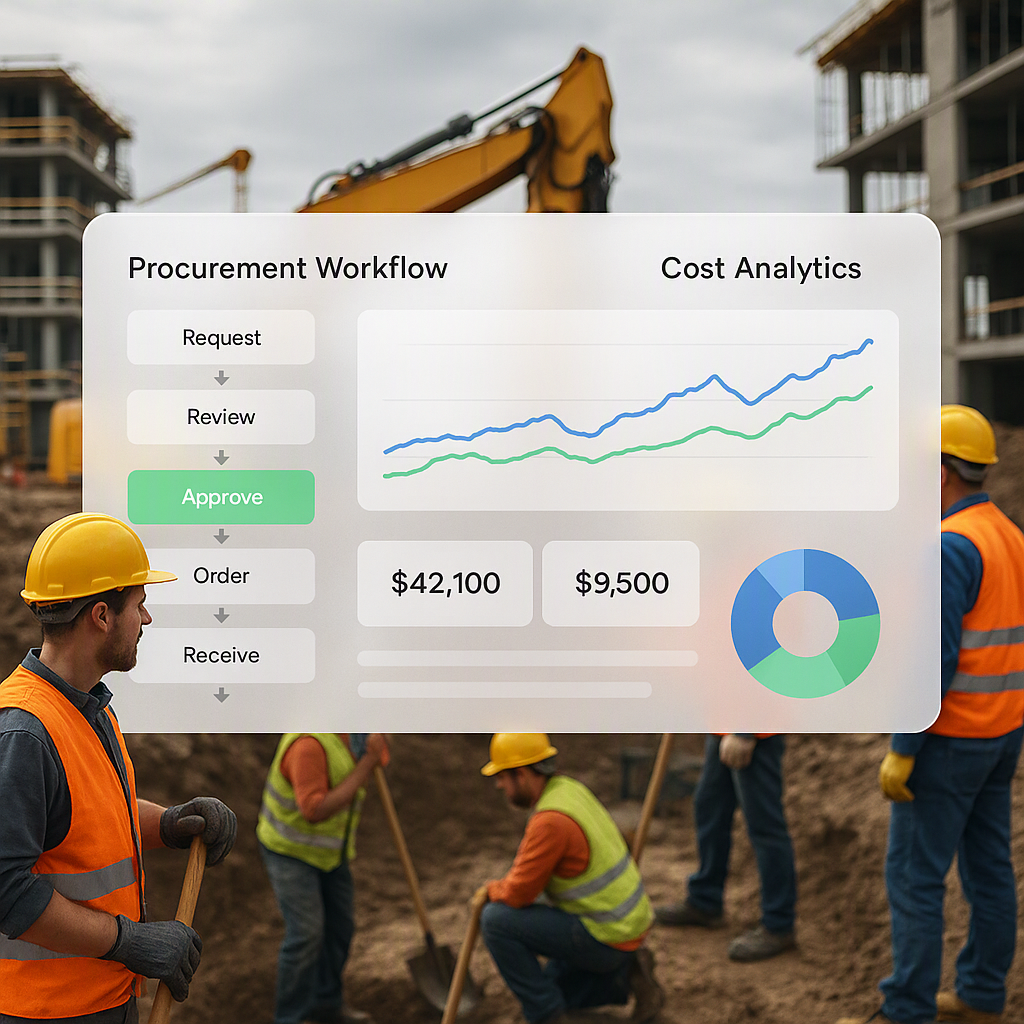
Around the same time, I came across the ProjectsNext blog on preventing cost overruns in construction procurement. It talked about structured workflows for procurement—starting with Material Requisitions (MRs), moving to RFQs, and ending with POs. It highlighted how AI could flag cost anomalies in real time, using historical data and market trends to predict issues before they happen.
I was skeptical at first. But the more I dug into it, the more I realized the problem wasn’t the unpredictability of construction—it was the tools we were using.
Why My Old Belief Hung On So Long
Looking back, I get why I clung to spreadsheets and experience for so long. They were familiar. I knew how to use them. And honestly, switching to something new felt like more trouble than it was worth.
Plus, there’s a culture in construction that says, "We’ve always done it this way." Spreadsheets are easy to tweak on the fly, and they don't require any training. They also give you a sense of control—until they don’t.
But here’s the thing: spreadsheets are passive. They don’t warn you when material costs spike. They don’t tell you if you’ve missed a line item in your BOQ. They don’t automatically update when a supplier revises their quote. In today’s fast-moving world of construction, that just doesn’t cut it anymore.
Actionable Steps to Move Beyond Spreadsheets:
- Identify Your Pain Points: List the areas where spreadsheets fall short—missed updates, lack of real-time collaboration, or errors from manual data entry.
- Start Small: Transition one project or process (like procurement) to a new system rather than overhauling everything at once.
- Train Your Team: Familiarize your staff with the new system through hands-on training, videos, or onboarding sessions.
- Measure the Impact: Track metrics like reduced errors, time saved, or cost overruns avoided to evaluate the benefits of the switch.
What I Do Differently Now
Today, I’m a firm believer in AI-powered ERP solutions for construction budgeting. And it’s not just because they’re "high-tech." It’s because they solve real, practical problems.
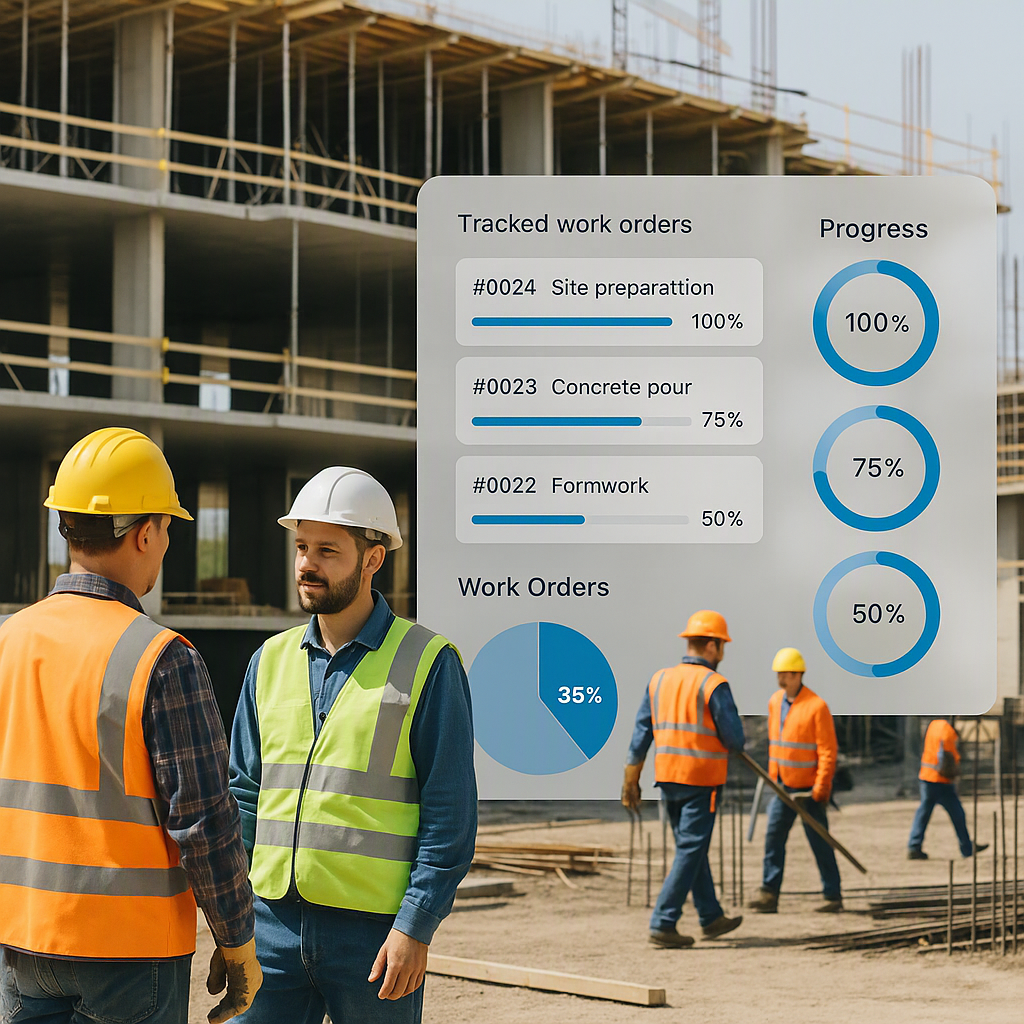
For example, one of the key features of platforms like ProjectsNext is real-time project profitability monitoring across BOQs, scopes, and estimates. Imagine this: you input your initial budget into the system, and as you proceed through procurement, the ERP flags any discrepancies between your original estimates and actual costs. If a supplier’s price rises by 10%, you’re alerted immediately.
How It Works:
- Centralized BOQ Management: All project costs, quantities, and scopes are stored in one place, ensuring every team member accesses the same data.
- Real-Time Alerts: AI algorithms monitor procurement transactions and notify you of cost anomalies or deviations as they occur.
- Historical Data Insights: The system analyzes past projects to predict future trends, helping you build more accurate estimates.
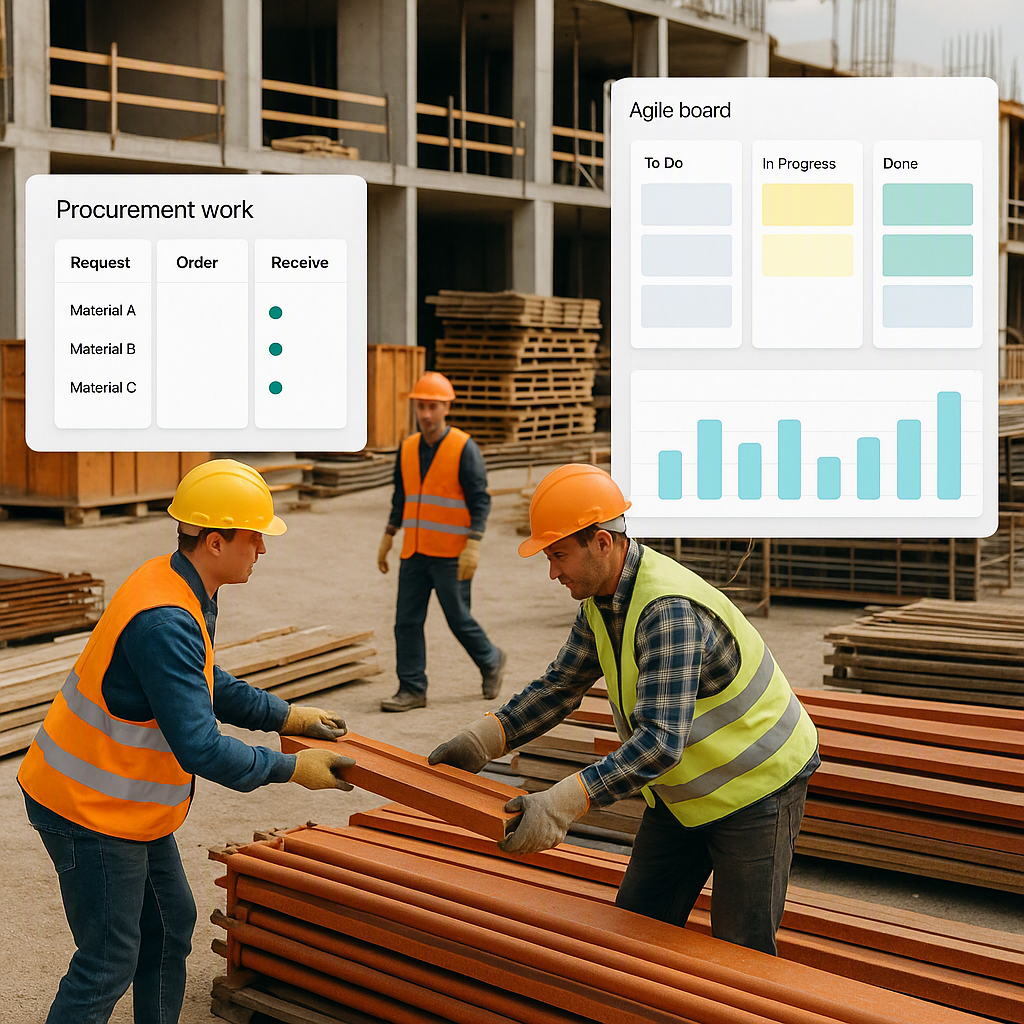
- Integration with Procurement Workflows: From Material Requisition (MR) to Purchase Orders (PO), the software tracks every step and maintains real-time visibility.
And let’s talk about billing. With six different billing methods supported, the risk of revenue leakage drops dramatically. No more missed RA Bills or unpaid work orders. The system keeps everything in one place, so nothing slips through the cracks.
What I’m Still Not Sure About
Don’t get me wrong—AI-powered ERPs aren’t a magic bullet. They’re tools. You still need experienced people to interpret the data, make decisions, and manage the human side of construction projects. Plus, implementing them isn’t always smooth sailing. There’s a learning curve, and not every contractor is ready to embrace that.
Challenges to Consider:
- Cost: High-quality ERP systems can be expensive. Make sure to calculate ROI and choose a platform that fits your budget.
- Change Management: Resistance from team members is common. Address concerns with clear communication and training.
- Customization: Not all ERPs will fit your specific project needs. Look for platforms that offer flexibility and scalability.
Comparison: Spreadsheets vs. AI-Powered ERP
| Feature | Spreadsheets | AI-Powered ERP |
|---|---|---|
| Real-Time Updates | No | Yes |
| Error Reduction | Prone to manual errors | Automated validations |
| Integration with Procurement | Limited | Seamless end-to-end |
| Cost Predictions | Based on user knowledge | AI-driven, data-based |
| Scalability | Difficult for large projects | Designed to handle scale |
| Collaboration | Manual file sharing | Centralized, real-time access |
The Cost of Being Wrong
What did my old way of thinking cost me? Time, for one. Hours spent double-checking numbers, chasing suppliers, and fixing errors that should never have happened in the first place.
And money. I’ve seen projects lose lakhs because of tiny mistakes—a missed decimal point, a miscommunication with a supplier, or a delay in flagging a cost overrun. Those losses add up, especially when you’re managing multiple projects.
What You Can Do Now to Avoid These Costs:
- Audit Your Current System: Identify inefficiencies in how you manage procurement, track costs, or update BOQs.
- Evaluate ERP Solutions: Research platforms like ProjectsNext that cater to your region and industry.
- Start with a Pilot Project: Test the system on a smaller job to gauge its effectiveness.
Final Thoughts
If your projects are struggling with cost overruns, disjointed systems, or procurement chaos, it’s time to consider a solution like ProjectsNext. It’s designed specifically for contractors dealing with real-world challenges in India and the GCC. Get started free →
Learn more at JobNext.ai - Construction ERP