"Spreadsheets and Manual Processes Work Fine for Cost Control"
For years, I believed this. Why wouldn't I? Spreadsheets have been the backbone of construction project management for decades. You input the data, you build some formulas, and you have your costs right there in front of you. I thought, why complicate things with software?
I wasn’t alone in this thinking. Many contractors, especially small to mid-sized firms, are still glued to Excel or other manual methods for tracking costs. It’s understandable. Software feels like overkill when you’re managing a handful of projects. Plus, there’s the cost and learning curve to consider. Why fix what isn’t broken?
But then I started to see the limitations of this approach.
Why My Old Thinking Survived for So Long
In hindsight, it’s easy to see why so many stick to spreadsheets and manual processes. They’re cheap, familiar, and flexible. You can tweak them to fit your specific project needs. Plus, there’s a perception that specialized software is expensive and mainly for larger companies. For a lot of small to mid-sized contractors, the idea of implementing an ERP system seems like a mountain to climb.
What I didn’t fully appreciate is how quickly things can spiral out of control when you’re relying on disconnected systems. Let me break this down further:
-
Lack of Real-Time Visibility: Spreadsheets are static. They don’t update themselves, which means you’re constantly chasing people for the latest numbers. By the time you pull together all the data, it’s likely outdated. For example, if a subcontractor submits an invoice, and you’re still waiting for procurement to send you the PO details, you’re left juggling incomplete information.
-
Error-Prone Processes: Spreadsheets are highly susceptible to human error. A single typo in one formula can cascade across the entire system, leading to inaccurate reporting and potentially costly mistakes. Studies show that nearly 88% of spreadsheets contain errors (Source: MarketWatch). And these mistakes aren’t always obvious. A miscalculated cell might go unnoticed until it creates a budgeting disaster.
-
Inefficiency: When team members rely on manual processes, approvals can get lost in email threads, tasks are delayed, and you end up spending more time on administrative work than on strategic project management. For instance, reconciling invoices with purchase orders might involve multiple phone calls and hours of spreadsheet comparisons. This is valuable time wasted for both you and your team.
-
Scalability Issues: A couple of projects can be managed with spreadsheets, but what happens when you scale to 10, 15, or even 50 projects? The complexity of managing costs and timelines across multiple spreadsheets becomes unmanageable. Imagine needing to manually update 20 different workbooks every time there’s a change in material costs or labor rates. It’s a logistical nightmare.
-
Compliance Risks: In countries like India, where GST and other tax regulations are complex, manually calculating and filing taxes through spreadsheets leaves you open to errors and penalties. Even in countries with simpler tax structures, keeping track of compliance deadlines and regulations manually increases the risk of mistakes.
These limitations became painfully obvious as I started managing more projects. It was clear that while spreadsheets had been a reliable tool for years, they were no longer up to the task as the complexity and scale of projects grew.
What Changed: AI-Powered ERP Solutions
AI-powered ERP solutions have introduced a new way of managing construction projects. These systems consolidate all your data in one place, automate routine tasks, and flag issues before they become major problems. They’re designed to address the exact pain points that spreadsheets and manual processes can’t handle effectively.
How AI-Powered ERP Works
Here’s a closer look at how these systems operate:
-
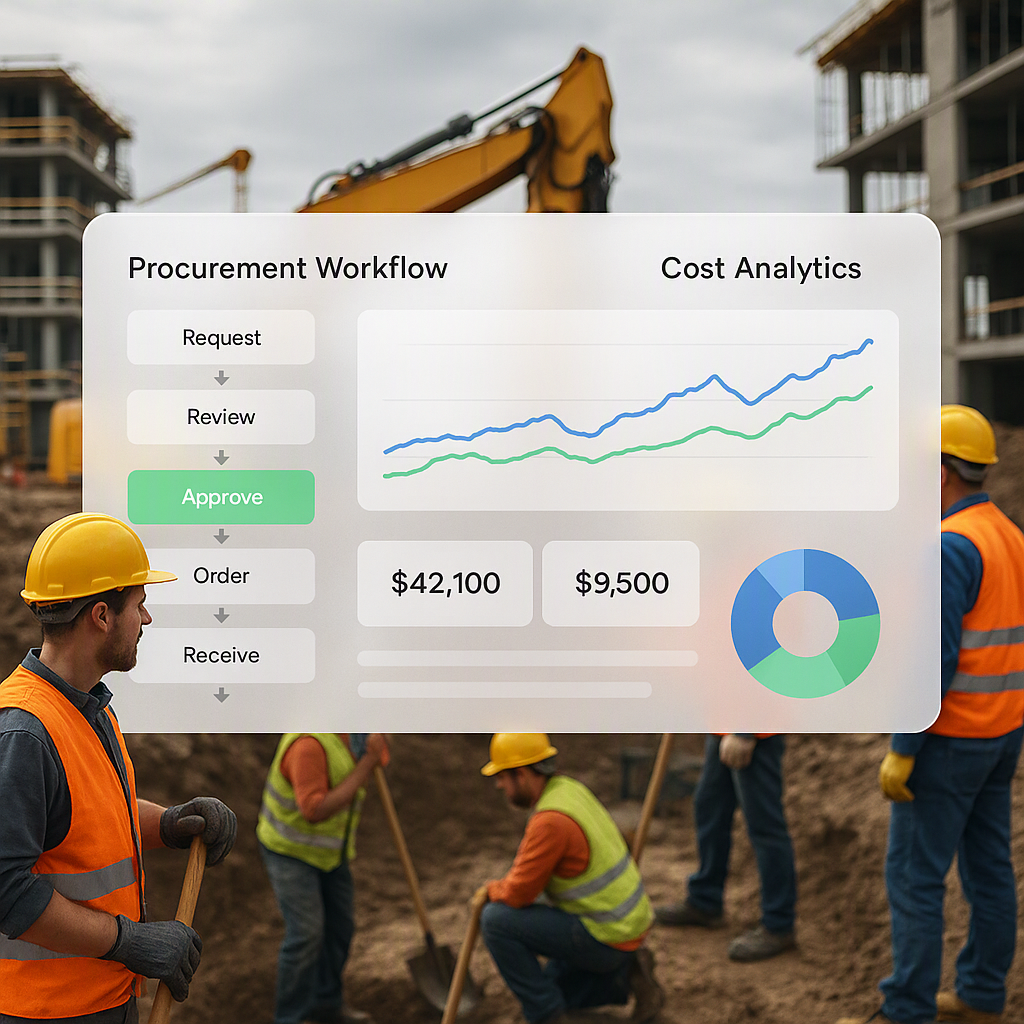
Automated Billing Workflows: The ERP system structures the entire billing process, from material requisitions (MR) to vendor RFQs, purchase orders (POs), and final billing. It eliminates the manual back-and-forth by automating the flow of data and ensuring that all approvals are in place before payments are made. This reduces the risk of delayed payments and strained supplier relationships.
-
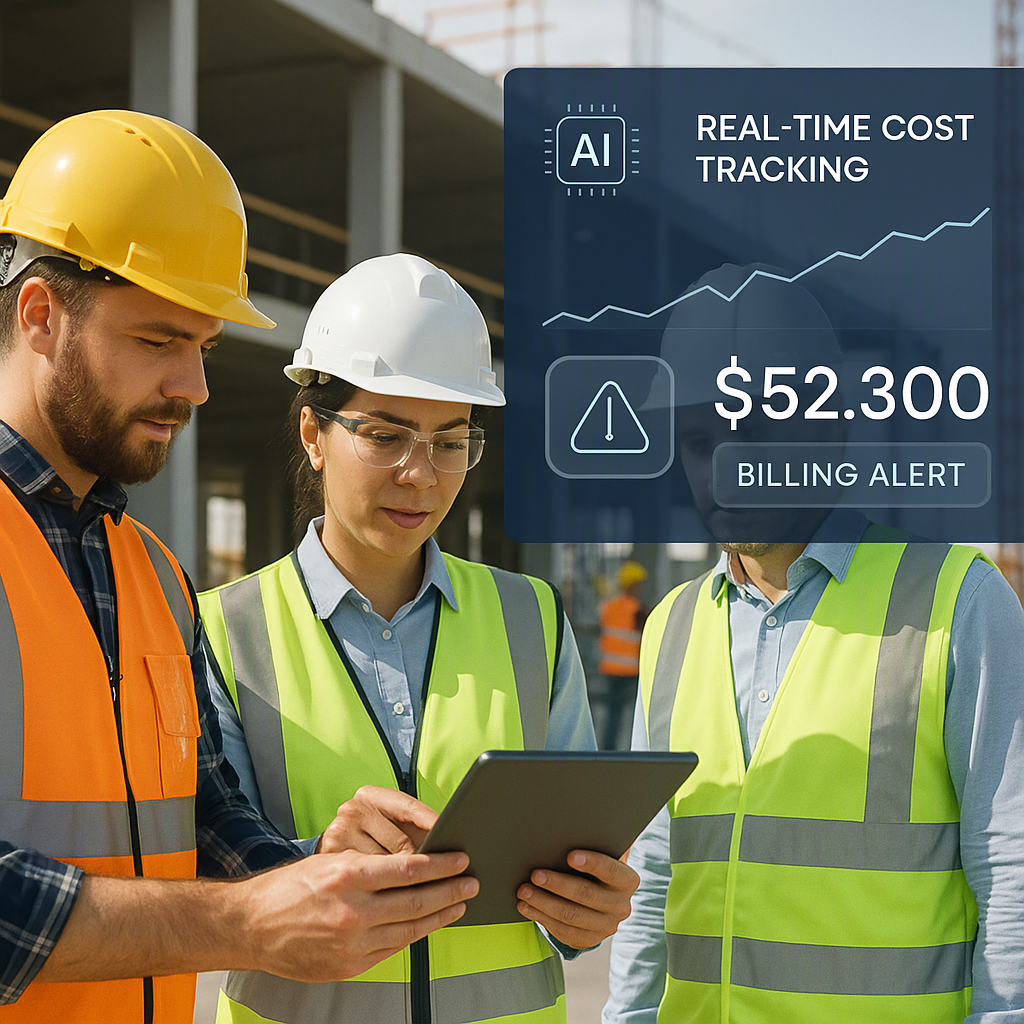
Real-Time Discrepancy Alerts: When a subcontractor submits a progress bill, the ERP cross-references it against the BOQ (Bill of Quantities), work orders, and previously approved measurements. If there’s any mismatch—such as over-claimed quantities or missing approvals—the system flags it instantly. This eliminates the need for time-intensive manual checks and reduces the likelihood of errors that could lead to disputes.
-
Integrated Data Ecosystem: Unlike spreadsheets, which are isolated and disconnected, ERP systems pull data from multiple sources such as procurement, HR, finance, and equipment tracking. This creates a comprehensive, real-time view of the project’s financial health. For example, you can instantly see how labor costs are affecting your overall budget or whether delays in material delivery might push your timeline.
-
Predictive Analytics: Some AI-powered ERP systems go a step further by using predictive analytics to identify potential risks. For example, they might flag a vendor who frequently delivers late, allowing you to take proactive measures.
The result? Contractors gain unprecedented visibility into their project’s profitability. With this kind of information at their fingertips, they can make better, faster decisions about resource allocation, procurement, and cost control.
Why AI-Powered ERP Works Better
Here’s what makes AI-powered ERP solutions a game-changer for construction firms:
| Feature | Spreadsheets | AI-Powered ERP |
|---|---|---|
| Real-Time Updates | No | Yes |
| Error Reduction | High potential for human error | Low (automated checks) |
| Workflow Automation | Limited | Full automation |
| Scalability | Limited | Highly scalable |
| Compliance Management | Manual | Automated |
| Data Integration | Disconnected | Centralized, real-time data |
Actionable Steps to Transition:
-
Conduct an Audit: Identify where your current processes are failing. Are you losing time reconciling invoices? Are errors eating into your margins? Pinpoint the pain points you need the ERP to solve. For example, track how much time your team spends manually updating spreadsheets or chasing approvals.
-
Select the Right Software: Not all ERP solutions are created equal. Evaluate different systems based on their features, scalability, and ease of use. Look for ones specifically designed for construction management. For instance, does the ERP support GST compliance if you operate in India? Can it handle equipment tracking?
-
Invest in Training: A common reason ERP implementations fail is lack of training. Make sure your team understands how to use the system and why it’s important. Consider hands-on workshops or partnering with the ERP vendor for guided training sessions.
-
Start Small: Transition one project or department to the ERP system as a pilot. This allows you to troubleshoot issues before rolling it out organization-wide. Choose a manageable project with clear parameters to test the system’s capabilities.
-
Monitor and Optimize: Regularly review how the ERP is performing and make adjustments as needed. For example, if certain modules are underutilized, investigate why and provide additional training or resources. Remember, no system is perfect out of the box.
What I Do Differently Now
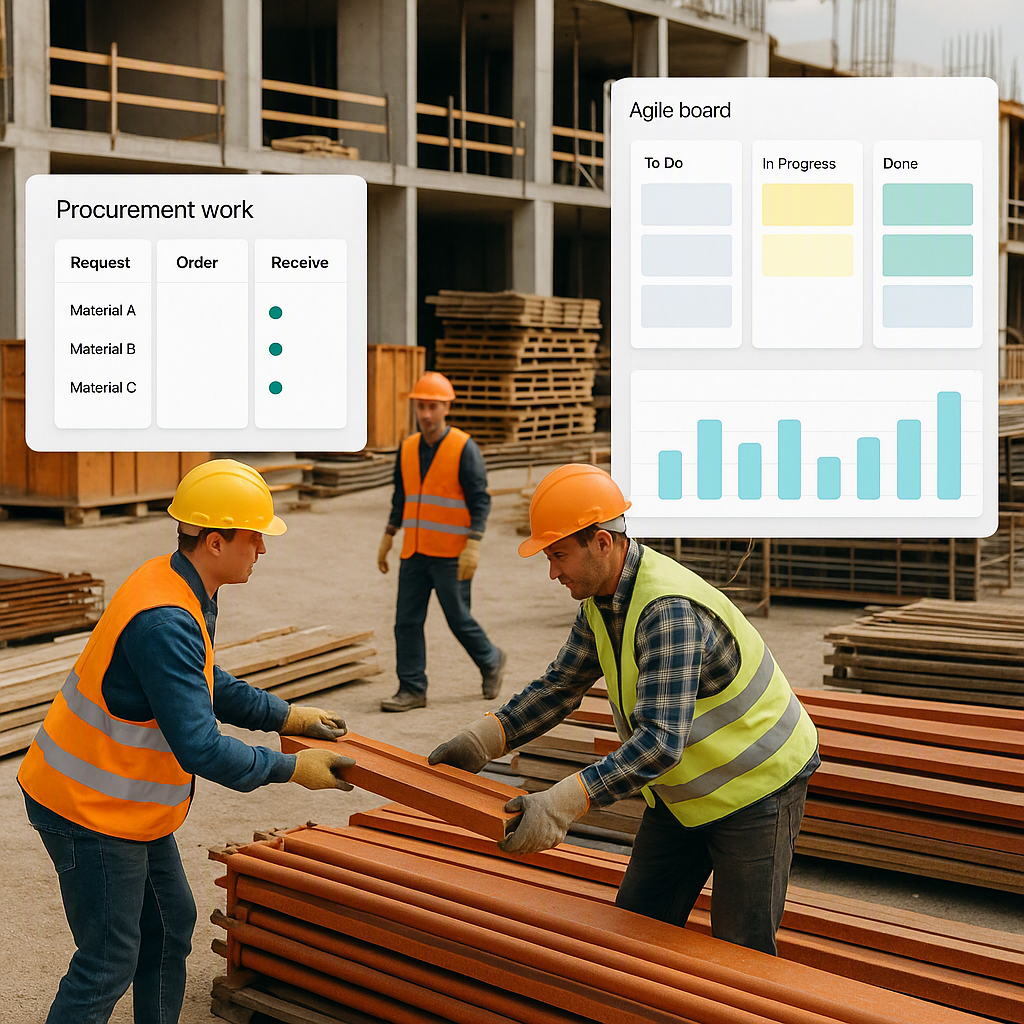
Today, I don’t even consider spreadsheets as a serious option for cost control. When consulting, I recommend AI-powered ERP solutions straight away. I focus on the features that matter most for the client’s pain points. For contractors struggling with billing errors, I highlight automated billing workflows. For those drowning in procurement chaos, I show them how structured MR→RFQ→PO processes work.
I also make sure clients understand the importance of real-time data. It’s not just a fancy feature—it’s the difference between catching a problem early and letting it snowball. Real-time data enables proactive decision-making, which is crucial in an industry where delays and cost overruns can quickly spiral out of control.
If you’re dealing with manual chaos and margin erosion, ProjectsNext can help. Get started free →
Learn more at JobNext.ai - Construction ERP