The Problem No One Wants to Talk About
Subcontractor cost overruns are a slow leak that can sink even a well-budgeted project. The worst part? You rarely see it coming until it’s too late. A measurement error here, a missed approval there, and suddenly you’re staring at a budget that’s blown to bits. I've seen it happen on projects big and small. If you’re not tracking costs in real-time and enforcing controls, margins evaporate faster than you can say 'change order.'
So, how do we prevent it? From my years in project management, I’ve boiled it down to five practical strategies. No fluff, no buzzwords, just things that work.
1. Standardize Your Subcontractor Workflows
Ever tried to track subcontractor payments across 10 sites with emails and Excel? It's chaos waiting to happen. One requisition gets delayed, another gets duplicated, and before you know it, you’re paying for work that wasn’t even done. A structured workflow is your first line of defense.
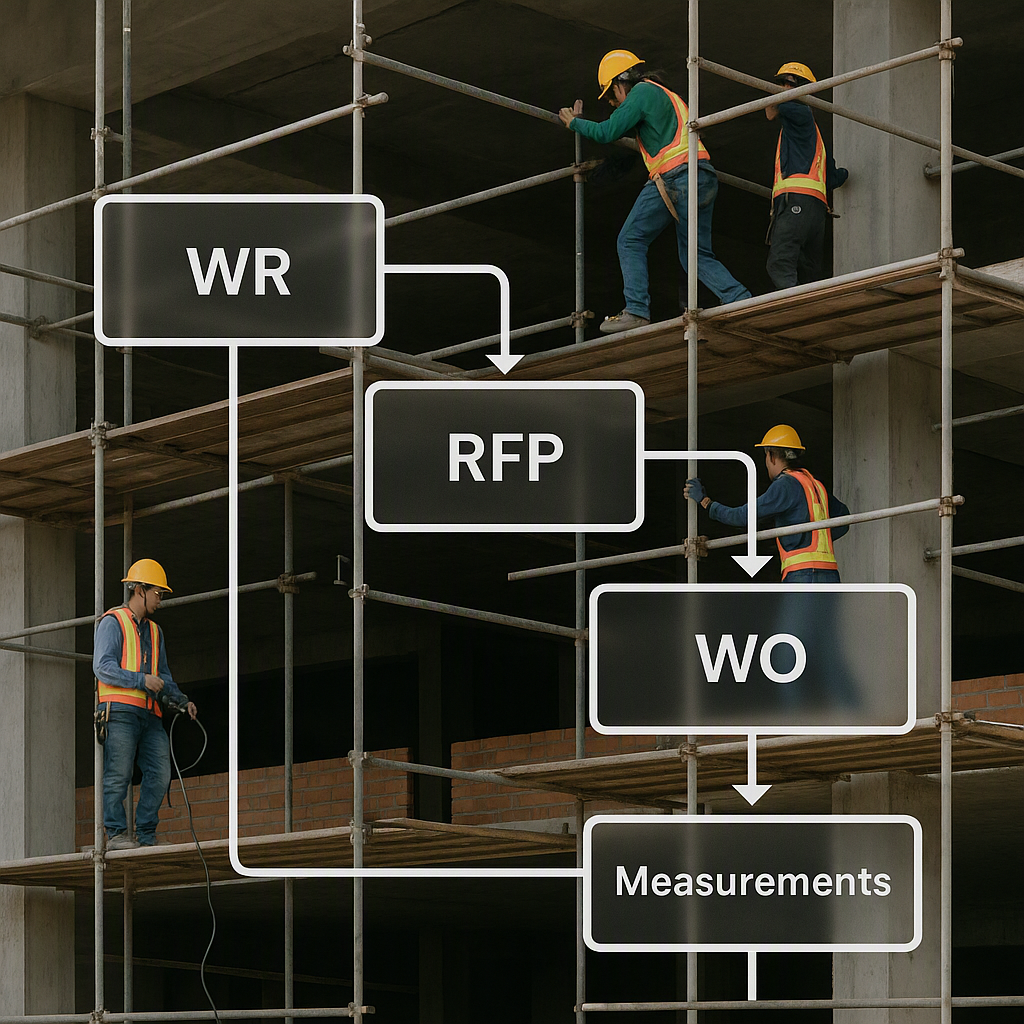
Here’s a simple example:
- Work Request (WR) → Request for Proposal (RFP) → Work Order (WO) → Measurements → Payment Approval
Every step involves defined roles and milestones. You’re not just signing off blindly; you’re verifying progress.
Why Workflow Standardization Matters
Unstructured workflows lead to miscommunication, missed deadlines, and payment disputes. When you standardize subcontractor workflows, you ensure that every step is documented, traceable, and auditable. This reduces errors and protects your project from spiraling costs.
Actionable Steps for Workflow Standardization:
- Define Roles Clearly: Assign clear responsibilities for every step in the workflow (e.g., site engineers for measurements, project managers for approvals).
- Example: The site engineer verifies completed work and uploads measurements to the system. The project manager reviews and approves them before the finance team processes payments.
- Use Centralized Tools: Platforms like ProjectsNext allow you to create and automate workflows across all your projects. These tools reduce human error and ensure everyone has access to the same data.
- Train Your Team: Ensure all stakeholders—subcontractors, site engineers, finance teams—understand the importance of following workflows. Conduct regular training sessions and provide guidelines, checklists, and resources to reinforce compliance.
2. Lock in Rates Before Work Begins
Negotiating rates after the project starts? That’s like agreeing to pay for a meal after you’ve eaten it. Subcontractors will always prioritize their profitability, not yours. Lock rates before issuing work orders. Insist on detailed BOQs (Bill of Quantities) with line-item breakdowns.
How Rate Locking Saves Money
Rate locking eliminates ambiguity. Without a fixed price upfront, subcontractors may inflate costs mid-project, citing unforeseen difficulties or scope changes. By locking rates, you set financial boundaries that subcontractors must adhere to. This reduces the risk of disputes and helps you manage your budget more effectively.
Actionable Steps to Lock Rates Effectively
- Create Detailed BOQs: Break down every component of the project into line items. For example, instead of a vague description like "install flooring," specify square footage, material type, and installation method. A lump-sum agreement is often ambiguous and invites disputes.
- Include Milestones in the Contract: Tie payments to specific, measurable milestones. For instance, payment for ductwork should depend on verified meters installed, as documented by your site engineers.
- Use Competitive Bidding: Issue RFPs to multiple subcontractors to get the best rates. Ensure all bidders understand the scope and deliverables before submitting quotes. This process also helps you benchmark costs and identify outliers.
- Add a Clause for Change Orders: Clearly define how changes to the scope of work will be handled. Include provisions for pricing adjustments, approvals, and timelines to avoid surprises later.
“Subcontractor cost overruns kill profitability. Locking supplier rates before the project begins can save contractors lakhs,” writes Manisha Tiwari in her October 2, 2026 article for ProjectsNext.ai.
3. Measure Progress Accurately (and Often)
This is where most contractors drop the ball. You can’t pay for '80% completed' work without verifying what that 80% actually includes. Measurement-based progress tracking ensures that payments are tied to actual, completed work—not estimates or promises.
Why Accurate Measurement Matters
Overpayment due to inaccurate progress estimates can cripple your budget. By measuring progress precisely, you prevent overpaying for incomplete work and ensure subcontractors stay accountable. Accurate measurement also provides clarity in case of disputes.
Actionable Steps for Accurate Progress Measurement
- Use Standardized Measurement Protocols: Define how progress will be measured for every type of work (e.g., meters of ductwork, square footage of flooring, or cubic volume of excavation). Standardizing ensures consistency across teams and projects.
- Involve Site Engineers: Make site engineers responsible for verifying progress before approving payments. Their physical presence on-site ensures that measurements are based on actual completed work.
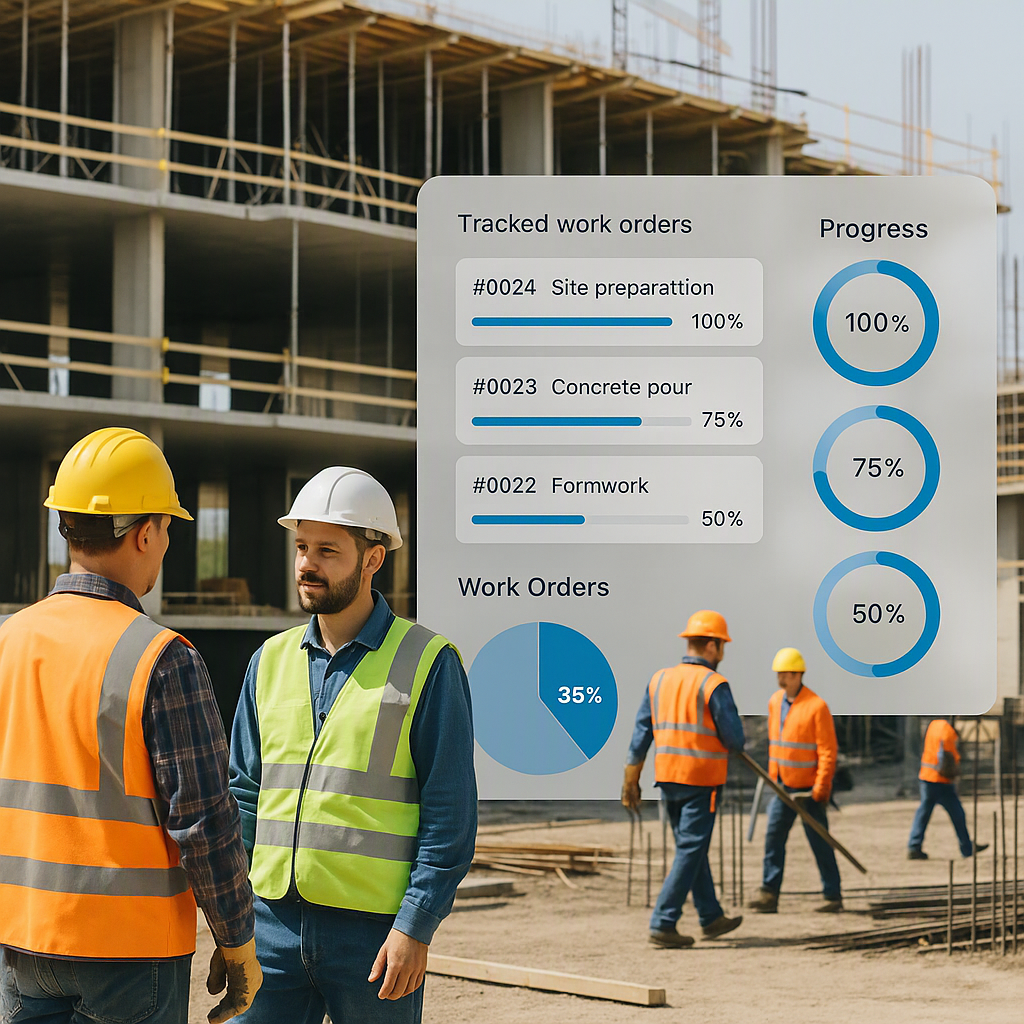
- Document Progress: Take photos, measurements, and notes for every milestone. Digital tools like ProjectsNext allow you to upload and store these records, creating an auditable trail.
- Verify Frequently: Make it a practice to verify work weekly (or even daily for fast-paced projects). Waiting until the end of the month to assess progress increases the risk of discrepancies.
4. Use Approval Chains to Control Payments
Here’s a scenario I’ve seen too many times: A subcontractor submits an invoice, and someone in accounts clears it without checking if the work’s been approved. Result? You’re paying for work that’s incomplete—or worse, not even started.
Approval chains fix this. Every payment request should pass through at least three layers: Site Engineer → Project Manager → Finance Controller. In systems like ProjectsNext, you can configure multi-level approvals with thresholds. For example, payments over ₹5 lakh might need sign-off from the MD. It’s not about red tape; it’s about ensuring checks and balances.
Actionable Steps to Implement Approval Chains
- Define Approval Levels: Set thresholds for payment approvals. For example, smaller payments may require fewer sign-offs than larger invoices. Clearly document these thresholds in your company’s payment policy.
- Automate the Process: Use tools that enforce approval chains, ensuring no payment is processed without proper sign-offs. Automation reduces delays and eliminates the risk of skipping steps.
- Audit Regularly: Conduct periodic audits of payment processes to identify and rectify loopholes. A quarterly review can uncover patterns of missed approvals or unauthorized payments.
5. Monitor Costs in Real-Time
By the time you review costs at the end of the month, it’s already too late. Real-time cost tracking keeps you proactive, not reactive. You can see cost overruns as they happen and course-correct immediately.
Why Real-Time Monitoring Is Crucial
Real-time tracking allows you to identify cost spikes as they occur, whether due to overtime, material wastage, or scope creep. This gives you the chance to intervene before the problem escalates, saving both time and money.
Actionable Steps for Real-Time Cost Monitoring
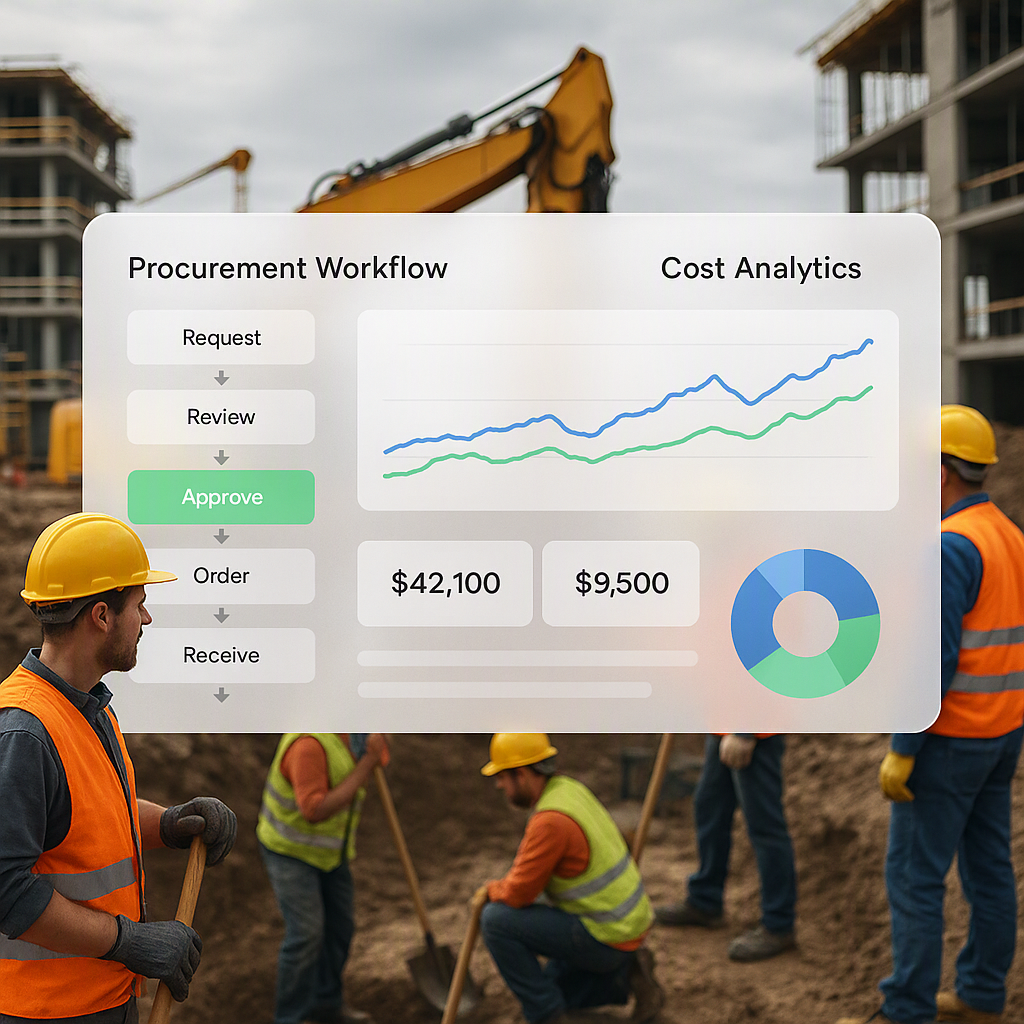
- Invest in Real-Time Dashboards: Use platforms like ProjectsNext that consolidate cost data from all active projects. These dashboards provide a clear overview of your financial position at any given moment.
- Train Your Team: Ensure project managers and finance controllers know how to interpret real-time data and act on it. Without proper training, even the best tools can be underutilized.
- Set Alerts: Configure alerts for cost overruns. For example, if labor costs exceed 10% of the estimate, you should get an immediate notification. Customizable alerts keep you informed without overwhelming you with unnecessary notifications.
Comparison Table: Tools & Strategies for Subcontractor Cost Control
| Strategy | Tools to Use | Key Benefits | Actionable Steps |
|---|---|---|---|
| Standardized Workflows | ProjectsNext | Prevents miscommunication and errors | Define roles, use centralized tools, train teams |
| Rate Locking | Competitive Bidding Platforms | Eliminates cost inflation | Create detailed BOQs, tie payments to milestones, competitive bidding |
| Accurate Progress Measurement | Digital Measurement Tools | Prevents overpayment | Standardize protocols, involve site engineers, use digital tools |
| Approval Chains | Approval Workflow Software | Ensures accountability | Define levels, automate approvals, audit regularly |
| Real-Time Cost Monitoring | Real-Time Dashboards | Enables proactive management | Invest in dashboards, train teams, set alerts |
Conclusion: Stop the Bleeding
Subcontractor cost overruns aren’t inevitable. With structured workflows, real-time tracking, and clear accountability, you can keep them in check. If you’re struggling with this, ProjectsNext offers tools designed for contractors like you. Get started today →
Learn more at JobNext.ai - Construction ERP