Subcontractor Cost Overruns: Why They Happen and How to Stop Them
Subcontractor cost overruns can significantly impact project profitability. They often arise due to poor scope management, manual workflows, and vague payment terms. These issues are preventable with proactive strategies and structured systems.
1. Nail Down the Scope Early
Scope creep is a common cause of budget overruns. Subcontractors may claim extra work as “out of scope” when the contract lacks clarity. If the Bill of Quantities (BOQ) doesn’t explicitly define what’s included, disputes are likely.
Fix it: Use a detailed BOQ or Work Breakdown Structure (WBS) hierarchy. Break each job into granular scopes, tie them to deliverables, and set approval checkpoints. Avoid using basic tools like Excel for this; specialized systems designed for multi-layer scope tracking are more effective.
2. Use a Structured Procurement Workflow
Manual procurement workflows can lead to inefficiencies and errors. Missing requisitions, delayed RFQs, and outdated pricing can disrupt the process.
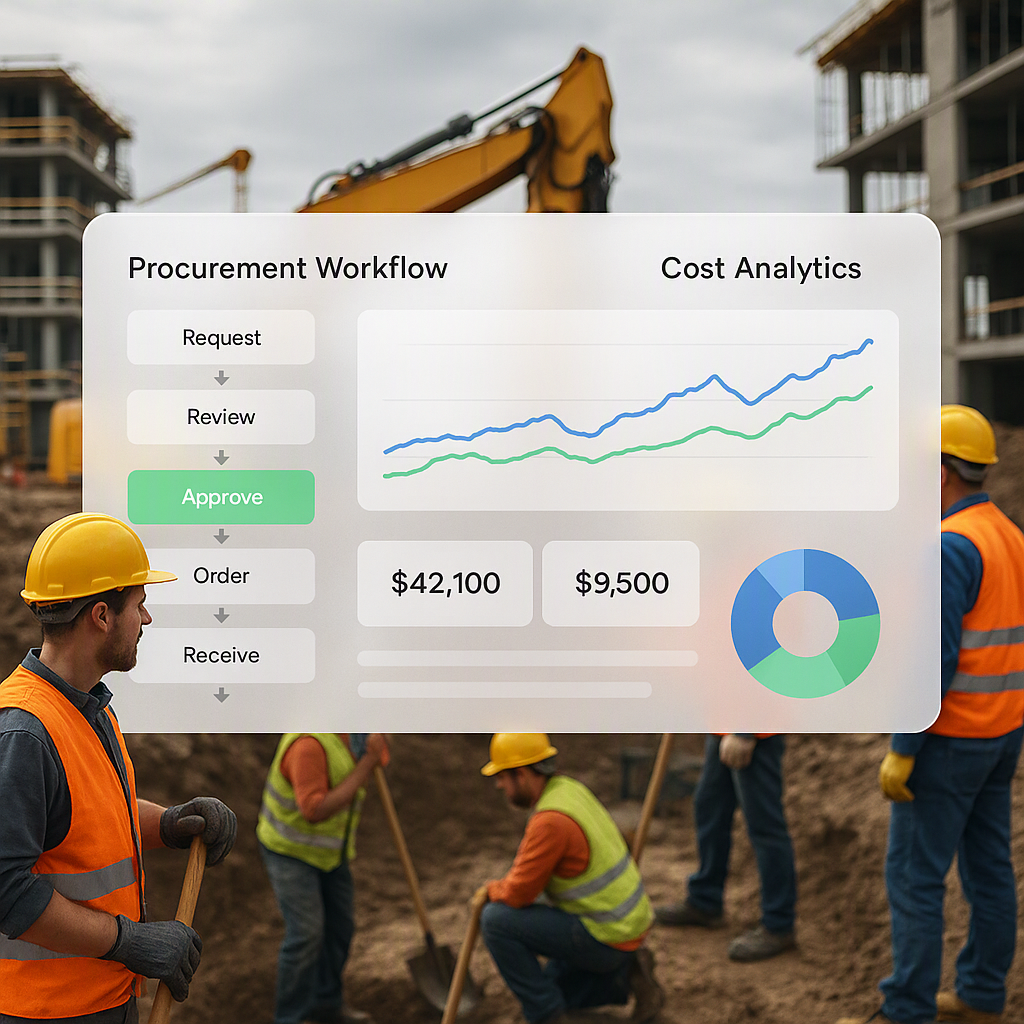
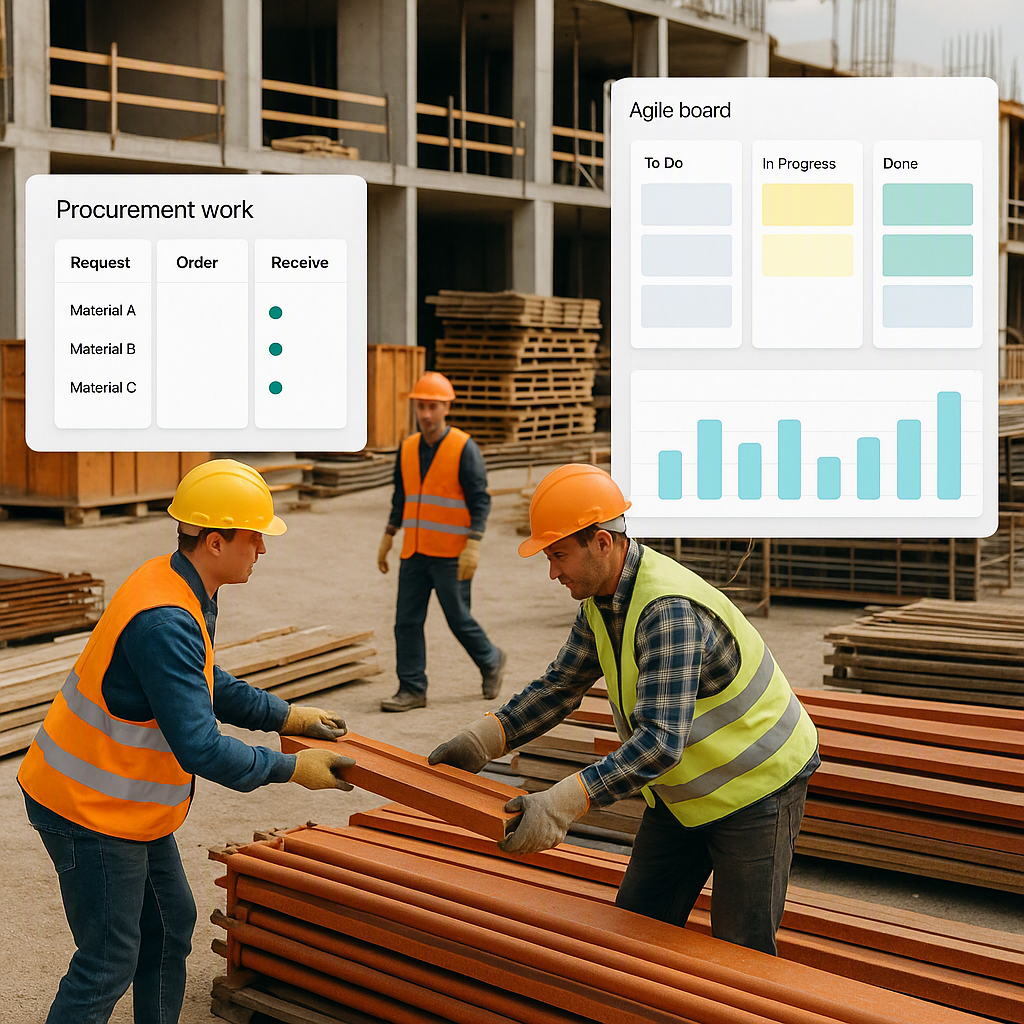
Instead, adopt a structured MR → RFQ → PO workflow. Digital tools can automate this process, ensuring every step—vendor offers, approvals, and PO issuance—is tracked and timestamped. This reduces errors, speeds up procurement, and avoids last-minute purchases at inflated rates.
3. Track Costs Progressively (Not After the Fact)
Waiting until the end of a project to analyze costs often leads to missed opportunities for correction. Real-time cost tracking is essential, especially for subcontractor progress.
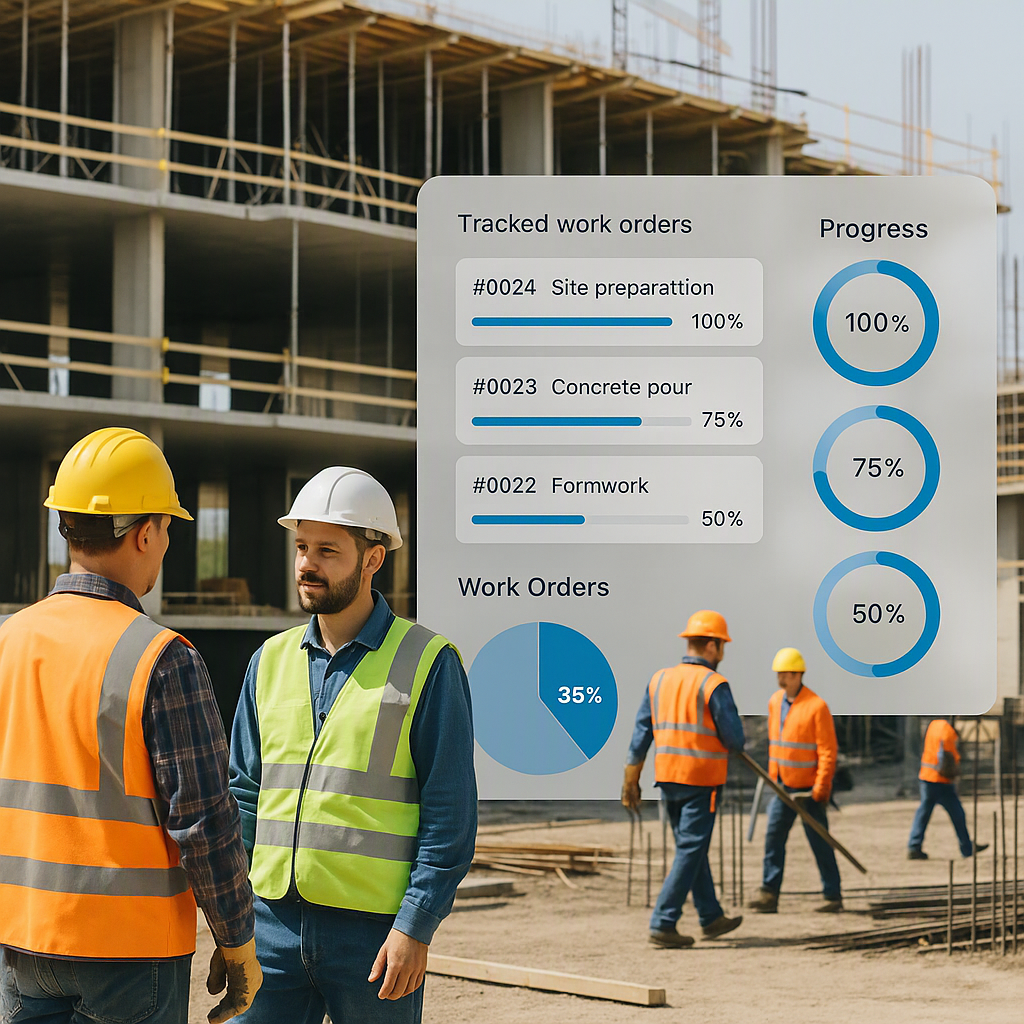
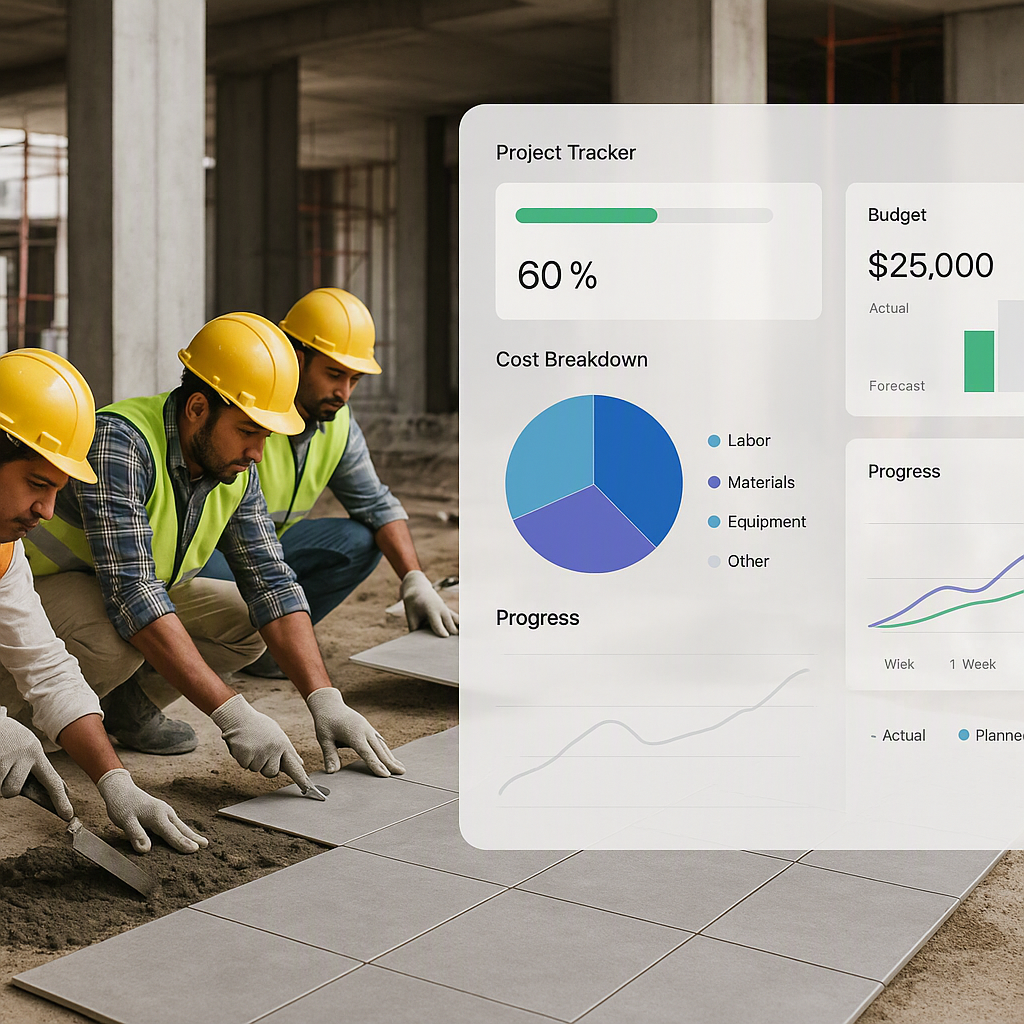
How? Progress-based payment tracking. Link subcontractor payments directly to measurable milestones—like completed work quantities or approved inspections. For example, payments for tile-laying should align with verified square footage completed, not vague progress reports.
Platforms with built-in measurement tracking tied to payment workflows can help ensure payments stay proportional to actual progress.
4. Set Clear Payment Terms and Stick to Them
Late payments can lead to subcontractors either leaving the site or inflating quotes to account for risk. Both scenarios hurt project budgets.
The solution? Clear, enforceable payment terms. Define retention percentages, milestone payments, and penalties for delays upfront. Use systems to enforce these terms consistently, centralize payment schedules, automate reminders, and flag overdue payments. This helps maintain trust with subcontractors while ensuring predictable cash flow.
5. Monitor Subcontractor Performance—And Act Fast
Subcontractor performance varies widely. Monitoring metrics like productivity rates, on-time delivery, and quality scores can help identify issues early.
If a subcontractor consistently misses deadlines or underperforms, take corrective action immediately. Options include renegotiating terms, reallocating work, or bringing in backup teams. Real-time dashboards can provide a comprehensive view of subcontractor performance across projects, enabling proactive adjustments.
FAQ: Subcontractor Cost Overruns
Q1: What’s the biggest reason for subcontractor cost overruns?
A: Vague scopes and lack of cost tracking. If the contract isn’t detailed, disputes are inevitable. Real-time cost tracking is critical to avoid surprises.
Q2: How do I handle subcontractors who inflate claims?
A: Measurement-based tracking. Tie payments to verified work quantities or milestones, so you only pay for completed, approved work.
Q3: Can software really prevent overruns?
A: It won’t fix bad management, but it can eliminate manual errors, track costs in real-time, and enforce processes like procurement workflows.
Final Thoughts
Subcontractor cost overruns aren’t inevitable. They’re often the result of disconnected systems, unclear scopes, and reactive management. Addressing these issues with structured workflows, detailed contracts, and real-time tracking can make a significant difference in project margins.
If this resonates, consider exploring tools designed for contractors that offer real-time cost tracking and structured workflows.
Learn more at JobNext.ai - Construction ERP