Subcontractor Costs: The Silent Margin Killer
Every contractor has faced this: a subcontractor quotes one price, but by the time the project wraps up, the actual cost is way higher. Maybe it was extra work, miscommunication, or plain inefficiency — regardless, the damage is done. Your margins take the hit.
According to a 2021 report by McKinsey & Company, the construction industry operates on razor-thin margins, averaging just 5% globally. For contractors, unexpected subcontractor cost overruns can mean the difference between profit and loss. So how do you stop this? The answer isn’t just better negotiations or tighter contracts. It’s about having the right systems to track and control costs in real time. Let’s break it down.
1. Start With Structured Workflows
Most cost overruns happen because the workflow is chaotic. Materials are ordered on WhatsApp. Work orders are verbal. Bills are submitted a month late. Sound familiar?
A structured workflow is the foundation for cost control. For example, instead of letting site managers directly assign work, set up a workflow: Work Request → RFP → Work Order → Measurements → Payment. Each step should require approval and documentation. This keeps everyone accountable.
Actionable Steps for Structured Workflows:
- Digitize Work Requests: Avoid verbal or informal requests. Use tools or platforms like ProjectsNext to document work requests digitally, ensuring a clear starting point for every task.
- Formalize the RFP Process: Always request proposals for subcontractor work. Compare rates, timelines, and scope before issuing a work order.
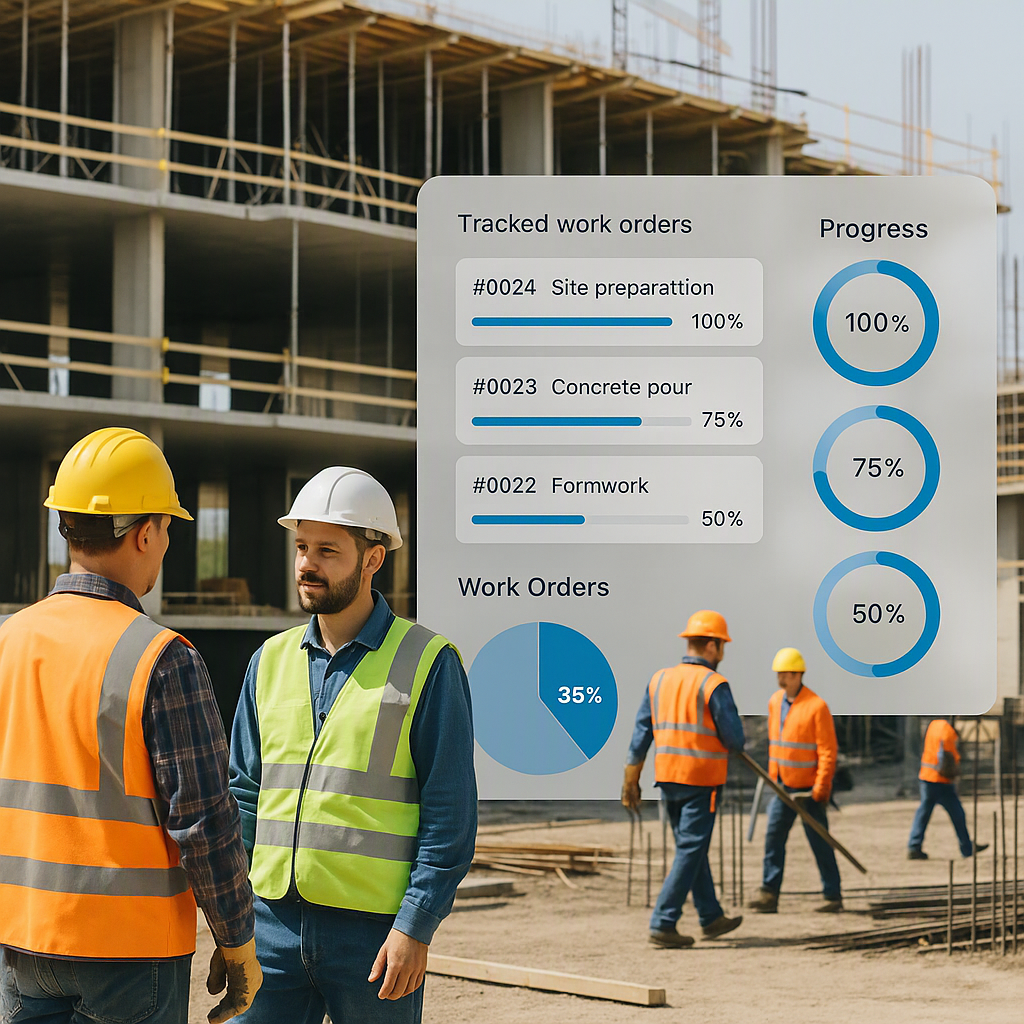
- Weekly Measurement Logs: Tie payments to verified measurements. Weekly logs prevent disputes and keep the workflow transparent. For instance, a 2022 survey by Construction Dive revealed that 76% of contractors who implemented weekly measurement logs reported a significant reduction in billing disputes.
- Centralized Documentation: Store all approvals, contracts, and measurements in a centralized platform. This will eliminate the "he said, she said" problem.
For example, let’s say a subcontractor is hired to complete a 10,000 sq. ft. plastering job in Houston, Texas. Measurements should be logged weekly and tied directly to their payment cycle. This way, if they claim 12,000 sq. ft. was completed, you have the data to verify (or reject) it.
Many contractors use ERPs like ProjectsNext to implement these workflows. It’s not just about automation — it’s about making sure no step gets skipped.
2. Track Subcontractor Progress in Real Time
Would you trust a site supervisor to remember exactly how much work was completed two weeks ago? Probably not. That’s why relying on manual updates is a bad idea. Real-time tracking is non-negotiable.
Methods to Track Progress Effectively:
- Require Daily Progress Updates: Subcontractors should submit daily or weekly progress updates tied to measurable units (e.g., square footage completed, materials used). This aligns with industry best practices highlighted in the Construction Industry Institute’s (CII) 2020 study on project performance.
- Use Technology for Real-Time Data Capture: Tools like ProjectsNext allow subcontractors to submit updates with measurements and photos. Site engineers can review and approve these submissions.
- Automate Payment Approval: Payments should only be triggered after verification of progress.
- Regular Site Inspections: Ensure that progress claims align with physical inspections conducted by site managers.
Imagine this scenario: A subcontractor is hired for excavation work in Chicago. Instead of waiting until the end of the month to reconcile costs, you approve their progress weekly. This not only keeps costs in check but also builds trust with the subcontractor — they get paid faster, and you avoid surprises.
Comparison: Manual Tracking vs. Real-Time Tracking
| Aspect | Manual Tracking | Real-Time Tracking |
|---|---|---|
| Accuracy | Prone to errors and disputes | High, with verifiable data |
| Efficiency | Time-consuming reconciliation | Automated and faster |
| Transparency | Limited | Full visibility for all parties |
| Payment Speed | Delayed | Prompt payments |
3. Centralize Procurement
Another common source of overruns? Subcontractors buying materials on their own. Sure, it seems convenient at first — until you realize they’re not negotiating bulk rates or tracking material wastage.
Steps to Centralize Procurement:
- Implement Material Requisitions (MRs): Subcontractors should submit material requests instead of buying on their own.
- Request Vendor Quotes (RFQs): Compare quotes from multiple vendors to ensure competitive pricing.
- Issue Purchase Orders (POs): Link every purchase order to a specific BOQ item. This provides clarity on where materials are used.
- Monitor Material Usage: Track material consumption against work progress to identify wastage.
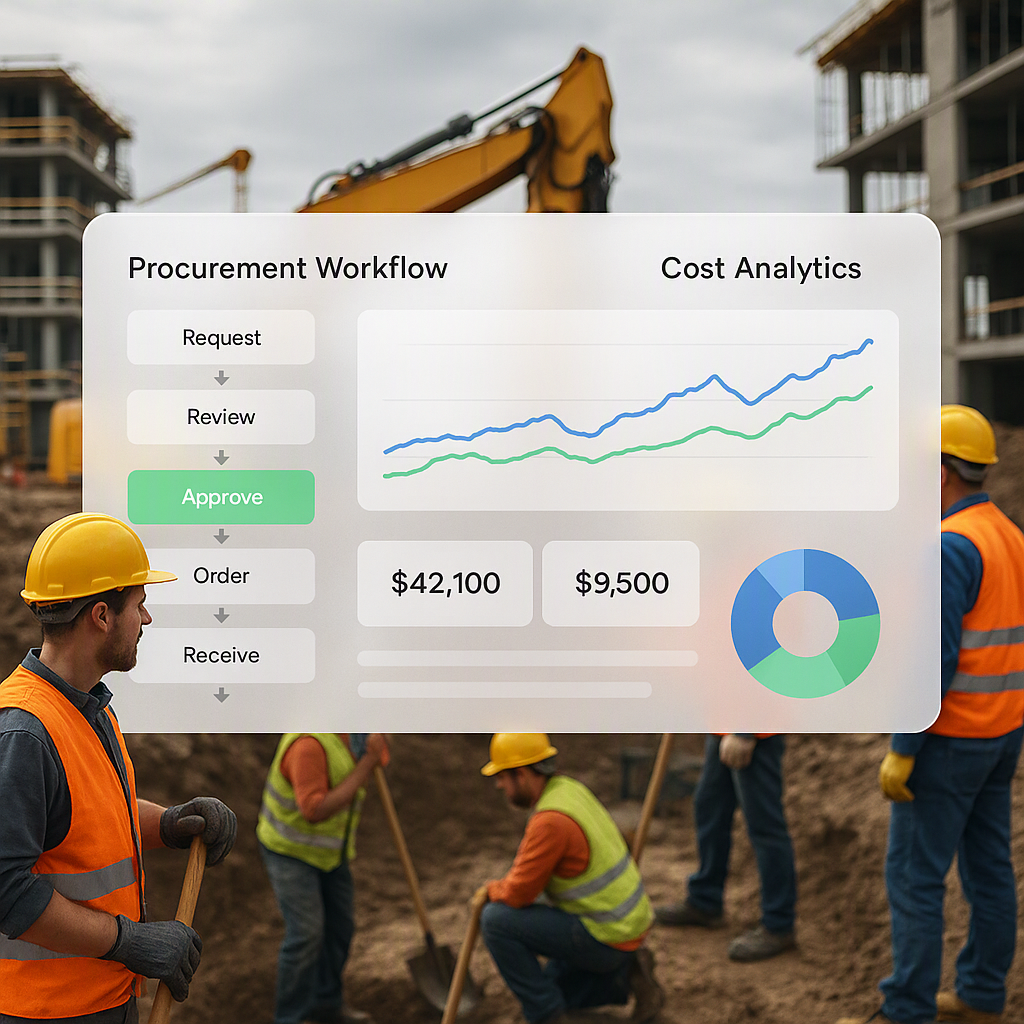
Centralized procurement ensures you control costs and quality. For example, instead of subcontractors sourcing materials, your procurement team can negotiate bulk rates with vendors and issue purchase orders. This not only saves money but also ensures consistency in material quality.
In a detailed ProjectsNext blog post, the authors explain how structured procurement workflows reduce errors and improve margins. The key takeaway? Link every purchase to a specific BOQ item. That way, you know exactly where your money is going.
4. Define Scope Clearly (And Stick to It)
Scope creep is a killer. It starts small — “Can you just add a few extra outlets here?” — and snowballs into major cost overruns. The solution? A crystal-clear scope of work (SOW).
Best Practices for Managing Scope:
- Document Every Detail: Your SOW should include quantities, timelines, and exclusions to avoid ambiguity.
- Flag Changes Early: Use a system that flags additional work requests before execution.
- Track Extra Work Separately: Ensure that any work outside the base scope is documented and billed separately.
- Get Subcontractor Sign-Off: Before beginning work, subcontractors should sign off on the agreed scope.
For instance, ProjectsNext allows contractors to track “extra work” separately, so it doesn’t get mixed up with base scope costs. Let’s say your interior design subcontractor agrees to paint 20 walls in a New York City high-rise. If they suddenly start painting ceilings too, you’ll know right away. And you’ll have the documentation to renegotiate terms.
5. Audit Subcontractor Bills Before Payment
This one seems obvious, but you’d be surprised how often it’s skipped. Subcontractors submit a bill, and in the rush to clear payments, no one checks the details. Big mistake.
Steps for Effective Bill Audits:
- Verify Measurements: Cross-check billed quantities with site measurements. If a subcontractor claims 500 sq. ft. of tiling was done, you should have signed measurements to back it up.
- Check Rates: Make sure the rates match the agreed work order. Any deviations should require approval.
- Reconcile Advances: If the subcontractor received an advance, ensure it’s deducted from their final payment.
- Track Payment History: Maintain records of all payments and deductions for transparency.
Tools like ProjectsNext streamline this process. Subcontractors upload bills directly into the system, where they’re matched to approved measurements and work orders. This reduces the chance of errors slipping through.
Conclusion
Subcontractor cost overruns aren’t inevitable. With structured workflows, real-time tracking, centralized procurement, clear scopes, and rigorous audits, you can keep your projects on budget. It’s not just about avoiding losses — it’s about running a smoother, more predictable business.
If you’re dealing with subcontractor chaos, ProjectsNext can help. Get started free →
Learn more at JobNext.ai - Construction ERP