
Procurement Delays in Construction: A Common Challenge
In the construction industry, procurement delays are often regarded as an unavoidable reality. Material requisitions pile up, Requests for Quotations (RFQs) sit idle in inboxes, and approvals require excessive time due to manual processes. These delays can cause project inefficiencies, cost overruns, and missed deadlines, creating ripple effects that disrupt project timelines and budgets.
The inherently chaotic nature of construction projects—characterized by multiple stakeholders, vendors, subcontractors, and constantly evolving project scopes—further complicates procurement management. However, advancements in AI and digital tools are challenging this status quo. These technologies promise to streamline procurement processes, reduce inefficiencies, and improve project outcomes.
Common Causes of Procurement Inefficiencies
Procurement inefficiencies in construction are rooted in several key issues that collectively disrupt the flow of materials and information. Below are the primary culprits:
1. Disparate Systems
Many construction companies rely on a patchwork of tools like spreadsheets, messaging apps, emails, and standalone accounting software. These systems often operate in silos, making it difficult to track procurement workflows effectively. For instance, a purchase order might exist in one system while the corresponding invoice is in another, leading to miscommunication and missed deadlines.
Solution:
- Integrate systems: Adopt unified platforms that consolidate data from different sources.
- Centralize data storage: Use cloud-based solutions to create a single source of truth for all procurement-related information.
- Standardize workflows: Define and enforce standard operating procedures (SOPs) for procurement processes.
2. Approval Bottlenecks
Manual approval processes often result in delays. A single missing signature can halt the entire workflow, especially when multiple layers of sign-offs are required—from project managers to finance teams.
Solution:
- Implement automated approval workflows that send reminders and escalate delays to higher management when necessary.
- Use role-based access controls to ensure that the right people can approve tasks without unnecessary delays.
- Track approval timelines with dashboards to identify recurring bottlenecks.
3. Vendor Management Challenges
Managing vendor quotes, contracts, and performance manually increases the likelihood of missed communications and errors. Without a structured system, teams may struggle to track vendor reliability, negotiate favorable terms, or ensure timely deliveries.
Solution:
- Maintain a vendor database that tracks critical metrics like delivery timelines, material quality, and pricing trends.
- Use AI tools to automate vendor communication and evaluate performance.
- Develop a pre-qualification process to onboard reliable vendors who can meet project requirements seamlessly.
4. Complexity of BOQs and Scope Changes
The Bill of Quantities (BOQs) and project scopes in construction are often highly detailed and subject to frequent updates due to design changes or unforeseen site conditions. Without centralized systems, keeping track of these changes becomes a daunting task.
Solution:
- Adopt systems that allow real-time updates to BOQs and automatically notify stakeholders of changes.
- Use revision control features to track and document every change to project scope.
- Integrate BOQs with procurement tools to ensure that material orders align with updated requirements.
5. Lack of Real-Time Visibility
Manual processes often lead to a lack of transparency. Project managers may find it difficult to get a real-time overview of procurement status, which can result in last-minute surprises or delays.
Solution:
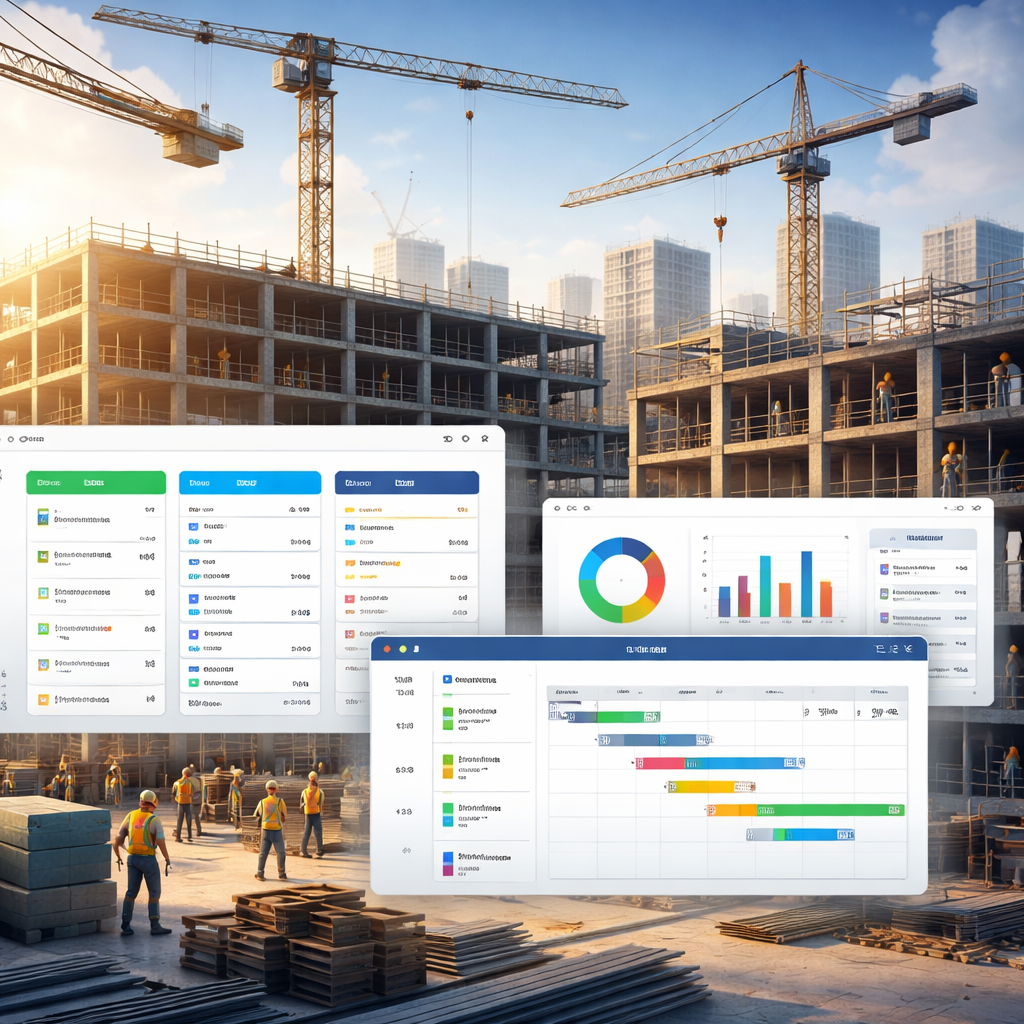
- Implement dashboards that offer real-time updates on procurement workflows.
- Use tracking systems to monitor the movement of materials from vendors to project sites.
- Share access to these systems with stakeholders to improve collaboration and accountability.
How AI Can Streamline Procurement
AI-driven tools are revolutionizing procurement by introducing automation, real-time tracking, and data-driven insights. Here’s how these technologies address common inefficiencies:
1. Centralized Workflows
AI-powered platforms consolidate all procurement processes—Material Requisition (MR), RFQs, vendor offers, and Purchase Orders (PO)—into a single system. This eliminates the need for teams to juggle multiple tools and ensures that all information is easily accessible.
Actionable Steps:
- Choose an AI platform that integrates with your existing project management and accounting tools.
- Train your team to use the centralized interface for all procurement-related tasks.
- Regularly update the platform with new data to maintain accuracy.
2. Automated Alerts and Approvals
AI can automate notifications and reminders for pending approvals, ensuring that bottlenecks are addressed promptly. For instance, if a purchase order is awaiting sign-off, the system can escalate the issue to higher management after a predefined delay.
Actionable Steps:
- Configure approval workflows to match your organization’s hierarchy.
- Set up automatic escalation rules for overdue approvals.
- Use analytics to identify and address recurring approval delays.
3. Smart Vendor Management
AI tools analyze vendor performance over time, tracking metrics like on-time delivery rates, material quality, and pricing trends. This data helps procurement teams make informed decisions and negotiate better terms.
Actionable Steps:
- Use AI to rank vendors based on performance metrics.
- Automate RFQ generation and evaluation to ensure consistency.
- Regularly review vendor performance reports to identify areas for improvement.
4. Real-Time Visibility
AI-powered dashboards provide real-time updates on the status of material orders. This level of transparency enables project teams to proactively adjust timelines and resources, minimizing risks and avoiding delays.
Actionable Steps:
- Set up real-time tracking for all procurement orders.
- Share dashboards with key stakeholders to improve collaboration.
- Use predictive analytics to anticipate potential delays and take preventive action.
Challenges in Adopting AI for Procurement
While AI offers immense potential, implementation comes with its own set of challenges:
1. Vendor Adoption
Not all vendors are equipped to work with digital systems. Some still rely on traditional methods like phone calls and handwritten invoices, creating a gap in the workflow.
Solution:
- Offer training and incentives for vendors to adopt digital tools.
- Provide vendors with simplified interfaces or mobile apps for easier participation.
- Maintain a hybrid system to accommodate less tech-savvy vendors during the transition period.
2. Balancing Automation with Human Judgment
AI can handle repetitive tasks but cannot replace the nuanced judgment required for complex decisions. Striking the right balance is crucial.
Solution:
- Use AI for data collection and analysis but keep critical decisions under human oversight.
- Establish guidelines for when to override AI recommendations.
- Involve cross-functional teams to validate AI-driven insights.
3. Initial Setup and Training
Implementing AI tools requires an upfront investment in setup, system integration, and team training. Without proper onboarding, the tools may fail to deliver their full potential.
Solution:
- Create a detailed implementation roadmap with clear milestones.
- Invest in regular training sessions to upskill your team.
- Partner with technology providers who offer robust customer support.
Comparison Table: Manual vs. AI-Driven Procurement
| Feature | Manual Procurement | AI-Driven Procurement |
|---|---|---|
| Approval Process | Manual, prone to delays | Automated, with reminders and escalations |
| Vendor Management | Spreadsheet-based, inconsistent | Data-driven, with performance metrics |
| Real-Time Visibility | Limited | Comprehensive, with live dashboards |
| Adaptability to Scope Changes | Difficult to manage | Seamless and real-time |
| Predictive Insights | None | Advanced, based on historical data |
Conclusion
AI is revolutionizing procurement in construction by addressing inefficiencies and introducing real-time visibility into workflows. By automating repetitive tasks, centralizing information, and providing actionable insights, AI enables project teams to deliver on time and within budget. However, successful implementation requires careful planning, training, and a culture of accountability.
To improve your procurement processes, start by identifying the pain points in your current workflows and exploring AI tools that align with your specific needs. The future of construction project management lies in leveraging these technologies to streamline operations and drive efficiency.
Learn more at JobNext.ai - Construction ERP