AI in Construction Management: Why Procurement Matters
Procurement in construction can be complex. Material requisitions (MRs) often get lost in emails, vendor quotes are scattered across spreadsheets, and approvals can become bottlenecks. For contractors operating in regions like India or GCC, managing procurement manually can lead to inefficiencies and increased costs. Margins are already tight, and poor procurement workflows can exacerbate financial strain.
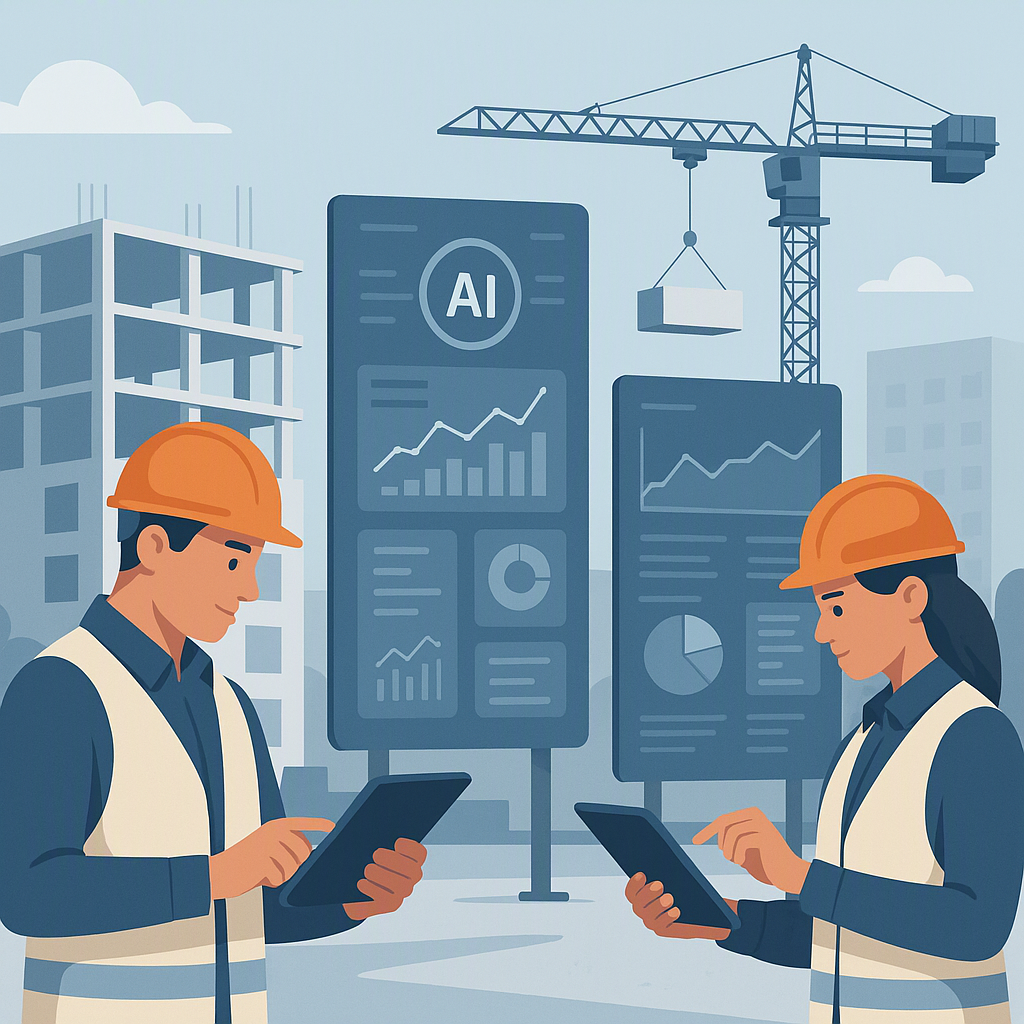
This is where AI-driven tools are starting to make an impact. While AI adoption in construction management is still evolving, its ability to streamline procurement workflows is becoming increasingly evident. Here's how structured processes powered by AI can help.
The Problem: Manual Procurement = Margin Erosion
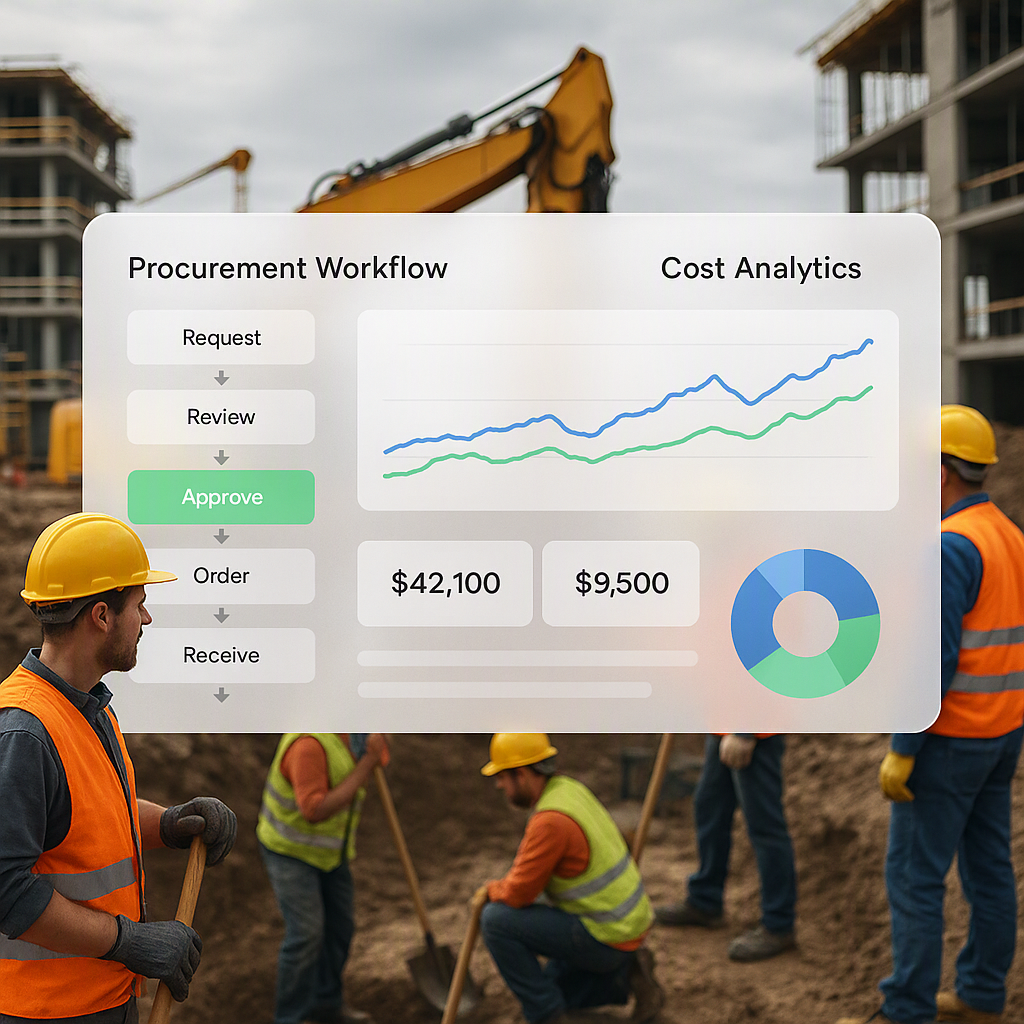
A typical procurement workflow for contractors involves:
- Raising a Material Requisition (MR) from the site.
- Sending Requests for Quotation (RFQs) to vendors.
- Comparing vendor offers.
- Getting approvals (often across multiple stakeholders).
- Issuing a Purchase Order (PO).
While this process seems straightforward, manual workflows often lead to delays, errors, and cost overruns. For example, missing an RFQ deadline can result in purchasing materials at a higher cost or from less-preferred vendors. Over-ordering can lead to wastage, while under-ordering can delay project timelines.
A structured approach to procurement can help mitigate these risks and improve efficiency.
The Solution: Structured MR → RFQ → PO Workflows with AI
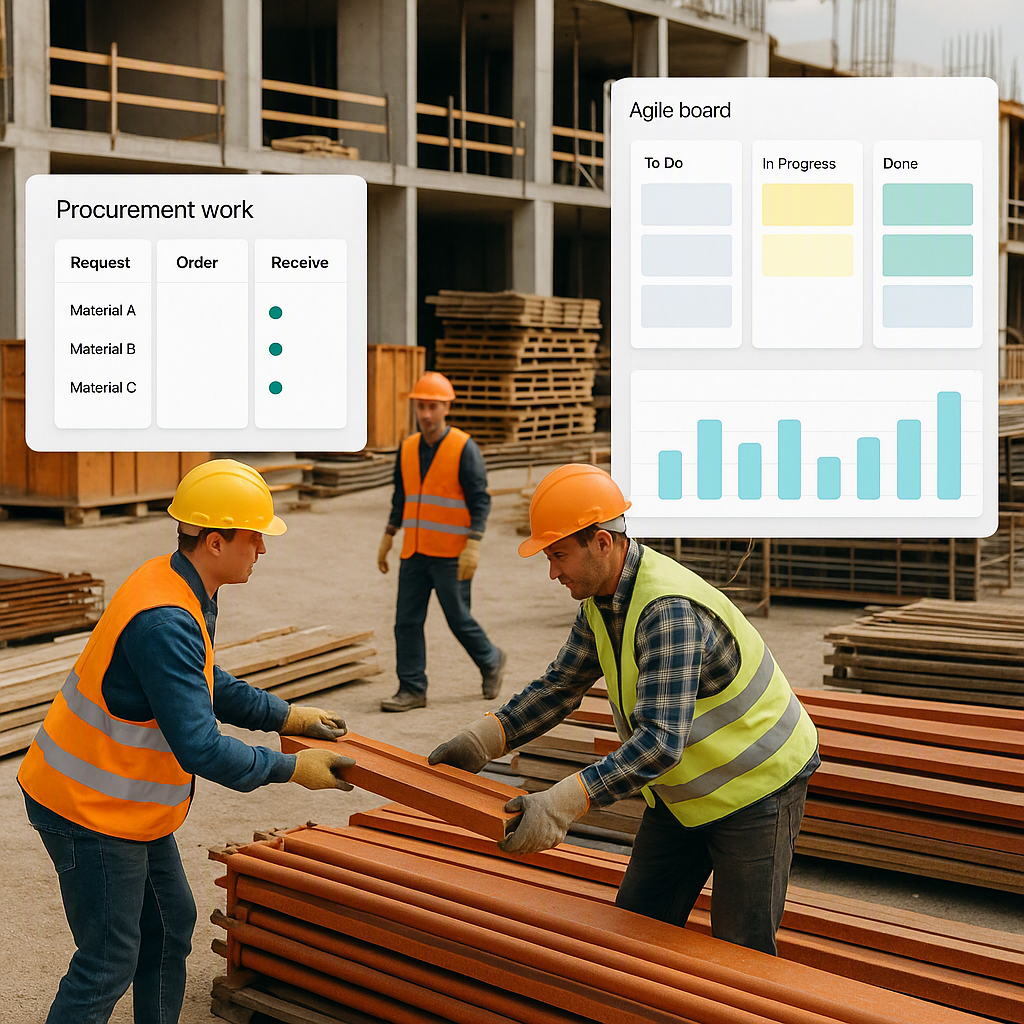
AI tools are designed to centralize and streamline procurement workflows, reducing reliance on emails and spreadsheets. Here’s how a structured process can look:
Step 1: Automating Material Requisitions (MRs)
Illustrative example — AI tools can suggest material quantities based on historical project data. For instance, if a project requires cement, the system may analyze past projects with similar requirements to recommend quantities, reducing guesswork and improving accuracy.
Step 2: Vendor Recommendation and RFQ Automation
Illustrative example — AI tools can help identify vendors based on past performance metrics such as delivery times, quality ratings, and pricing trends. This ensures RFQs are sent to vendors most likely to meet project needs efficiently.
Step 3: Simplifying Offer Comparisons
Illustrative example — AI tools can assist in organizing vendor responses, making it easier to compare offers based on criteria like price, delivery time, and payment terms. This reduces manual effort and speeds up decision-making.
Step 4: Streamlining Approval Workflows
Approval delays can be minimized with automated reminders and notifications. AI tools can help ensure that stakeholders are promptly informed, reducing bottlenecks in the approval process.
Step 5: Issuing Purchase Orders (POs)
Once approvals are complete, AI systems can generate purchase orders with all necessary details, ensuring compliance with regional tax regulations like GST in India or VAT in GCC.
Real-Time Insights: The Hidden Gem of AI in Procurement
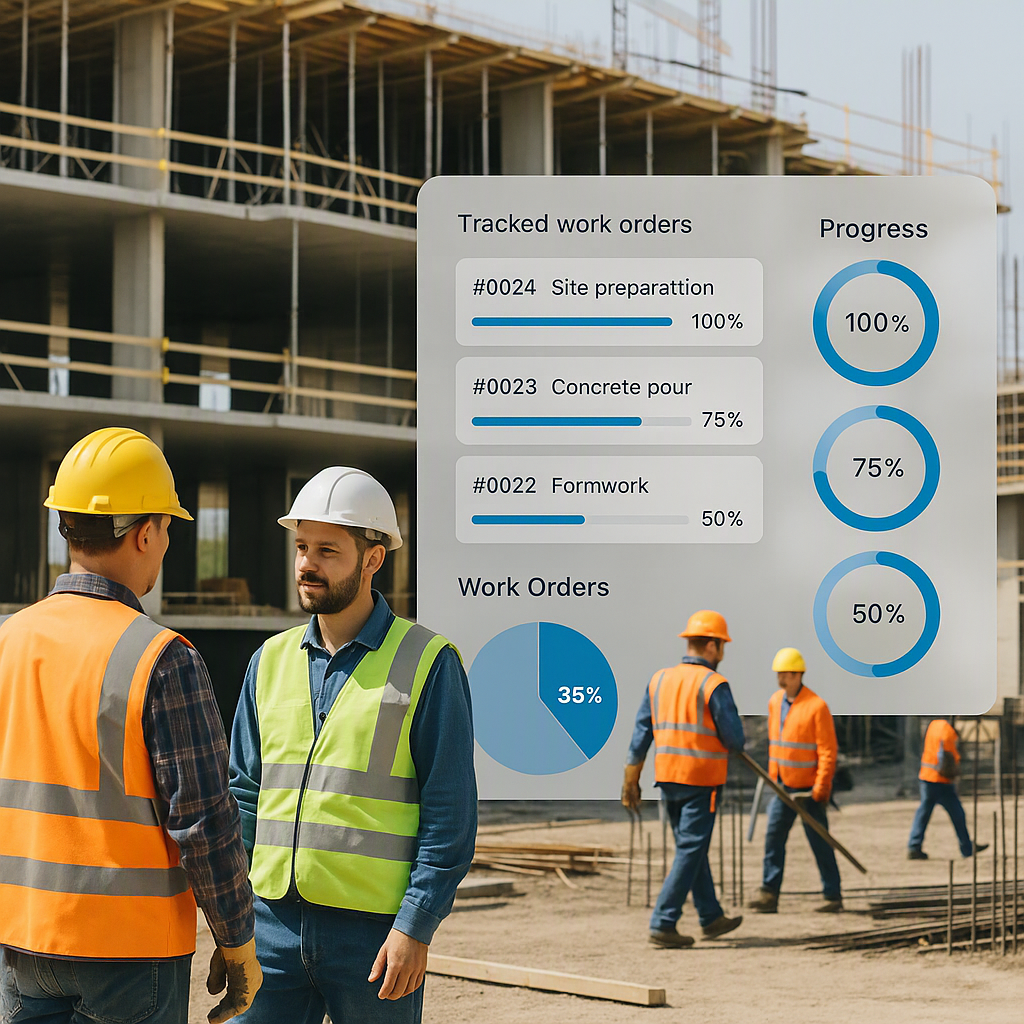
Beyond streamlining workflows, AI tools provide valuable visibility into procurement activities. Dashboards can offer insights into material usage, vendor performance, and overall spend across projects. This data empowers contractors to make informed decisions and optimize procurement strategies.
Common Pushbacks (And Why They’re Worth Addressing)
“AI is too expensive for small contractors.” Modern SaaS-based tools are subscription-based, making them accessible to mid-sized contractors. The potential cost savings often outweigh the subscription fees.
“We’re already using ERP software.” ERP systems are useful but may lack integration across procurement, project execution, and finance. AI tools can bridge these gaps, ensuring seamless data flow.
“Our team isn’t tech-savvy.” Many AI tools are designed to be user-friendly, with mobile apps and integrations into commonly used platforms like WhatsApp, reducing the learning curve.
FAQ: AI in Procurement for Construction
1. Can AI handle multi-currency procurement for GCC contracts? Yes, many AI-powered procurement tools support multi-currency transactions, making them suitable for cross-border projects.
2. How does AI ensure compliance with GST or VAT? AI tools are built to handle regional tax requirements, ensuring invoices are GST-compliant in India or VAT-ready in GCC.
3. Will AI replace procurement managers? AI is a tool to assist, not replace. It automates repetitive tasks, allowing procurement managers to focus on strategic decisions like vendor negotiations and cost optimization.
Conclusion: Why AI Matters
AI is transforming construction management by bringing structure, visibility, and efficiency to procurement workflows. Contractors who adopt AI tools can reduce errors, save time, and make more informed decisions. If your procurement process still relies on manual methods, it may be time to explore how AI can help modernize your operations.
Learn more at JobNext.ai - Construction ERP