
Subcontractor Management Challenges in MEP Projects
If you've managed even one MEP project, you've probably felt this pain. Subcontractors do the heavy lifting—ductwork, piping, wiring—but their mismanagement can quietly erode your margins. Missed measurements, unapproved work orders, and billing disputes pile up. One mistake, and you're either overpaying or stuck in a payment deadlock. Not ideal.
The solution? A structured subcontractor workflow. This one feature alone can transform how MEP contractors track progress and control costs. Let's dig into how it works.
Why Subcontractor Challenges Arise
Subcontractor issues aren't random. They stem from predictable problems:
- Untracked Progress: Work requisitions (WR) are issued, but nobody ties them back to verified measurements. When billing time comes, it's a guessing game.
- Unapproved Work Orders: Jobs start before work orders (WO) are locked. Subcontractors then claim costs for scope creep you didn't approve.
- Billing Gaps: Measurements aren't tied to payment requests. You either overpay or delay payments, frustrating subcontractors.
Structured Workflow: How ERP Solves It
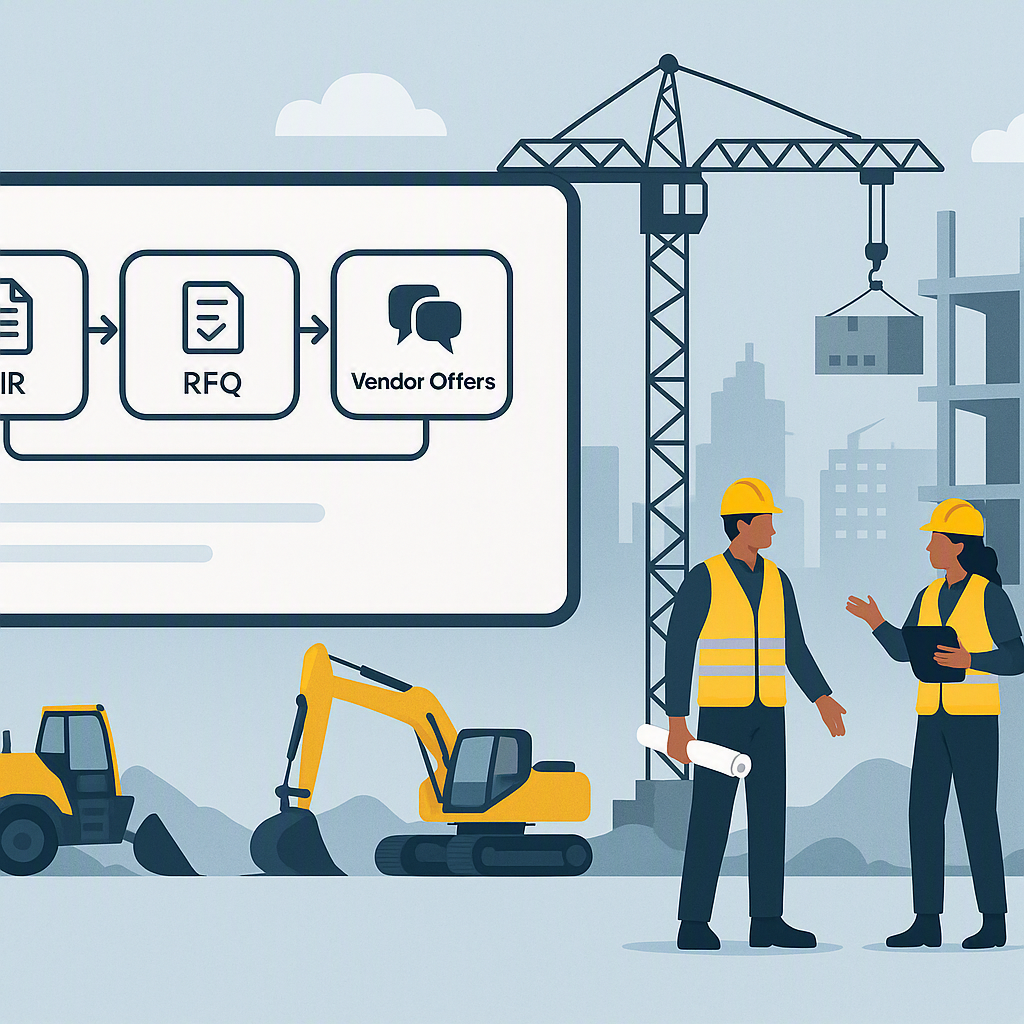
A structured subcontractor workflow in ERP systems addresses these issues step by step. Here's how it works:
-
Start with a Work Requisition (WR): The WR defines what needs to be done. In an ERP system, WRs are linked to the project's BOQ and scope hierarchy. This ensures the requisition aligns with the overall plan.
-
Issue a Request for Proposal (RFP): Invite subcontractors to bid. Many systems allow side-by-side comparison of bids, so you can choose the most competitive and compliant offer.
-
Approve Work Orders (WO): Once a subcontractor is selected, the WO locks in the agreed scope, price, and terms. No scope creep here—every change requires additional approval.
-
Track Measurements Against Progress: This is where most MEP contractors fall short. ERP systems tie WO measurements to verified site progress. If a subcontractor claims a certain percentage of completion, you can check measurements before releasing payments.
-
Payment Controls: Payments are tied to verified measurements, not subcontractor claims. Many systems include multi-level approval workflows to ensure transparency.
Benefits of Structured Workflows
Structured workflows help MEP contractors:
- Reduce errors in billing and payments.
- Minimize disputes with subcontractors.
- Gain better control over project costs.
- Ensure timely payments tied to verified progress.
For more insights, JobNext.ai’s blog on subcontractor management provides additional details on how structured workflows can improve project outcomes.
Common Questions
Q: Can ERP systems handle scope creep?
Yes, but only if you enforce work order approvals. Scope creep happens when work starts before the WO is locked. ERP systems ensure every scope change is approved before work begins.
Q: How does ERP track subcontractor progress?
By tying measurements to the BOQ and verified site progress. This ensures payments are based on actual work done, not claims.
Q: What if subcontractors resist structured workflows?
It’s common at first. But once subcontractors see faster approvals and timely payments, they adapt quickly.
Common Pitfalls to Avoid
- Skipping Measurement Verification: If you don’t verify measurements, you’re flying blind.
- Ignoring Approval Chains: Approvals protect you from scope creep. Don’t skip them.
- Delayed Payments: Subcontractors won’t tolerate delays. Tie payments to verified progress to keep them happy and productive.
Conclusion
Subcontractor management is a critical aspect of MEP projects. ERP systems with structured workflows can help contractors streamline processes, control costs, and reduce disputes. If you're looking to improve your subcontractor management, consider exploring ERP solutions that align with your project needs.
Learn more at JobNext.ai - Construction ERP