5 Ways to Prevent Subcontractor Cost Overruns Without Losing Your Sanity
Subcontractor cost overruns. If you’ve been in construction or contracting for any amount of time, you’ve encountered this headache. You start with a budget that looks manageable, and then—before you know it—costs skyrocket. The reasons? Scope creep, poor tracking, bad contracts, or just plain old mismanagement. It’s enough to keep even the coolest project manager up at night.
But here’s the thing: it doesn’t have to be this way. Overruns may be common, but they’re not inevitable. Let’s talk about five practical ways you can prevent subcontractor cost overruns, backed by real-world experience—and yes, a little help from technology.
1. Define the Scope Like Your Profit Depends on It (Because It Does)
No one likes scope creep. It’s costly, messy, and frustrating. Yet, it happens all the time. Why? Because the scope wasn’t locked down early enough. Or worse, it wasn’t documented clearly.
Here’s the deal: if your BOQ (Bill of Quantities) isn’t precise, you’re inviting trouble. Subcontractors thrive on clarity. Without it, they’ll either underprice initially (and hit you with claims later) or overprice to cover unknowns. Neither is good for your bottom line.
Actionable Steps:
- Break Down the Scope: Use tools like Work Breakdown Structures (WBS) to divide the project into smaller, manageable tasks. Each task should have measurable deliverables.
- Document Everything: Include specifics on materials, quantities, timelines, exclusions, and benchmarks. If it’s not written down, it doesn’t exist.
- Review and Reconfirm: Before issuing a contract or work order, review the scope with your subcontractor. Ask questions and clarify any ambiguities upfront.
- Use Scope Management Tools: Software solutions like Microsoft Project or Primavera P6 can help you define and manage scope effectively, ensuring clarity throughout the project lifecycle.
Comparison Table: Scope Definition Tools
| Tool | Strengths | Weaknesses |
|---|---|---|
| Microsoft Project | User-friendly, integrates with WBS | Limited collaboration features |
| Primavera P6 | Robust scheduling and scope management | Expensive and steep learning curve |
| Excel | Cost-effective, widely available | Not ideal for complex scope tracking |
| Specialized Construction Software (e.g., Procore) | Tailored for construction workflows | Requires subscription |
2. Track Costs in Real Time (No, Spreadsheets Don’t Count)
You can’t manage what you can’t measure. And if your project costs are buried in a dozen Excel sheets or scattered across emails, you’re setting yourself up for failure.
Too many contractors realize they’re over budget only when it’s too late. By then, the money’s been spent, and your hands are tied.
Actionable Steps:
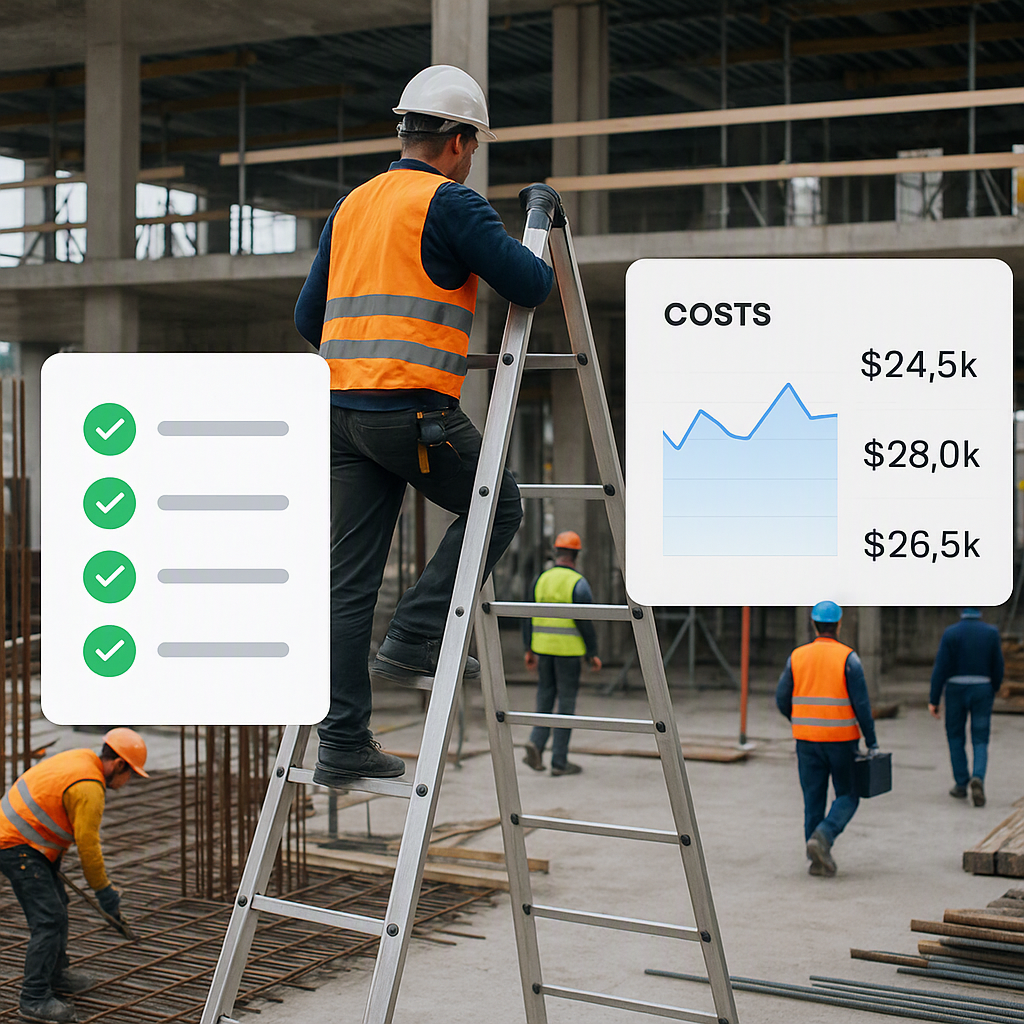
- Invest in Real-Time Tracking Software: Tools like Procore, ProjectsNext, or Buildertrend provide real-time updates on costs and progress.
- Set Up Alerts: Configure systems to flag deviations from the budget early, allowing you to intervene before costs spiral.
- Create a Cost Baseline: Before the project begins, establish a detailed budget tied to your BOQ. Track all expenses against this baseline.
- Audit Regularly: Don’t wait for the end of the project. Conduct weekly or bi-weekly audits to identify discrepancies early.
Why Spreadsheets Don’t Cut It:
| Feature | Spreadsheets | Real-Time Software |
|---|---|---|
| Collaboration | Limited | Seamless multi-user access |
| Automation | Manual | Automatic alerts and tracking |
| Integration with BOQ/WBS | None | Full integration |
| Scalability for large projects | Poor | Excellent |
3. Use a Structured Procurement Workflow
Here’s where most contractors go wrong: they’ll issue a work order without proper checks and balances. No clear scope, no milestones, no payment terms. And then they’re surprised when the subcontractor sends a massive invoice before finishing the job.
Actionable Steps:
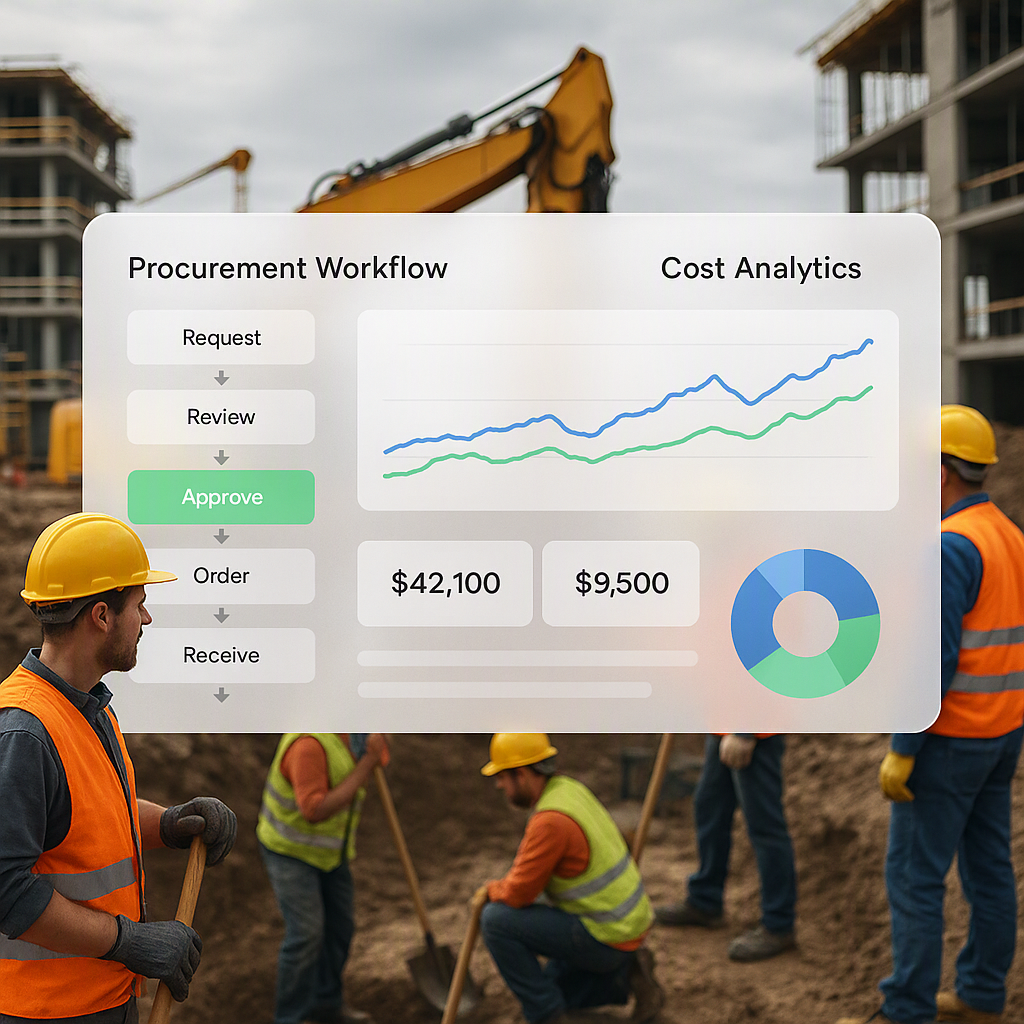
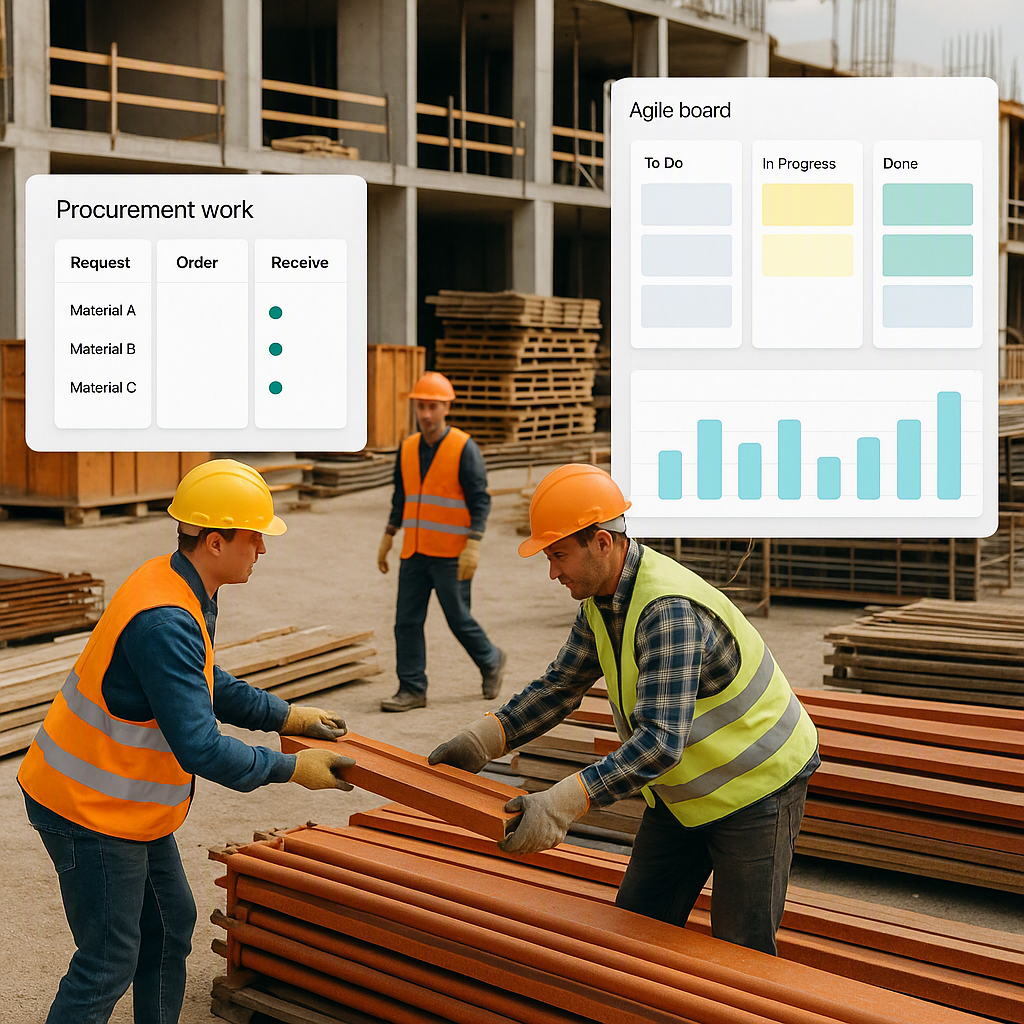
- Standardize Your Workflow: Follow a structured process like MR → RFQ → Vendor Offers → PO → Work Order → Completion.
- Use Procurement Software: Platforms like SAP Ariba or ProjectsNext ensure every procurement step is documented and approved.
- Tie Requests to BOQ: Ensure every material request and RFQ is tied to specific BOQ items, reducing ambiguity.
- Verify Vendor Quotes: Before awarding contracts, compare quotes and ensure they align with your predefined scope and budget.
- Review Invoices Thoroughly: Cross-check every invoice against the PO and work order to catch errors or overcharges early.
4. Implement Milestone-Based Payments
Paying a subcontractor upfront is a huge risk. What happens if they don’t deliver? Or if the work is subpar? You’re left holding the bag, and good luck getting your money back.
Actionable Steps:
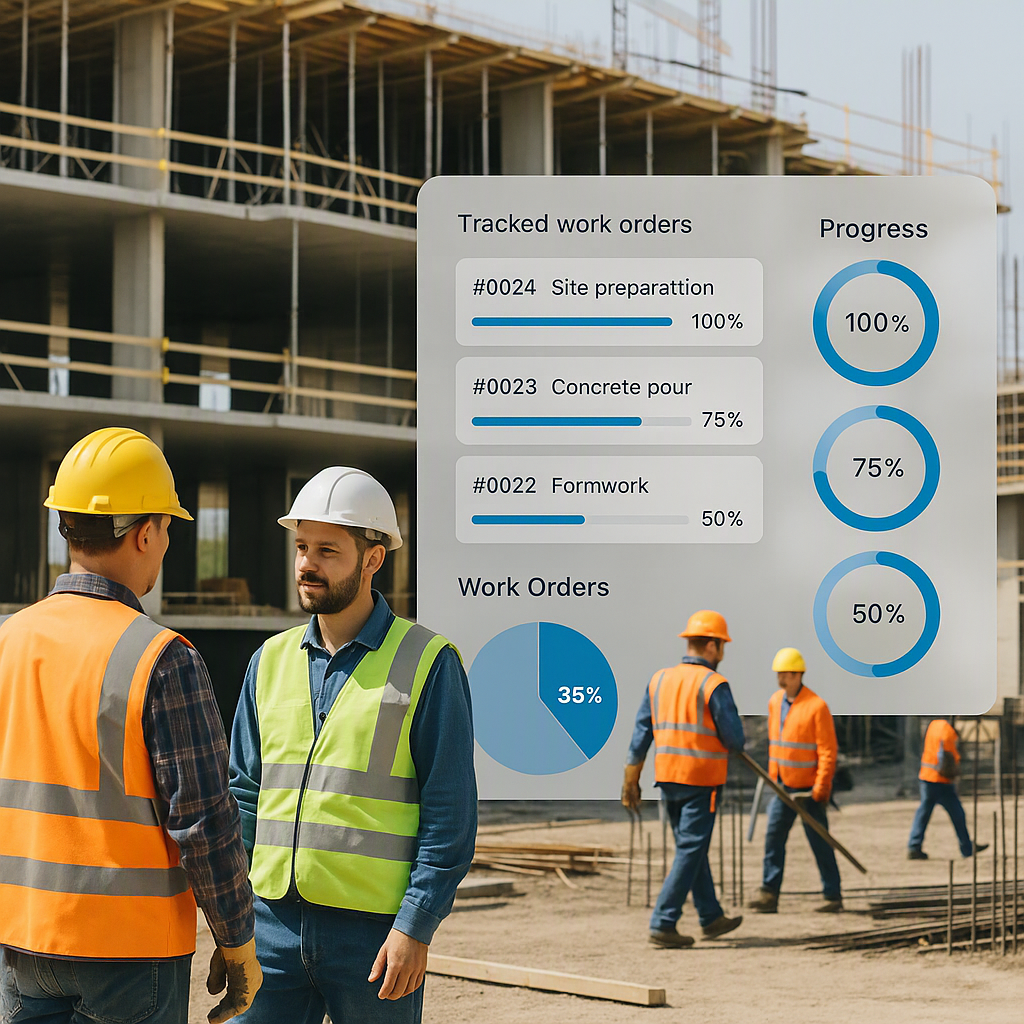
- Define Clear Milestones: Break the project into measurable benchmarks like mobilization, 50% completion, and final approval.
- Tie Payments to Progress: Release funds only after milestones are verified through documentation, site measurements, or photos.
- Include Penalties and Retentions: Build incentives and penalties into your contracts to ensure subcontractors deliver on time and within budget.
- Conduct Regular Inspections: Before releasing payments, conduct site inspections or audits to validate milestone completion.
Payment Structure Example:
| Milestone | Percentage of Payment Released | Verification Method |
|---|---|---|
| Mobilization | 30% | Photos, equipment on site |
| 50% Completion | 30% | Site measurements, progress reports |
| Final Approval | 40% | Quality checks, handover documents |
5. Don’t Let a Lack of Communication Sink You
If you’re not communicating with your subcontractors regularly, you’re asking for trouble. Misunderstandings about scope, delays in approvals, and missed deadlines—all of these can lead to cost overruns.
Actionable Steps:
- Hold Weekly Progress Meetings: Use these sessions to review progress, resolve issues, and confirm expectations.
- Centralize Communication: Use platforms like Slack, Microsoft Teams, or Procore to keep all project-related conversations in one place.
- Document Everything: Record meeting minutes, decisions, and changes to scope or timelines.
- Set Clear Communication Protocols: Define who communicates what and when, reducing confusion and ensuring accountability.
FAQ
Q: What’s the first step to preventing subcontractor cost overruns? Start with a detailed BOQ and scope of work. Without these, you’re flying blind.
Q: How do I handle disputes with subcontractors over costs? Always rely on your documentation. Clear contracts, accurate measurements, and structured workflows are your best defense.
Q: Is software necessary to manage subcontractors effectively? Not strictly necessary, but it makes life a lot easier. Tools like ProjectsNext can help you track costs, manage contracts, and enforce workflows.
Q: What’s the biggest mistake contractors make with subcontractors? Failing to monitor progress and costs in real time. By the time you notice an overrun, it’s often too late to fix.
Q: Can subcontractor cost overruns be completely avoided? Not always, but you can minimize them significantly with the right processes and tools.
Subcontractor cost overruns don’t have to be a given. By focusing on scope, tracking costs in real time, enforcing structured workflows, implementing milestone-based payments, and improving communication, you can keep your projects on track—and your margins intact.
If you’re dealing with subcontractor cost overruns, ProjectsNext can help. Our structured workflows, real-time project tracking, and integrated tools are designed to keep your projects profitable. Learn more today →
Learn more at JobNext.ai - Construction ERP