Subcontractor Cost Overruns: What’s the Real Problem?
We’ve all been there. You sign a subcontractor for a project, thinking the agreed BOQ (Bill of Quantities) will keep costs predictable. Then reality hits—scope creep, delays, mismatched measurements, and suddenly you’re hemorrhaging money.
The problem isn’t just the subcontractor. It’s how most teams manage them. Loose workflows, unclear progress tracking, and reactive approvals leave too much room for mistakes. Let’s fix that.
1. Nail Down the Scope Early (and Don’t Let It Budge)
Scope creep is the silent killer of subcontractor budgets. It starts small—a few extra tasks, a minor adjustment—and snowballs into massive overruns. How do you stop it?
First, get the scope airtight. Break it down into clear BOQs, work packages, and deliverables. A good BOQ isn’t just a list of items—it’s a detailed breakdown of quantities, specifications, and expected outcomes. For instance, instead of saying “install flooring,” specify the square footage, material type, and installation method. The more granular the scope, the fewer opportunities for ambiguity.
Use tools that allow you to upload BOQ measurements directly into your project management system. For example, platforms like ProjectsNext allow you to set up detailed BOQ hierarchies and lock the scope before work begins.
Why does this matter? Because when every change requires a formal approval, you can stop scope creep before it starts. Many teams see this as bureaucratic, but it works. To be actionable:
- Create a Scope Approval Process: Ensure every scope addition is formally reviewed and approved by relevant stakeholders.
- Communicate Scope Clearly: Share the BOQ and detailed work packages with subcontractors upfront to avoid misunderstandings.
- Include Change Orders: Build a workflow for change requests so that costs and impacts are documented before approval.
2. Progress-Based Payment Tracking
Paying subcontractors upfront or on loose milestones can lead to wasted money. If progress isn’t measured accurately, you’re essentially paying for work that hasn’t been done—or worse, paying for errors.
What’s the fix? Progress-based payments tied to measured work. This approach ensures you only pay for actual, verified progress, not promises or estimates. For example:
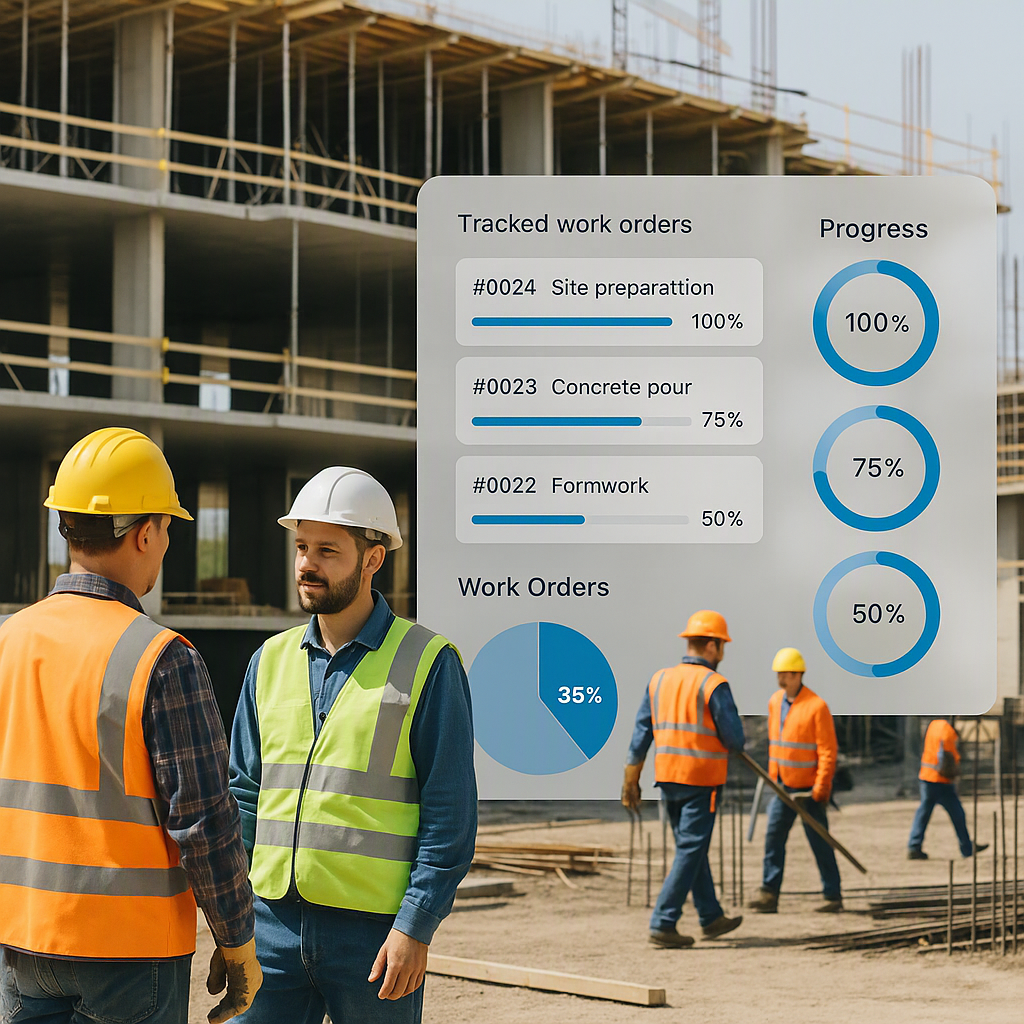
- Set Measurable Milestones: Break down subcontractor work into specific tasks tied to BOQ measurements. Instead of vague milestones like "50% completion," use quantifiable metrics such as "200 square meters of flooring installed."
- Verify Progress: Use site measurements to confirm completed work before releasing payments. Platforms like ProjectsNext let you compare subcontractor progress directly against the BOQ.
- Enforce Payment Terms: Include clauses in subcontractor contracts that tie payments to work verification.
This method reduces disputes and ensures you’re paying for real progress. Without structured measurement-based tracking, you’re asking for cost overruns. To avoid common pitfalls:
- Standardize Measurement Practices: Define how progress will be measured (e.g., physical inspections, photographic evidence, or digital BOQ tracking).
- Integrate Tools: Use project management software to automate payment tracking and approval workflows.
- Audit Payments: Regularly review payment data to ensure it aligns with verified progress.
3. Use a Structured Procurement Workflow
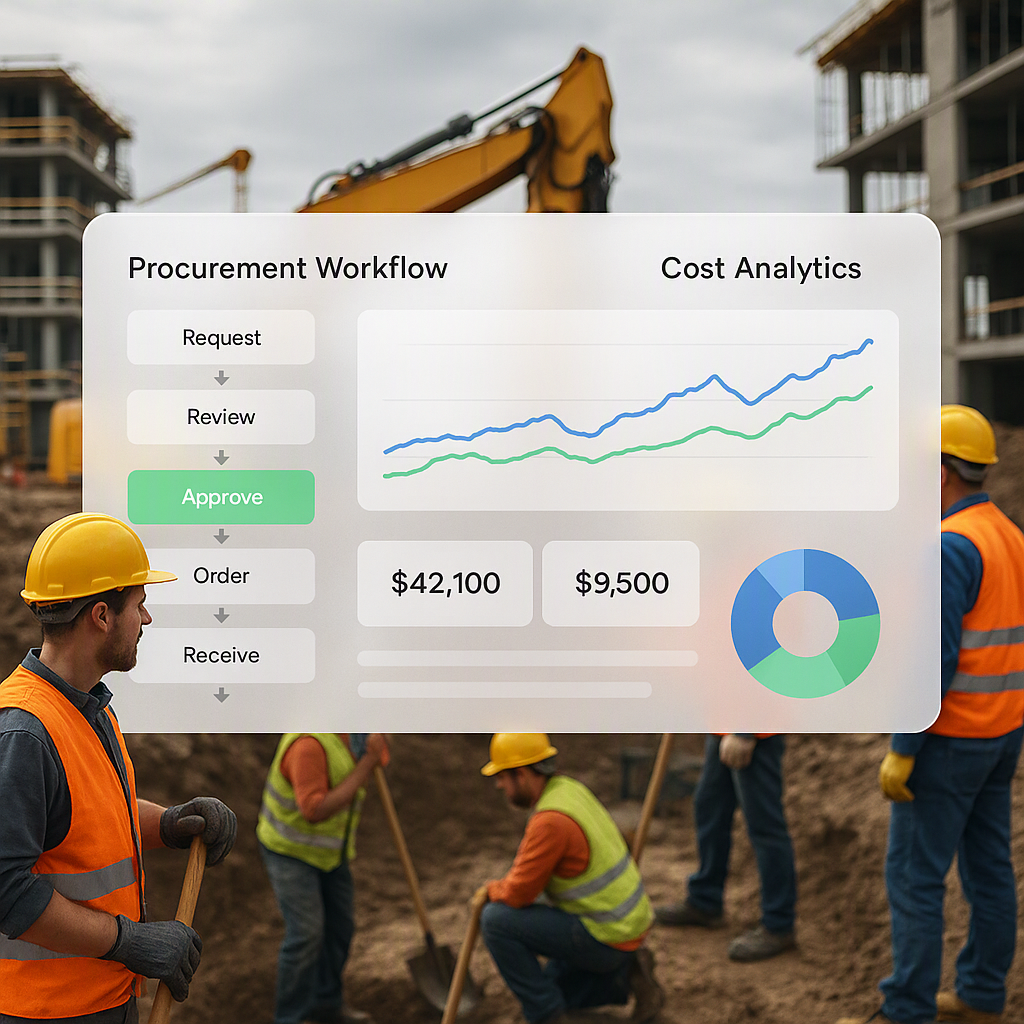
Subcontractor costs often spiral because material procurement is chaotic. If your team is manually juggling Material Requests (MRs), RFQs (Request for Quotes), and POs (Purchase Orders), mistakes will happen—wrong quantities, missed timelines, and overpriced materials.
The solution? Automate it. A structured MR→RFQ→PO workflow makes procurement predictable and error-free. Here’s how:
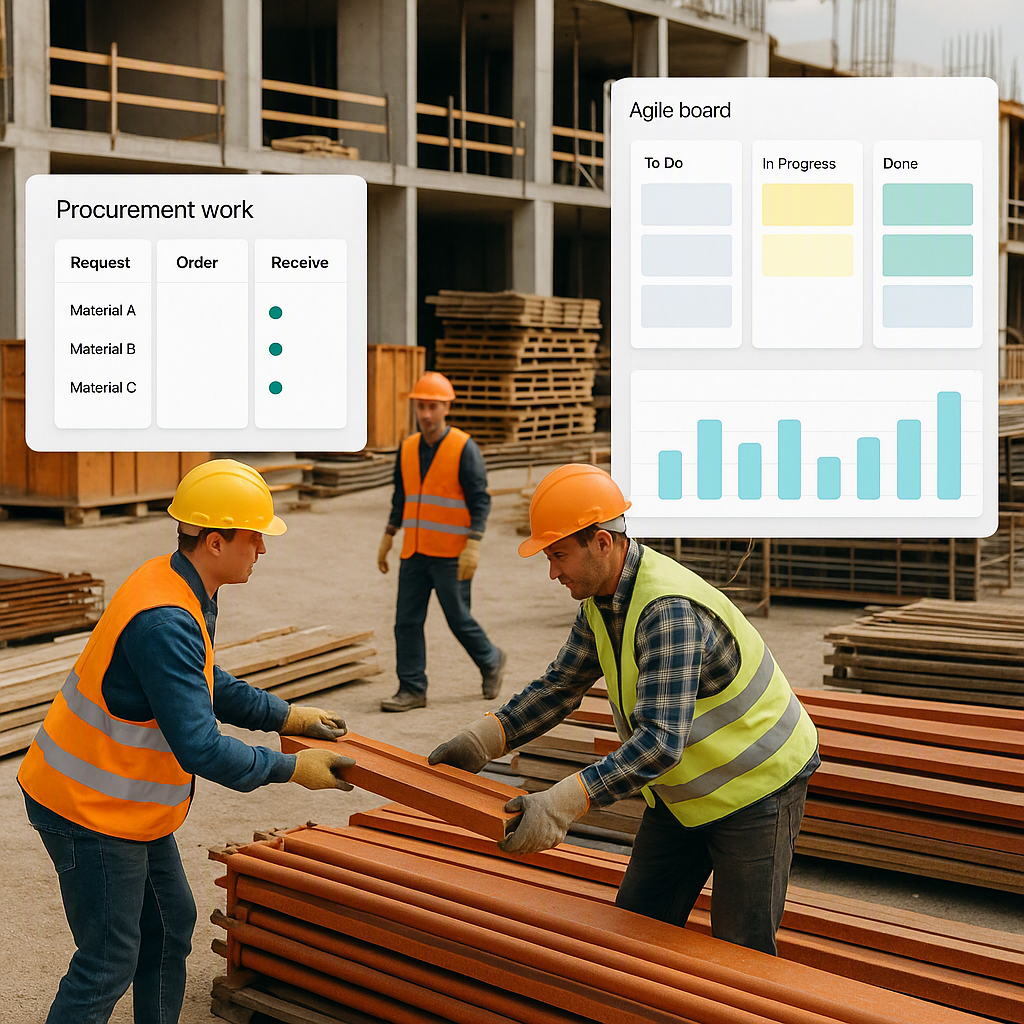
- Centralize Material Requests: Use a system that consolidates all material requests from subcontractors into a single platform.
- Compare Vendor Offers: Automate RFQ processes to quickly evaluate vendor quotes on price, delivery time, and quality.
- Track Purchase Orders: Ensure every PO is linked to the original MR and approved by the relevant stakeholder.
Platforms like ProjectsNext offer approval chains and vendor offer comparisons built into their procurement module. This ensures you’re buying materials at the right price and delivering them on time to subcontractors.
Why does this reduce cost overruns? Because it removes guesswork and delays from the equation. To implement structured procurement workflows:
- Set Approval Hierarchies: Define who approves material requests and purchase orders to avoid bottlenecks.
- Monitor Inventory: Track material usage on-site to ensure subcontractors aren’t wasting resources.
- Optimize Vendor Selection: Maintain a database of reliable vendors with past performance records.
4. Enforce Clear Subcontractor Contracts
A handshake deal or a vague contract is a recipe for disaster. Subcontractors will interpret “flexibility” as “free extra work.” You need detailed contracts that specify everything—scope, timelines, penalties for delays, and payment terms.
A solid subcontractor contract should include:
- Scope of Work: Detailed BOQs and deliverables.
- Timelines and Deadlines: Clear start and end dates, with intermediate milestones.
- Payment Terms: Progress-based payment clauses tied to verified work.
- Penalties: Clauses for delays, poor workmanship, or material wastage.
Platforms like ProjectsNext help you convert tenders into detailed contracts, with clauses for every condition. This isn’t just paperwork—it’s protection against disputes and overruns. To make subcontractor contracts work for you:
- Include Termination Clauses: Specify conditions under which the contract can be terminated.
- Document Everything: Keep a record of all communications and approvals related to the contract.
- Review Regularly: Periodically revisit contracts to ensure compliance and identify areas for improvement.
5. Real-Time Dashboards and Alerts
Most subcontractor overruns are only noticed when it’s too late—at the billing stage or during reconciliation. By then, the damage is done.
The fix? Real-time monitoring. Dashboards that show subcontractor progress, costs, and approvals as they happen can prevent surprises. With live data, you can:
- Spot Red Flags Early: Identify delays, cost spikes, or scope changes in real-time.
- Track Profitability: Ensure subcontractor work aligns with project budgets.
- Act Fast: Resolve issues before they snowball into bigger problems.
Many teams use ProjectsNext’s pre-built dashboards to track profitability and subcontractor performance live. Seeing overruns before they snowball lets you act fast. For actionable monitoring:
- Set Alerts: Configure automated alerts for budget breaches or missed milestones.
- Customize Dashboards: Tailor dashboards to show metrics relevant to your project.
- Integrate Systems: Connect dashboards to procurement, billing, and progress tracking tools for seamless reporting.
Comparison Table: Key Practices for Avoiding Subcontractor Cost Overruns
| Practice | Benefit | Tools to Implement |
|---|---|---|
| Lock Scope Early | Prevents scope creep | BOQ management platforms |
| Progress-Based Payments | Ensures payment for actual work | Measurement-based tracking tools |
| Structured Procurement Workflow | Avoids material delays and errors | Procurement automation software |
| Clear Contracts | Reduces disputes and ambiguity | Contract management platforms |
| Real-Time Monitoring | Identifies issues before they escalate | Dashboard and analytics tools |
Final Word
Subcontractor cost overruns aren’t inevitable. With structured workflows, clear contracts, and real-time monitoring, you can keep your projects profitable and under control.
If you’re dealing with subcontractor cost overruns, ProjectsNext can help. Get started free →
Learn more at JobNext.ai - Construction ERP