Small Contractors Are Bleeding Margins — Here's Why
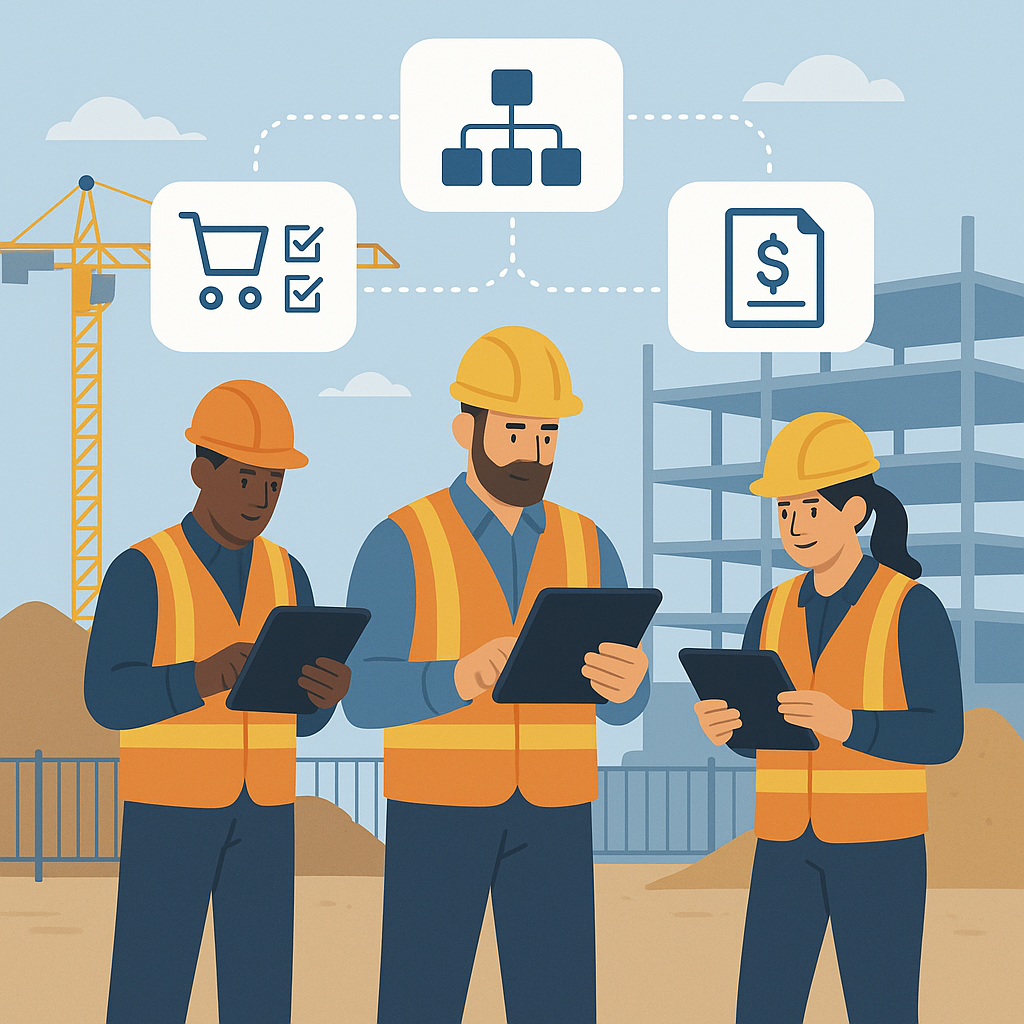
Running a contracting business isn't easy. You're juggling multiple projects, managing subcontractors, and trying to stay on top of procurement and billing. But here's the kicker: most contractors use disconnected systems. An Excel sheet for cost tracking, WhatsApp for approvals, and maybe Tally for GST compliance. Guess what happens? Margins erode.
Take procurement, for example. You've got material requests flying in from site teams. Someone forgets to send an RFQ to vendors or skips an approval. Suddenly, you're buying cement at ₹400 per bag instead of ₹375. Multiply that by 10,000 bags, and you've lost ₹2,50,000. That’s real money — gone.
Why a Unified ERP Matters
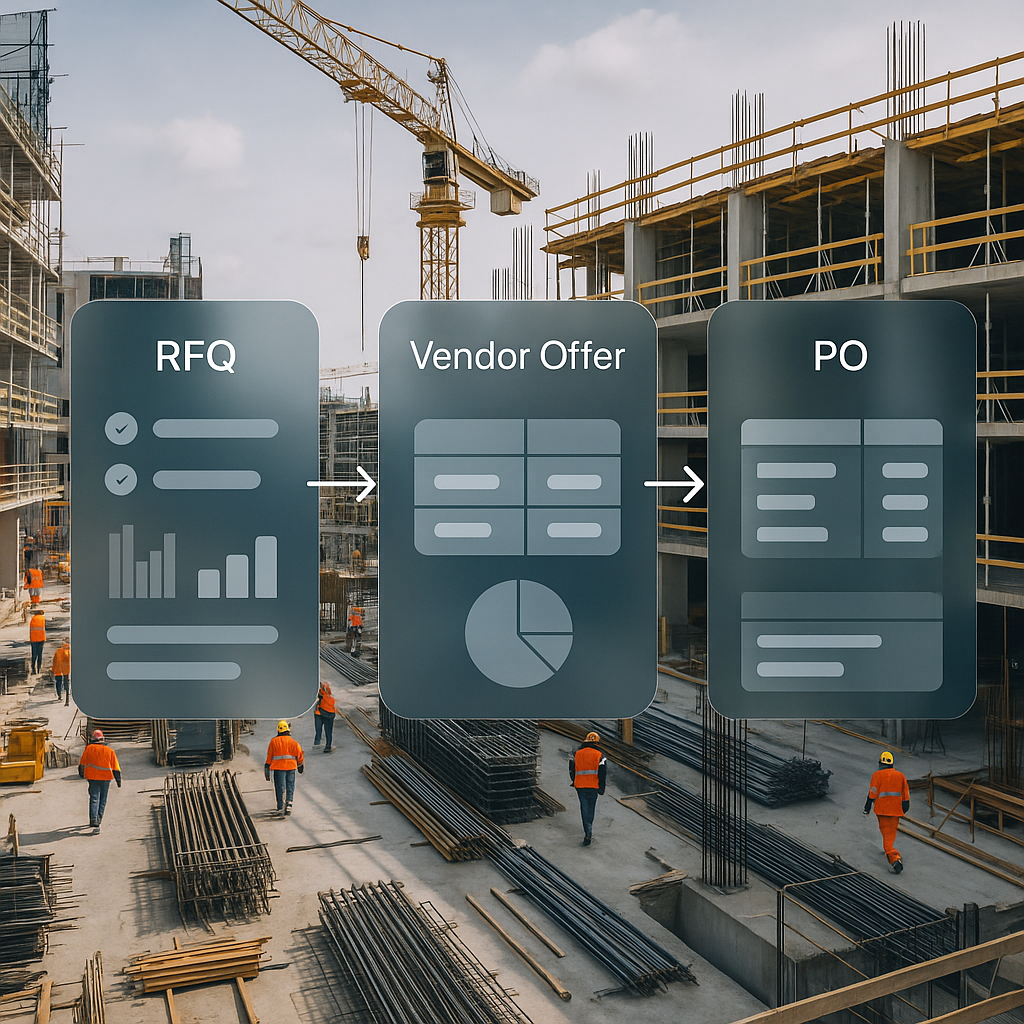
A unified ERP ties everything together. It eliminates manual gaps, tracks costs in real-time, and enforces workflows. Let’s look at procurement again. With a good ERP, material requests (MRs) automatically convert to RFQs. Vendors submit their quotes directly into the system. You compare offers, approve the best one, and generate a PO — all in one workflow.
Here’s an example: JobNext, a construction ERP we’ve seen work well, has this exact feature. It handles the entire chain: MR → RFQ → Vendor Offers → PO. And it doesn’t let anyone skip approvals. If a project manager tries to buy ₹10 lakh worth of steel without approval, the system blocks it. No shortcuts.
Real Example: GST Compliance
GST compliance is another headache. Ever tried reconciling invoices manually? It's a nightmare. A unified ERP tracks GST inputs and outputs for every transaction. Systems like JobNext even integrate with Tally for statutory filings. You won’t miss out on input credits or mess up your returns.
What About Billing?
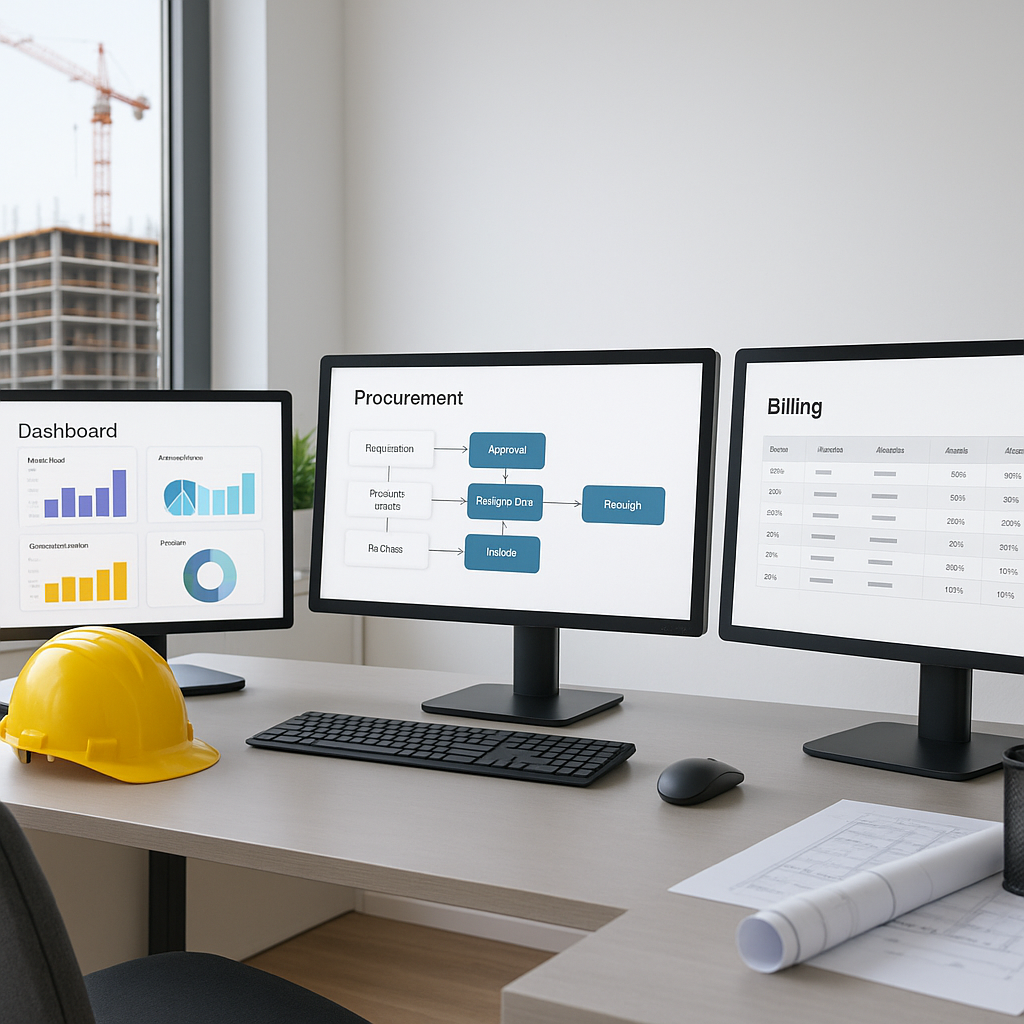
Revenue leakage in billing is common. Contractors often forget to bill for extra work or struggle with complex methods like RA Bills or stage-wise billing. A unified ERP ensures you don’t miss anything. It tracks all billing methods, whether it’s a one-time BOQ supply or monthly progress billing. And it flags unpaid invoices so you can chase them before cash flow dries up.
The Obvious Objection: Cost
You might be thinking, "This sounds great, but ERPs are expensive." Fair point. Unified ERPs aren’t free, but here’s the counterargument: What’s more expensive — paying ₹10 lakh for an ERP or losing ₹50 lakh in margin erosion every year? For small contractors managing multiple projects, the ROI is clear.
Bottom Line
Disconnected systems and manual chaos are killing margins for small contractors. A unified construction ERP isn’t just a nice-to-have — it’s a survival tool. Whether it’s procurement, GST compliance, or billing, these systems save money and time. If you're serious about fixing margin erosion, it’s time to consider one.
Want to explore ERPs for your business? Start with JobNext.
Ready to see JobNext in action?
Multi-tenant SaaS ERP for construction, facilities management, and contracting — covering preconstruction, project execution, procurement, HR & payroll, equipment, finance, and 150+ analytics reports.
Get Started Free →Learn more at JobNext.ai - Construction ERP